Sri Lanka is too big for a “see everything” trip, but this one comes close. You get a private driver-guide who stitches together big-name sights and quieter stops, and you’re not stuck figuring out tickets, routes, or timing. I also like that so much of the cost is folded into the plan—air-conditioned transport, Wi-Fi on board, and entrance fees/major meals—so you can focus on the places, not the paperwork. The main thing to consider is pace: with a packed route and multiple regions in a week, it’s ideal if you like moving each day rather than lingering.
What makes it work is the mix. You’ll jump from wildlife and viewpoints to iconic heritage sites, then swing down to beaches and water activities. I especially appreciate the comfort touches: onboard Wi-Fi and a steady rhythm of stops means you’re less drained when the days get full.
One more practical note: the ocean portions (like whale watching) depend on good weather, so build a little flexibility in your plans.
In This Review
- Key things that make this tour worth a look
- Price and logistics: what $780 really buys you
- Day 1: Popham’s Arboretum, then Sigiriya’s rock fortress
- Day 2: Spice Garden, gem museum, and Kandy’s view-and-dance combo
- Day 3: Sacred Tooth Relic, botanical gardens, waterfalls, and tea country
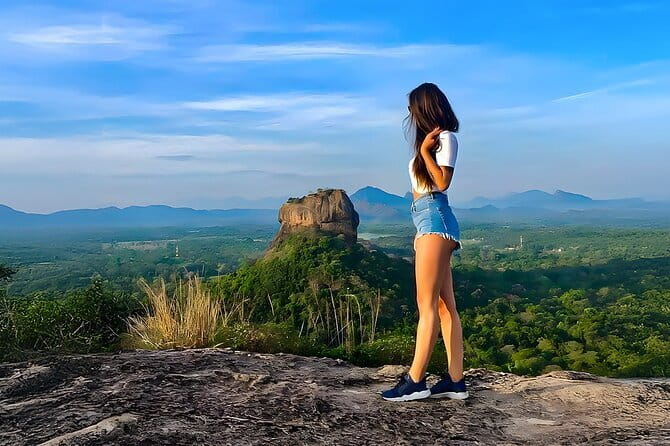
- Day 4: Nine Arches Bridge, Dunhinda Falls, and Little Adam’s Peak views
- Day 5: Kitulgala rafting intensity, then Mirissa beach downtime
- Day 6: Whale watching, Madu River safari, and Bentota water views
- Day 7: Colombo highlights—Lotus Tower views and Pettah market energy
- What’s included (and where you may still spend)
- The driver-guide experience: why this kind of private tour feels calmer
- Practical tips so you enjoy every day (not just the highlights)
- Should you book this private 7-day Sri Lanka tour?
- FAQ
- FAQ
- How much does the 7-day private guided tour cost?
- What does the tour include?
- What is not included?
- Where does the tour start?
- Is this a private tour?
- Is the tour dependent on weather?
Key things that make this tour worth a look
- Private, customizable route so you’re not trapped in a fixed group schedule
- Air-conditioned vehicle + onboard Wi-Fi for long driving days
- Entrance fees and many meals included, which helps the budget feel predictable
- A “nature-to-culture” blend: Sigiriya + Kandy + tea country + beaches
- Real activity time: white-water rafting in Kitulgala plus whale watching
- Colombo wrap-up with both modern skyline views (Lotus Tower) and street-market energy (Pettah)
Price and logistics: what $780 really buys you
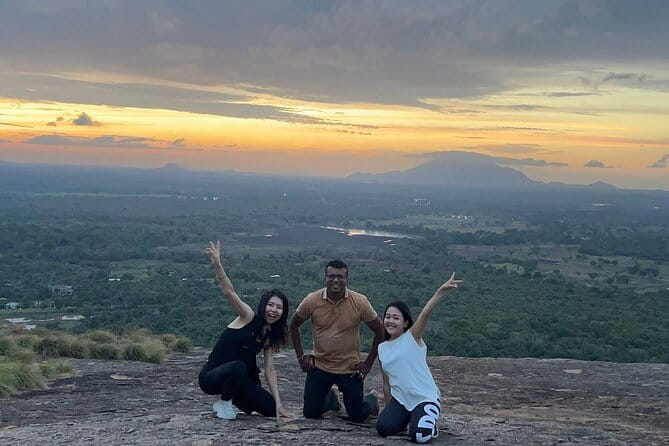
At $780 for roughly seven days, you’re paying for more than sightseeing. You’re buying convenience: private transport, a driver-guide, and key costs handled up front (notably entrance fees and the breakfasts/dinners listed). That matters in Sri Lanka because the hard part isn’t finding attractions—it’s lining up transport, timing, and tickets without burning your whole day on logistics.
This is also a true private setup, meaning you travel as one group rather than merging into a larger crowd. That gives you more control if you want to spend extra time at a viewpoint, or move faster when you’re done.
Where you should pay attention: your day’s “headline” attractions include a mix of sites with listed ticket prices and a few activities with their own pricing. The tour states that entrance fees are included, but activities like rafting and whale watching can have separate ticket lines—so before you lock anything in, verify exactly what’s bundled for your dates.
You can also read our reviews of more tours and experiences in Colombo.



Day 1: Popham’s Arboretum, then Sigiriya’s rock fortress
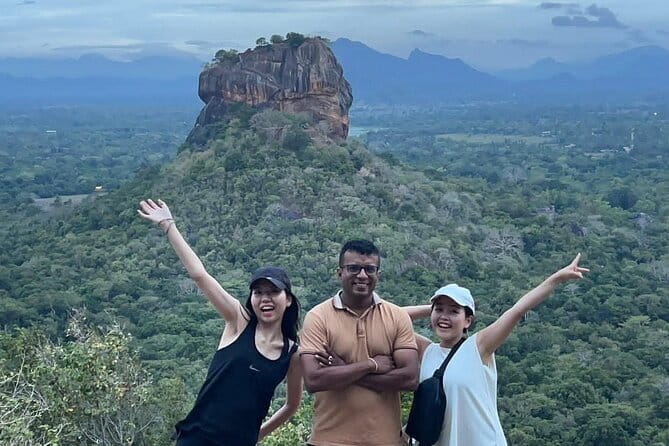
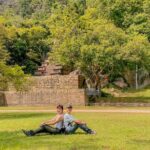
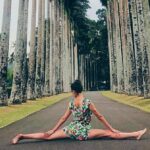
Day one is a great warm-up because it starts soft and scenic. Popham’s Arboretum is a man-made forest where birds, butterflies, and dragonflies live in their natural habits. It’s an easy place to get your bearings—shade, walks, and a slower tempo before the big climb later.
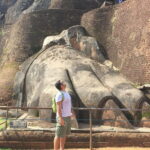
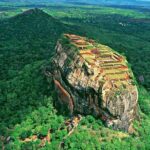
Then you shift gears to one of Sri Lanka’s most iconic sights: Sigiriya, the Ancient Rock Fortress. Even if you’ve seen photos before, the scale is different in person. The palace complex is on the heart of the island, and the rock-fortress vibe is the kind of place that makes you slow down without needing to be told to.
Practical consideration: Sigiriya’s entry prices vary by category (including SAARC vs non-SAARC foreigners). Your tour covers entrance, but it’s still worth confirming the exact ticket type you’ll be charged under so there are no surprises.
Day 2: Spice Garden, gem museum, and Kandy’s view-and-dance combo
Kandy is where Sri Lanka starts to feel “layered,” and day two sets that up well.
First stop is the Ranweli Spice Garden. This isn’t just a walk past plants. You’re introduced to the spices and herbs Sri Lanka is known for, with uses for flavor and traditional medicinal purposes. The garden also offers a herbal drink and a massage—small add-ons that can turn a sightseeing day into a proper reset.
Next, you visit Natural Gems and the Gemmological Museum. If you like learning how things are made (not just shopping), the museum angle is useful. The surrounding retail environment can get sales-heavy in any tourist city, so I’d treat this as a learning stop first, shopping second.
After that, you get a quick payoff view at Kandy View Point, reached by climbing near Kandy Lake. It’s short, but it’s one of those moments where you get the city layout fast.
Then comes the evening cultural piece: Kandy Lake Club Cultural Dance Show at 5:00 PM. It’s a long enough performance (about three hours) that you can plan around it. And because it happens after daylight sightseeing, it’s a neat way to balance your day rather than stacking everything into a single intense window.
Day 3: Sacred Tooth Relic, botanical gardens, waterfalls, and tea country

Day three is a classic “heritage plus nature” blend.
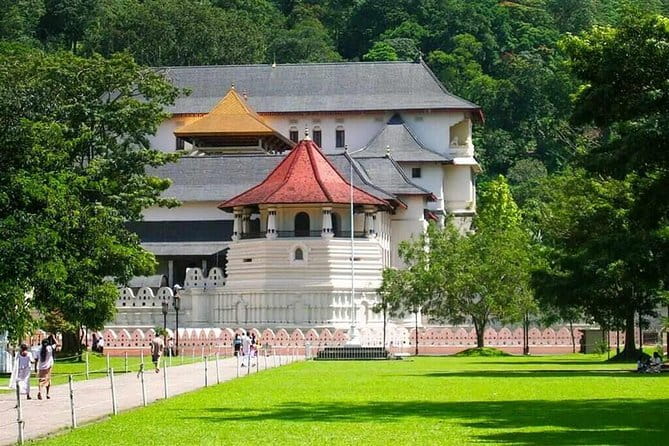
You start at the Temple of the Sacred Tooth Relic. Entry is listed with different pricing categories, and the payoff is the feeling of a living cultural site—something you don’t just look at, you watch move around you as people arrive and worship.
Next is the Royal Botanical Gardens. The gardens are a welcome change of pace after temple time. They’re also a smart way to understand Sri Lanka’s plant world without needing to know a single botanical name in advance.
Then you move into waterfall territory: Ramboda Waterfall (listed as about 358 feet high). Waterfalls in tea-and-hills areas feel different because the views frame the water. Even if you only have about an hour, it tends to be one of those stops you’ll remember because it’s a clear change from city and temple.
From there, you go to Seeta Amman Kovil, dedicated to Sitadevi, wife of Lord Rama. This temple is considered the only one of its kind in the world, based on the description in your tour plan. If you enjoy understanding how different religions and stories travel through landscapes, this stop adds an angle beyond the usual “temple photos.”
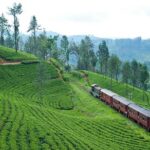
Finally, you finish with tea plantation time. Kandy is described as the birthplace of Ceylon Tea and the administrative center for tea production. Even a short tea stop gives you context for what you’ll see later around the hill country—like why everything feels cooler and greener up there (and why tea is a whole industry, not a souvenir).
Day 4: Nine Arches Bridge, Dunhinda Falls, and Little Adam’s Peak views
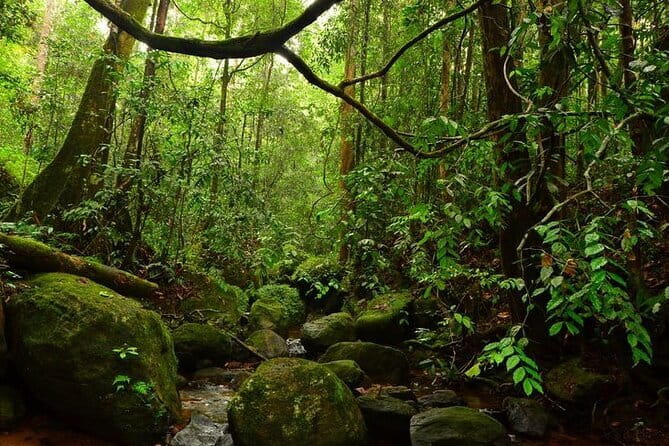
Day four is built for people who love photos but also want the “walk-up payoff.”
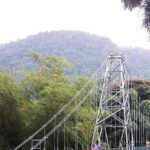
You start with the Nine Arches Bridge in the Demodara loop area. The tour info calls out the bridge’s measurements (about 91 meters long and around 24 meters high). The best part of a bridge stop like this isn’t just the structure—it’s the way it sits inside jungle and tea country, giving you layered views even when you stand in one place.
Next is Dunhinda Falls (about 63 meters). The name ties to mist: “Dun” translates to mist, and the waterfall is known for smoky ivory mist. If the day is humid or rainy, you’ll often feel that mist more than see it, which can be a plus if you like the atmosphere of misty viewpoints.
Then you take in Little Adam’s Peak. The “little” part matters: it’s not the massive pilgrimage mountain, but it mirrors the idea. The tour notes a similarity to Adam’s Peak (Sri Pada), linked to the sacred footprint of Lord Buddha in Sinhalese Buddhist tradition. That means you get spiritual context with a viewpoint payoff.
A practical tip: viewpoint time usually rewards good shoes. Even when trails are short, weather in hill country can shift fast.



Day 5: Kitulgala rafting intensity, then Mirissa beach downtime
This is one of the most interesting day combinations in the whole week: action first, then sea time.
You begin with Royal White Water Rafting in Kitulgala. The tour states there are 7 rapids across 5 major and 4 minor rapids, with grades 2 and 3—turbulent enough for a real thrill without going full extreme. Even if you don’t raft often, this kind of trip is a great way to feel the physical side of Sri Lanka’s rivers rather than just watching them from a road.
After rafting, you switch to the coast at Mirissa Beach. Mirissa is described as clear waters with a laid-back vibe, and it’s also mentioned as a personal favorite compared to other beaches they visited. That “contrast day” is exactly what keeps this tour from turning into a nonstop march of temples and monuments.
If you want to get value out of Mirissa, plan to slow down once you arrive. A beach stop works best when you’re not rushing to tick it off.
Day 6: Whale watching, Madu River safari, and Bentota water views
Day six is the “water day,” with two very different experiences.
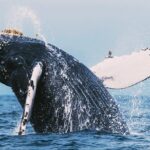
First is whale watching, with a listed government ticket price of about $19 per person. The plan mentions Blue Whale and humpback whales, plus dolphins. Whale watching can be hit or miss because it depends on conditions, but the tour’s approach is practical: you get a structured session (about three hours), not random wandering.
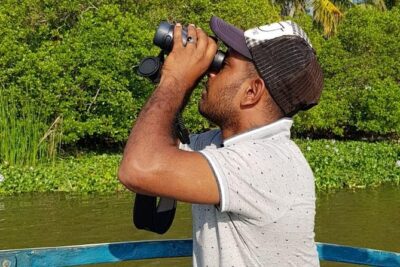
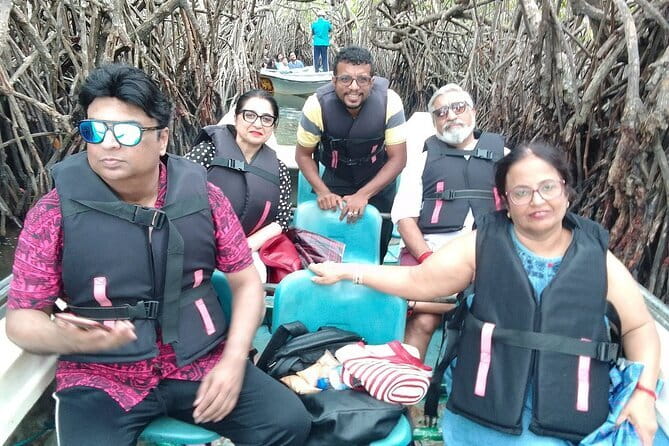
Then you go to Madu River Safari by Buddhi. The river originates near Uragasmanhandiya in the Galle District and widens into Madu Ganga Lake at Balapitiya. That kind of geographic framing helps you understand the “why” behind the scenery—this is not just a boat ride; it’s moving through connected waterways.
Finally, you end at Bentota Beach. The description emphasizes the “island encircled by the sea” feel, plus lakes and rivers that feed into water sports popularity. In other words, this is a good place to reset after boat time and still get ocean air without needing a long hike.
Day 7: Colombo highlights—Lotus Tower views and Pettah market energy
Your week ends back in the city, which makes a nice rhythm because you start with Colombo pickup and finish with Colombo sights.
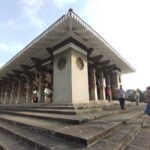
You begin at Independence Square in Cinnamon Gardens. It’s described as a monument, park, and walking area, plus a memorial hall and memorial museum. Even if you’re not a big museum person, these spaces are useful for understanding Colombo’s layout and mood.
Next is a quick stop at the Nelum Pokuna Mahinda Rajapaksa Theatre, described as a performance centre designed to showcase large-scale theatrical productions and honor national history through the arts.
Then comes one of the easiest “wow” stops: Colombo Lotus Tower. The tour info calls it 350 meters tall and notes it dominates the skyline. Tickets are listed by age category, and since the visit is about two hours, you can plan it as your city viewpoint moment without overcommitting.
After the skyline, you shift to spiritual and street-level culture with Gangaramaya (Vihara) Buddhist Temple. The tour credits scholar monk Hikkaduwe Sri Sumangala as a starting figure in the late 19th century. Temples like this are where Colombo feels lived-in rather than staged.
Finally, you hit Pettah, an older, multi-ethnic district described as crowded and busy, with a long stretch of shops starting from Olcott Mawatha. Pettah is the kind of place that doesn’t need you to “understand” it first—you just need comfortable shoes and a willingness to move with the flow.
What’s included (and where you may still spend)
Here’s what your plan says is included: an air-conditioned vehicle, private transportation, onboard Wi-Fi, water bottle, eSIM, and all entrance fees. You also get dinner (6) and breakfast (6).
Not included: food and drinks beyond what’s specified, plus optional activities. That matters most on days with activities that have separate listed prices, because you’ll want to confirm whether those are fully covered for your exact itinerary.
Budget-wise, I’d think of the included items as the “fixed costs” that keep you from constant small purchases: entry tickets, planned meals, and transport. Your extra spending is mostly about optional upgrades and any personal food choices outside the included meals.
The driver-guide experience: why this kind of private tour feels calmer
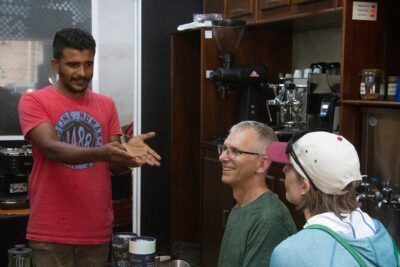
One of the most praised parts of this setup is service quality—clean vehicles, professional handling, and drivers who act like guides, not just chauffeurs. If you end up with a driver-guide like Deepanath, or a guide-driver such as Lal, the pattern is clear: clear explanations, local tips, and a willingness to suggest options so you control your day.
That flexibility is useful in Sri Lanka. Conditions change. Your interests change. Even how fast you walk matters. A good driver-guide helps you adjust without making you feel like you’re starting from scratch every hour.
I also like the practical vibe around safety and comfort. When you’re hopping between hill country, beaches, and city traffic, “safe and smooth driving” isn’t a luxury—it’s what lets you enjoy the sights when you arrive.
Practical tips so you enjoy every day (not just the highlights)
First, pack for weather swings. Hill country can feel cooler than the coastal areas, and changes can happen fast. Dress in layers so you’re comfortable in temples, viewpoints, and rafting gear prep.
Second, don’t over-plan your day outside the tour stops. This route is built so you can rely on the schedule for momentum. Your best results come when you let the driver-guide time the big moments.
Third, bring cash/card for any activities where pricing is listed separately and confirm what’s bundled. The plan shows prices for places like the Cultural Dance Show, plus rafting and whale watching tickets. Confirming ahead saves you stress on the ground.
Should you book this private 7-day Sri Lanka tour?
If you want a one-week highlights sweep that covers Sigiriya, Kandy, tea country, beaches, rafting, and whale watching without you building the whole route yourself, this is a strong pick. The value is in the included transport comfort, onboard Wi-Fi, and the way entrance fees and major meals are handled—so you’re not constantly negotiating logistics.
I’d skip it only if you want slow travel. This itinerary is designed to keep moving, and that packed rhythm may feel tiring if you hate back-to-back long days.
One more reason to feel confident: the tour offers free cancellation up to 24 hours before and can switch dates if weather ruins activities like whale watching. That gives you a safety net in a country where the sea and skies can decide your timing.
FAQ
FAQ
How much does the 7-day private guided tour cost?
The price is listed as $780 for the approximate 7 days.
What does the tour include?
It includes an air-conditioned vehicle, private transportation, onboard Wi-Fi, an eSIM, water bottle, all entrance fees, and dinner (6) and breakfast (6).
What is not included?
Food and drinks other than the specified meals, plus optional activities.
Where does the tour start?
It starts at Bandaranayake Intl Airport in Colombo, Sri Lanka.
Is this a private tour?
Yes. It’s a private tour/activity, and only your group will participate.
Is the tour dependent on weather?
Yes. The experience requires good weather, and if it’s canceled due to poor weather you’ll be offered a different date or a full refund.