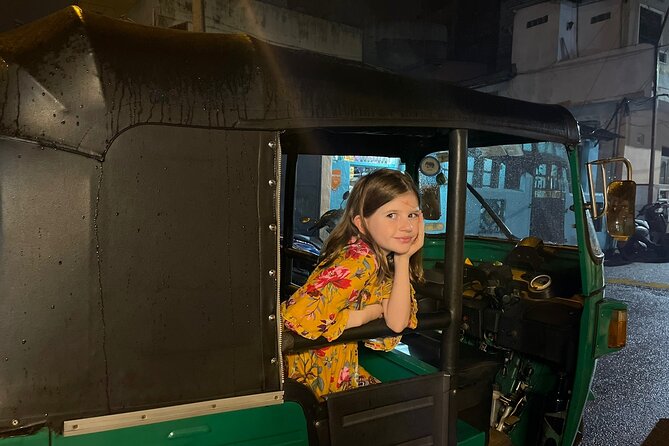
Colombo from a tuk-tuk feels like local time. This 3–4 hour ride pairs a quick hit of Colombo Fort Railway Station with the real street energy of Pettah, with a friendly driver-guide you can actually talk to. I like that the tour is built for convenience with pickup offered and a mobile ticket, so you spend less time sorting logistics and more time seeing the city.
My favorite part is the balance: you get a short, meaningful orientation moment at the Fort station, then you shift into the working-district chaos of Pettah. I also like the small group size (max 8), which keeps the ride from turning into a rush-through. The one drawback to plan around is that Pettah can feel crowded and intense, and the experience requires good weather, so you’ll want to dress for heat and expect street-level sights.
In This Review
- Key highlights to look for on this Colombo tuk-tuk ride
- Why this $20 tuk-tuk tour is good value in Colombo
- Colombo Fort Railway Station: a fast start with real meaning
- Pettah district: wholesale life, religion stories, and snack breaks
- How the driver-guide (often Sameer) improves the whole ride
- What the itinerary means for your day: timing and expectations
- Price check: how $20 stacks up with what you actually get
- Practical tips for riding in Colombo in a small tuk-tuk group
- Should you book the Colombo Tuk Tuk Tour?
- FAQ
- How long is the Colombo tuk-tuk tour?
- Does the tour offer pickup?
- What’s included at Colombo Fort Railway Station?
- Is admission required in Pettah?
- What group size is this tour limited to?
- What happens if the weather is poor?
Key highlights to look for on this Colombo tuk-tuk ride
- Fort Railway Station stop with admission included (about 15 minutes) to kick-start your Colombo context
- Pettah district focus on everyday commerce, wholesale activity, and the neighborhood pace
- Same-driver continuity (often Sameer) so you don’t waste time repeating yourself between stops
- Street-food-friendly routing—this ride is made for grabbing quick local snacks and drinks while moving
- Small group cap of 8 for easier conversation and better pace than standard bus tours
Why this $20 tuk-tuk tour is good value in Colombo
At $20 for roughly 3–4 hours, this isn’t a long-distance “big ticket” excursion. It works because you’re paying for two things that matter in a city like Colombo: local navigation and time. A tuk-tuk is slow enough to notice what cars miss, but fast enough that you’re not trapped waiting around for the next landmark.
You also get a couple of built-in value boosts. The first is the pickup offered option, which saves you the hassle of figuring out where to meet and how to get started on time. The second is the ticket setup: you’ll have a mobile ticket, and one of the stops—Colombo Fort Railway Station—includes admission. That means part of what you’re paying for is already accounted for, not just “a ride and a hope.”
One more practical point: the tour caps at maximum 8 travelers. In Colombo, that matters. Fewer people means the driver-guide can adjust on the fly—turning a normal street moment into a quick explanation, slowing down when you’re trying to photograph something, and giving you space to ask questions without a hard group schedule.
If you’re on a tight schedule (or you just don’t want another checklist tour), this format fits. And if you’re the type who likes to watch daily life—markets, storefronts, religious buildings, and street corners—this ride is built for you.
You can also read our reviews of more tours and experiences in Colombo.



Colombo Fort Railway Station: a fast start with real meaning
Your first stop is Colombo Fort Railway Station, about 15 minutes, and admission is included. This is not just a pretty building for photos. It’s a landmark tied to the way rail lines shaped the city—one of the main starting points for Sri Lanka’s railway network.
So what do you actually do in that short window? You’ll get a quick orientation that gives context before you head into Pettah. It’s the kind of stop that helps you read the city better. Instead of wandering into the market district with zero background, you start with a landmark that connects Colombo’s growth to transport and trade.
This stop also works as a “settle in” moment. A tuk-tuk ride through Colombo streets can be a lot at once. The Fort station gives you a small pause where you can reset, take a few photos, and get your bearings fast—especially if it’s your first day in town.
Potential drawback: because time here is limited, don’t expect a long museum-style visit. If you want deep study, you’d do that on your own later. Here, the goal is to set the stage so the rest of the ride hits harder.
Pettah district: wholesale life, religion stories, and snack breaks
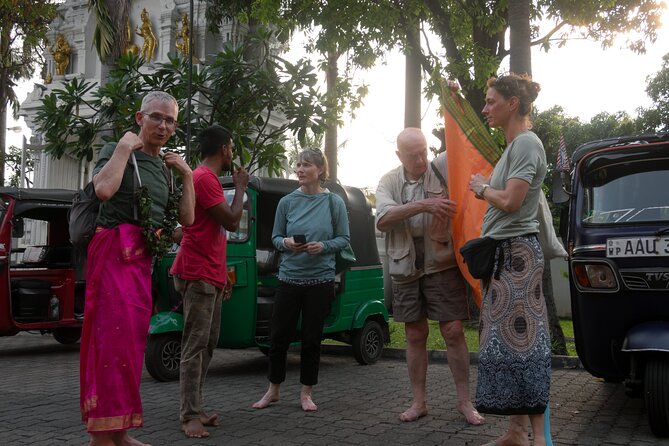
Pettah is where Colombo shows its day-to-day personality. This area is known as a business hub for wholesale activity, and it’s also where you’ll see hardworking people moving goods, prices, and conversations from stall to stall. The tour spends about 1 hour here, with admission listed as free for this segment.
This part is fun because it’s not trying to be polite. It’s trade and traffic mixed together—spices, food ingredients, textiles, and everyday essentials. Even if you’re not shopping, walking this kind of street gives you a better sense of how the city feeds itself and how commerce actually looks when it’s working.
Here’s where the driver-guide really changes your experience. In this tour, the guide isn’t just driving. They’re explaining what you’re seeing—how neighborhoods function, how religions show up in daily life, and how people live around the market energy. One of the themes that comes through clearly is storytelling about Colombo: the kinds of places you’d miss on your own, plus the meaning behind religious sites you pass.
And yes, there’s room for food and drink along the way. The ride is designed so you can take short breaks for street snacks while you’re still moving through the area. That’s a big deal in Colombo, because eating like a local is one of the most satisfying ways to understand a place. You don’t have to plan a separate food tour—this route is set up for it.
Practical consideration: Pettah can feel crowded, especially if you’re sensitive to tight spaces or lots of visual noise. If you prefer quiet sightseeing, you might find the market district intense. If you like energy, it’s the best part.
How the driver-guide (often Sameer) improves the whole ride
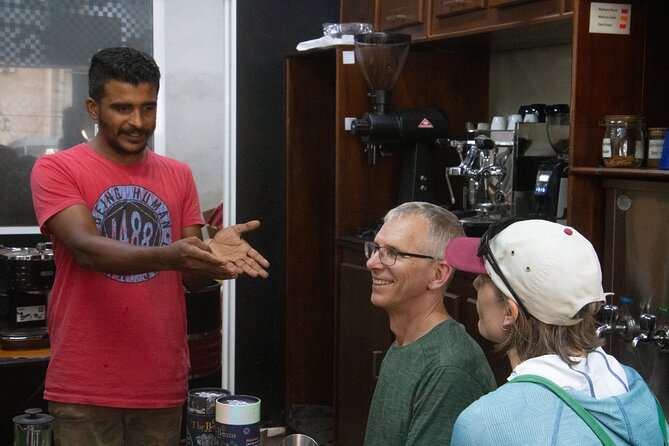
This tour’s reputation comes from the guide experience. A name that shows up again and again is Sameer—praised for punctual, polite service, strong English, and making the ride feel safe and relaxed. More than that, the best part is practical: he doesn’t just talk at you. He navigates you through streets you’d struggle with on your own and explains what you’re seeing in a way that makes it click.
The “real city” effect usually comes from two things: language and context. When your driver can describe what you’re looking at—what the district is known for, why certain places matter, what people do there—you stop treating the ride like transportation. It becomes interpretation.
Another subtle advantage: with a guide like Sameer, you’re more likely to get thoughtful detours when you want something specific. One example from the tour experience is stopping for items like jewelry when requested, with introductions to friendly local shop owners. That’s not a hard-sell shopping push; it’s about making connections so you feel less like an outsider on someone else’s street.
And because the group is capped at 8, the guide can keep communication going the whole time. You’re not shouting over a bus full of strangers. You can ask questions, adjust your pace, and get clarity before moving on.
What to watch for: the guide may be busy, which is why you’ll want to confirm your timing and be ready at the start time (the tour starts at 9:00 am). If you arrive late, it can throw off the flow.
What the itinerary means for your day: timing and expectations
Even though the ride includes just two listed stops, it plays out as a smooth half-day plan. The total time is about 3–4 hours, which is perfect for packing something meaningful into a day without exhausting you.
Think of it like this:
- Fort Railway Station (about 15 minutes) acts as your “Colombo background chapter.”
- Pettah (about 1 hour) is the “see it, taste it, understand it” chapter.
The rest of your time is the tuk-tuk ride itself—moving between places, making quick pauses, and absorbing street life. In a city like Colombo, travel time is not dead time. It’s part of the experience. You’ll notice the pace changes as you shift from iconic transport space to working-market streets.
If you’re the type who likes to keep your schedule flexible, this duration helps. You can do it in the morning and still have energy for a longer afternoon activity. Or you can do it early evening if that’s an option in practice, though the start time provided here is 9:00 am.
If you’re trying to squeeze it between other tightly timed appointments, give yourself breathing room. Street conditions can shift, and the tuk-tuk pace is part of the fun.





Price check: how $20 stacks up with what you actually get
Let’s talk value without hand-waving. For $20, you’re getting:
- a tuk-tuk tour in central Colombo for about 3–4 hours
- pickup offered (when selected)
- a mobile ticket
- a small group (max 8)
- admission included at Colombo Fort Railway Station
- a free-entry segment in Pettah
Now compare that to what you’d pay for a standard city tour where you might spend most of your time sitting in traffic and getting rushed through photo stops. Here, you’re paying for movement plus explanation, with time spent in the parts of Colombo that are hardest to understand if you go alone.
Does it cost more than DIY wandering? Sure—if you’re only valuing “transport.” But if you’re valuing “time saved + local context + safe guidance,” it becomes a fair deal fast.
One more angle: street food and drinks are part of the experience concept. You’re not forced into a formal meal, so you can keep costs controlled while still tasting your way through the day. That flexibility is exactly why this type of tour works for a wide range of budgets.
Practical tips for riding in Colombo in a small tuk-tuk group
A few simple things will make your ride smoother.
- Bring light layers and water. Pettah is the kind of place where you’ll be standing and walking through hot, active streets.
- Wear comfortable shoes. Even if the tuk-tuk does the heavy lifting, you’ll still step around market sidewalks.
- Go with a curious mindset. This tour is built around explanations and local stories, not just looking at signs.
- Plan for crowds and close quarters in Pettah. If you’re easily stressed by tight spaces, keep your expectations realistic.
- Be ready for the 9:00 am start. The tour is scheduled, and being on time helps the guide keep a relaxed pace.
Weather matters too. The experience requires good weather. If it’s canceled because of poor conditions, you’ll be offered a different date or a full refund. That’s a comfort feature when you’re traveling on a short itinerary.
Should you book the Colombo Tuk Tuk Tour?
If you want a Colombo day that feels human—street-level, talkable, and shaped around local life—this is an easy yes. The mix of Colombo Fort Railway Station (fast history context) and Pettah (real commerce and neighborhood energy) is a smart pairing for first-timers who don’t want the city filtered through only famous spots.
Book it especially if:
- you like asking questions and getting local explanations
- you want a guided way to handle Pettah without feeling lost
- you’re working with a half-day window
- you value small-group pacing (max 8)
Skip it or rethink it if:
- you want a quiet, low-stimulation sightseeing day
- you’re hoping for a long, detailed walkthrough at major sites
- your schedule can’t flex if the tour is affected by weather
FAQ
How long is the Colombo tuk-tuk tour?
The tour runs about 3 to 4 hours.
Does the tour offer pickup?
Pickup is offered.
What’s included at Colombo Fort Railway Station?
At Colombo Fort Railway Station, admission is included, and the stop is about 15 minutes.
Is admission required in Pettah?
Admission is listed as free for the Pettah segment.
What group size is this tour limited to?
This experience has a maximum of 8 travelers.
What happens if the weather is poor?
This experience requires good weather. If it’s canceled due to poor weather, you’ll be offered a different date or a full refund.