Leopards at dawn make early mornings worth it. The Yala National Park guided safari runs about 4 to 5 hours and is built around spotting predators early, using 4×4 Toyota Land Cruisers for better viewing and safety on rough ground. You also get a real guide effort to position the jeep for the best angles when animals are moving.
Two things I like a lot: the early 5am start (before the park opens at 6am) and the fact you’re in a purpose-built safari vehicle, not some cramped ride that beats you up on the tracks. One consideration: the advertised safari price is only part of the cost, because the Yala entrance fee is not included and it adds up fast.
In This Review
- Key things to know before you go
- Yala’s 5am rhythm: why the timing matters
- The 4×4 Toyota Land Cruiser setup on rough terrain
- How the half-day safari plays out inside the park
- Stop 1: Yala National Park (the main event)
- Price and logistics: getting real about the total cost
- What you can expect from the guide and driver
- The cleanliness and cancellation issues to plan around
- Vehicle cleanliness can make or break comfort
- Weather cancellations happen, and you’ll want flexibility
- Conservation and the “why” behind the safari
- Who this safari is best for
- Should you book this Yala National Park safari tour?
- FAQ
- What’s included in the Yala safari package?
- Is the Yala National Park entrance fee included in the $30 price?
- What time does the morning safari start?
- How long is the safari?
- Do I get a mobile ticket?
- Does the tour offer hotel pickup?
- What happens if the weather is bad?
- How soon can I cancel for a full refund?
Key things to know before you go
- 5am start for morning sessions to get in early, with the gates opening at 6am
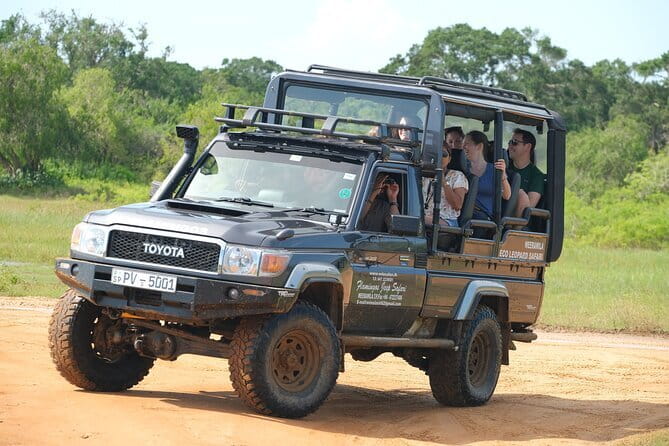
- 4×4 Toyota Land Cruisers designed for comfort, viewing, and safety off-road
- Binoculars included so you can actually track animals up close
- Leopard-first strategy with focused tracking in the first stretch
- Late-evening safaris are an option if you prefer cooler light and different animal rhythms
- Small-group feel with tailored service, plus group discounts when available
Yala’s 5am rhythm: why the timing matters

Yala works better when you arrive before the day gets loud. The morning safari starts at 5am, so you’re already heading into the park while the place is still quiet and the air tends to feel calmer. Since the gates open at 6am, that early window helps you gain time for positioning and tracking.
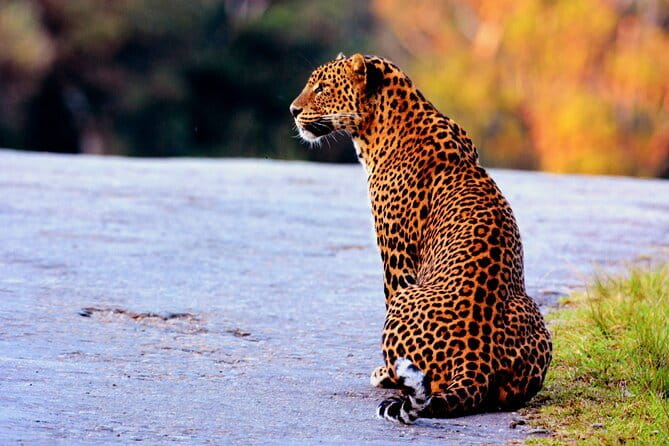
This tour also centers on a practical hunting approach: leopards can be hard to spot, so you’re not just waiting for luck. The plan is to spend the first part of the ride tracking them, then broaden out into other wildlife once your leopard focus has had its best shot.
If you choose the late-evening option (offered by the same style of safari), expect a different mood and lighting. You’ll still be working with guides who know how animals tend to move as the day cools.
You can also read our reviews of more tours and experiences in Southern Province.
The 4×4 Toyota Land Cruiser setup on rough terrain
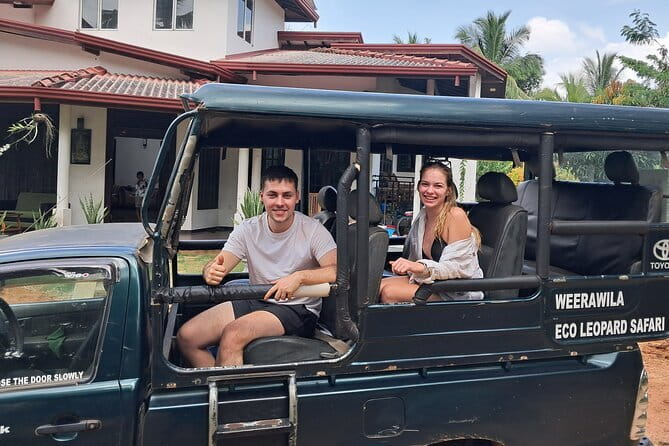
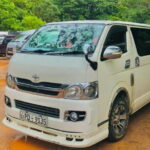
I like that this safari service uses modified Toyota Land Cruisers. That matters in Yala because roads can be rocky and the ground can be unpredictable, so the vehicle has to do more than just “get you there.” The overview also emphasizes comfort and safety for rugged conditions, which you’ll appreciate once you’re seated for a few hours.
You’ll also notice the driver discipline. In safari terms, that means smoother handling and fewer reckless moves when you’re trying to watch animals, not bounce around blindly. It’s a small thing until you’re the one trying to track movement across scrub at dawn.
The tour includes binoculars, which is a real value add. Even when you’re close, animals can be partly hidden, and binoculars help you identify what you’re seeing without constantly guessing from a distance.
How the half-day safari plays out inside the park
Your morning session is structured in a way that keeps your eyes busy. You’ll start with the jeep heading out into Yala right after pickup, then the safari time is guided and intentional rather than random wandering.
Stop 1: Yala National Park (the main event)
This is the whole show. You join the safari in Yala National Park for about 4 hours total for the core experience time (with travel time included in the full duration estimate). The schedule is built around two stages: a leopard-focused tracking period, followed by a broader wildlife search.
The first two hours: leopard tracking effort
The plan is to focus on tracking leopards during the first part of the safari. The logic here is simple: if you want a chance at one of Yala’s headline animals, you spend your best viewing time looking for signs and movement rather than just driving until something appears.
You’ll be in off-road capable vehicles that can follow the rhythms of the habitat. The driver knowledge matters too, since the guide system is built on the idea that they know the park routes and the kinds of areas where sightings can happen.
Practical takeaway: if you’re the type who needs a plan, this structure will feel better than a loose “drive and hope” safari.
After that: other wildlife around the leopard hunt
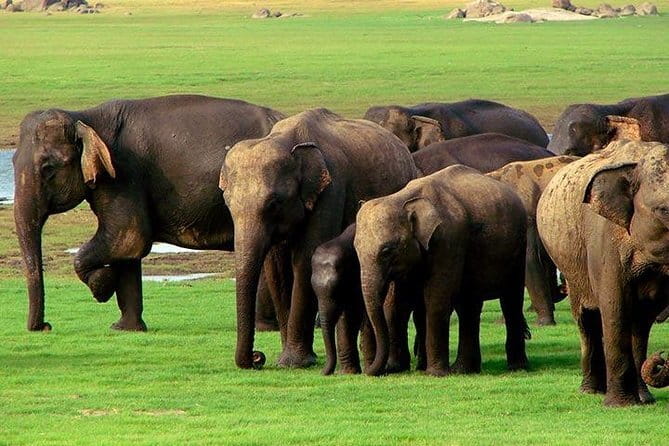
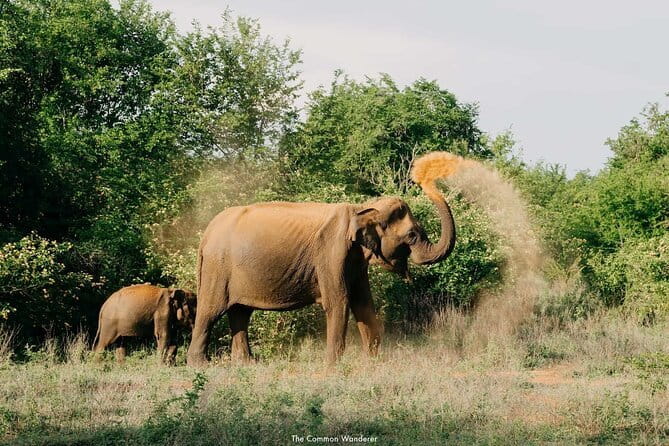
Once the leopard quest has had time to work, the safari shifts to show a wider spread of animals. The experience description specifically calls out Asian elephants, sloth bears, and wild boars as part of the search.
This is where you start learning the park’s pattern. Even when the leopard doesn’t pop into view, you still get a chance to see how Yala supports different species living in the same space—elephants moving differently than bears, and boars leaving their own clues in vegetation.
A small note: the description lists wildlife you might see, but wildlife viewing is never guaranteed. The value is in how efficiently the safari time is used.
Price and logistics: getting real about the total cost
Here’s the math that actually helps you decide.
The safari price is $30 per person, but the Yala National Park entrance fee is not included. The entrance fee is listed as $45 for adults, with half price for children. So for an adult, you should budget about $75 before tipping.
Is that worth it? For many people, yes—because you’re paying for a guided 4×4 safari experience with pickup, driver/guide support, and binoculars. The low base safari price can feel like a bargain, but the entrance fee is the bigger ticket item you must account for early.
Also keep in mind tips. The tour does not include driver/guide tipping, so plan for that extra cost. If you’re traveling on a tight budget, this is where you’ll feel the biggest difference between a “cheap tour” headline and the true all-in price.


What you can expect from the guide and driver
This safari is built around discipline and good spotting skills. The overview stresses that guides are experts in wildlife spotting and that drivers are courteous and experienced on rugged terrain.
Even without knowing a specific guide name ahead of time, you can judge the quality once you’re there. Good guiding usually shows up in how the driver handles positioning when something appears—less sudden movement, more quiet focus, and a steady pace that helps you scan the habitat.
One more practical point: the overview says the guides position jeeps for the best photographic angles. That can matter even if you’re not a “serious photographer.” Better angles often mean you can actually see what the guide is pointing out without craning and losing time.
The cleanliness and cancellation issues to plan around
The overall rating is strong, and most of the experience comes down to wildlife luck plus guide skill. But two negatives from real experiences are worth taking seriously because they affect comfort and reliability.
Vehicle cleanliness can make or break comfort
One report describes a jeep that was incredibly dirty, with an oily black substance on the floor. That kind of detail matters because you’ll be sitting for hours with your bag on the floor and your legs close to surfaces.
What to do: when you step into the vehicle, take 30 seconds to scan the floor area. If it’s not clean, ask for a different spot or request the crew to wipe it down. If you’re lucky, you’ll never think about it again—if you’re not, you at least handled it early instead of stewing for the entire safari.
Weather cancellations happen, and you’ll want flexibility
Another report notes the trip was canceled due to severe weather and heavy rainfall, and the group was left without a backup plan. That’s not ideal, but it matches the reality of wildlife safaris: the park “requires good weather,” and the safety of vehicles and roads can force cancellations.
What I suggest: don’t book this if your whole itinerary is locked in stone for that day. Keep at least one low-pressure option available nearby, and when weather looks questionable, confirm status as early as possible.
The tour provider states that if it’s canceled due to poor weather, you’ll be offered a different date or a full refund. Still, having a flexible mindset will save you stress.
Conservation and the “why” behind the safari
The service also mentions sustainable tourism and eco-friendly practices, plus support for conservation efforts. You don’t need a lecture to benefit from that. The practical part is that responsible operators tend to run better, safer operations, use appropriate vehicle behavior, and treat wildlife viewing as more than just a checklist.
Even if you’re just there for leopards, this kind of framing tends to shape how the safari is conducted: less reckless driving, more patience, and less crowding around sensitive areas.
Who this safari is best for
This is a good fit if you:
- Want a focused leopard-first safari plan rather than a wandering drive
- Prefer a guided experience with hotel pickup and a 4×4 vehicle
- Like the idea of early light and a head start at 5am
- Appreciate practical add-ons like included binoculars
It can also suit a range of travelers since the tour notes that most travelers can participate. If you’re sensitive to long sitting on uneven terrain, you’ll want to bring your own comfort mindset (and double-check that the vehicle setup feels stable before you fully settle in).
Where it’s less ideal: if you need absolute certainty for that exact day regardless of weather, you may feel the pain of cancellations when storms hit.
Should you book this Yala National Park safari tour?
I’d book it if you’re comfortable planning with wildlife reality in mind and you’re okay paying the all-in cost of safari + entrance fee. The combination of hotel pickup, a 4×4 safari vehicle, binoculars, and a leopard-focused first stretch makes it a strong value for Yala specifically.
I’d also give it a quick “quality check” before you’re too settled—especially on vehicle cleanliness—because one bad jeep experience can turn the whole day sour. And if rain is in the forecast, build in flexibility so a weather cancel doesn’t ruin your itinerary.
If you want my simple rule: go for it when you can afford the entrance fee and you can be adaptable on timing. That’s when this safari format has the best chance to pay you back with real wildlife moments.
FAQ
What’s included in the Yala safari package?
The tour includes free hotel pick-up and drop-off, an experienced tour guide/driver, a 4×4 safari vehicle, and binoculars.
Is the Yala National Park entrance fee included in the $30 price?
No. The entrance fee is not included. The listed fee is $45 for adults, and half price for children.
What time does the morning safari start?
The morning session starts at 5am, before the park gates open at 6am.
How long is the safari?
The duration is about 4 to 5 hours (approx.), and the total duration includes travel time.
Do I get a mobile ticket?
Yes. The experience includes a mobile ticket.
Does the tour offer hotel pickup?
Yes. Free hotel pick-up and drop-off is included.
What happens if the weather is bad?
This experience requires good weather. If it’s canceled due to poor weather, you’ll be offered a different date or a full refund.
How soon can I cancel for a full refund?
You can cancel up to 24 hours in advance for a full refund. For a full refund, you must cancel at least 24 hours before the experience’s start time.