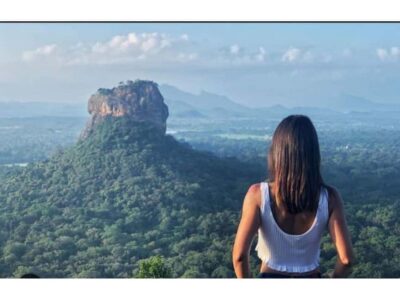
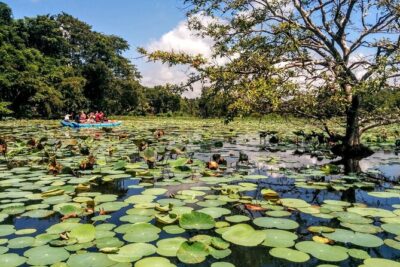
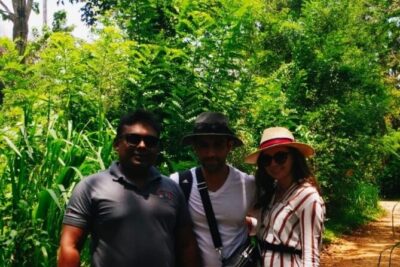
This Dediyagala Village Tour feels like southern Sri Lanka up close: village paths, tea-country views, and a rainforest trek that can include a refreshing river bath. I especially like the simple welcome moment—either tea or king coconut—and the way you get to eat home-cooked, home-spiced lunch as part of the day’s rhythm.
One thing to think about: the day includes walking and time outdoors, and the experience requires good weather, so muddy footing and slippery spots are possible. Also, bottled water isn’t included, so plan to carry something or budget for it nearby.
In This Review
- Key moments that make this tour worth your time
- Getting to Dediyagala: south-coast pickup, small-group feel
- Starting in the village: tea or king coconut and an easy rhythm
- Walking the village and doing hands-on activities
- Entering the forest reserve: trekking time and what to watch for
- The river bath: when it happens and how to be ready
- Lunch with home-made spices: tasting the village from inside
- Tea factory and kithul trickle: optional add-ons that change the day
- Coffee at the end: finishing at a home, not a highway stop
- Price and value: what $45 buys you in real terms
- Who should book this Dediyagala Village Tour (and who might not)
- Should you book this Dediyagala Village Tour?
- FAQ
- How long is the Dediyagala Village Tour?
- What does the tour price include?
- Is pickup available from the south coast?
- Is bottled water provided?
- Can I choose what to do during the village and forest parts?
- Does the tour depend on weather?
Key moments that make this tour worth your time
- Tea or king coconut welcome: you choose your drink at the start, setting the tone right away.
- Village walk with real daily details: paddy fields, tea areas, small hills, and hands-on village activities if you want them.
- Forest reserve rain-trek: a walk through the rain forest, with chances to spot birds and even some wild animals.
- A river bath at the midpoint: the water comes from the forest area, and it’s built into the flow of the tour.
- Lunch timed around your experience: you can usually choose to eat after the river bath or back at the home.
- Optional factory add-ons: before Dediyagala, you can arrange a tea factory and/or kithul trickle visit if you like.
Getting to Dediyagala: south-coast pickup, small-group feel
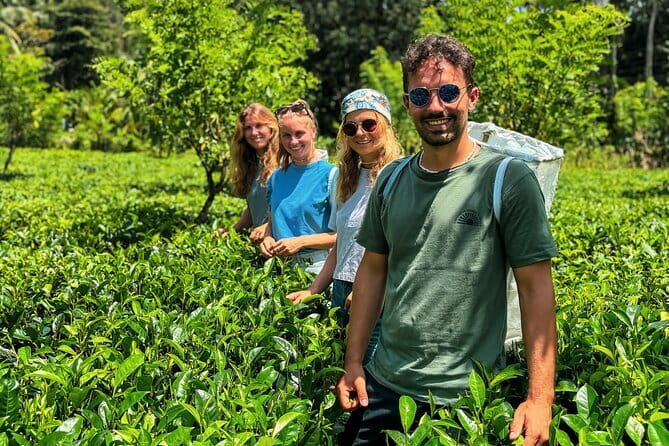
This tour is built for a relaxed day, not a sprint. Expect about 6 hours, with a maximum of 6 travelers, so it doesn’t feel like you’re being herded from one photo stop to the next. There’s a certified guide and private transportation, plus a mobile ticket to keep check-in simple.
You’ll see the tour marketed from the south coast—Galle, Mirissa, Ahangama, and Matara—and pickup is offered. The official start/end point listed for the activity is the Bus Stand – Akuressa, so in practice, your driver will likely collect you and position you for that route. If you care a lot about a smooth pickup, message ahead and confirm your exact meeting/pickup point.
Two practical notes that matter more than you’d think:
- The tour does not specify bottled water, and it’s not included. If you’re the type who gets cranky without water, bring it or plan to buy it.
- The vehicle may or may not be air-conditioned depending on options selected. If you’re sensitive to heat, confirm what you’re getting when you book.
You can also read our reviews of more tours and experiences in Southern Province.

Starting in the village: tea or king coconut and an easy rhythm
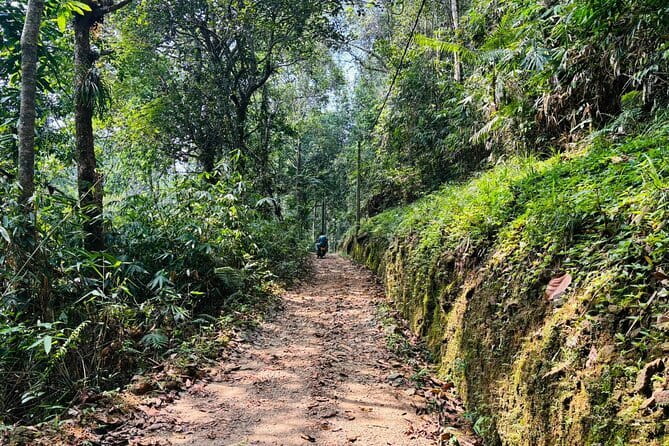
The day starts with a welcome drink—either tea or king coconut, based on your choice. That’s more than a nice touch. It helps you settle into the pace before you start walking, and it puts you in “local day mode” instead of tourist mode.
After the welcome, you head out on foot for a village walk. This is where Dediyagala’s charm comes through: you’re not just looking at a place, you’re moving through it. You’ll pass paddy fields, tea-related areas, and small hills, and your guide can shape what you focus on as you go.
If you’re traveling with people who like variety, this is a good match. You’re getting village color (everyday life), plus a sense of the surrounding countryside.
Walking the village and doing hands-on activities
The tour is built around seeing village daily life and, if you want, participating in it. You can expect options like:
- Tea plucking
- Cinnamon making
- A cookery lesson
Not every activity will be possible for every group every day, but the structure is there: you choose what you’re comfortable trying. I like this flexibility because it lets you match the experience to your energy level. If you’re tired, you can stick to walking and observing. If you want to learn, you can add the hands-on bits.
You may also pick up small details that don’t happen on a bus tour: how tea work fits into the day, how spice preparation connects to cooking, and what village life looks like beyond the main roads.
And one more thing: you might spot wild animals and birds during the walk. It’s not a guarantee, but it’s the kind of “small surprise” that makes a nature-and-village day feel alive.
Entering the forest reserve: trekking time and what to watch for
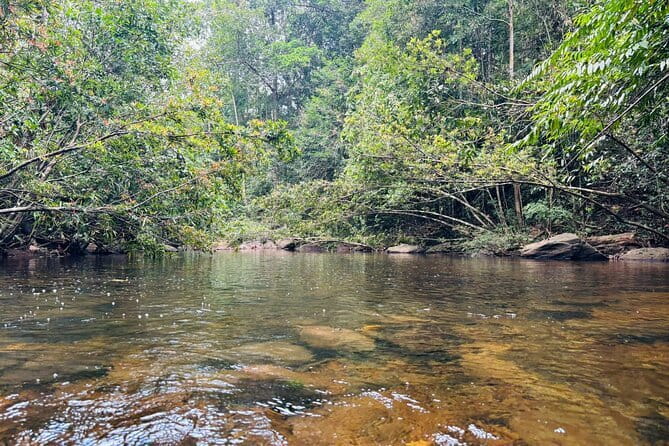
After the village portion, you move into the forest reserve for a rainforest trekking tour. This is the heart of the experience for a lot of people, and it’s where Dediyagala feels different from a standard tea stop.
What you’re really paying for here is a guided, on-the-ground walk—someone who can point things out as you go. One of the best parts is that it’s not just “walk and look.” You’re learning how this environment works and what native life looks like in real time.
During this part of the day, you’ll also likely get moments that feel spiritual and quiet. The area can include time near a monastery/temple during the walk, depending on how the day is planned and what’s accessible. Even if you’re not seeking religion, these stops create a pause in the middle of moving through dense greenery.
The river bath: when it happens and how to be ready
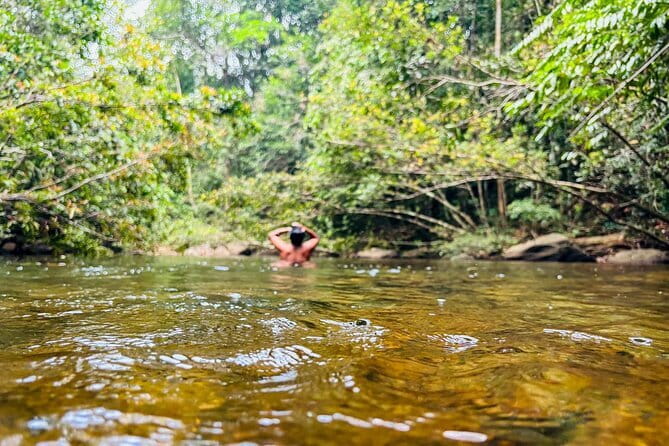
Midway through the forest trek, you can experience a bath in the river, with water described as starting from the forest and being pure and untouched. This is one of the most memorable segments, because it turns “nature viewing” into real, sensory relief.
A few practical tips that will help you enjoy it:
- Wear footwear that can handle damp ground. Trails can get slick.
- Bring a change of clothes and a small towel if you plan to swim.
- Pack light, but don’t ignore basics like sun protection.
The tour can arrange lunch timing around the bath, which is a big deal. If you want the freshest-feeling day, do the river bath first and plan to eat right after.




Lunch with home-made spices: tasting the village from inside
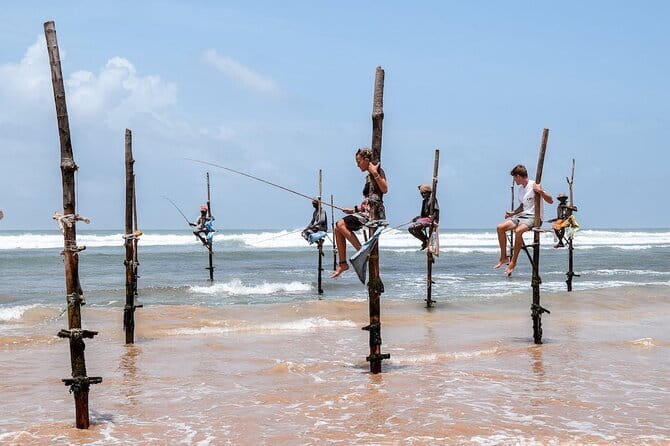
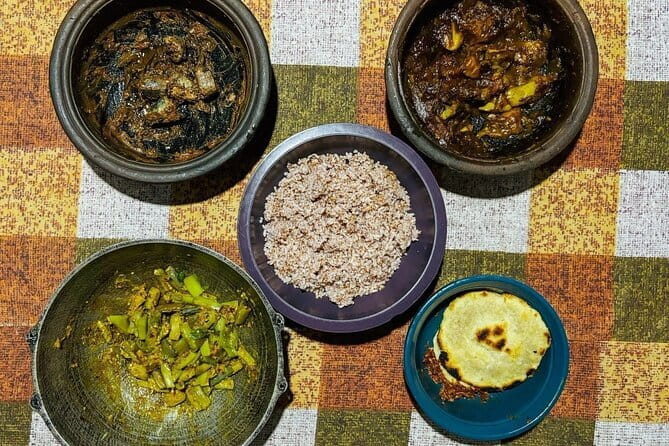
Lunch is included and served as home-made traditional foods made with home-made spices. This part matters because it connects the experience to what people actually cook and eat, not just what tourists are served.
You get a choice in timing:
- Lunch after the bath inside the forest if you prefer that flow
- Or lunch at a home if that fits better
That flexibility is smart. If the idea of walking, cooling off, and then eating sounds perfect, you can shape your day that way. If you’d rather keep the river portion simple, you can adjust and eat after you return.
From a value perspective, this meal is doing heavy lifting. Many tours charge extra for a “local lunch,” but here the lunch is part of the core package—tied directly to the village-and-nature story.
Tea factory and kithul trickle: optional add-ons that change the day
Before coming to Dediyagala, the tour can arrange two factory visits for an extra layer of context—especially if you’re curious about what’s behind the greenery.
You can set up:
- A tea factory visit
- A kithul trickle factory visit
Whether you do both (or only one) depends on your preferences and what’s possible on the day. I like having the option because it gives you a more complete view: how nature becomes everyday products, and how local processing supports rural life.
One practical consideration: factory visits can add time and change your schedule slightly. If you’re the type who hates tight timelines, tell your guide you want more walking and less rushing, and they’ll likely guide the pace.
Coffee at the end: finishing at a home, not a highway stop

After returning from the forest to the village, the day ends with coffee at the home. It’s a small ritual that makes the tour feel like a visit to people, not a checklist.
This ending also helps you decompress. You’ve been walking, maybe swimming, and then tasting village food. A quiet cup of coffee gives the whole day a natural close.
Price and value: what $45 buys you in real terms

At $45 per person for about 6 hours, this tour is priced like a value-focused day, not a luxury excursion. Here’s what you’re getting for that money:
- Private transportation
- A certified tour guide
- Coffee/tea plus a welcome drink
- Lunch
- The village walk + rainforest trek (with optional activities)
- A capped group size (max 6 travelers)
The biggest reason it feels like good value is the mix. You’re combining village life, nature time, and food—plus the option for factory visits. Many tours do one of these well and the rest is generic. This one tries to make the whole arc feel connected.
What can lower your perceived value? If you skip most of the optional activities and treat the day like a quick stroll, you’ll get less “payoff” from the hands-on parts. But if you’re even mildly curious and open to trying one extra activity (like tea plucking or a cookery lesson), the day clicks.
Who should book this Dediyagala Village Tour (and who might not)

This tour suits you if you want:
- A small-group, guide-led day in rural southern Sri Lanka
- Real walking and nature time (with chances to see birds and wild animals)
- Included traditional food made with local spices
- The option to try tea/cinnamon/cooking activities
It may not be your best fit if:
- You don’t like walking on uneven paths
- You’re not comfortable with outdoor conditions or a day that depends on good weather
- You prefer air-conditioned comfort for long stretches (air-conditioning isn’t guaranteed; it’s only if options are selected)
If you’re traveling with kids, it could work depending on their comfort with walking, but the river bath portion is likely the most demanding segment. Decide based on your group’s stamina and flexibility.
Should you book this Dediyagala Village Tour?
I’d book this if you want a day that feels like you’re stepping into daily life—tea culture, village routines, and rainforest nature—without feeling trapped in a rigid schedule. The welcome drink, the included home-spiced lunch, and the chance for a river bath are the kind of details that turn “a tour” into a story you’ll remember.
Skip it only if you want a purely sightseeing day with minimal walking, or if you know you won’t handle outdoor conditions well. Otherwise, it’s a strong choice for travelers coming from Galle, Mirissa, Ahangama, or Matara who want something more authentic than the standard coast stops.
FAQ
How long is the Dediyagala Village Tour?
The tour runs for approximately 6 hours.
What does the tour price include?
The package includes a welcome coffee and/or tea, lunch, private transportation, and a certified tour guide.
Is pickup available from the south coast?
Pickup is offered, and the activity starts at the Bus Stand – Akuressa. The tour ends back at the meeting point.
Is bottled water provided?
No. Bottled water is not included.
Can I choose what to do during the village and forest parts?
Yes. You can customize activities such as tea plucking, cinnamon making, and cookery lessons, and you can also choose whether the tour includes optional factory visits before Dediyagala.
Does the tour depend on weather?
Yes. The experience requires good weather, and if it’s canceled due to poor weather you’ll be offered a different date or a full refund.