Colombo can feel loud fast, but this market-to-kitchen day gives you real one-on-one instruction without losing the local flavor. What I like most is that the morning starts with choosing ingredients in a busy neighborhood market, then moves straight into hands-on cooking using clay pots, the kind Sri Lankan cooks still swear by. One possible drawback: the exact timing and how long you spend at each stop can shift with traffic and the market flow, so build in some patience.
You also get menu flexibility, which matters when you have preferences or stronger opinions about heat, texture, or what you want to learn. The overall pace works well for food lovers who like to understand both the why and the how, not just copy a dish. Still, if you’re hoping for fully vegan eating the whole time, check what’s offered—there’s buffalo curd with honey listed as part of the experience, even though the class itself is vegan.
In This Review
- Key things that make this class worth your time
- Vegan Cooking Meets Colombo Market Life in 5 Hours
- The Villa Base and How the Class Sets You Up
- Colombo Market Walk: Picking Vegetables and Spice Mixes
- What to watch for during your market time
- Clay Pot Cooking: Why Sri Lankan Pots Make a Difference
- Your Private Vegan Menu: Rice, Curries, Mallum, and More
- Choose your Sri Lankan rice
- Choose your Sri Lankan traditional curry
- Choose your mallum (leafy salad)
- Enhancers and extras
- A note about alcohol and drinks
- What You’ll Actually Do in the Kitchen (Not Just Watch)
- Price and Value: Is $80 Worth It?
- Timing, Location, and How to Plan Your Day
- Who Should Book This Vegan Cooking Class in Colombo?
- Should You Book This Vegan Cooking Class in Colombo?
- FAQ
- How long is the Vegan Cooking Class Colombo with Market Tour?
- Is this tour private?
- What time does the experience run?
- Where does the experience start and end?
- Is pickup included?
- What vegan or vegetarian options are available?
- What dishes can I choose to cook?
- What should I wear?
- What happens if weather is poor?
Key things that make this class worth your time
- Private chef instruction so your questions don’t get lost in the group
- Market tour focused on picking vegetables and spices the way local cooks do
- Clay pot cooking for tender results and slower, more forgiving heat
- Hands-on techniques instead of only watching
- Menu you can tailor based on your tastes and choices
- A small, local-beyond-the-headlines vibe with a rustic guide style
Vegan Cooking Meets Colombo Market Life in 5 Hours
This experience is built around a simple idea: you can’t really learn Sri Lankan flavors from a screen. You start by shopping for the right produce and spice ingredients at a local market, then you cook them in a home-style setup that feels practical and lived-in. The result is less “cookbook performance” and more a day you can actually repeat back home.
At around 5 hours, it’s long enough to feel satisfying but not so long that you’re stuck in the kitchen all day. That timing also suits people who want a cultural activity without turning their trip into a full-on workshop marathon.
You can also read our reviews of more tours and experiences in Colombo.



The Villa Base and How the Class Sets You Up
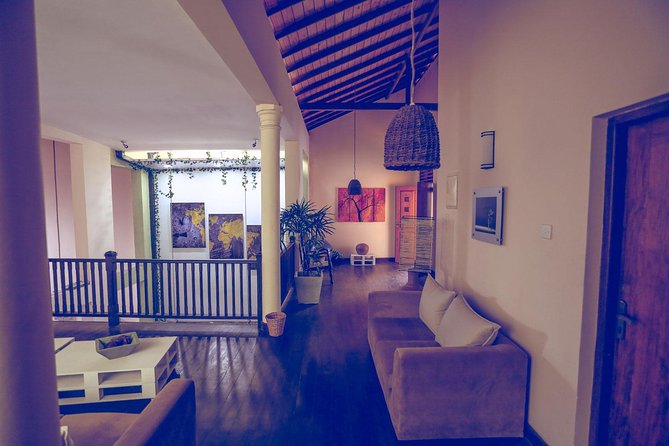
You’re met at a set Colombo meeting point and the experience ends back there, which keeps the plan tidy. From there, you’re welcomed with a freshly made fruit juice or herbal drink, then you transition to the villa kitchen area where you can reset before the market.
The villa location is described as being in Colombo’s green belt, walking distance to landmarks like the Sri Lankan Democratic Parliament and Immigration Office, with Diyawanna Lake nearby. Practically, that matters because it gives you a quieter pocket to think, chop, and cook—before heading into the market’s busyness.
One more small detail I appreciate: this is described as a private class, so you’re not squeezed into a corner with strangers while trying to ask about spice mixes and technique. In kitchens, that changes everything.
Colombo Market Walk: Picking Vegetables and Spice Mixes
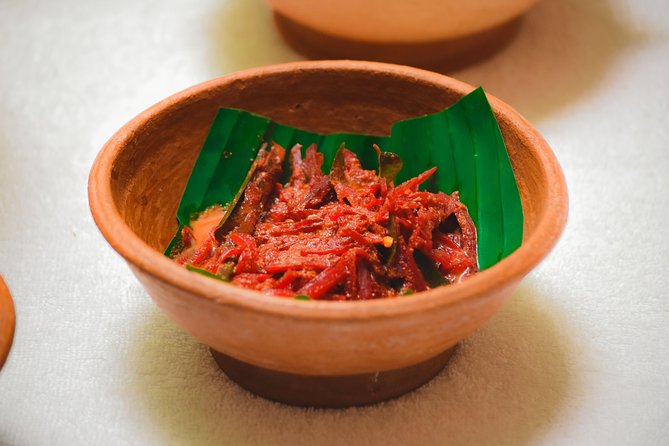
The market visit is where the trip turns from a cooking class into a food education. You’ll explore ingredients the way Sri Lankan home cooks do—especially vegetables and spices that are hard to match online. The value here isn’t just buying things. It’s learning the logic behind selecting them: what looks right, what smells right, and what works in Sri Lankan preparations.
The experience also highlights how Sri Lankan grandmas pick vegetables fresh for cooking. Even if you don’t think about it every day at home, fresh timing affects texture and moisture. That becomes visible later when you cook—especially if you’re using methods that rely on slow cooking and steam inside a pot.
If you’ve ever felt like online recipes fail because you can’t find the exact ingredients, this market stop is the antidote. You’ll get a real-world sense of what to look for, what substitutes might behave similarly, and which spice mixes are the heart of Sri Lankan flavor.
What to watch for during your market time
- Vegetable freshness matters for leafy salads and curries with tender chunks
- Spice mix character matters more than individual ground spices
- Local “style” choices can be subtle, even when dishes look simple
Clay Pot Cooking: Why Sri Lankan Pots Make a Difference
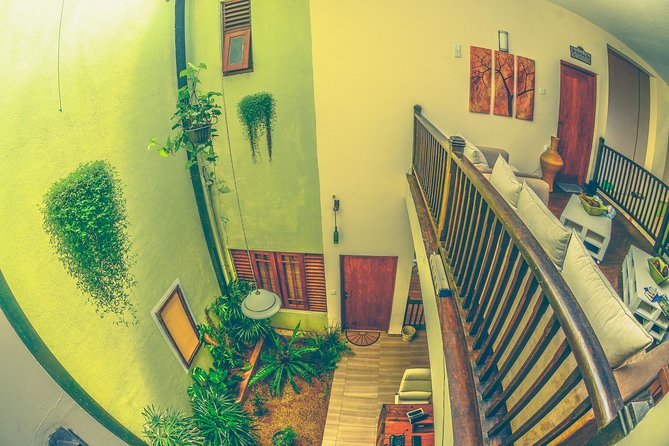
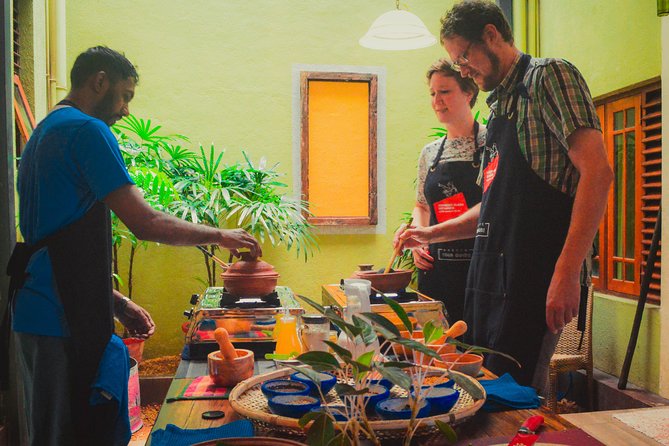
Then you cook, and the method is the point. You’ll use clay pots, described as well-seasoned and technically made, which can affect how food cooks through long, gentle heat. The key idea is moisture retention: clay pots have porous walls that absorb water, helping prevent food from drying out during slow cooking.
That matters for curry texture and for dishes where you want tender results without rushing. In plain terms, clay pot cooking gives you a bit of forgiveness. You’re less likely to overcook something into rubbery weakness because the heat and moisture behavior is steadier.
The experience also notes that clay pot cooking is linked to antibacterial and acidic moisture properties. I’m not going to oversell the science angle, but I do like that the tour frames clay pots as more than a gimmick. In this setup, the pot is part of the recipe’s backbone.




Your Private Vegan Menu: Rice, Curries, Mallum, and More
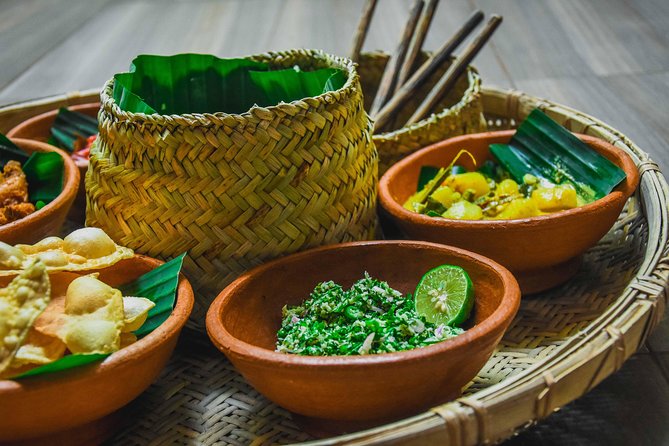
You’ll learn and enjoy a menu you can tailor—and that’s a big deal for value. Instead of being locked into one fixed set of dishes, you choose from options that reflect common Sri Lankan meal planning: rice types, curries, leafy salads (mallum), and enhancers.
Here’s how the menu is structured:
Choose your Sri Lankan rice
You can pick one:
- White Rice
- Yellow Rice
- Brown Rice
Rice choice changes the feel of the meal. Yellow rice tends to bring more aroma, and brown rice can feel more earthy and hearty.
Choose your Sri Lankan traditional curry
You can pick one:
- Sri Lankan Dhal curry
- Sri Lankan Coconut Sambol
- Sri Lankan Potato Curry
- Fried Mushroom
This lineup is vegan-friendly in the cooking focus, and it covers different flavor styles: lentil comfort, coconut-based balance, vegetable curry sweetness/savory depth, and mushroom texture.
Choose your mallum (leafy salad)
You can pick one:
- Gotukola
- Mugunuanna
- Gova Mallum
- Kankun Mallum
- Aguna Kola Mallum
Mallum can be surprisingly important in Sri Lankan meals because leafy components add freshness and a different bitterness/green note. Picking a specific mallum is also a great way to learn what each herb tastes like and how it behaves when paired with spicy curries.
Enhancers and extras
You’ll also taste buffalo curd with honey (listed as part of the experience) plus tea/coffee and tropical fruits. For vegans, this is the one point that requires attention. Since it’s explicitly listed, don’t assume it’s optional. If you’re strictly vegan, message the provider ahead of time and ask what can be swapped.
Papdum is also listed as an enhancer. That likely fits well with curries and gives you that classic Sri Lankan meal rhythm: curry + rice + crunch.
A note about alcohol and drinks
Bottled water is included, and coffee and/or tea is included. The experience also lists a local beer taste, but alcoholic drinks (beers) are marked as not included. So treat any beer as optional and confirm what you’ll actually receive when you book.
What You’ll Actually Do in the Kitchen (Not Just Watch)
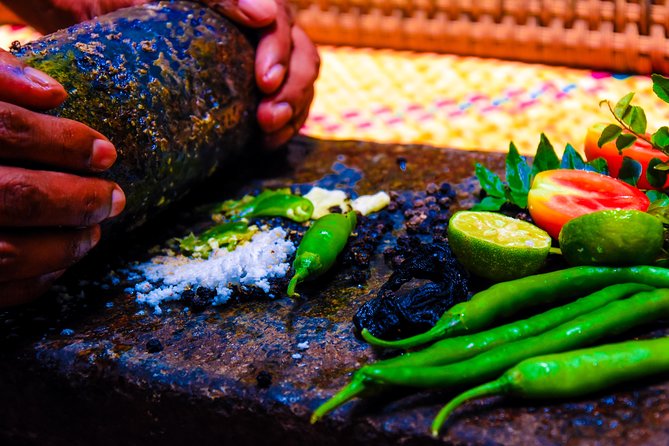
This is set up to be hands-on, not a performance class. The experience description emphasizes one-to-one instruction, and the class format is small enough that you get involved in multiple cooking techniques. That shows up in how the menu is designed: you’re not just making one dish and waiting.
You’ll also get help overcoming the language barrier as you navigate the market and cook. That’s important in Sri Lanka, where spice blends and ingredient names can vary by region and household. When instruction is personalized, you don’t feel lost when something is called by a local name.
One more practical benefit: having a chef who answers questions matters when you want to replicate results later. If you ever tried to recreate a curry and your spice mix didn’t behave the same way, you know why that matters.
Price and Value: Is $80 Worth It?
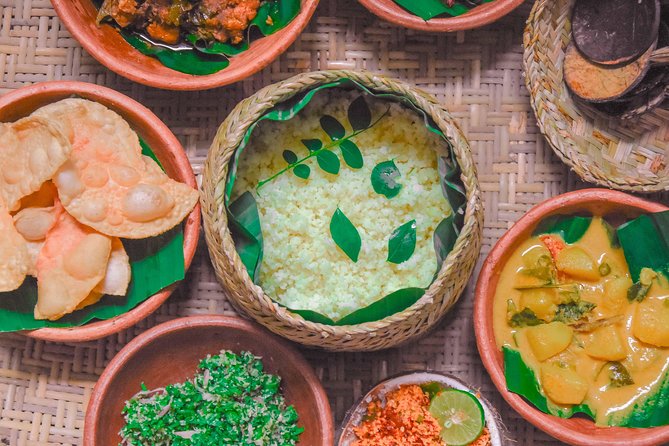
At $80 per person, this class sits in the “serious experience” category rather than a budget demo. But you’re paying for more than cooking time.
Here’s what you get that supports the price:
- Private instruction, not a shared class
- Market tour that teaches ingredient selection and flavor logic
- Clay pot cooking, which changes outcomes versus standard cookware
- A full meal-style learning plan: rice + curry + mallum + sides and fruits
Also, the experience is described as booking about 30 days in advance on average, which usually signals demand. In Colombo, that’s a sign you’re not just paying for a recipe—you’re booking access to a specific kitchen and guide setup.
If you’re traveling with a friend and want to learn together, private instruction can make the per-person cost feel more reasonable because you’re both getting active help. If you’re solo, it can still be worth it because you’re not competing for the chef’s attention.
Timing, Location, and How to Plan Your Day
This runs Monday to Sunday with opening hours listed as 9:30 AM to 3:30 PM, and it starts and ends at the meeting point. Your total time is about 5 hours, plus any market and cooking pacing changes from the local flow and traffic.
The experience notes dress code as smart casual. That’s practical advice: you’ll be moving around, likely handling ingredients, and you don’t want clothing that makes you nervous.
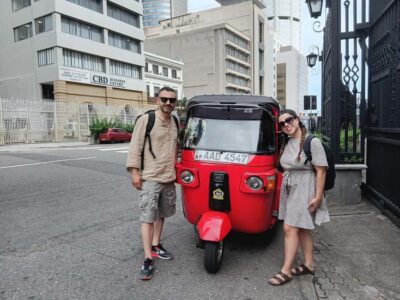
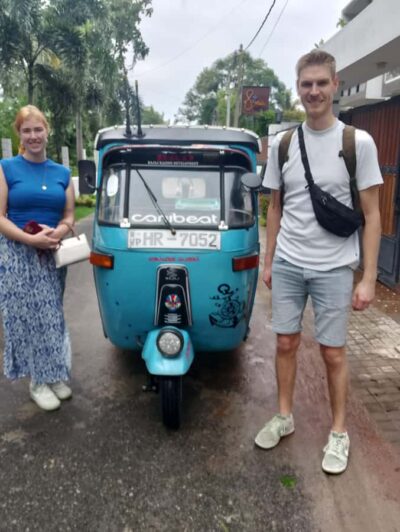
If you’re using public transport or hiring a tuk-tuk, give yourself a little slack to get to Kollupitiya. The meeting point is listed as Travel Footprint -Srilanka Kollupitiya (with a specific location code), so it’s fairly concrete where you should aim.
Pickup is mentioned as offered, but hotel pickup is listed as not included. In real life, that can mean pickup is limited or depends on your address. I’d treat pickup as “ask before you assume.”
Who Should Book This Vegan Cooking Class in Colombo?
Book this if you want Sri Lankan flavors in a way that feels repeatable. It’s especially good for:
- Vegans who want to learn Sri Lankan cooking techniques and ingredient logic
- People who care about spice mixes and what makes curries taste right
- Food lovers who enjoy market walks as much as the meal
- Travelers who prefer small, private instruction over a crowded cooking class
It may be less ideal if you’re very sensitive to any non-vegan items. Because buffalo curd with honey is listed, you’ll want to confirm what can be substituted.
Should You Book This Vegan Cooking Class in Colombo?
Yes, I’d book it if your goal is real learning: choosing the right produce and then cooking with the tools and methods that Sri Lankans actually use. The combination of a market visit, private guidance, and clay pot cooking gives you skills you can take home, not just photos.
You should pause before booking only if strict vegan purity is non-negotiable or if you’re likely to get stressed by schedule flexibility. When you confirm the exact menu components and ask about any optional items, the risk drops a lot.
FAQ
How long is the Vegan Cooking Class Colombo with Market Tour?
The experience lasts about 5 hours (approx.).
Is this tour private?
Yes. It’s a private tour/activity, and only your group participates.
What time does the experience run?
The listed opening hours are Monday to Sunday, 9:30 AM to 3:30 PM.
Where does the experience start and end?
It starts at Travel Footprint -Srilanka Kollupitiya, Colombo, and ends back at the meeting point.
Is pickup included?
Pickup is offered, but hotel pickup is listed as not included. It’s best to confirm what pickup means for your location when you book.
What vegan or vegetarian options are available?
Vegetarian options are available, and you can advise specific dietary requirements at the time of booking. The experience is described as a vegan cooking class, but some items like buffalo curd with honey are listed as part of the overall tasting, so confirm what will be offered for your diet.
What dishes can I choose to cook?
You can choose one rice (white, yellow, or brown), one traditional curry (dhal, coconut sambol, potato curry, or fried mushroom), and one leafy salad/mallum (options include gotukola, mugunuanna, gova mallum, kankun mallum, or aguna kola mallum). Papdum and tropical fruits are also listed.
What should I wear?
Dress code is smart casual.
What happens if weather is poor?
This experience requires good weather. If it’s canceled due to poor weather, you’ll be offered a different date or a full refund.