Two national parks in one long wildlife day. You get sunrise in Yala plus elephants in Udawalawe, all with hotel pickup from Tangalle, Hiriketiya, or Hambantota. It’s a big-distance day, but it’s built around prime viewing hours and a smooth rhythm: park, jeep, picnic, elephants, then more safari before sunset.
What I like most is the chance to do both Yala and Udawalawe in the same 14-hour stretch, instead of choosing one and missing the other. I also love the care that goes into the experience: an English-speaking private guide, an air-conditioned vehicle, and a picnic lunch that’s described as huge and very good. Guides named Ishan, Dylan, Tikiri, and Yashara are mentioned for being friendly, skilled, and willing to adjust stops for better sightings.
One drawback to weigh: the Elephant Transit Home visit can feel upsetting for some people. One detailed account describes a keeper using a wooden stick and yelling during feeding time, with the baby elephants appearing afraid. If you’re sensitive to animal-handling controversies, it’s worth thinking about before you book.
In This Review
- Quick hits worth knowing
- Tangalle to Yala: sunrise jeep safari logistics that matter
- Yala National Park at golden hour: what you’re actually hunting for
- Picnic lunch break: why the midday reset is part of the value
- Elephant Transit Home during feeding hours: a fascinating stop with a warning
- Udawalawe National Park from 3 PM to sunset: elephants, deer, and the long-wait payoff
- Comfort in the air-conditioned vehicle: the underrated part of a 14-hour day
- Price and entrance fees: is this worth $93 plus extras?
- Who this day trip suits best (and who should think twice)
- Should you book Shehan Safari Jeep Tours’ Yala + Udawalawe picnic trip?
- FAQ
- Are park entrance fees included in the tour price?
- What areas do you pick up from?
- How long is the safari day?
- What time window do you have in Udawalawe?
- Is there food included?
- What language is the guide?
Quick hits worth knowing
- Two parks, one day: you’ll chase wildlife in both Yala and Udawalawe instead of splitting it across separate trips.
- Golden-hours timing: Yala is planned for sunrise, then Udawalawe runs in the afternoon through sunset (park closes at 6 PM).
- Elephant-focused stop: a scheduled visit to the Elephant Transit Home during feeding hours.
- Comfort on the move: transport is in an air-conditioned vehicle, not a hot open-bus slog.
- Your guide actively steers sightings: several guides are praised for spotting animals and adjusting for closer looks.
- Entrance fees are extra: park entrance and service fees are not included (Yala is listed around 13,000 LKR / ~40 USD).
Tangalle to Yala: sunrise jeep safari logistics that matter
This is a true full-day format. Your day starts with pickup from your hotel area—Tangalle, Hiriketiya, or Hambantota—then you ride in an air-conditioned vehicle toward Yala for the morning safari. The big advantage of starting early is simple: animals are more active, and the light is better for spotting.
Once you’re in the park area, you switch into a 4×4 jeep with a private guide. The guides here are part of the value. Even when wildlife is quiet (it happens), the guide’s job is to read the terrain, position the jeep, and keep searching. That matters in Sri Lanka’s national parks, where one good animal sighting can depend on being in the right place at the right time.
The day is also structured to reduce dead time. You’re not just driving; you’re transitioning between planned wildlife windows, with picnic lunch slotted right after the first safari and a second park set up for afternoon viewing.
You can also read our reviews of more tours and experiences in Tangalle.
Yala National Park at golden hour: what you’re actually hunting for
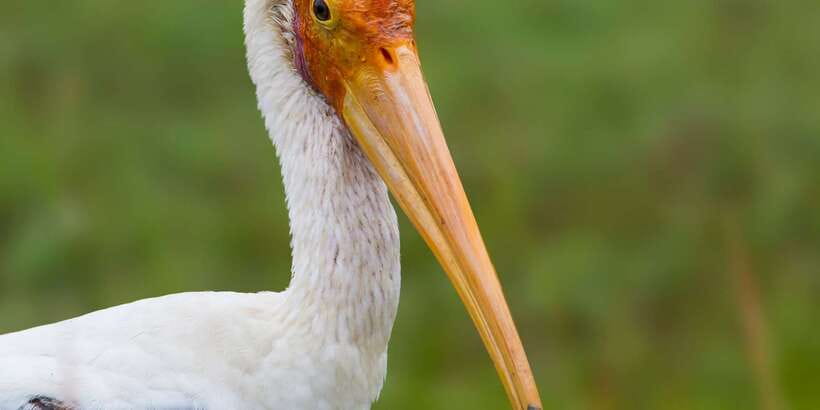
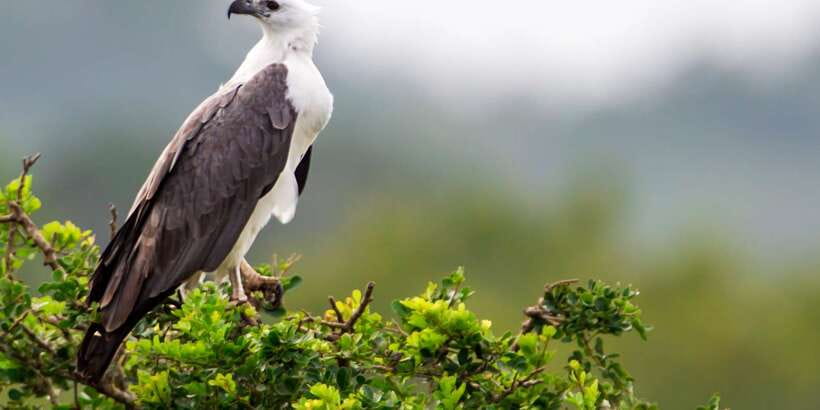
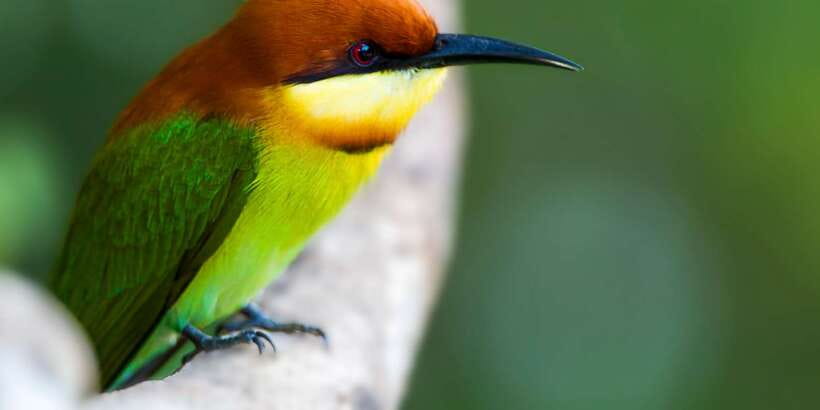
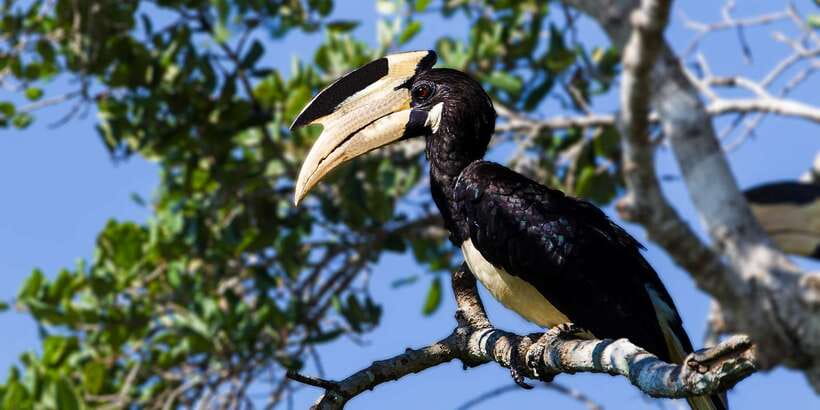
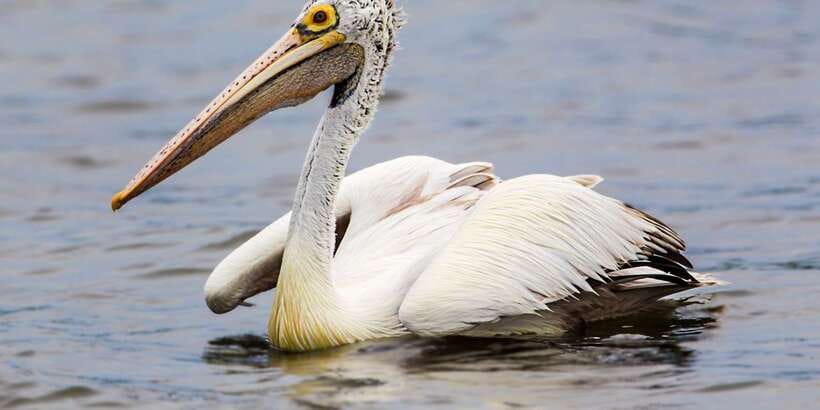
Yala National Park is known for diversity, and this trip leans into that. You’re heading into an area listed for 44 mammal varieties and 215 bird species. That’s a lot of chances, especially if you enjoy not only the big headline animals but also the quieter action—birds, smaller mammals, and sudden movements in scrub and grass.
The morning plan is also built around habitat types. Expect to spend time moving through a mix of light forests, scrubs, grasslands, and lagoons. Those habitat changes are what keep the safari interesting. When you’re bouncing between open areas and cover, you’ll often get more frequent “something’s happening” moments, even if it’s not a leopard every few minutes.
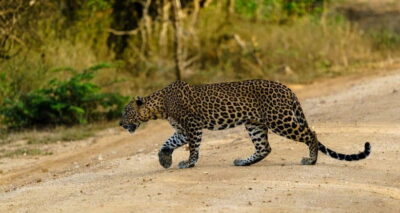
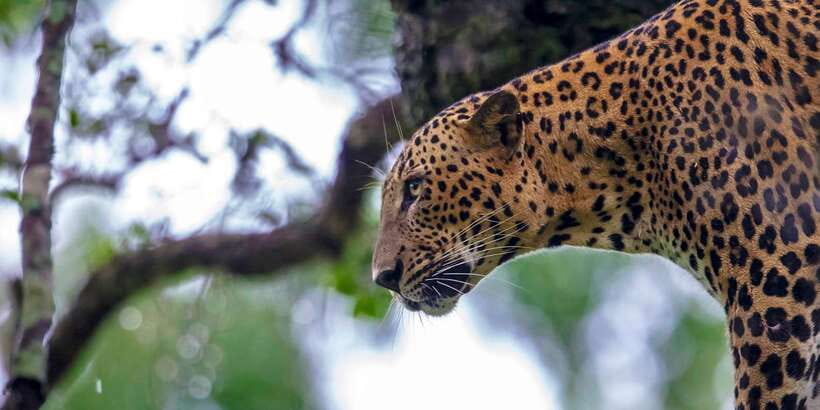
Wildlife highlights you may spot on this route include elephants, water buffalo, jackals, and leopards—and yes, the word leopard shows up a lot because it’s one of the big reasons people schedule Yala. One practical caution: leopard sightings can be unpredictable, and one account calls out the way safari cars converged on a single leopard early on, which can make the animal skittish. In other words, you might get the big cat close, or you might get the reality of safari life—waiting, scanning, and trying again.
If your priority is variety, Yala is the half of this day where you’ll likely feel like the park keeps offering new targets. One guide is praised for spotting lots of animals from the jeep roof area, including birds and mammals, which is exactly the kind of “eyes on everything” approach you want in a place like this.
Picnic lunch break: why the midday reset is part of the value
After the Yala safari, you’ll stop for picnic lunch before heading toward Udawalawe. This matters more than it sounds. A 14-hour day means your energy needs to be steady, and lunch is what keeps you from turning the afternoon safari into a slow-motion shuffle.
The picnic itself is described as huge and delicious, and you’ll also have soft drinks and bottled water included. That’s a real perk on long drives in warm weather. Even if you’re used to travel days, having food and drinks built into the schedule is what prevents decision fatigue—no hunting for something open, no guessing prices, no scrambling.
Then it’s back to the road for the elephant-themed part of the itinerary.
Elephant Transit Home during feeding hours: a fascinating stop with a warning

The Elephant Transit Home visit happens during feeding hours, and it’s positioned as a closer look at baby elephants. This is one of the most memorable parts of the schedule for many people because you’re not just watching wildlife at a distance—you’re seeing elephants up close during a structured care routine.
Here’s the part you should think about carefully. One very negative account describes a handler beating baby elephants with a wooden stick and yelling, with the babies appearing afraid. That’s strong, upsetting detail. At the same time, other accounts describe the feeding-hour visit as fun and entertaining to watch, so reactions can vary a lot depending on what you notice and how you feel about animal care environments.
So how do you decide? Use your own instincts:
- If you’re comfortable with structured care facilities and you focus on the feeding and welfare context, this stop may be a highlight.
- If animal handling details bother you, mentally prepare yourself that this visit can be emotionally charged.
Either way, this portion of the day is timed to keep momentum. After the transit home, you drive on to Udawalawe for the afternoon safari window.
Udawalawe National Park from 3 PM to sunset: elephants, deer, and the long-wait payoff

Udawalawe’s afternoon timing is a smart compromise. You arrive in the afternoon and then you’ll have safari time from 3 PM until sunset, with the park closing at 6 PM. That time limit pushes the day into a focused hunt, and it often feels less frantic than an all-day, all-at-once schedule.
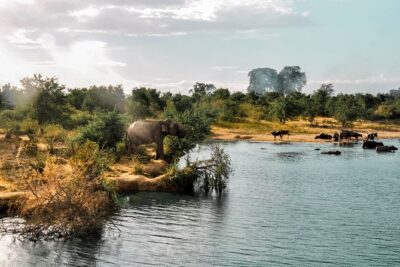
Udawalawe is also the elephant park of this duo. The tour description frames it as having a very concentrated number of elephants, and that goal shapes the sightings you should expect. While Yala can deliver more variety, Udawalawe is the place where elephant sightings often feel more likely.
In the Udawalawe safari area, you might see spotted deer, jackals, wild boar, wild buffalo, and even crocodiles, depending on where you’re positioned and what the day’s activity looks like. A guide who knows the roads matters a lot here because the park is vast, and the route you take can determine whether you spot an animal at all.
One practical reason Udawalawe works well late-day: animals start moving more in the cooler hours before sunset, and your guide can shift tactics as light changes. If you get a strong elephant sighting, don’t expect the day to be “one and done.” Often it turns into a back-and-forth of herds, smaller groups, and sudden appearances near water.
Comfort in the air-conditioned vehicle: the underrated part of a 14-hour day
Long safari days can turn into a grind if transport is rough. This itinerary’s big quality-of-life feature is air-conditioned transport. You’re driving between parks and stops, and while you can expect lots of time outside the vehicle in the jeep, the reset between safaris is what keeps you sharp.
Also, because this tour is private and guided, the schedule is less likely to feel chaotic. You’re not negotiating with strangers about where to stop, and you can ask for closer views when it’s safe and possible—several guides are specifically praised for listening to requests and stopping when there’s something worth a closer look.
That’s not just “nice.” It affects your results. The best safaris are about small positioning choices, and the guide is the person who makes those calls.
Price and entrance fees: is this worth $93 plus extras?
The headline price is listed at $93 per person, and at face value it’s trying to do a lot: two jeep safaris, a transit home visit, picnic lunch, bottled water, soft drinks, and private guidance with pickup and drop-off.
The catch is important: entrance and service fees are not included. The Yala fees are listed at 13,000 LKR (about 40 USD), and there are also fees for Udawalawe. Your final cost can jump once you add park fees.
So is it still good value? In my view, it often is—because you’re paying for time-efficient access to two parks and an elephant-focused stop, all with transport arranged and a guide who does the hard part (finding and positioning). If you were to plan it yourself, you’d spend time coordinating jeeps, timing, and entry requirements. Those “invisible” costs add up fast.
Still, do the math for your budget. If you’re price-sensitive, ask yourself whether you’d rather:
- pay for the convenience of two parks in one day, or
- split into fewer hours and a lower total entrance cost.
If you’re going for a one-time Sri Lanka stop and want maximum wildlife variety without adding another overnight, this combo format can be an efficient choice.
Who this day trip suits best (and who should think twice)
This tour is best for you if you want:
- a one-day wildlife hit with both Yala and Udawalawe,
- morning + afternoon safari timing (not just one park),
- an included picnic so you’re not hunting food while you’re on a schedule,
- private guiding in English.
It may be less ideal if:
- you strongly dislike the idea of visiting a facility where animal-handling methods might upset you,
- you prefer a slower pace and more time in each park (this schedule is packed),
- you’re expecting entrance fees to be fully covered (they’re not).
One more note: the day is long. Even with air-conditioned transport, you’ll be focused for much of the day. Bring patience for wildlife timing—good sightings happen, but they’re never guaranteed.
Should you book Shehan Safari Jeep Tours’ Yala + Udawalawe picnic trip?
Book it if your priority is maximum wildlife coverage in one day, with Yala’s diversity in the morning and Udawalawe’s elephant odds in the afternoon. The included jeep safaris, picnic lunch, and air-conditioned transport make it feel like a real package, not a patchwork of separate activities.
Consider skipping (or choosing a different format) if the Elephant Transit Home visit could genuinely bother you. One account includes detailed claims about a keeper using a wooden stick and yelling during feeding time, and that’s the kind of detail you can’t un-know.
My practical recommendation: if you’re excited by elephants and leopards and you like the idea of a tightly timed safari day, this combo makes sense. Just go in aware that the transit home stop is the one part where opinions can sharply split, and entrance fees are an added cost you’ll want to budget for.
FAQ
Are park entrance fees included in the tour price?
No. Park entrance and service fees for Yala (listed around 13,000 LKR / ~40 USD) and Udawalawe are not included.
What areas do you pick up from?
Pickup and drop-off are available from the Tangalle, Hiriketiya, and Hambantota areas.
How long is the safari day?
The total duration is 14 hours.
What time window do you have in Udawalawe?
Udawalawe safari time runs from 3 PM until sunset, and the park closes at 6 PM.
Is there food included?
Yes. You’ll get a picnic lunch, plus bottled water and soft drinks.
What language is the guide?
The tour includes a live English guide.