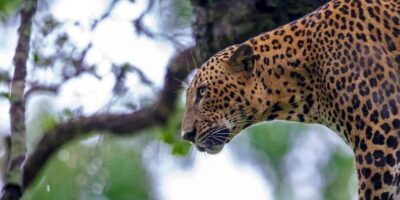
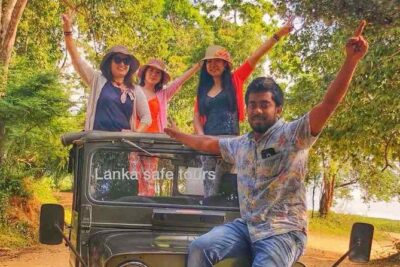
Leopards in Yala are not a myth. What I like is the 3-hour jeep safari at Ruhunu Yala National Park, where you’re actively searching for the big cats and big mammals. I also like that you get a live English guide/driver who helps you interpret what you’re seeing. One thing to consider: the park entrance and service fees (13,000 LKR per person) are not included, and in at least one case the transfer/navigation on the road was reported as a headache rather than a smooth ride.
This is a true one-day outing from Tangalle/Hiriketiya (about 8 hours total), with pickup and drop-off from your hotel area. Yala covers 126,786 hectares, and it’s known for animals moving in strong numbers, plus the bonus factor of being right by the coast and bird-rich habitats.
Before you go, do two simple checks: bring cash for park entrance fees, and plan on your own food and drinks during the day since those aren’t included. If you do that, the day is a solid value play for seeing Sri Lanka wildlife without having to figure out transport and timing yourself.
In This Review
- Key highlights you’ll feel on the day
- A One-Day Yala Safari From Tangalle and Hiriketiya
- How the Air-Conditioned Transfer Shapes Your Day
- The Main Event: Your 3-Hour Jeep Safari in Ruhunu Yala
- Wildlife Targets: Leopards, Elephants, and the Stuff You Don’t Control
- Crocodiles, Buffalo, and Birds: The Safari Doesn’t Only Mean Big Cats
- The Park Size (126,786 Hectares) and Why Your Timing Matters
- What’s Included (and What You Need to Budget for)
- Food, Timing, and Being Comfortable During the Whole 8 Hours
- Who This Safari Suits Best (And Who Might Want Another Option)
- The Conservation Angle You’ll Actually Notice on Safari
- Should You Book This Yala National Park Safari?
- FAQ
- How long is the Yala National Park safari day?
- How long do we spend on safari in the park?
- Where is pickup and drop-off?
- Is the tour price all-inclusive?
- What are the Yala entrance fees?
- What language is the guide?
- What wildlife can you look for?
- Is transportation included?
- What is the cancellation policy?
Key highlights you’ll feel on the day
- 3 hours of jeep safari time in Yala, not just a quick drive-by
- Hotel pickup and drop-off from the Tangalle/Hiriketiya area
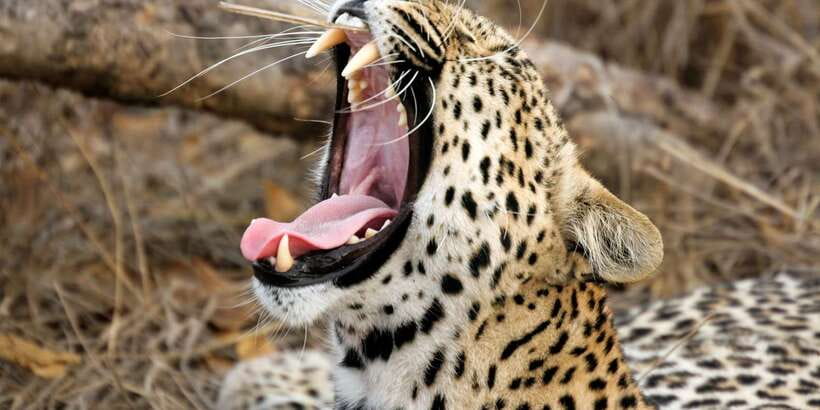
- Leopard, elephant, and sloth bear search with an on-board guide
- Big park size (126,786 hectares), meaning scouting roads matters
- Birdwatching in a coast-and-wildlife setting, with 130+ recorded bird species
- Easy communication in English, thanks to a live tour guide
A One-Day Yala Safari From Tangalle and Hiriketiya
If you’re staying around Tangalle or Hiriketiya, this safari is built for your convenience. Instead of renting a vehicle or wrestling with local schedules, you get picked up and returned to your accommodation area in a day that still leaves you enough time to sleep in your own bed afterward.
Yala is famous for its wildlife density, especially when it comes to elephants and leopards, and the tour leans into that. You’re not just traveling to a park—you’re going with the goal of spotting animals, learning what you’re looking at, and understanding how conservation work supports the habitat.
I also like the “practical learning” angle. The guide and driver don’t just drive; they help you make sense of animal behavior and why those spots matter for preservation. That turns a safari from a camera exercise into something you can actually remember with context.
You can also read our reviews of more tours and experiences in Tangalle.
How the Air-Conditioned Transfer Shapes Your Day
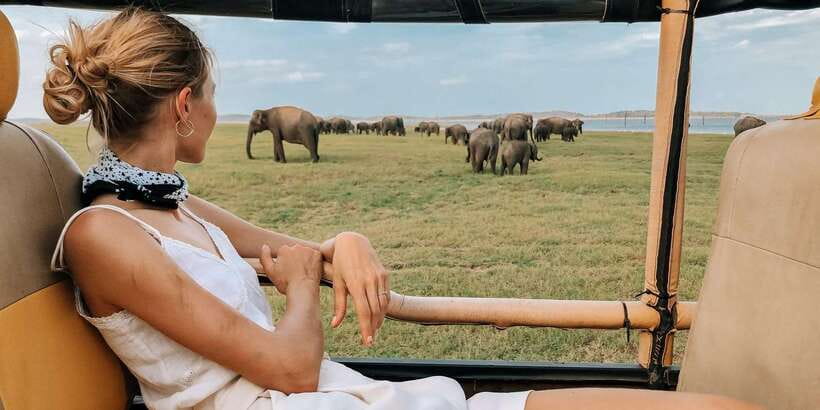
The day runs about 8 hours total. That includes pickup from your Tangalle/Hiriketiya hotel area, the drive to the park, the 3-hour safari by jeep, and the return trip.
Because the transportation is an air-conditioned car, you’ll feel the benefit on Sri Lanka’s road conditions and heat. Air-con doesn’t make safari magic happen, but it does make the day less stressful, especially if you’re starting mid-morning or early afternoon.
One practical note from real-world experience: transfers are usually fine, but navigation errors were reported in one case (the driver got lost on the way there, and multiple times on the way back). I can’t predict that for every departure, but I’d handle it the same way I handle any long road day—confirm your exact pickup point the day before, and plan your expectations for a full-day schedule rather than a precise return-time fantasy.
The Main Event: Your 3-Hour Jeep Safari in Ruhunu Yala
This is where the tour earns its keep: 3 hours safari time in Yala by jeep. Three hours sounds short until you remember how you actually spot wildlife. You’re moving, scanning, stopping when there’s a clue, and letting your guide read the environment—tracks, movement, and where animals tend to gather.
Yala is huge (126,786 hectares), and that matters. If you only have a small time window, you want a driver who knows how to work the park roads and a guide who can point your attention in the right direction quickly. This is exactly what the tour format supports: an experienced driver/guide handling the navigation so you can focus on spotting.
During the safari, your search targets some of Yala’s headline species:
- leopards
- elephants
- sloth bears
And you’ll also have the chance to see other wildlife like crocodiles, wild boar, mongoose, and different deer and buffalo types.
The best part is that you’re not just hoping for one animal. The park’s ecosystem gives you multiple “screens” of wildlife to watch—ground-level movement, tree and edge habitats, and water-adjacent activity where crocodiles and birds may show up.
Wildlife Targets: Leopards, Elephants, and the Stuff You Don’t Control
Let’s talk about the leopards first, because that’s what most people want. The tour description emphasizes good chances to see leopards in the wild, and Yala is known for a strong leopard presence compared to many other reserves. Still, safari truth is safari truth: sightings depend on timing, animal movement, and where the jeep ends up during that particular slice of the day.
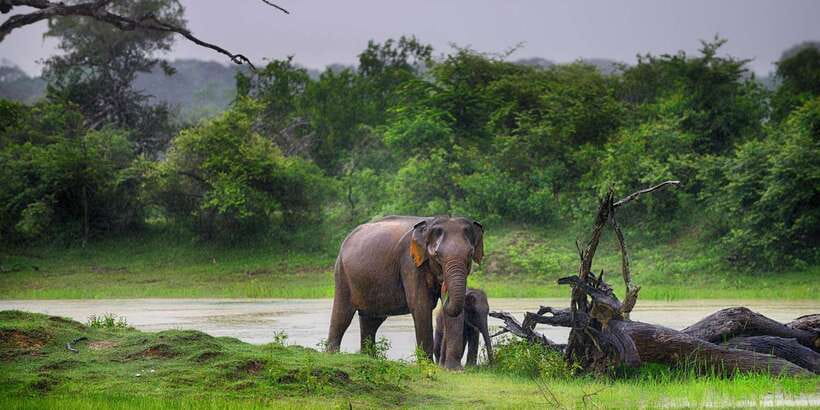
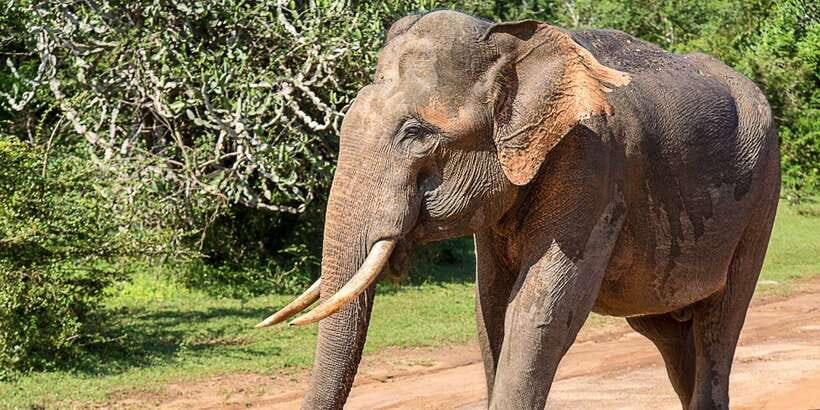
What I like about this tour is that it doesn’t put all its hope into one outcome. Alongside leopards, Yala is well known for elephants, and this safari explicitly sets you up to look for both. If you do get an elephant sighting, it often changes the whole rhythm of the drive—people start watching behavior instead of just scanning.
Sloth bears are also part of the target list. You won’t always see them, but knowing they’re on the radar helps you understand why your guide’s eyes matter. A good guide helps you look smarter, not harder: you start noticing signs and movement patterns that you’d miss on your own.
You also have a strong chance of seeing other animals mentioned as part of the Yala mix:
- spotted deer and sambhur (often spelled as sambar in some contexts)
- crocodiles
- wild buffalo
- plus birds and smaller mammals like mongoose
If you’re the type who likes variety—big mammals, reptiles, and birds—this tour gives you that, rather than turning the day into a single-species chase.
Crocodiles, Buffalo, and Birds: The Safari Doesn’t Only Mean Big Cats
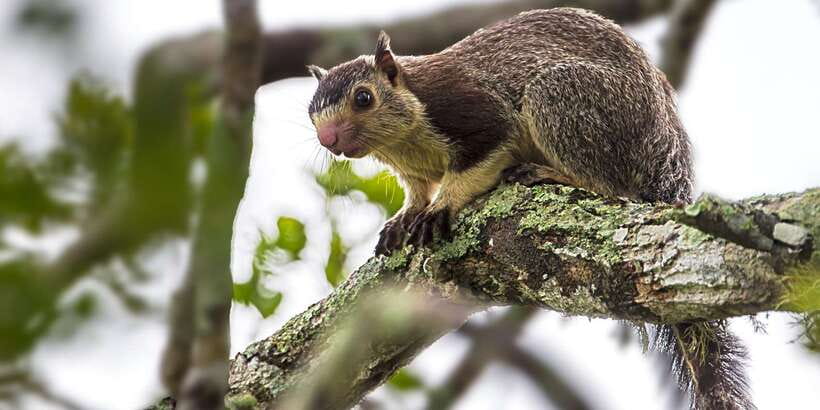
One reason I’m comfortable recommending this safari to a wider range of people is the “secondary headline” factor. Even if you don’t get a leopard moment, Yala still offers plenty of wildlife viewing.
Crocodiles are specifically mentioned, and that’s important because crocodile sightings often happen near water edges and calmer habitats. That means your jeep stops may not always be dramatic at first glance, but then suddenly you’ll find your attention pulled to the right bank, the right bend, the right stillness.
Wild buffalo and other large mammals also matter. They can show up when you’re scanning for predators, and their presence can tell you something about the habitat and feeding patterns.
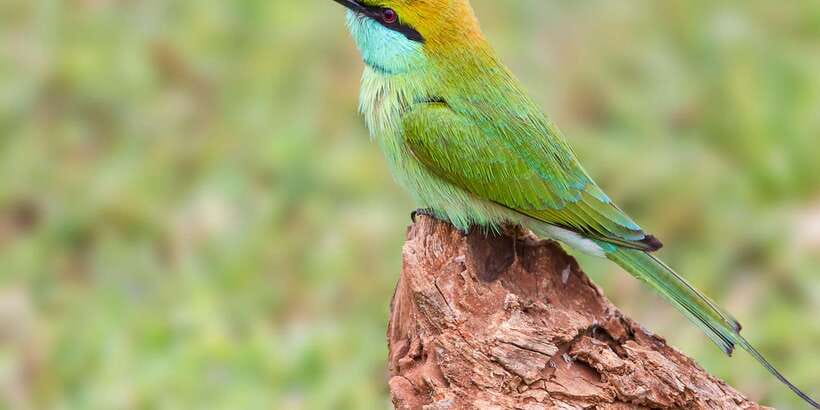
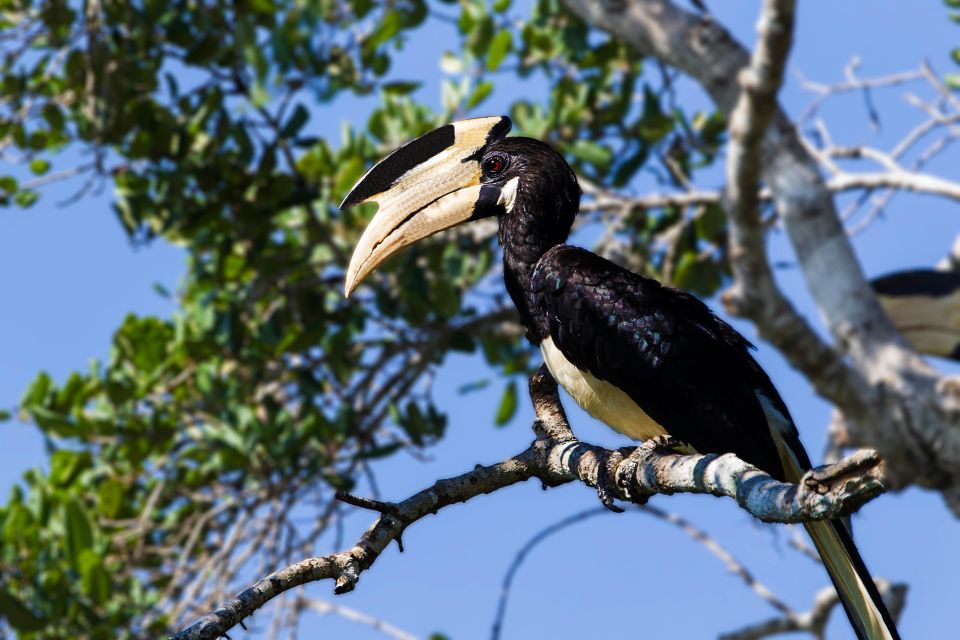
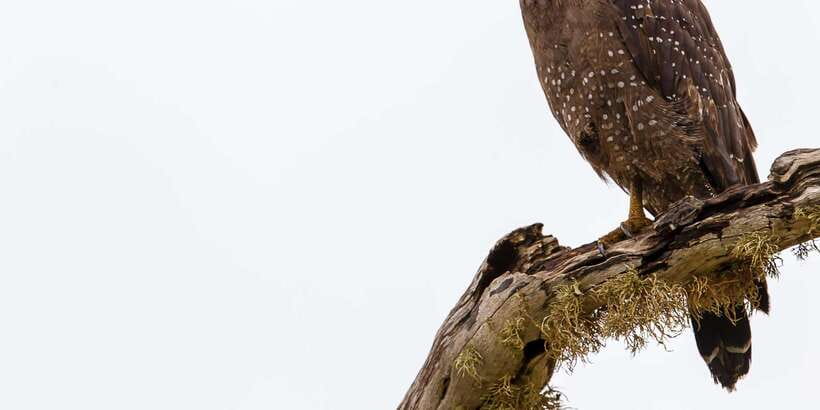
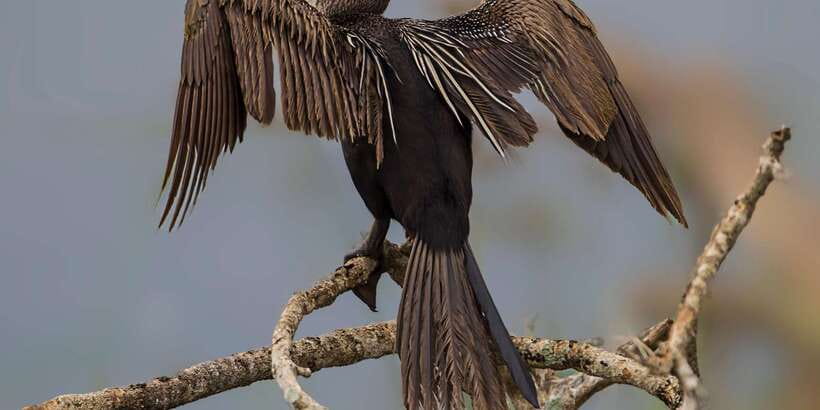
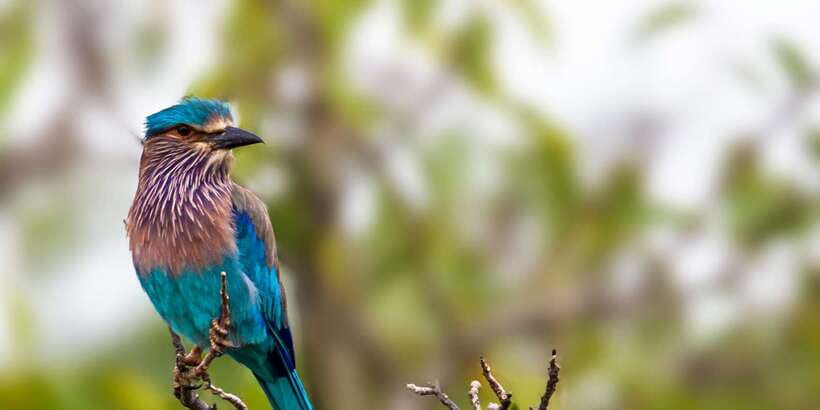
And then there’s the bird scene. The tour description notes more than 130 bird species recorded in Yala, including resident birds and winter visitors. During the safari, you’re not stuck staring at the ground all day. When the jeep pauses, you’ll likely get a chance to spot birds calling from bushes or moving along open areas, which breaks up the silence between animal sightings.
The Park Size (126,786 Hectares) and Why Your Timing Matters
Yala’s size is not trivia—it’s the reason the safari feels active rather than passive. A big park means animals can be spread out, and your driver has to make real choices about where to focus during your limited time.
With only 3 hours inside the safari window, the tour is effectively asking you to trust the guide’s plan and the driver’s route choices. If you’ve ever tried to sight animals on your own, you know how quickly time disappears. Here, you’re buying that time back by letting a local team do the scouting work.
Also, Yala’s coastal setting adds another layer. The park sits alongside the Indian Ocean, and that combination of habitats can influence where animals and birds end up moving. You’re getting a park that isn’t only “dry scrub” and isn’t only “water edges.” You’re seeing an ecosystem that changes with the habitat you’re passing through.
What’s Included (and What You Need to Budget for)
Let’s do the money math honestly, because value depends on what you’re actually paying for.
The tour price is $43 per person, and it includes:
- transportation by air-conditioned car
- hotel pickup and drop-off from the Hiriketiya/Tangalle area
- 3 hours safari by jeep
- professional driver/guide
Not included:
- food and drinks
- entrance fees and service fees for Yala National Park: 13,000 LKR per person (about 40 USD)
So your real all-in cost is closer to the tour price plus about 40 USD entry. That puts the day around $80+ per person in total range, depending on exchange rates and what you spend on your own drinks and snacks.
Is that good value? For a one-day safari from the coast that includes transport plus a guided jeep session, I’d say yes—especially if you’d otherwise have to pay for a private driver or figure out a complicated schedule. You are paying for two things: access (the jeep safari) and interpretation (a guide who helps you read the park).
Food, Timing, and Being Comfortable During the Whole 8 Hours
Because food and drinks aren’t included, you should plan for comfort. Bring (or budget for) water and a simple snack strategy. Safari days can run longer than you expect, and you don’t want to feel stuck waiting while everyone else eats.
The tour duration is 8 hours total, and the safari portion is 3 hours. That means you’ll spend a good part of the day in transit. The air-conditioned car helps, but your comfort also depends on what you wear and how you handle the heat when you’re outside looking.
I’d also mentally prepare for a day that’s organized around wildlife movement, not strict shopping-bag schedules. Your “agenda” is scanning and learning, so flexibility pays off.
Who This Safari Suits Best (And Who Might Want Another Option)
This is a great fit if you:
- want a guided Yala National Park safari without handling logistics yourself
- care about the classic big game mix: leopards and elephants, plus a wider set of mammals and birds
- like having someone help you understand what you’re seeing
- are staying in Tangalle or Hiriketiya and want a day trip that uses your location well
It’s not the best fit if you:
- want a fully self-directed safari with no guide/route plan
- hate the idea that entrance fees and park charges are an extra cost
- need a super tight return time (road days can run long)
The Conservation Angle You’ll Actually Notice on Safari
One thing I appreciate is that the tour isn’t only about spotting animals. The guide and driver also share information about the work being done to preserve the natural habitat. When you understand that leopards, elephants, and other species depend on the same protected systems, the sightings feel less like a lottery and more like a window into something worth protecting.
This kind of context also changes how you look at behavior. You stop only at the dramatic moments, but you also pay attention to patterns: where animals gather, how they move, and why certain habitats matter.
Should You Book This Yala National Park Safari?
I’d book it if you want a straightforward, one-day Yala experience from Tangalle/Hiriketiya with a guided jeep safari and a real focus on wildlife—especially leopards and elephants. The structure is good: hotel pickup, air-conditioned transfer, 3 hours in the park, and a professional guide/driver handling the hardest part of the day.
But book with your eyes open. Set aside cash for the 13,000 LKR entrance/service fee and plan for your own food and drinks. And if you’re the type who gets stressed by road detours, confirm your pickup point carefully and give yourself a little buffer for the drive back.
If you like wildlife days where you can learn as you watch, this is a strong choice.
FAQ
How long is the Yala National Park safari day?
The total duration is 8 hours for one day.
How long do we spend on safari in the park?
You get 3 hours of safari time by jeep.
Where is pickup and drop-off?
Pickup and drop-off are from hotels in the Hiriketiya/Tangalle area.
Is the tour price all-inclusive?
No. Food and drinks are not included, and entrance and service fees for Yala National Park are not included either.
What are the Yala entrance fees?
The entrance and service fees are 13,000 LKR per person (approximately 40 USD), and they are not included in the package price.
What language is the guide?
The live tour guide is English.
What wildlife can you look for?
The safari focuses on spotting leopards and elephants, and also looks out for sloth bears, crocodiles, buffalo, and many other animals and bird species.
Is transportation included?
Yes. The tour includes transportation by an air-conditioned car.
What is the cancellation policy?
You can cancel up to 24 hours in advance for a full refund.