A day of questions, rocks, and real trade secrets. This private tour to Ratnapura is built for people who want the full story of Sri Lanka’s gemstone industry—from formation and heat treatment to cutting and selling. I like that the guide is a working gem-dealer with decades in the business, and I also like that you get hands-on stone tools and a cutting experience rather than just watching. One thing to consider: it’s a long day, and you’ll want to be comfortable spending most of it in a car.
You might end up learning the kind of details you won’t get from a quick showroom stop. Guides such as Ahmed and Shreek have been praised for being friendly, answering lots of questions, and tailoring the experience to what you care about most. Still, the route involves early timing and practical industrial sites, so expect dust, noise, and the working side of the trade rather than a polished museum vibe.
In This Review
- Key highlights you will actually feel
- Ratnapura Stone Trade, Explained Like a Working System
- The Day’s Flow: Breakfast, Heat Treatment, Markets, and Mines
- Heat Treatment Workshop: Where Stone Outcomes Get Altered
- Gemstone Markets and the Cutting Factory: Seeing Value, Not Just Beauty
- Lunch Break and Mine Visits: Back to the Source
- Hands-On Stone Cutting: Tools, Practice, and a Better Eye for Work
- Price and Value: Is $175 Reasonable for a Full Day?
- Comfort and Practical Tips for a Long Day Outside
- Should You Book This Private Ratnapura Tour?
- FAQ
- What does this tour include?
- How long is the private Ratnapura gemstone tour?
- Is pickup included?
- Is this a private tour?
- What stops are part of the experience?
- Do I have to buy gemstones?
- Is the tour conducted in English?
- Is the tour suitable for most people?
- What should I bring or expect during the day?
- What happens if weather is poor?
- What’s the cancellation rule?
Key highlights you will actually feel
- One-on-one instruction from an industry professional (not a scripted guide)
- Heat treatment workshop stop, showing a key step in how stones change
- Markets and a cutting factory so you see trading and craftsmanship in one day
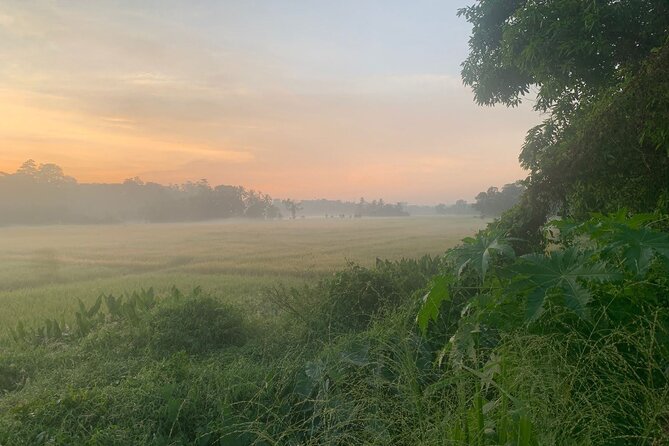
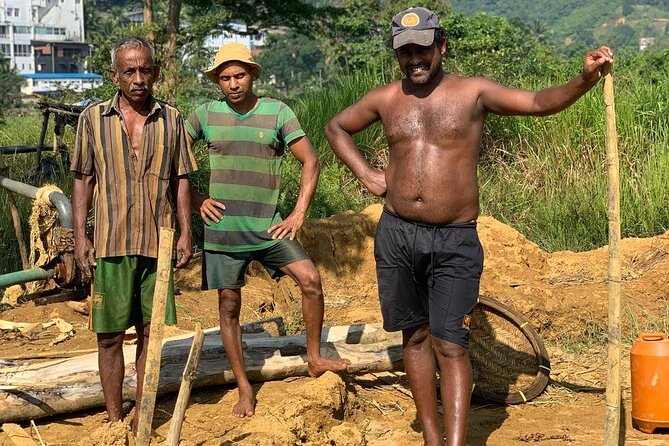
- Gemstone mine visits that connect finished stones back to raw material
- Hands-on cutting practice with tools provided (you do more than take photos)
Ratnapura Stone Trade, Explained Like a Working System
If you’ve ever wondered why Sri Lankan stones look the way they do, this is the day for you. The Ratnapura area is famous because it sits in one of the island’s most important gemstone zones. What makes this tour valuable is how it treats gemstones as an end-to-end system: geology and formation set the stage, heat treatment changes outcomes, and cutting plus marketing determines what you finally see in jewelry.
You’ll travel from Colombo in an air-conditioned vehicle, and you’ll spend your time with an English-speaking guide who’s an actual dealer in the trade with 25 years of experience. In other words, you’re not hearing facts pulled from a brochure. You’re getting answers from someone who has watched the industry change in real time and still works inside it.
From the way people describe their experiences, the big win is the Q&A. Ahmed and Shreek, in particular, have earned praise for staying friendly while explaining how mining, heating, cutting, and sales connect. If you like asking hard questions—like why certain stones are treated, or how cutters decide on shapes—this tour is set up for that kind of curiosity.
You can also read our reviews of more tours and experiences in Colombo.



The Day’s Flow: Breakfast, Heat Treatment, Markets, and Mines
This is a roughly 12-hour outing with a clear rhythm. You start with pickup in Colombo (pickup is offered), then head out toward Ratnapura. Midway through the drive, you’ll stop for breakfast—an authentic Sri Lankan meal—before the trade stops start stacking up.
Here’s the practical shape of the day:
First comes a heat treatment workshop, which is often where the story stops feeling abstract. You’ll then move into experience-style gemstone markets, where you can see how stones are displayed and discussed. After that, you go to a stone cutting factory for a closer look at the workshop side of the business, followed by lunch. The final stretch takes you to mine areas, where you see the raw source that feeds the whole pipeline.
Why that order matters: if you visit mines early, you might only take away dust-and-rock photos. If you visit cutting and markets without understanding treatment, you may wonder why some stones look different even if they come from similar areas. This route builds context step by step, so the last stop makes the earlier stops easier to interpret.
One caution: it’s private, but it’s still industrial. You’ll be walking around working spaces, talking in real conditions, and spending a long day moving between sites. Wear comfortable shoes and keep water close.
Heat Treatment Workshop: Where Stone Outcomes Get Altered
The heat treatment workshop stop is one of the most important parts of the whole itinerary. Even if you don’t plan to buy anything, this is where you learn how outcomes can shift. In the trade, heat treatment isn’t just a detail—it can influence color, clarity, and overall appearance.
What you’re likely to take away here is a more realistic view of how many stones reach the market. Sri Lanka’s gemstone story isn’t only about location and mining. It’s also about how people process material and manage quality. In a workshop setting, you can connect what you see to what you hear from your guide, instead of treating treatment as a vague rumor.
A practical tip: if treatment is the topic you care about most, come prepared to ask direct questions. This is the kind of tour where your guide will typically welcome follow-ups, especially if you’ve got a clear curiosity like how treatment is assessed or how cutters and sellers talk about results.
Gemstone Markets and the Cutting Factory: Seeing Value, Not Just Beauty
After breakfast, you’ll head into the gemstone markets first hand. This isn’t a sit-and-watch segment. It’s designed so you understand how stones are presented and discussed in everyday business—how people talk about quality, how pieces are compared, and how the market side connects to processing.
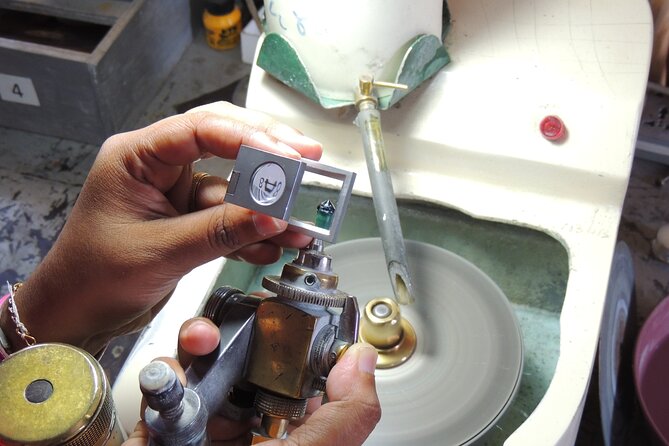
Then comes a stone cutting factory. Watching cutting in person is a reality check. It’s slower, more hands-on, and more precise than most people imagine. You see how the work turns rough potential into a shape that’s easier to sell and easier to wear. And because you have the guide beside you, you can ask questions about the logic behind cuts: why certain shapes are favored, what cutters look for, and how the final product is meant to meet customer expectations.
The reason this factory stop is a big deal for value: many tours end at mines or at jewelry shops. This one adds the craft step. That makes any later decision you make—buying or not buying—feel informed instead of impulsive.
Lunch Break and Mine Visits: Back to the Source
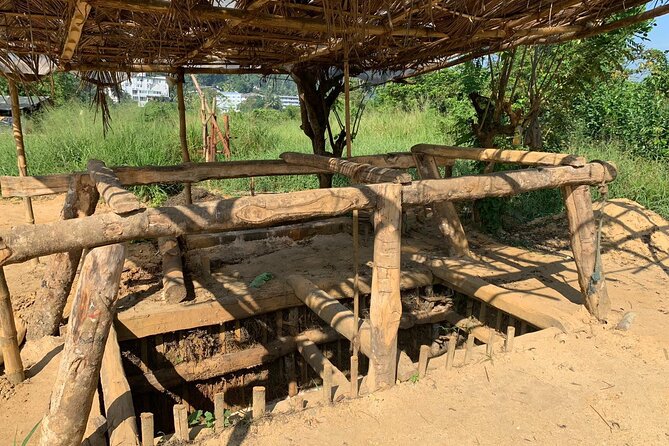
Lunch comes after the cutting stop. It’s included, and you’ll also have bottled water during the day. That matters because the mine area segment is where you’ll likely feel the day’s physical reality: uneven ground, working conditions, and the sensory stuff that doesn’t translate into glossy photos.
The mine visits are the part that ties the whole story together. You’ll see the source material that feeds the entire industry chain. Even if you don’t know how gemstone deposits are assessed, you can still connect what you see—rough, irregular, and raw—to what you saw earlier—heat treatment concepts, market selection, and cutting decisions.
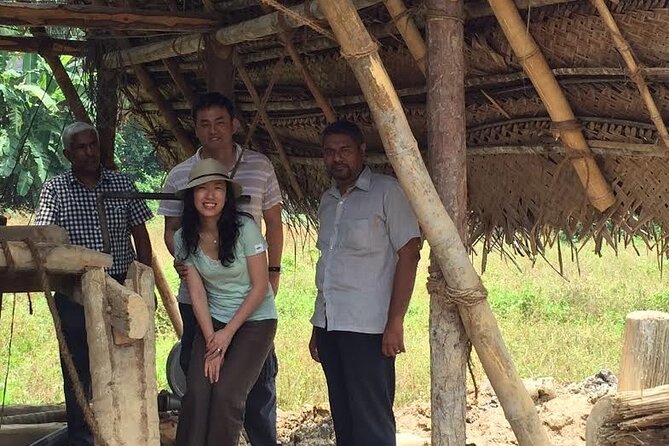
This is also where one-on-one guidance really helps. Your guide can point out what to look for and how people in the business think about value at different stages. It’s not just education. It’s a way of learning how insiders interpret the same raw landscape differently depending on the step of production they’re in.





Hands-On Stone Cutting: Tools, Practice, and a Better Eye for Work
The tour includes a gemstone tools to use component and a stone cutting experience. That’s not an extra photo op. It’s the best way to understand why cutting is skilled labor rather than a quick step someone does in the background.
Even if you only complete a basic portion of the practice, you’ll come away with a new respect for technique. You start to notice how delicate the work is, how much patience it takes, and how results depend on careful handling. That makes the next time you see a finished stone, you can recognize what must have happened to get there.
This hands-on time also changes the tone of the day. You stop being a passive observer and start being a participant. That’s why many people rate this tour so highly: it gives you a story you can actually tell because you did something, not just watched something.
Price and Value: Is $175 Reasonable for a Full Day?
At $175 per person, the price isn’t cheap in absolute terms, but it can feel fair when you look at what’s included. You’re getting:
- Air-conditioned vehicle transport from Colombo for a long day
- An English-speaking guide with decades of industry experience
- Breakfast and lunch
- Bottled water
- Multiple specialized stops (heat treatment workshop, markets, stone cutting factory, mine visits)
- Hands-on tools and a stone cutting experience
The value is strongest for two types of travelers: people who love crafts and process, and people who want to understand the industry enough to shop thoughtfully. If you’re only looking for a quick cultural taste, the day might feel long. If you want depth, this is one of the more straightforward ways to get it without doing multiple separate bookings.
Also, it’s private. That means you’re not squeezed into a large group where questions get limited. If you’ve got specific curiosity—like how traders describe quality or what treatment changes—you’ll likely get more time for answers.
One practical note: it’s commonly booked about 57 days in advance on average. If you’re traveling during busier seasons, plan ahead so you get the day that fits your schedule.
Comfort and Practical Tips for a Long Day Outside
Here’s how to set yourself up so the day stays fun, not exhausting:
- Bring comfortable closed shoes for uneven ground near mine areas.
- Carry a light layer. Air-conditioning in transit plus outdoor heat can feel like a temperature swing.
- Use sun protection. Even if the stops aren’t all outdoors, mine segments and markets usually mean open light.
- Pace your questions. If your guide is handling lots of stops, ask in clusters rather than scattered impulses.
- Remember: purchases are not included, so bring a clear mindset. If you don’t want to buy, you can still learn a lot and enjoy the process.
And because the experience requires good weather, have flexibility in your schedule. If conditions aren’t right, you’ll be offered another date or a full refund. That’s one of those details worth caring about because mine areas and workshops are more comfortable when conditions cooperate.
Should You Book This Private Ratnapura Tour?
If you care about gemstones beyond sparkle—if you want the story behind treatment, cutting, and selling—this tour is a strong yes. It’s also an excellent fit if you enjoy learning from someone who works in the trade every day, not just explaining from a distance.
I’d skip it only if you’re low on time, dislike long drives, or only want a light overview. The day is built for people who want depth, process, and a hands-on element.
FAQ
What does this tour include?
It includes breakfast, lunch, bottled water, an air-conditioned vehicle, an English-speaking guide, gemstone tools to use, and a gemstone cutting experience.
How long is the private Ratnapura gemstone tour?
The duration is about 12 hours.
Is pickup included?
Pickup is offered.
Is this a private tour?
Yes. It’s a private tour/activity, so only your group will participate.
What stops are part of the experience?
You’ll visit a heat treatment workshop, experience gemstone markets first hand, visit a stone cutting factory, have lunch, and then go to gemstone mines.
Do I have to buy gemstones?
No. Gem purchases are not included.
Is the tour conducted in English?
Yes, the guide is described as English speaking.
Is the tour suitable for most people?
It says most travelers can participate.
What should I bring or expect during the day?
Expect a full day with multiple stops and time on your feet. The tour includes bottled water and meals, but you’ll want comfortable shoes for mine-area conditions.
What happens if weather is poor?
The experience requires good weather. If it’s canceled due to poor weather, you’ll be offered a different date or a full refund.
What’s the cancellation rule?
Free cancellation is offered. You can cancel up to 24 hours in advance for a full refund, but cancellations within 24 hours of the start time are not refunded.