Negombo has a lot packed in four hours. What I love about this small-group tuk-tuk tour is how quickly it pulls you into real Negombo street life and gets you to major temple sites with memorable artwork, not just quick photo stops. The fish market is a sensory jolt, and the temple murals and carvings give the day real meaning. One watch-out: the schedule is listed as 4 hours, but if your timing runs short, the final refreshments (including the king coconut drink) can get squeezed.
I also like the structure of the route: pickup, a walkable sequence of stops, and breaks built in, so you’re not stuck in a vehicle the whole time. You’ll have an English-speaking guide, plus entry fees are handled, so you can focus on seeing and asking questions. One more consideration: since this is guided, your experience will depend on how much your guide talks when you’re at each site, so don’t be shy about asking what you should notice.
In This Review
- Key highlights worth planning for
- How this Negombo tuk-tuk tour really works
- Negombo Fish Market: watching the day’s catch trade hands
- Dutch Canal and Dutch Fort remains: colonial leftovers with local purpose
- Sri Singama Kali Amman Kovil: Hindu murals and sculpted storytelling
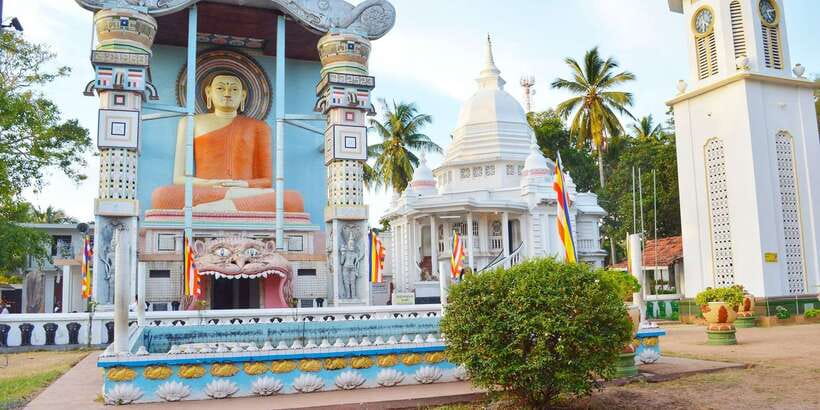
- Angurukaramulla Temple: Buddhist heritage you can actually feel
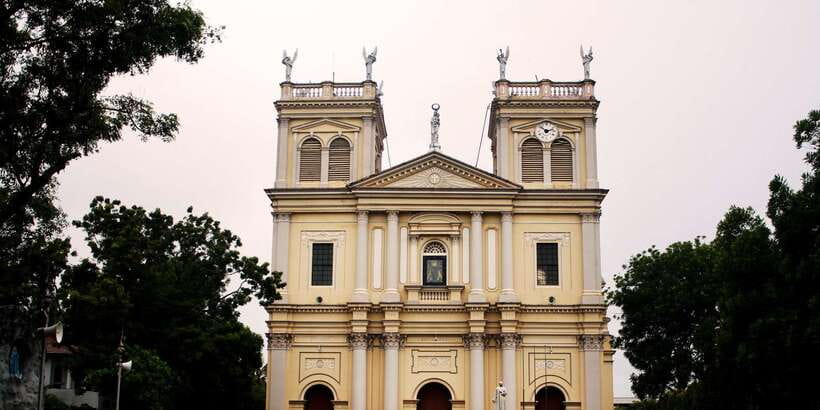
- St. Mary’s Church and the king coconut finish
- Breaks, photo stops, and the walking rhythm
- Price and value: is $45 a smart deal for this route?
- Who should book this Negombo tuk-tuk tour
- Should you book this Negombo fishing village highlights tour?
- FAQ
- What is the duration of this Negombo tuk-tuk tour?
- How much does the tour cost?
- What stops are included in the tour?
- What’s included in the price?
- Is English available with the tour guide?
- Where do you get picked up and dropped off?
- Can I cancel and get a full refund?
Key highlights worth planning for
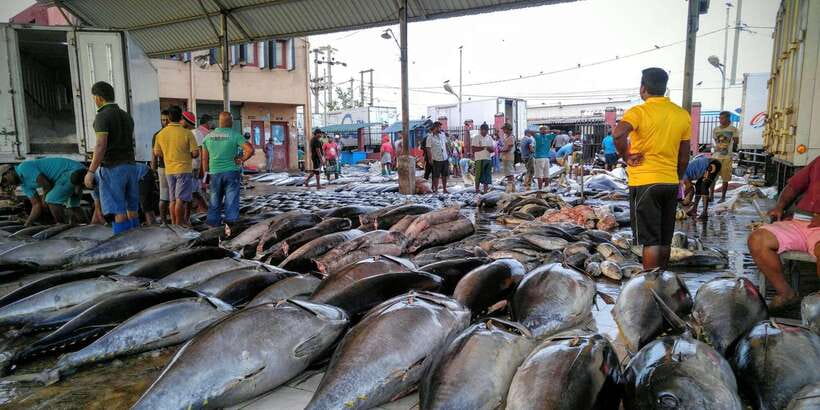
- Negombo Fish Market first: See how the day’s catch moves right from boats to stalls
- Dutch Canal + Dutch Fort remains: Colonial-era waterways and leftover structures, explained by your guide
- Sri Singama Kali Amman Kovil: Hindu temple art, murals, and intricate sculptures
- Angurukaramulla Temple: Buddhist heritage site with 300+ years of religious artwork
- St. Mary’s Church stop: A major Catholic landmark in the middle of the route
- King coconut drink finish: A sweet, cooling end to a warm day
How this Negombo tuk-tuk tour really works
This is the kind of tour that fits neatly between beach time and a deeper exploration of Sri Lanka’s coastal culture. You start with hotel pickup by tuk-tuk (Negombo or Waikkal), then spend your time moving through neighborhoods on short drives and walking between stops. Transportation is covered, and entry fees are included, which matters in practice because it removes the little “wait, where’s the ticket?” friction that eats time.
The group size is capped at 6, so you get a closer feel than big-bus sightseeing. That small size is useful at temples and religious sites, where you’ll often be asked to slow down, watch your footing, and respect what’s happening around you.
Timing is the one variable to stay aware of. The advertised duration is 4 hours, but you should show up ready to move. If your tour feels like it’s running behind early, gently ask your guide about what’s still planned, especially the final stop for the sweet king coconut drink.
You can also read our reviews of more tours and experiences in Negombo.


Negombo Fish Market: watching the day’s catch trade hands

Your day starts at the Negombo Fish Market, and that’s a smart move. Being there early in the route means you see fish and seafood before the tour turns into a “temple-and-photo day.”
Here’s what you’ll get out of the market experience if you pay attention to details:
- How quickly goods change hands: the market is about timing, not just buying
- How sellers and buyers work together: you’ll notice patterns in how stalls run
- What people treat as normal: you’ll see daily life at a scale that feels real, not staged
Your guide will likely point out what’s going on and help you make sense of it. I’d recommend asking one simple question early, like what the market represents for the town today. Even if you don’t get a deep lecture, you’ll come away with a clearer picture of why Negombo is known for fishing.
Practical note: markets are active and can be humid. Wear comfortable shoes, keep your phone secure if you’re taking photos, and give yourself a moment before stepping into the busiest areas.
Dutch Canal and Dutch Fort remains: colonial leftovers with local purpose
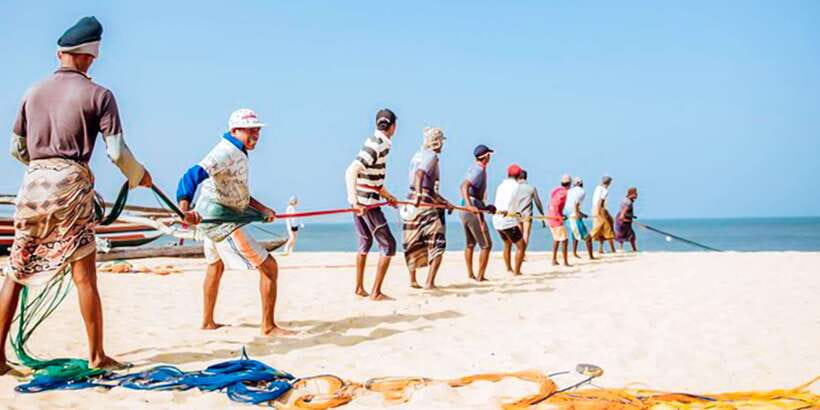
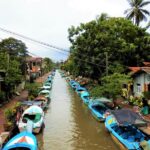
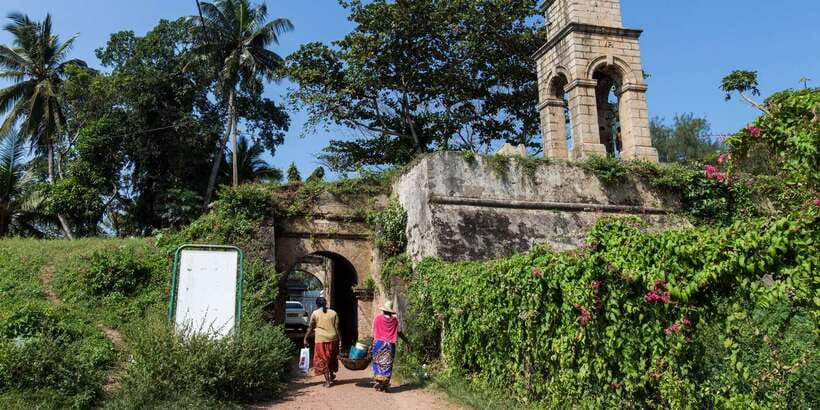
After the market, the tour shifts from day-to-day fishing life to older layers of Negombo. You’ll visit the Dutch Fort remains and then stop at the Dutch Canal, once used as a transportation route by the Dutch administration.
What I like about this part of the route is the cause-and-effect feel. Instead of learning history as names in a book, you’re seeing physical evidence: remains that still shape where people move and how the town developed.
At the Dutch Canal, the focus is on function. Canals are all about movement—boats, goods, and control of routes. If your guide gives examples, listen for how the waterway connected settlements and commerce. If you don’t get much explanation, you can still read the landscape logically: waterways existed because they were faster than rough overland travel.
The Dutch Fort remains are the kind of stop where you’ll enjoy the experience more if you treat it like a “what’s left and why” exercise. Look for the walls, outlines, and structures, then ask what role the fort played during the Dutch period.
Sri Singama Kali Amman Kovil: Hindu murals and sculpted storytelling
Next up is a Hindu temple stop: Sri Singama Kali Amman Kovil. This is the tour’s visual payoff for many people—especially if you care about art that isn’t just decorative, but expressive.
You’re going there to see striking murals and intricate sculptures. These temples are meant for visitors and worshippers, so keep your behavior calm and respectful. Plan to slow down. Take time with the murals—don’t rush them like a roadside photo. If your guide points out what certain elements represent, you’ll get more meaning from what you’re looking at.
This temple stop also helps balance the day. After fish market energy and colonial-era stops, you’re shifting into spiritual space. That contrast is part of the value: your brain gets a new “frame” every hour.
If you want the most out of this site, ask a question while you’re still near the entrance, like which parts visitors should focus on inside. Then follow your guide’s cues so you’re not just walking past.
Angurukaramulla Temple: Buddhist heritage you can actually feel
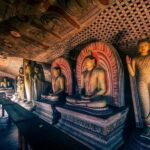
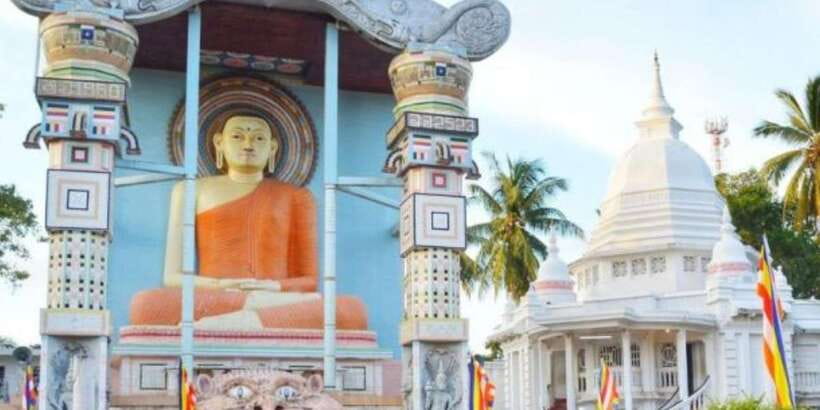
Then the route moves to Angurukaramulla Temple, famous for Buddhist heritage and artwork. This site has over 300 years of religious history, which is one of those details that sounds impressive until you’re standing in front of the artwork and realizing it’s still being used.
What makes Angurukaramulla different from a quick “look and go” stop is that religious sites often involve layered meaning: the layout, the carvings, the places people pause. If you’re paying attention, you’ll feel that even without a long lecture.
The practical side is also good. Temple stops are usually walkable, and your guide can help you understand what you’re seeing. If you care about learning, this is the part where I’d lean in—ask what the artwork is meant to communicate and where visitors commonly spend time.
Dress matters here too. You don’t need to guess—just keep it modest. If you’re unsure, wear something with shoulders covered and pants or a skirt that covers your knees. You’ll feel more comfortable during the walk and inside the religious spaces.





St. Mary’s Church and the king coconut finish
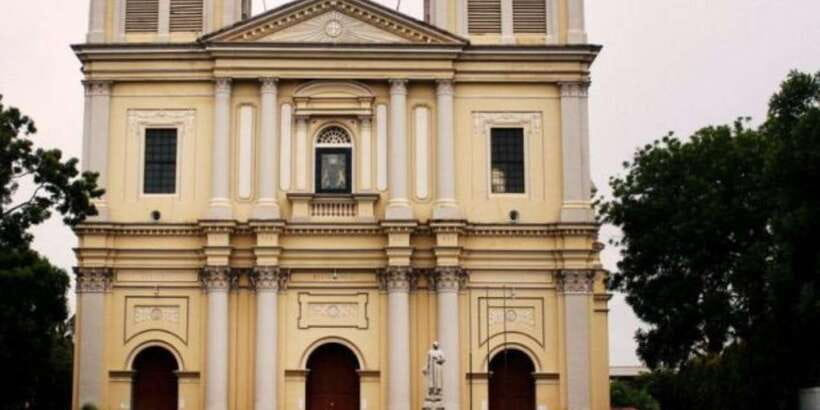
By the end, you reach St. Mary’s Church, described as one of the largest cathedrals in Sri Lanka. This is a cool contrast stop because it keeps the tour from feeling like “only one religion, only one style.” You’re seeing how different faith communities shape Negombo’s public landmarks.
Even if you’re not Catholic, a big church stop can help you understand the town as a whole. You’ll likely notice architectural details and the sheer scale of the place. It also offers a good reset point before the final cooling moment.
Then comes the finish: a stop for a king coconut drink—sweet, refreshing, and very much at home in Sri Lanka. This is one of the little pleasures that makes the route feel like more than checkboxes. It’s also practical. Coconut water is a simple way to cool down after sun and walking.
One thing I’d do before you reach the end: if the day is running tight, ask your guide when the coconut drink stop is happening and how much time you’ll have. The tour plan includes it, but if your timing slips earlier, you might not get the relaxed pace you expected.
Breaks, photo stops, and the walking rhythm
The itinerary includes a break time, photo stops, guided visits, and free time, plus walking time listed as part of the overall schedule. That means you’re not trapped in one long stream of guided steps.
This rhythm is helpful in Negombo because the sights are close enough to string together, but the town itself can feel chaotic. Short drives plus walking segments help you get your bearings fast and also keeps you from losing energy too early.
If you’re the type who likes photos, use the photo stop moments for what matters to you. Don’t rely on temples for every shot—some of the best images come from the streets between stops and the market setting.
Price and value: is $45 a smart deal for this route?
At $45 per person for about 4 hours, you’re paying for a few things that add up fast on your own: hotel pickup and drop-off, tuk-tuk transportation, an English-speaking guide, entry fees, and refreshments. Meals are not included.
I think the value works best if you:
- Want multiple major landmarks without spending time figuring logistics
- Appreciate a guided route (especially when religious sites and colonial remnants are involved)
- Like tuk-tuk travel for short hops and street-level views
If you’re the DIY type and you already know exactly how to line up fish market timing, temple visits, and churches, then you could piece it together cheaper. But that DIY approach often costs time and mental energy—exactly what this tour is designed to reduce.
For this price, the big question is consistency: does your guide spend time at each stop and talk enough for you to feel the learning? If you care about that, ask a question at the first site and see how your guide responds.
Who should book this Negombo tuk-tuk tour
This tour is a good fit if you want a balanced day that mixes:
- Local daily life (fish market)
- Coastal town landmarks (Dutch Canal and Dutch Fort remains)
- Religious art and architecture (Sri Singama Kali Amman Kovil, Angurukaramulla Temple, St. Mary’s Church)
- A sweet cooling finish (king coconut drink)
I’d especially recommend it for first-timers in Negombo, and for anyone who prefers guided context over wandering. If you’re traveling solo and want a small group vibe, the 6-person limit helps. If you’re hoping for a very long “slow and thoughtful” tour, keep expectations flexible—this route is designed to cover a lot.
Should you book this Negombo fishing village highlights tour?
If you want a tightly planned tuk-tuk route that touches Negombo’s fish-trade heart and its big religious landmarks, I’d say it’s worth booking. The strongest payoff comes from the combination: market energy, Dutch-era remnants, and serious temple artwork—all with guide support and included entry fees.
Before you go, do two simple things: wear comfortable shoes for walking, and ask one early question that matters to you (history vs. art vs. daily life). If your guide engages and you feel time is being used well at each stop, you’ll likely enjoy the full arc of the day ending with that sweet king coconut drink.
FAQ
What is the duration of this Negombo tuk-tuk tour?
The tour is listed as 4 hours.
How much does the tour cost?
It costs $45 per person.
What stops are included in the tour?
You’ll visit the Negombo Fish Market, the Dutch Fort remains, the Dutch Canal, Sri Singama Kali Amman Kovil, Angurukaramulla Temple, and St. Mary’s Church, with a king coconut drink stop at the end.
What’s included in the price?
Hotel pickup and drop-off, tuk-tuk transportation, a live English tour guide, entry fees, and refreshments during the ride.
Is English available with the tour guide?
Yes, the live tour guide is English-speaking.
Where do you get picked up and dropped off?
Pickup and drop-off options include Negombo and Waikkal, and pickup is available from most centrally located Negombo hotels.
Can I cancel and get a full refund?
Yes. Free cancellation is available up to 24 hours in advance for a full refund.