A morning boat ride here can feel like a living field guide. You’ll glide through mangroves and channels in the Muthurajawela wetlands from Colombo or Negombo, with an on-the-water focus on spotting kingfishers, egrets, herons, and waders—plus the chance of monkeys in the mix. I especially like that you get pickup/door-to-door transfers and a guide who’s set up to help your sightings and photos. One thing to keep in mind: not every outing matches the bird-expert promise, so it’s worth asking what kind of naturalist guide you’ll have before you go, especially if birding is the whole point.
For me, the appeal is the setting. Muthurajawela is the largest saline coastal peat bog in Sri Lanka, and it’s protected—so you’re not just cruising around “water somewhere.” You’re learning how a working ecosystem (wetland + lagoon) actually functions, and you’ll spend time in the marsh where sanctuary rules exist for a reason.
In This Review
- Quick Key Points You’ll Actually Use
- Why Muthurajawela Is Different From a Random Boat Ride
- Colombo or Negombo: The Practical Pickup Advantage
- The Main Stop: Muthurajawela Marsh (and What It Means for Your Sighting Odds)
- What happens here
- What you might see
- Time on site
- A drawback to plan around
- Going Early: The Timing Tip That Can Change Everything
- The Boat Ride: Mangroves, Channels, and the Photo Problem
- Why the boat format helps
- Noise and comfort: a reality check
- Meet the Guides: What Makes the Difference On Board
- Price and Value: Is $85 Worth It?
- Who This Tour Fits Best (and Who Might Be Less Thrilled)
- What to Bring (Simple Stuff That Pays Off)
- Should You Book This Muthurajawela Bird Watching Tour?
- FAQ
- How long is the Muthurajawela bird watching tour?
- Is pickup available from Colombo or Negombo?
- Is this tour private?
- What birds and animals can I expect to see?
- Is the admission ticket included?
- What is the cancellation policy for a full refund?
Quick Key Points You’ll Actually Use
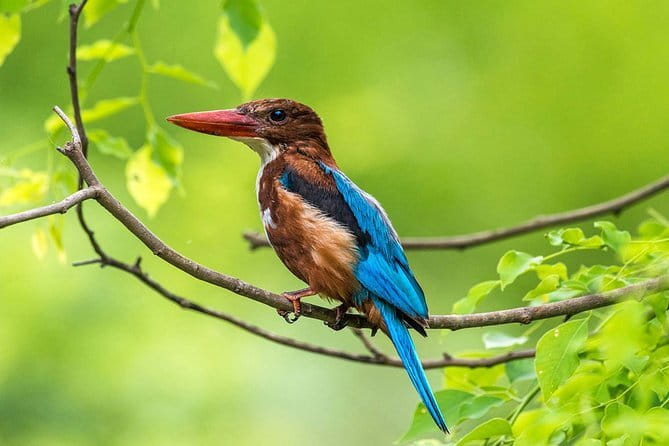
- Private boat + guide attention: You’re on the water with a naturalist focus, not just a sightseeing driver.
- Muthurajawela sanctuary context: The marsh area is protected, and visits route you through guidance to reduce harm.
- Bird targets are specific: Think kingfishers, egrets, herons, and waders, with photo chances from channels and mangroves.
- Short, timed experience: Expect about 2 hours at the marsh, with an overall run that can be 2–5 hours depending on departure and transfers.
- Sunrise matters: If you want the most active birds, you’ll get better odds by going early.
- Bring your realism: One unhappy experience complained the outing felt more like a short boat cruise than a true birding lesson—so confirm guide style and focus.
Why Muthurajawela Is Different From a Random Boat Ride
Muthurajawela isn’t just scenery. It’s a real coastal wetland system—marshes tied into the Negombo Lagoon complex—and it’s been evolving for a long time. The northern section (1,777 hectares) is protected as a sanctuary (declared in July 1996), which changes how the visit works: you don’t wander freely, and you’re guided through areas meant to limit disturbance.
This matters for you because birdwatching is mostly about patience and accuracy. If the visit is run with care, birds feel less pressured and you get steadier viewing. If it’s rushed or treated like general sightseeing, you’ll spend more time listening to engine noise and less time actually looking.
The good news: this tour is built around the viewing goal. The operator structure includes an expert naturalist guide concept, and the main stop is the marsh itself rather than a random detour.
You can also read our reviews of more tours and experiences in Colombo.

Colombo or Negombo: The Practical Pickup Advantage
You’re not fighting a complicated route. You get pickup and door-to-door transfers, plus choice of departure time. That’s a big deal in Sri Lanka where traffic can make “self-planning” a headache.
In plain terms, this tour is designed for convenience:
- You start from either Colombo or Negombo.
- You’re collected from your lodging area (or a nearby pickup point depending on where you are).
- You’ll have time on the water without spending half the day figuring out transport.
One hint from real-world experience: the drive from Colombo is often described as around an hour (depending on your exact start point and conditions). That makes this tour a strong option if you don’t want a full-day commitment.
The Main Stop: Muthurajawela Marsh (and What It Means for Your Sighting Odds)
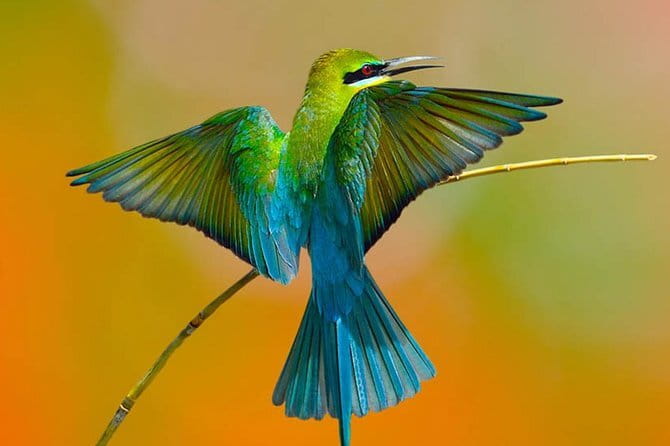
The star of the outing is Muthurajawela Marsh. It’s described as Sri Lanka’s largest saline coastal peat bog. The marsh and the Negombo Lagoon form an integrated wetland ecosystem, and the marsh center is part of what keeps the visit structured.
What happens here
You’ll get a guided route through sanctuary areas. The key point: visitors are guided by staff of the Muthurajawela Marsh Centre to avoid serious harm to the marsh ecosystem. Translation for you: birdwatching is happening in a place where the rules are designed to reduce disturbance, and that can improve your experience.
What you might see
The tour is aimed at waterbirds and wetland species. Based on the tour focus, your most likely bird targets include:
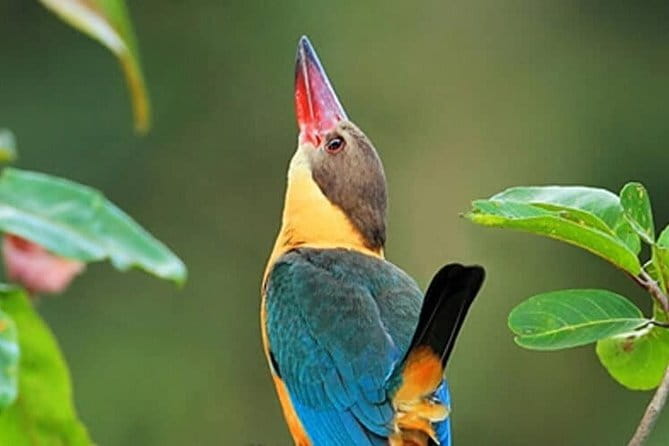
- kingfishers
- egrets and herons
- waders
And you might also glimpse monkeys. That adds a fun “bonus wildlife” element, even if your main goal is feathers.




Time on site
The marsh stop is listed as about 2 hours, and an admission ticket is included for that segment. So you’re not signing up for a “see it from far away” drive-by.
A drawback to plan around
One complaint from an earlier outing said the time felt like an expensive short cruise up the marsh without an on-board birding specialist doing the identification. That doesn’t mean every trip is like that, but it’s a useful warning: the value lives or dies on the quality of the guide’s birding role.
If your heart is set on actual bird identification help, you should ask ahead about the guide’s birding approach—how they confirm species, how they handle questions, and whether you’ll get consistent pointing out of targets rather than a general narration.
Going Early: The Timing Tip That Can Change Everything
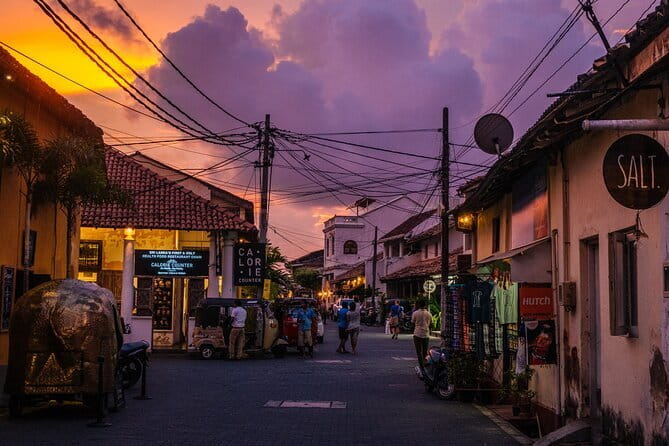
Birdwatching is a rhythm game. Early tends to be better. There’s a clear practical tip from field-style experiences: if you book for sunrise, you typically see more active birds as they start getting up for the day.
If you’re jet lagged and you push the departure later, you may still have a great time. But your odds drop for the “first flurry” of activity—especially for birds that feed and move when light and temperature shift.
If you’re choosing between:
- a relaxed late morning slot, or
- a sharp sunrise wake-up,
go sunrise when possible. It’s the simplest upgrade you can make to sightings and photos.
The Boat Ride: Mangroves, Channels, and the Photo Problem

This is a private boat tour, with you and your group out on the water. The route focuses on navigating Muthurajawela’s waters and mangroves, moving through channels where birds feed and perch.
Why the boat format helps
From shore, birds can look like dots in a distant field. A boat brings you into the working zone—channels and edges where birds are more visible. It also makes it easier for a guide to point out what matters without you guessing.
Noise and comfort: a reality check
At least one negative experience mentioned an older, noisier boat feel. That’s not universal in the information you’ve got, but it is a legitimate consideration.
What I’d do:
- bring a light layer even if it’s warm (coastal air can feel cooler on water),
- expect engine sound to be part of the experience,
- and don’t assume you’ll have total silence. You’re there to look, not to meditate.
If you’re sensitive to noise or your camera is highly dependent on steady conditions, you might want to ask what boat type you’ll be on. The goal is to align expectations with how the trip runs.
Meet the Guides: What Makes the Difference On Board
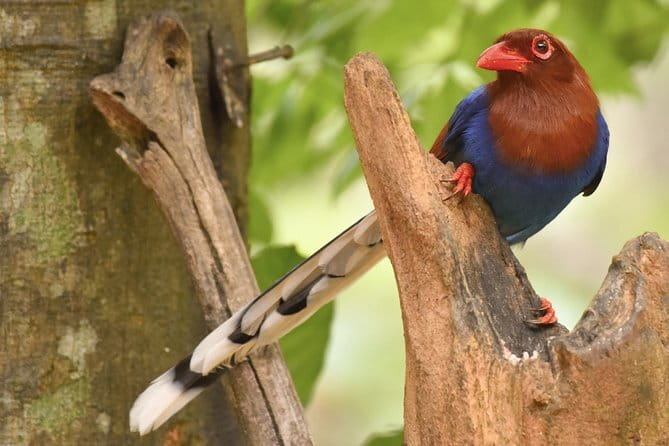
This tour leans heavily on the guide’s birding skill. In the real examples tied to this activity, guide names like Braneta and Shanaka show up, and the pattern is clear: the best outings combine navigation with active bird spotting—so you’re not just riding, you’re learning.
That said, there’s also a cautionary mismatch. One person felt the boat driver was the only on-board presence and that there was no true naturalist bird guidance. That can make a huge difference in satisfaction because your money is paying for the birding expertise as much as the boat.
So here’s my practical take:
- If you want the tour for identification and photo help, confirm the guide will do that work on the water.
- If you mostly want the scenery and wildlife as a bonus, you’ll likely still enjoy the marsh setting even if birding help isn’t as strong.
Price and Value: Is $85 Worth It?
At $85 per person, this isn’t the cheapest way to spend a couple hours near Colombo. You’re paying for three things:
- a private boat experience,
- a guide-driven birding focus,
- structured access to a protected marsh area, including the admission ticket for the main stop.
That price can feel very fair if:
- your guide actually calls out birds clearly,
- you get steady viewing time in the channels,
- and you go early enough that birds are active.
It can feel expensive if:
- the outing becomes mostly a short cruise without bird identification support,
- or the on-water time feels shorter than you expected.
My advice: treat this like a birding lesson. If you’re booking as a birder or photographer, ask questions before you pay—what kind of guide experience you’re getting and how identification works. That single step protects your value.
Who This Tour Fits Best (and Who Might Be Less Thrilled)

This tour is a strong match if you:
- love birds and want a focused place to look,
- want a guided marsh experience without handling permits and logistics,
- prefer early starts for better wildlife viewing,
- like photography and want the guide to help you spot targets quickly.
You might be less thrilled if:
- you’re expecting a long, all-day expedition,
- you’re extremely sensitive to boat noise or cramped conditions,
- you mainly want a relaxing nature cruise with no real birding focus.
It’s not a “wander all over the wetland” experience. It’s a guided ride with a defined marsh stop—and that’s exactly why it works when the birding guidance is strong.
What to Bring (Simple Stuff That Pays Off)
You’ll be outside and on a boat, so plan for the practical basics:
- sunscreen and a hat (coastal sun can be sharp),
- water (you’ll be out for a couple hours),
- a light layer for the cooler water air,
- your binoculars if you use them,
- a phone camera or a real camera strap you can trust.
If your goal is photos, the best strategy is to move less and look more. Let the guide point; then you hold your position and shoot from the channel edge the guide is watching.
Should You Book This Muthurajawela Bird Watching Tour?
I’d book it if bird spotting is your main mission and you can go early. The protected sanctuary setting, the marsh focus, and the on-water birding angle are the ingredients for a high-return outing.
I wouldn’t book it on autopilot if you’re deeply bird-serious and you’ve got strong expectations about expert identification. Instead, ask ahead what “naturalist guide” means for your specific departure: will the guide actively identify birds, help with photo targets, and guide your viewing? If the answers are solid, the $85 price becomes much easier to justify.
Bottom line: this is a smart, time-efficient birding option from Colombo or Negombo. Just aim for sunrise and verify you’re getting real birding support on board.
FAQ
How long is the Muthurajawela bird watching tour?
The experience runs about 2 to 5 hours in total, with the main marsh stop listed at around 2 hours.
Is pickup available from Colombo or Negombo?
Yes. Pickup and door-to-door transfers are offered, and you can choose a departure time.
Is this tour private?
Yes. It’s described as a private tour/activity, meaning only your group participates.
What birds and animals can I expect to see?
The tour focuses on birdlife such as kingfishers, egrets, herons, and waders. You may also glimpse monkeys.
Is the admission ticket included?
Yes. The marsh stop includes an admission ticket.
What is the cancellation policy for a full refund?
You can cancel for a full refund up to 24 hours in advance of the experience start time. If you cancel less than 24 hours before, the amount paid is not refunded.