Sea walls, gems, tsunami memorial—one focused day. This Bentota to Galle tour ties together Galle Fort ramparts, a hands-on moonstone stop, and a solemn tsunami tribute with the 30 m Buddha at Tsunami Honganji Vihara, all in one long-but-manageable outing. I like how the day moves from craftsmanship to meaning, without feeling random.
I also really appreciate the cultural contrast in Galle: Portuguese-era beginnings in 1588, then major Dutch fortifications from 1649, followed by museum and church visits that help you read the buildings instead of just snapping photos. The visit isn’t just “look and leave”—you get time in the fort complex, plus chances to see the city’s famous crafts like lace work, antiques, jewelry, ceramics, and brass details.
One thing to plan for: it’s an 8-hour day, so you’ll want comfortable shoes, and the moonstone and gem stop can feel a bit sales-forward if you’d rather not shop (you can buy on site).
In This Review
- Highlights at a glance
- Why this Bentota to Galle day trip actually works
- Moonstones first: what you learn before you shop (or skip shopping)
- Hikkaduwa tsunami memorial stops: paying respects with space to reflect
- Entering Galle Fort: Portuguese beginnings, Dutch muscle
- Beyond the walls: museum + churches that explain the buildings
- Galle main city time: lace, antiques, and brass-work browsing
- Price and Logistics: what $69 per group really buys you
- How to pace yourself for an 8-hour old-city day
- Who this tour suits best (and who might want a different plan)
- Should you book this Galle Fort tour?
- FAQ
- What is the price for this tour?
- How long does the Galle Fort tour take?
- Where does the tour take place?
- Does the tour include pickup and a mobile ticket?
- What vehicle is included?
- What are the main stops on the route?
- Are admission tickets included?
- Is lunch provided?
- Is this tour private?
- What is the cancellation policy?
- Is it near public transportation?
Highlights at a glance
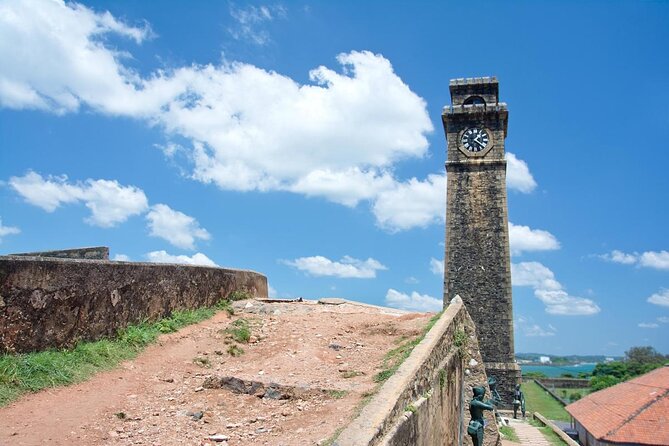
- Galle Fort + Dutch-era layers: Portuguese start in 1588, Dutch fortifications from 1649 onward
- Moonstone mine visit with real process talk: how raw stones come out, plus how deposits form
- Tsunami Honganji Vihara: a 30 m Buddha facing the ocean, honoring more than 2,000 victims
- Museum and church stops in Galle: included entry that makes the architecture make sense
- Private group up to 7: easier pacing than crowded group tours
- Air-conditioned transport + mobile ticket: a simple setup for a full day
Why this Bentota to Galle day trip actually works
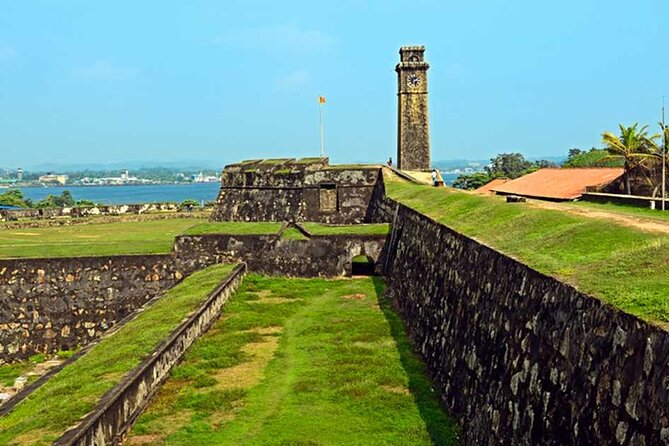
Galle is a “one-hour here, two-hours there” kind of place, and that’s where day tours can get messy. This one keeps the route sensible: start with a moonstone stop, swing through the Hikkaduwa tsunami memorial area, then settle into Galle for fort-walks, museums, and churches. When the logistics are tight, the day feels focused rather than rushed.
The private format matters too. A group capped at up to 7 means you can move at a human pace. If you’re the type who likes lingering by doorways, reading plaques, and slowing down for photos, this setup helps.
You’ll also ride in an air-conditioned vehicle, which is a big quality-of-life factor in Sri Lanka heat. It won’t make the day short, but it keeps energy up for the outdoor walking in Galle.
You can also read our reviews of more tours and experiences in Bentota.


Moonstones first: what you learn before you shop (or skip shopping)
The morning start at a moonstone mine and gem manufacturing site is one of the best parts of this itinerary because it gives you context. You don’t just see finished stones; you get a look at how moonstones are dug out from the earth as raw materials, and you’ll hear an explanation of the process on site.
What makes this stop feel real is the way the deposits are discussed in simple terms. Sri Lanka’s moonstone comes from different types of deposits—more common sedimentary deposits shaped by wind and water weathering, and less common primary deposits found within the bedrock itself. That kind of explanation helps you understand why people talk about Sri Lanka moonstone as something special, without needing to be a geologist.
If you like shopping, you can buy moonstones at the site. If you don’t, it’s still a good stop because you’re seeing labor, tools, and the workflow, not only a retail counter. Just know the visit is short (about 30 minutes), so you’ll want to ask questions early if you’re curious.
Tip: if you’re sensitive to sales pressure, set your goal before you arrive—either ask about the process only, or treat the buying area as optional window dressing.
Hikkaduwa tsunami memorial stops: paying respects with space to reflect
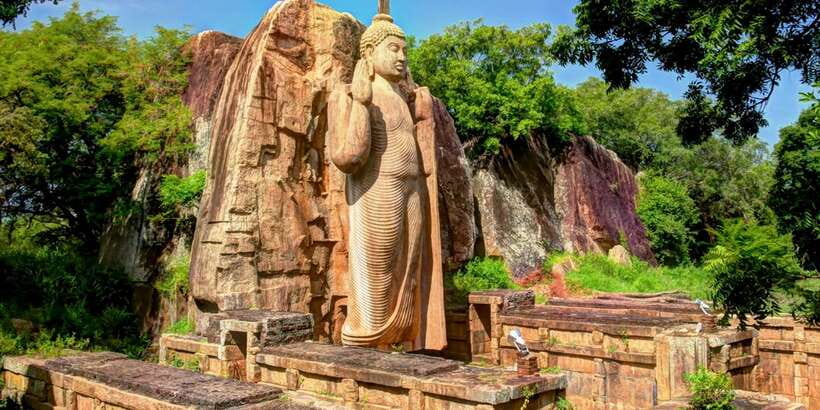
After the moonstone visit, the tour heads toward the Hikkaduwa tourist area for tsunami remembrance. The highlight stop here is Tsunami Honganji Vihara, with its striking 30 m tall Buddha statue facing the ocean. It commemorates more than 2,000 victims of the 2004 tsunami.
This part of the day has a different emotional tempo than the fort and the shops. You’re not dealing with “scavenger hunt” sightseeing. You’re visiting a memorial, and that means it’s worth slowing down, standing still for a moment, and letting the place do its job.
The itinerary also includes visiting the tsunami museum and paying tribute to a tsunami memorial monument in the area. Put simply: you get context first (museum), then you land at a major visual anchor (the tall Buddha statue). If you like your memorial experiences structured—learn a bit, then reflect—this order makes sense.
Good to know: this stop is brief (about 20 minutes) and admission is free, so it fits neatly into the full day plan. Don’t expect a long, guided lecture here. Do expect a quiet moment that resets the day.
Entering Galle Fort: Portuguese beginnings, Dutch muscle
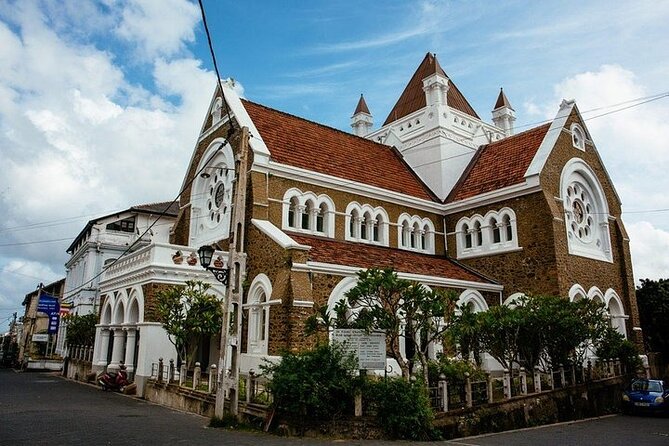
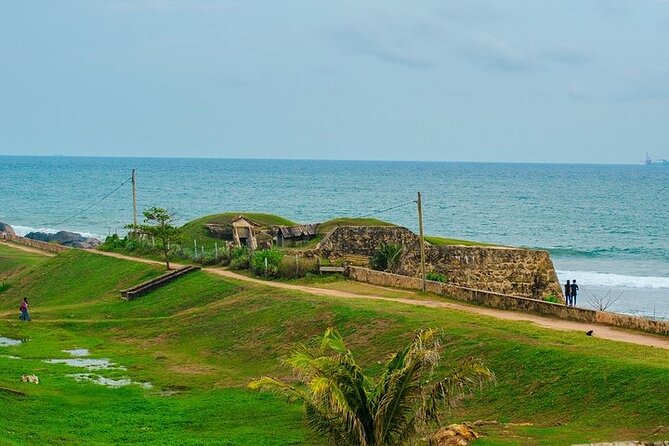
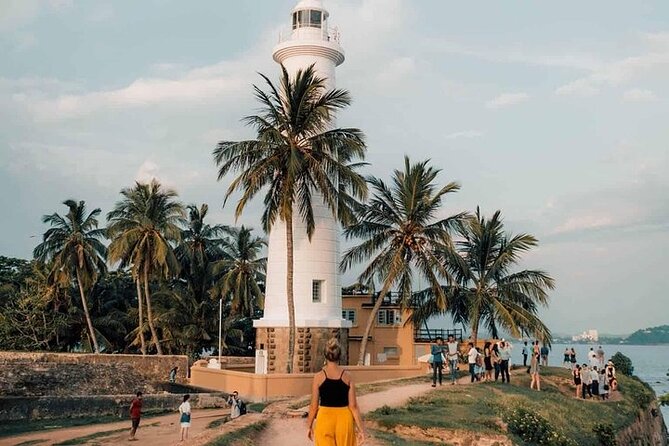
Once you reach Galle, you’ll get a major block of time in the fort zone—about 3 hours. Galle Fort sits in the Bay of Galle on the southwest coast, and it’s famous for the way layers of European power shaped the city’s defensive layout.
Here’s the quick historical anchor you’ll hear in the fort area: it was first built by the Portuguese in 1588, then Dutch fortifications expanded it heavily from 1649 onward. When you walk the ramparts and look at the fort structures, you start noticing how changes over time leave fingerprints on stonework, layout, and fort design.
This is the kind of place where you don’t need to memorize every date. You just need time. Three hours is enough to walk portions of the walls, wander inside the fort streets, and stop for photos without feeling like you’re racing a clock.
Practical note: you’ll be outdoors for parts of the fort visit, so bring sun protection and wear shoes that handle uneven ground. If you’ve ever done a fort walk in old cities, you know how quickly comfort becomes the difference between enjoying it and rushing it.
Beyond the walls: museum + churches that explain the buildings
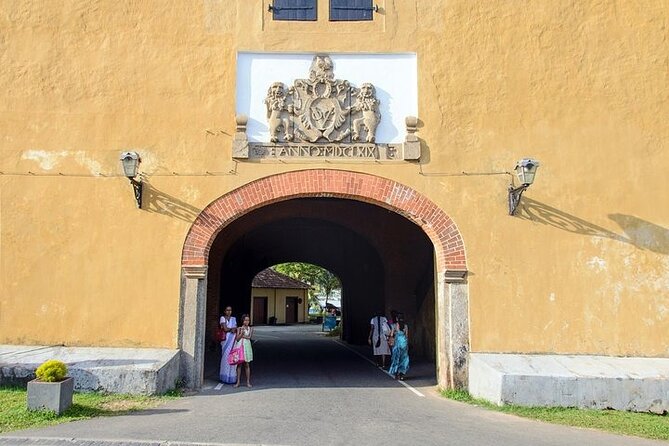
Inside Galle, the tour doesn’t stop at ramparts. You’ll also visit Galle’s national museum and included church stops that help you read the city as a sequence of eras, not one single postcard.
The Galle National Museum entry is included, so you get a smoother experience with fewer ticket stops to manage. The goal isn’t just to see objects—it’s to understand how the city grew, changed rulers, and developed its built character.
You’ll also visit two major church stops: the Church of Ceylon (Anglican Church in Sri Lanka) and a British church. These visits are valuable because churches often show the “everyday” side of colonial-era presence: community life, architectural style, and how different groups shaped the urban fabric.
If you care about architecture, you’ll appreciate having these stops around the same time you’re walking the fort. The buildings start telling the story in a more complete way.




Galle main city time: lace, antiques, and brass-work browsing
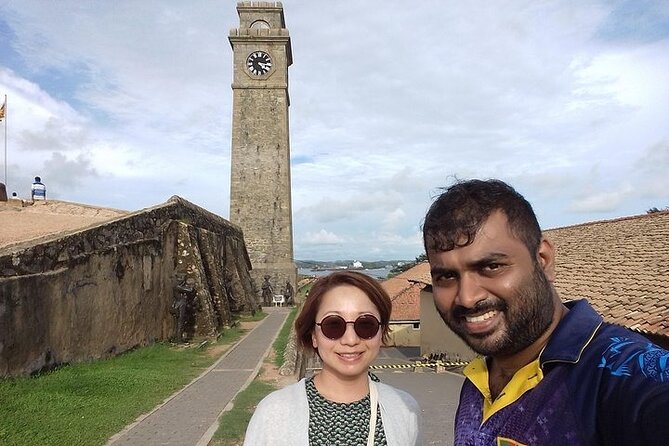
Galle is famous for its lace, and the city’s streets around the fort are filled with craft and antique-style shopping—jewelry, ceramics, Dutch-period furniture, and brass work are all mentioned as part of the area’s character. This tour’s structure gives you a chance to experience that side of Galle, rather than treating the town like a drive-by.
This is where your personal style matters. If you enjoy browsing, you’ll likely love the mix of small artisan-style shops and older-style pieces. If you don’t like shopping, focus on the environment: doorways, workshop windows, and the overall feel of the fort-city streets.
A simple strategy: set a time boundary in your head. You have a limited day, and spending it entirely inside a store can shrink the rest of the experience.
Also, try not to judge prices instantly. In tourist centers, prices can reflect foot traffic more than quality. If you’re buying, ask questions and look carefully.
Price and Logistics: what $69 per group really buys you
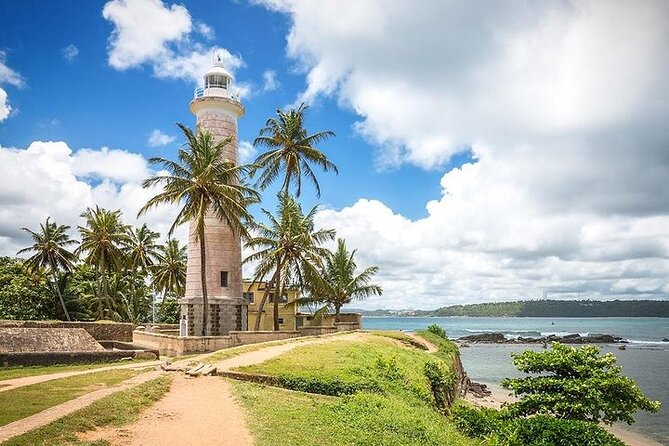
The price is $69.00 per group (up to 7), and it runs about 8 hours. That pricing structure can be a strong value if you’re traveling with friends or family. If you split the cost across 7 people, the math works out to under $10 per person before you even think about admissions—though your real per-person cost will depend on your group size.
Another value point: admission coverage is handled in a way that keeps you from hunting tickets all day. Galle Fort is listed with admission ticket free, Tsunami Honganji Vihara is also free, and the moonstone mine/gem palace stop is free entry. Galle National Museum, the Dutch Fort stop, and the Church of Ceylon / British church entries are listed as included.
Transport is included too: you’re in an air-conditioned vehicle, with pickup offered. Add in a mobile ticket, and the day feels easier to plan than DIY hopping between Bentota, Hikkaduwa, and Galle.
What’s not included is important: lunch, breakfast, and dinner. So plan snacks or budget for a meal stop during the day. If you start hungry, everything gets less enjoyable, including forts.
One more small but real point: confirmation is received at booking. If you’ve ever had last-minute confusion on tours, you’ll appreciate simple, clear setup.
How to pace yourself for an 8-hour old-city day
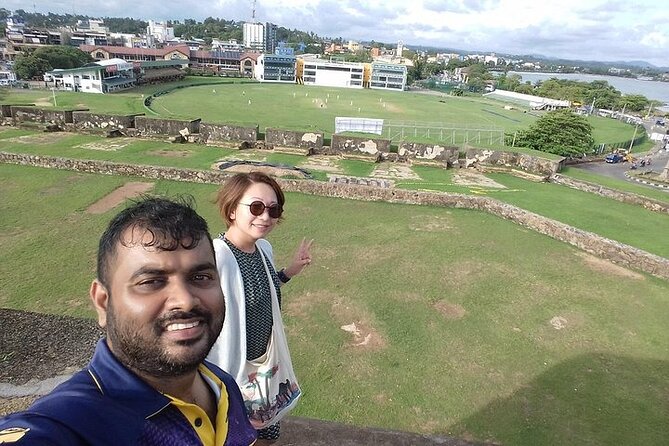
This tour is long enough that a little planning pays off. You’ll combine outdoor walking in the fort zone, a memorial stop, and a mine/workshop visit. Even though some entries are free and stops are short, you’ll still rack up time on your feet.
My practical checklist:
- Wear comfortable shoes with grip for uneven surfaces in old parts of Galle
- Bring water and sun protection (you’ll spend time outdoors)
- Have a light layer for AC rides, especially if you’re sensitive to temperature swings
- If you want moonstones, decide before you get to the buying area—either commit to browsing or keep it process-only
- For the tsunami memorial stop, plan to be present for at least a few minutes, not just passing through for photos
If your group has a proactive driver, the day can flow even better. I’ve seen accounts of drivers like Sameer who managed the itinerary well and handled requests without drama. Even if you don’t get the same person, the overall idea is the same: good guiding turns a good route into a smooth day.
Who this tour suits best (and who might want a different plan)
This is a strong fit if you want a structured day with major highlights that don’t require heavy planning on your side. You’ll appreciate the mix: European fort architecture, museum and church context, and a meaningful tsunami remembrance stop. The private group format also suits families and small groups who want flexibility.
It’s also a good option if you’re basing yourself around Bentota and don’t want to wrestle with transportation to reach Galle and Hikkaduwa efficiently.
You might consider a different tour if:
- You dislike any stop that includes on-site selling, even if the mine visit is also educational
- You prefer longer museum time instead of multiple short, varied stops
- You want a fully independent day where you control every minute
Most people can participate, and the tour covers a mix of short indoor/outdoor segments that don’t require technical skills.
Should you book this Galle Fort tour?
Book it if you want a single-day plan that hits the big icons of Galle—fort ramparts, museums, churches—plus a moonstone visit that explains how the stones come from the earth. The tsunami memorial stop is brief but powerful, and it gives the day emotional weight instead of making it purely sightseeing.
Skip booking only if the idea of a gem site with optional purchases will annoy you, or if you’d rather spend a full day in Galle rather than covering multiple stops. With air-conditioned transport, a private group size up to 7, and admissions handled well across the route, this is the kind of tour that feels efficient without being cheap-feeling.
If your goal is a well-paced highlights day from Bentota that still includes meaning and craft, this one is a solid choice.
FAQ
What is the price for this tour?
It costs $69.00 per group, up to 7 people.
How long does the Galle Fort tour take?
The duration is about 8 hours.
Where does the tour take place?
The tour is in Bentota, Sri Lanka.
Does the tour include pickup and a mobile ticket?
Pickup is offered, and the tour uses a mobile ticket.
What vehicle is included?
An air-conditioned vehicle is included.
What are the main stops on the route?
The tour includes the Galle Dutch Fort area, Galle National Museum, a Dutch fort stop, the Church of Ceylon (Anglican Church in Sri Lanka) and a British church, Tsunami Honganji Vihara, and the moonstone mines and gem palace.
Are admission tickets included?
Some are free (Galle Fort, Tsunami Honganji Vihara, and the moonstone mines/gem palace), while others are included (Galle National Museum, the Dutch fort stop, and the church visits).
Is lunch provided?
No. Lunch and breakfast/dinner are not included.
Is this tour private?
Yes. It’s a private tour/activity, and only your group participates.
What is the cancellation policy?
You can cancel for free up to 24 hours in advance for a full refund. If you cancel less than 24 hours before the start time, no refund is given.
Is it near public transportation?
Yes, it is near public transportation.