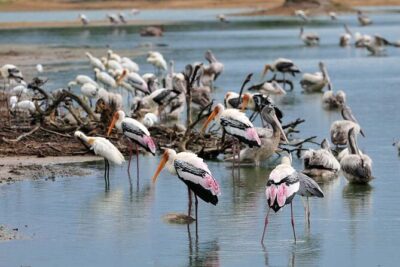
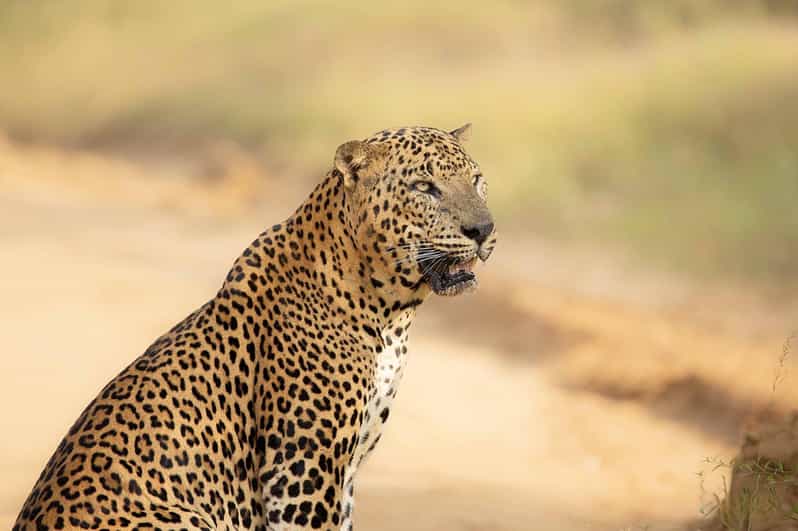
Leopards are the star here. This Ella-to-Yala safari is built around that chance, with a 4×4 safari jeep and an experienced English-speaking guide doing the animal-finding legwork while you focus on spotting. I also like the practical setup: complimentary pickup from your Ella-area hotel and a later drop-off in Galle, Hikkaduwa, Mirissa, Tangalle, or nearby towns.
The main drawback is the day can be long, and your results depend on where animals are that hour. If you’re starting farther from Yala or you care about a specific animal like elephants, plan for the possibility of slower sightings, plus remember park tickets and food are not included.
In This Review
- Key highlights to know before you go
- How the Ella to Yala day works (and why it’s convenient)
- The in-park plan: a guided 4 hours with multiple habitats
- The 4×4 safari jeep: comfort, control, and spotting strategy
- Animals to hope for: leopards, elephants, bears, and birds
- Pickup and drop-off: comfort plus the risk of long travel days
- Price and value: $37 a person vs what you still pay
- Food, tickets, and simple ways to avoid a bad day
- Who this safari suits best (and who should choose another option)
- Should you book the Ella to Yala safari with coastal drop-off?
- FAQ
- How long is the full tour from Ella to Yala?
- How long do we spend in Yala National Park?
- Are pickup and drop-off included?
- Are the Yala National Park entrance tickets included?
- What vehicle do you use for the safari?
- How big is the safari jeep group?
- Is there a guide, and what language do they speak?
- What should I bring and what is not allowed?
Key highlights to know before you go
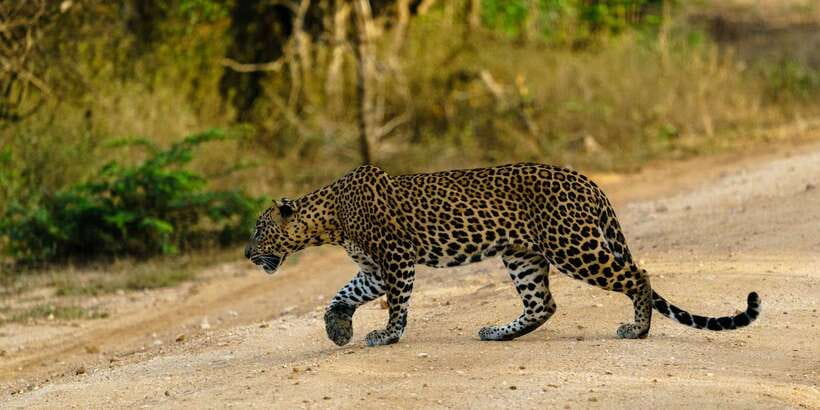
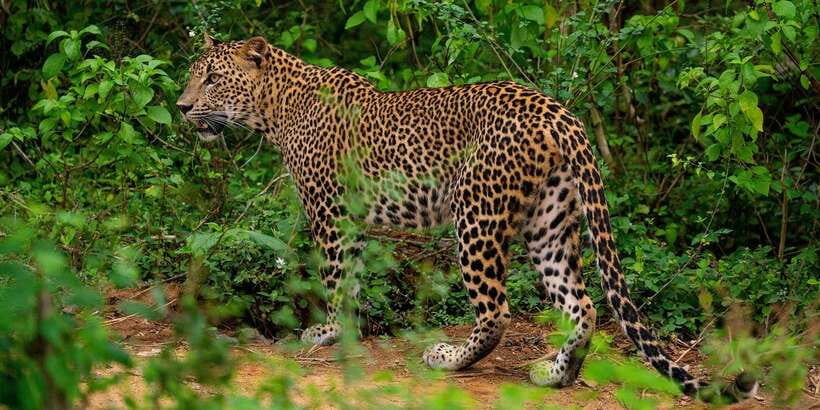
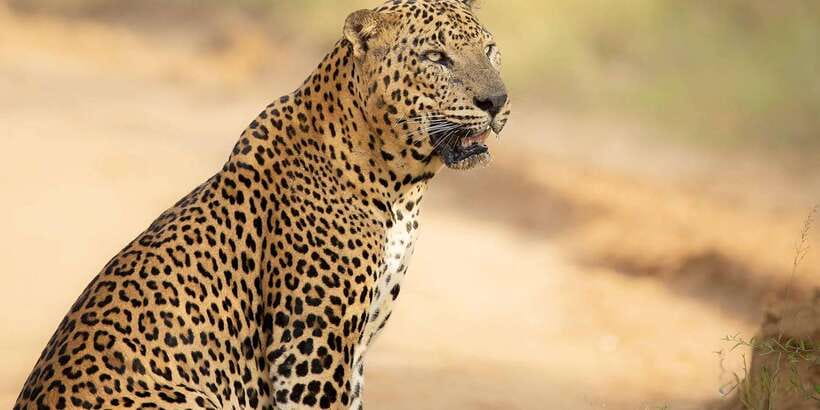
- Yala’s big draw: the park is known for leopards, with a real shot at seeing them during a focused in-park session
- 4×4 safari jeep time matters: you get a guided run through different habitats and waterholes
- Small-group feel: the safari jeep is set up for comfort, with a max of 6 passengers
- Birding payoff: expect a heavy bird load, with over 200 species in the park
- Coast-to-coast convenience: hotel pickup in Ella, then drop-off across the south coast towns
How the Ella to Yala day works (and why it’s convenient)
This tour is designed as a one-way wildlife day. You get picked up from Ella (and there are also several pickup options listed across the south), then the day centers on Yala National Park, before ending with a drop-off on the coast like Galle, Hikkaduwa, Mirissa, Unawatuna, Weligama, or Tangalle.
The duration is listed as 10 to 17 hours, which covers more than just safari time. You’re factoring in road travel, getting set up at the park entrance area, and the drive back to the coast. That spread is exactly why it can feel either efficient or exhausting, depending on where you’re picked up and dropped off.
You also get to choose a safari start time. That matters in wildlife viewing because Yala can change fast with heat and light. If you’re flexible, you’ll usually have the best odds when the schedule lets you hit prime daylight conditions rather than sitting in the car for long stretches.
You can also read our reviews of more tours and experiences in Kataragama.

The in-park plan: a guided 4 hours with multiple habitats
Once you enter Yala, the core safari block is about 4 hours, listed as photo stops plus a guided tour and sightseeing. In plain terms: you’re not doing an all-day “slow drive” that stretches forever. You’re going out with enough time to cover varied terrain, then you move on with the rest of the day.
Yala is a mix of settings that wildlife uses differently:
- dense jungle patches (good for hiding spots and quick darting sightings)
- open grasslands (often better for spotting larger animals from a distance)
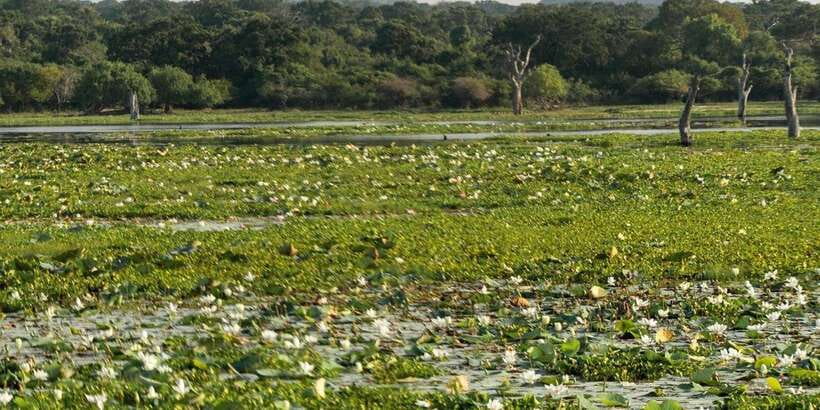
- waterholes and nearby edges (where predators and prey can overlap)
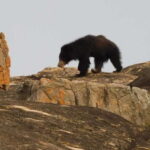
That habitat variety is key because it’s one reason the tour can realistically target animals beyond just one species. The experience description calls out leopards, elephants, deer, monkeys, and sloth bears, plus crocodiles. The big bird note is also important here: with over 200 bird species in the park, even a day that’s quiet for the big cats can still feel worth it if you like birdlife and watching animal behavior.
One caution: wildlife viewing is not a vending machine. Even when the tour is well run, you’re still at the mercy of where animals are that day. That’s why this safari is worth booking when you’re okay with a “hunt, not guarantee” mindset.
The 4×4 safari jeep: comfort, control, and spotting strategy
The transfer from your hotel is handled by an air-conditioned luxury vehicle, and then you switch into a 4×4 safari jeep for the park portion. The safari jeep is described as comfortable and small-group, with a max of 6 passengers.
That small size matters. In a larger jeep, you can end up squeezed into awkward angles with constant seat shifting. In a tighter group, it’s easier to keep your camera ready and react quickly when the guide calls out movement.
Your guide is central to the experience. The tour information emphasizes experienced guidance, and the vibe you want is someone who reads the park like a map: where to wait, when to reposition, and how to manage time during those 4 hours. In real-world feedback from similar trips, the best outcomes usually line up with guides who stay focused and share clear info about what you’re seeing.
Practical tip for your photos: be ready to shoot fast. In Yala, sightings can be brief and distance can change quickly. If you’re bringing a phone, set up your camera beforehand (brightness and focus). If you’re bringing a larger camera, keep settings saved so you’re not hunting through menus when something appears.
Animals to hope for: leopards, elephants, bears, and birds
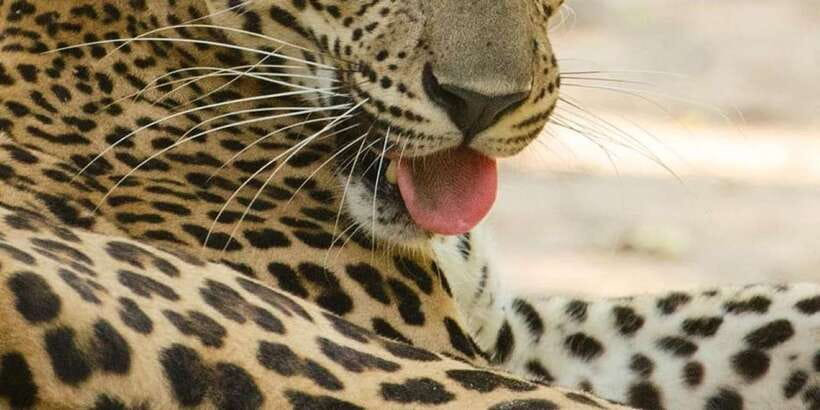
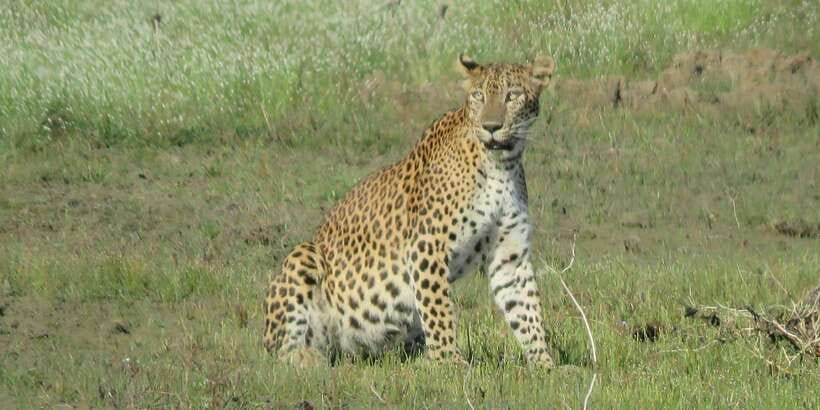
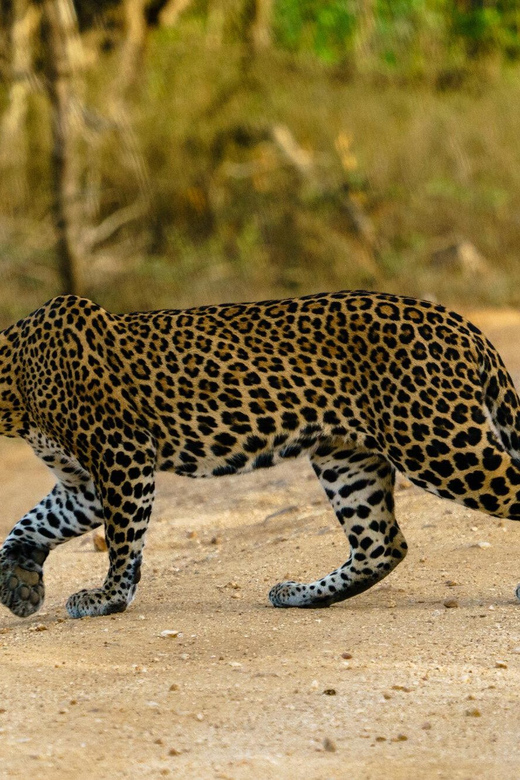
Let’s talk reality and odds. This safari is marketed around Yala’s dense leopard population, big elephant herds, and strong birdlife. If your priority is leopards, Yala is a sensible target. Multiple experiences tied to this route have included leopard sightings, including cases where people saw them in pairs, which is the kind of moment you remember long after the safari ends.
Elephants can be impressive in Yala, but they’re also more variable depending on time and water availability. One caution from experience on this kind of route: it’s possible to leave without seeing the number of elephants you expected, even with a well-driven jeep and an active guide. If elephants are your top must-see, plan to stay flexible and keep your energy up for birding and other mammals in the meantime.
You can also realistically encounter:
- deer and other smaller mammals
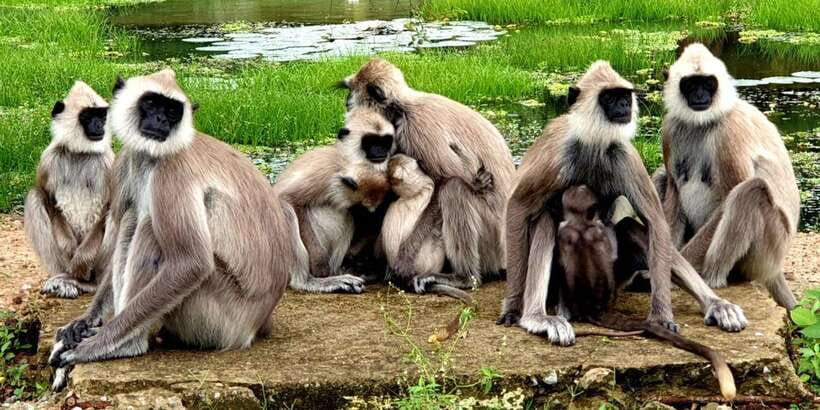
- monkeys
- sloth bears (described as part of the target wildlife)
- crocodiles (listed in the overall safari highlights)
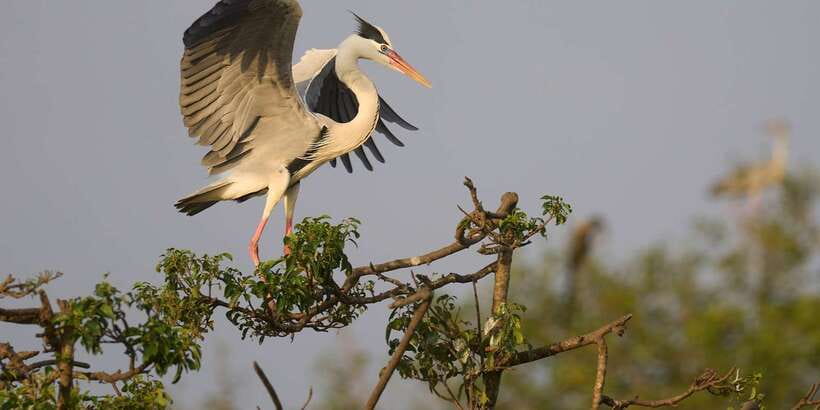
- lots of birds, including toucan-type birds and other colorful species noted as part of memorable sightings
The key is to watch behavior, not just bodies. Even when you don’t see the full cast, you can often learn what’s happening: tracks near water, animals calling, birds reacting to movement, and the general rhythm of predator-prey zones. That’s how a “not perfect” safari can still turn satisfying.
Pickup and drop-off: comfort plus the risk of long travel days
This tour includes complimentary pickup and drop-off, with pickup options in the Ella area and several other towns. It ends with drop-off in places like Galle, Hikkaduwa, Mirissa, Unawatuna, Weligama, or Tangalle (nearby area coverage is mentioned for the list).
Here’s the trade-off. Convenience is great, but it can turn into a long day. If you’re picked up early, you’re giving away sleep and compressing your buffer time. And if your start or end point is farther from the park, you’re more likely to feel the whole day in your bones, especially if you’re not used to long road hours.
In real life, the smoothness of the day depends on timing and coordination. The tour is set up with a clear instruction to wait in the hotel lobby 10 minutes before your scheduled pickup time, which is a good sign. Still, if you’re sensitive to delays, or you hate early wake-ups, it’s smart to keep your travel plan after the drop-off flexible so you’re not stacking another commitment immediately.

Price and value: $37 a person vs what you still pay
The published price is $37 per person, and that’s the number that makes a Yala safari from the Ella side feel doable. But the value picture has a big fine print item: national park entrance tickets are not included, and the ticket price is listed as Rs 13,000 per person.
Food & drinks are also not included. That might sound minor until you’re hungry and stuck in a long travel rhythm. For a long day with a focused 4-hour safari block, you’ll want to carry snacks and water if the tour day timing could put you past normal meal times.
So where does the $37 fit?
- It helps cover the transportation plan (hotel pickup and transfer)
- It covers the guided safari structure and jeep access as part of the service
- It covers the practical coordination that gets you into and out of Yala efficiently
If you already know you’ll pay the park ticket and you pack food or snacks, the overall cost can still feel fair for a small-group 4×4 safari format with guide support.
Food, tickets, and simple ways to avoid a bad day
Because food is not included, you need to think ahead in a practical way. Don’t count on being comfortably fed during the day. If your safari starts early or runs late, hunger will sneak up fast, and then even a great leopard sighting can’t fully rescue your mood.
Also, remember the basics you must bring: the tour asks for passport or an ID card. That’s the kind of thing that can wreck your day if it’s forgotten, so keep it in one place.
And check your physical comfort level. The tour is not suitable for pregnant women and for people with back problems. Safari jeep roads can be bumpy, even when the vehicle is comfortable.
Finally, alcohol and drugs are not allowed. If you’re the kind of traveler who likes to unwind, plan to do it later and keep the safari day clean and focused.
Who this safari suits best (and who should choose another option)
This is a strong match if you:
- want a guided wildlife day with small-group jeep comfort
- care most about predators like leopards (Yala is built for this)
- appreciate birdlife and watching animal behavior around water
- like the convenience of pickup in Ella and a coast drop-off afterward
It’s less ideal if:
- you’re traveling with back issues or you get uncomfortable on rough vehicle rides
- you want a full, predictable “elephants all day” experience
- you hate long travel days and early starts
One real-world lesson from this style of itinerary: your day length can feel dramatically different based on where you start and where you end. If you’re staying far west or deeper inland, the road time eats into your energy. When that’s your situation, you’re better off choosing a start point closer to Yala or a shorter format, if available.
Should you book the Ella to Yala safari with coastal drop-off?
I’d book it if your priority is Yala’s big-cat chance and you’re okay with a wildlife day that can’t be 100% guaranteed. The comfort of a 4×4 jeep for a guided 4-hour run, plus hotel pickup and a coast drop-off, is a simple value formula when you plan for entrance tickets and food.
Skip it or reconsider if you’re:
- strict about seeing a specific animal (like elephants) more than once or in large numbers
- sensitive to early pickup and long driving hours
- dealing with mobility or back comfort issues
- not willing to bring snacks, since food is not part of the deal
FAQ
How long is the full tour from Ella to Yala?
The total duration is listed as 10 to 17 hours, including transfers and the safari time inside Yala.
How long do we spend in Yala National Park?
The in-park safari block is listed as about 4 hours, including a guided tour and sightseeing/photo stop time.
Are pickup and drop-off included?
Yes. Complimentary pickup is included from Ella and other listed locations, and you’ll be dropped off in towns such as Galle, Hikkaduwa, Mirissa, Unawatuna (near area), Weligama, or Tangalle.
Are the Yala National Park entrance tickets included?
No. National park entrance tickets are not included and are listed as Rs 13,000 per person.
What vehicle do you use for the safari?
You travel to and from the park in an air-conditioned luxury vehicle, and you do the safari itself in a 4×4 safari jeep.
How big is the safari jeep group?
The safari jeep is described as accommodating up to a maximum of 6 passengers for the safari portion.
Is there a guide, and what language do they speak?
Yes, there is a live tour guide, and the language listed is English.
What should I bring and what is not allowed?
Bring a passport or ID card. Alcohol and drugs are not allowed.