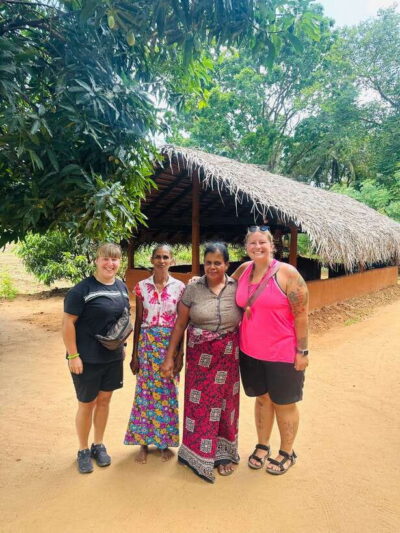
Woodfire curries beat restaurant meals every time. At Mom’s Kitchen in Ella, I love the small-group vibe and the hands-on woodfire cooking led by Irosha and her mother Kamala. You’ll learn by doing, not by watching, and the food lands right in that sweet spot between simple ingredients and big Sri Lankan flavor.
One heads-up: since the kitchen is partly outdoors and you cook over fire, weather and heat can affect comfort. If it’s raining or windy, plan for it (and bring a layer).
Key things that make this class worth your time
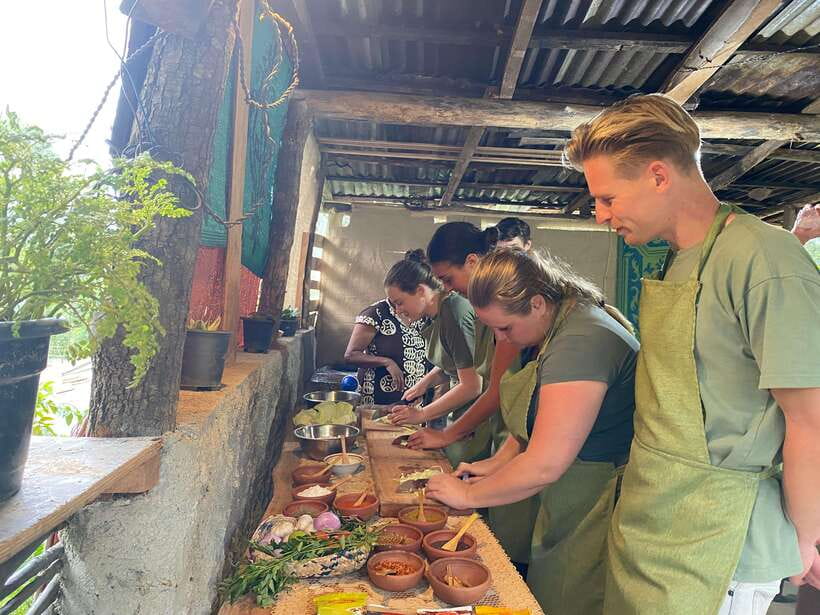
- Up to 6 people, so you get real attention while you chop, stir, and cook
- Woodfire cooking with traditional methods like grinding and stone rolling
- Irosha and her mother Kamala teach with clear English and patient pacing
- You’ll cook multiple dishes, often including coconut sambol, poppadoms, and curries
- You eat what you make in a communal meal, so nothing ends at the stove
- A lot of people leave with practical recipe notes, sometimes shared by WhatsApp
In This Review
- Mom’s Kitchen in Ella: a home-style class with real firepower
- Your 2-hour flow: kitchen tour, hands-on prep, and a communal meal
- The dishes you’ll cook: curries, sambol, poppadoms, and more
- Curries: your main event
- Coconut sambol and poppadoms
- Rice and dahl
- What about dessert?
- Woodfire methods and spice technique you can actually copy
- Fire stove cooking
- Grinding and stone rolling
- Using fewer ingredients for big flavor
- Learn the “why” behind the step
- What you’ll get at the end: full plates and notes for home
- Price and value: is $20 per person a fair deal?
- Practical tips: how to plan for the outdoor kitchen vibe
- Who this class suits best (and who might want a different option)
- Should you book Mom’s Kitchen Cooking Class in Ella?
- FAQ
- How much does Ella Mom’s Kitchen Cooking class cost?
- How long is the cooking class?
- What is the group size?
- What’s included in the experience?
- Is there free cancellation?
- Is the class taught in English?
Mom’s Kitchen in Ella: a home-style class with real firepower
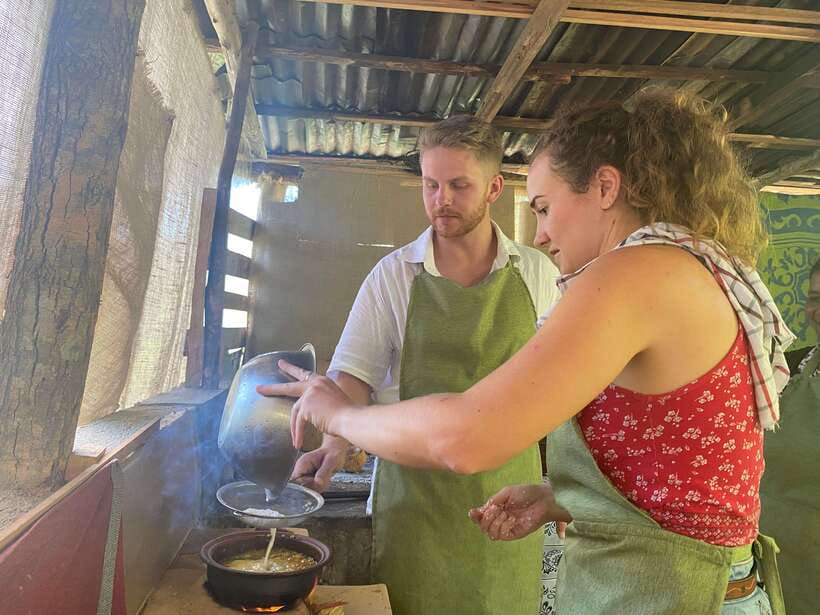
Ella has no shortage of things to do, but this is the kind of activity that keeps you grounded: food, hands, smells, and a kitchen you can actually picture back home.
Mom’s Kitchen (the experience is called Flavors of Tradition) is run as a family setup. The teaching duo is Irosha and her mother, Kamala, and you feel that family rhythm right away—warm welcomes, calm instructions, and a focus on getting you comfortable with the steps. One of the best parts is that it’s not “watch and hope.” The class is structured so you’re actively preparing dishes from scratch, including the kind of tasks you might only see in Sri Lankan kitchens: chopping, mixing, kneading, and working through spices with a plan.
I also like that the setting isn’t staged like a show. It’s a real working kitchen in Ella’s Eastern Province area, and you’re not stuck behind a counter. People report cooking indoors and outdoors depending on conditions, and a woodfire stove shows up as part of the day’s authenticity.
Your 2-hour flow: kitchen tour, hands-on prep, and a communal meal
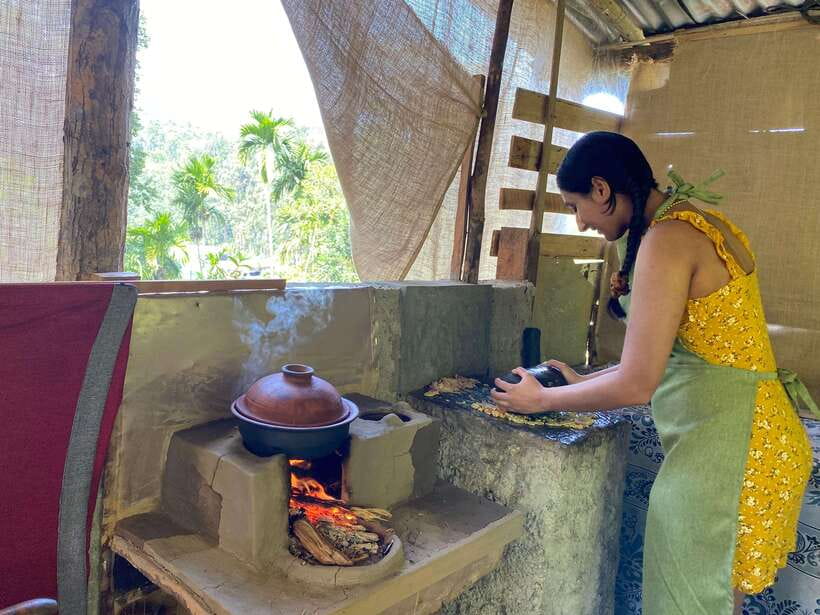
This runs about 2 hours, and it’s built to move at a friendly pace. In that short time, you get a quick sense of the “why” behind the “what,” then you get to work.
Here’s the typical rhythm you should expect:
First, you’ll settle in with a welcome and a short rundown of what you’ll be making. Then you get a kitchen orientation—tools, local ingredients, and the basic setup. This matters more than you might think. Once you understand what equipment they use and how ingredients are handled, the cooking feels repeatable instead of mysterious.
Next comes the hands-on part: you’ll prepare multiple courses. The cooking is taught in steps you can follow, from prep work like chopping and kneading to cooking actions like heating oils and building flavor through spices. You’ll have plenty of room to ask questions, and the pace is set so you can keep up without feeling rushed.
Finally, you sit down together and eat. It’s not just a “here’s your plate, bye” situation. This is a communal meal where your dishes land as the payoff for your work—often while watching the moment happen around you, like the sky changing at the end of the session.
Two practical timing notes:
- Small group size (up to 6) helps the instructors keep things on track.
- If you arrive later than planned, you’ll still be accommodated. People mention the hosts are patient if timing gets off.
You can also read our reviews of more tours and experiences in Ella Sri Lanka.

The dishes you’ll cook: curries, sambol, poppadoms, and more
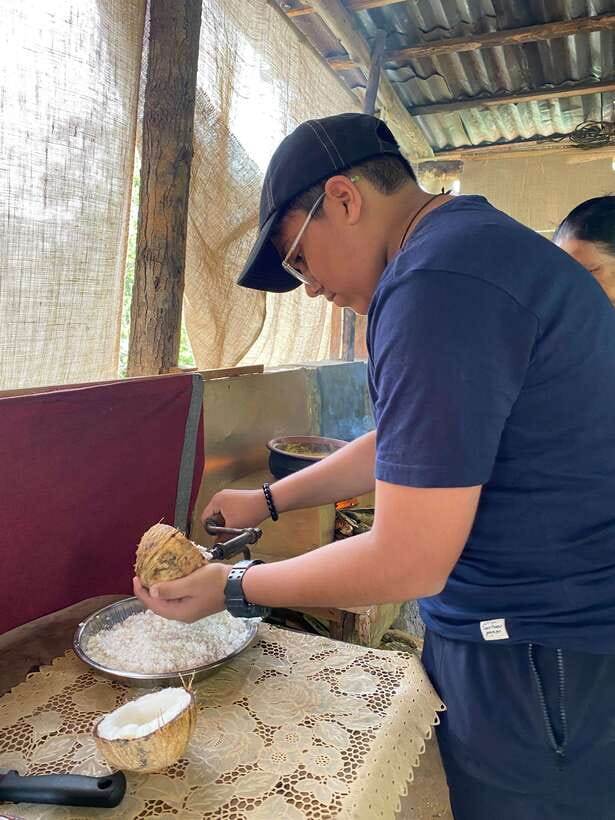
Sri Lankan cooking is about layering. In this class, you’ll experience that layering through several dishes that show how the cuisine works with straightforward ingredients and smart technique.
What you’ll make can vary slightly by session, but the cooking menu described in the experience and reflected in what people cooked includes core Sri Lankan favorites:
Curries: your main event
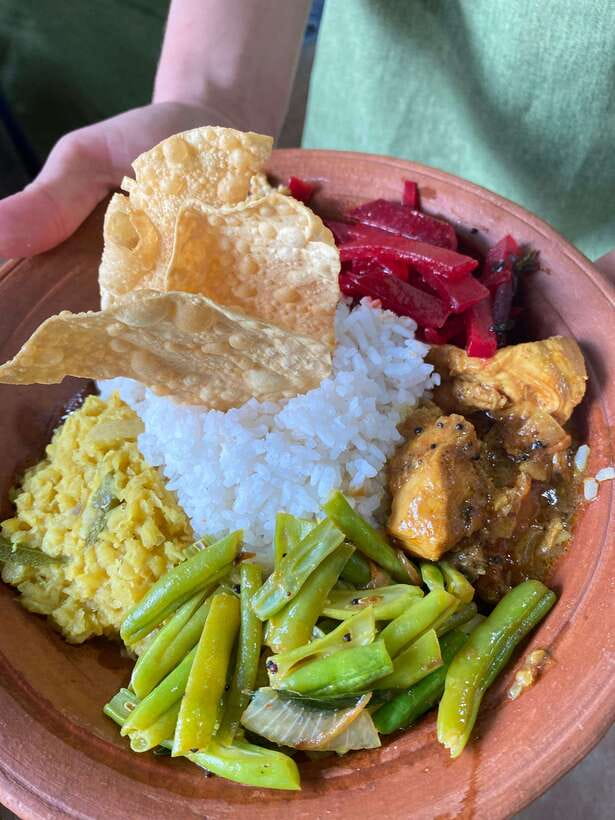
You’ll make several curry dishes, and many classes focus on multiple curries using a shared spice base. People often mention 4 curries, and in some sessions it can be more than that. Examples that show up in past classes include:
- chicken curry
- bean curry
- beetroot curry
- mango curry
A favorite theme in the feedback: even when the same spice set is used, each curry tastes distinct. That’s a key lesson for you at home—Sri Lankan flavor comes from how you combine, balance, and cook, not from using a different bag of magic for every dish.
Coconut sambol and poppadoms
Coconut sambol is frequently part of the meal, and poppadoms show up often too. Sambol is one of those dishes that looks simple until you try making it and realize how much comes down to texture and seasoning.
If you’ve ever thought you’d only eat sambol when it appears in restaurants, this class is a solid chance to demystify it. You’ll also learn how to pair it with your rice and curries so your plate feels like a Sri Lankan meal rather than just a “collection of food.”
Rice and dahl
Dahl (lentil curry) and rice are commonly served as part of the communal meal, with the class aiming for a full plate experience. The point isn’t just filling up—it’s understanding the order of flavors and how the curries interact with starch.



What about dessert?
The experience description says you’ll prepare courses that can include a sweet finish. Still, specific dessert types aren’t consistently listed in the details people shared. If dessert is part of your session, expect it to be taught as another course within the 2-hour window.
Woodfire methods and spice technique you can actually copy
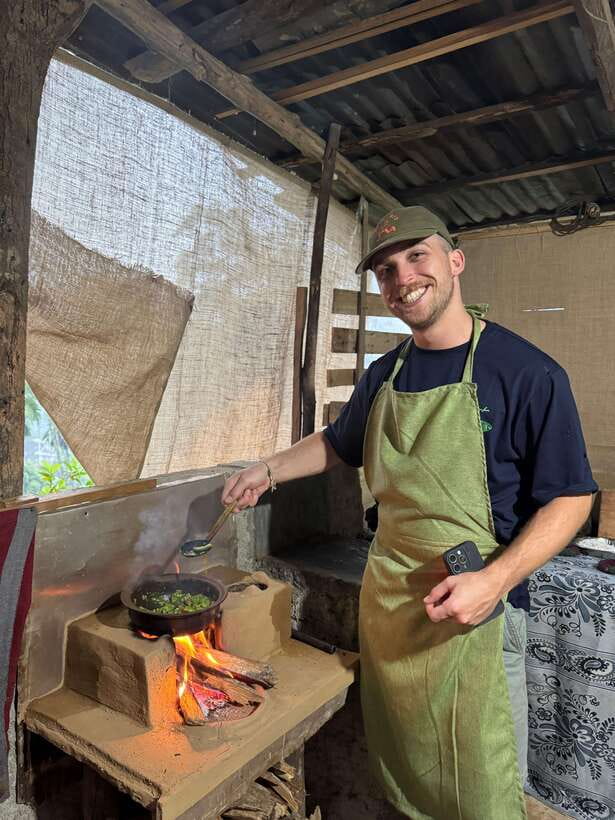
The biggest reason this class is popular isn’t the promise of authenticity—it’s the practical methods. You get taught the process, and that process transfers.
Fire stove cooking
Several people mention cooking over a woodfire or woodfire stove. That changes the whole feel of the cooking. It can add a smoky note and makes the kitchen energy feel more real. It also forces you to pay attention to heat and timing, which is useful knowledge for your own stovetop later.
Grinding and stone rolling
You may see traditional techniques like grinding spices and stone rolling. Even if your home kitchen doesn’t have the same tools, watching the method helps you understand what texture you’re aiming for. That’s the part that makes it repeatable.
Using fewer ingredients for big flavor
A lot of the teaching is about making dishes work with a relatively short ingredient list—if you treat spices and technique seriously. That’s why people leave feeling confident, not overwhelmed. You’re not learning 20 complicated steps. You’re learning how to build flavor with a clear order.
Learn the “why” behind the step
The hosts explain ingredient significance and cultural context as part of instruction. I appreciate that because it keeps you from turning the class into a memorization exercise. When you understand why something is added when it’s added, you can adapt at home without fear.
What you’ll get at the end: full plates and notes for home
Eating what you cook is a big deal. Here, you don’t just taste a sample; you sit down for a meal that includes what you prepared. That makes the class feel complete, like the instructors are showing you the whole workflow—from prep to eating.
It also helps that the food is described as delicious and plentiful. People talk about leaving full, and that tracks with how many curry dishes and sides are mentioned across sessions: rice, dahl, coconut sambol, poppadoms, and multiple curries.
Then there’s the practical payoff. At least some participants report that recipes are shared after the class, sometimes via WhatsApp. Even when you don’t get exactly the same delivery, the hosts’ clear English helps you remember the steps you need.
Price and value: is $20 per person a fair deal?
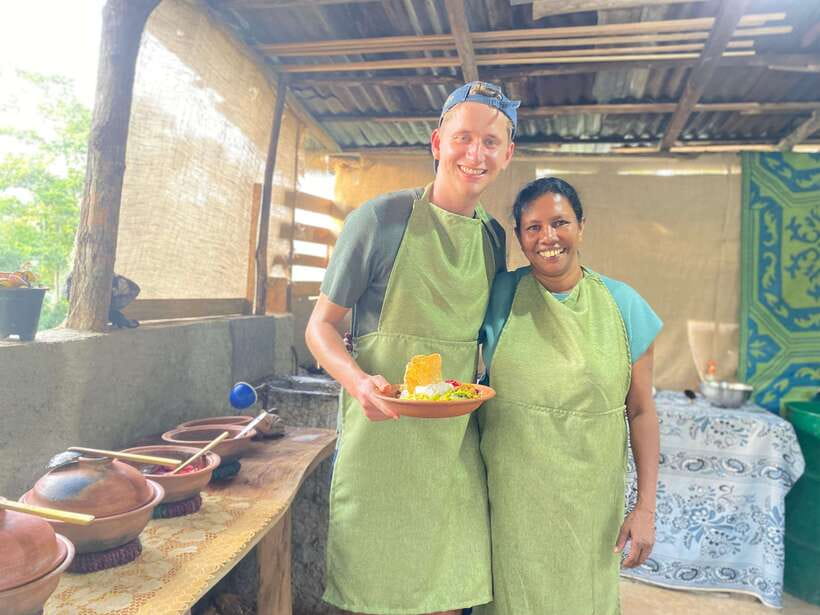
$20 per person for a 2-hour cooking class with a meal included is reasonable, especially in Ella where lots of activities are either more expensive or more “sit and watch.”
Here’s why the value feels strong:
- You get a small group setup (up to 6), which usually means better teaching attention.
- The meal is part of the experience, not an optional add-on.
- You’re cooking multiple curries and sides, using local ingredients.
- You’re learning methods that go beyond generic “how to make curry” instructions—woodfire technique, spice handling, and traditional steps show up.
If your goal is to leave with hands-on skill and a dinner you can repeat, this hits the mark. If your goal is only to taste a quick dish and leave, you might question the investment. But if you like cooking—or you’ve wanted to cook Sri Lankan flavors with less guesswork—this price-to-experience ratio usually works.
Practical tips: how to plan for the outdoor kitchen vibe
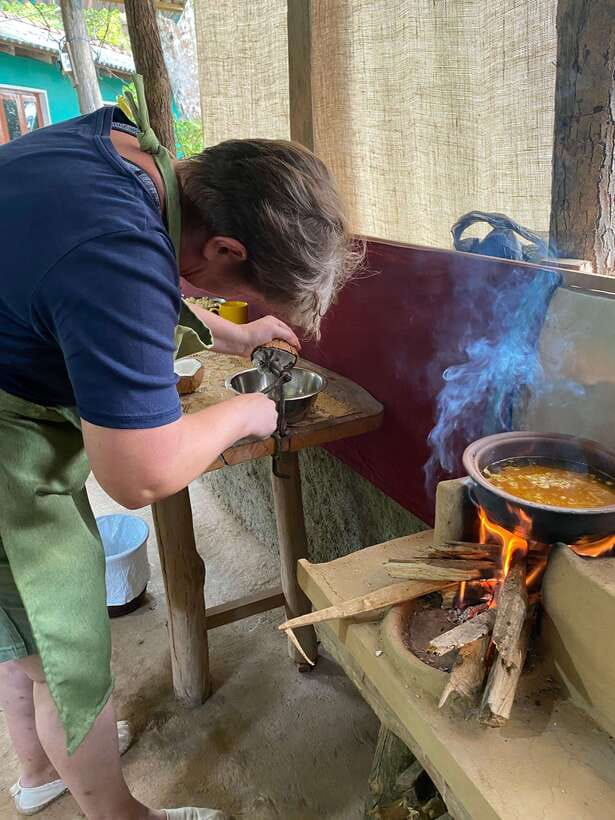
Because this class can be outdoor-focused and includes fire cooking, your comfort matters.
What I’d plan for:
- Wear clothes you can get warm in. If you cook close to fire, the heat adds up fast.
- Expect a mix of indoor/outdoor cooking depending on conditions. People mention good views and also mention rain, so don’t treat weather like it’s optional.
- Bring a small towel or expect to wipe hands and surfaces as you cook (the work is real).
- If you’re arriving from Ella traffic or timing gets messy, know the hosts can be patient. They often provide directions early, so you can reduce stress.
- Ask questions as you go. The format is built for interaction, and the hosts speak clear English (Irosha is often described as speaking English very well).
Also, note the class size means you’ll likely do real prep tasks yourself. That’s a plus for learning, but it also means you’ll be using your hands more than you might in a demo-style activity.
Who this class suits best (and who might want a different option)
This is a great fit if you:
- want a hands-on Sri Lankan meal experience in Ella
- like learning technique, not just collecting recipes
- enjoy spice work and cooking steps you can practice later
- travel with someone and want an activity that actually creates shared memories
It’s especially well matched for couples or solo travelers who want to meet hosts closely rather than rotate through crowds. The mother-daughter teaching style also makes it feel personal, and several people highlight how welcome and friendly the team is.
If you’re the type of person who hates cooking during travel, then this may feel like work. But if you’re curious and ready to chop, stir, and taste as you go, you’ll probably have a good time fast.
Should you book Mom’s Kitchen Cooking Class in Ella?
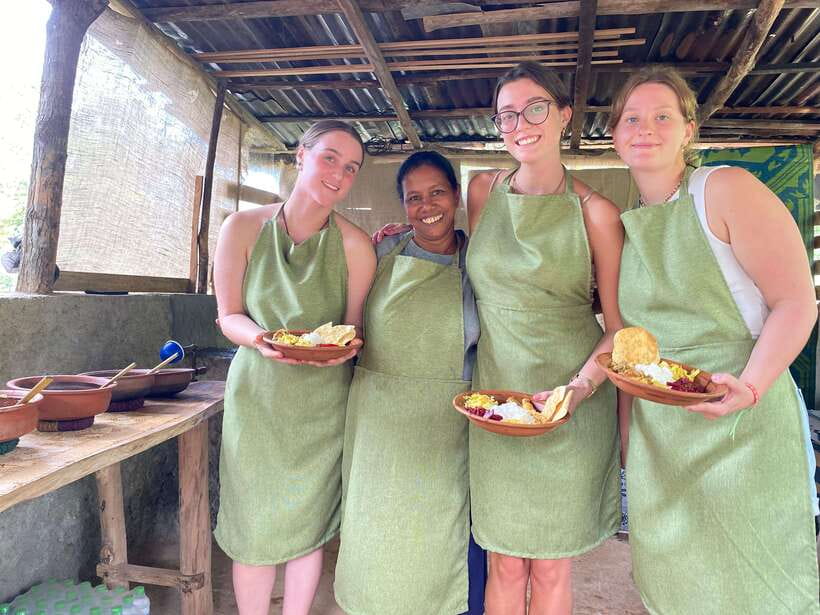
If you want a Sri Lankan meal you can cook again—and you don’t mind getting a little heat on your hands—this is an easy yes. The mix of woodfire cooking, small-group attention, and practical instruction led by Irosha and Kamala makes it more than “a class.” It’s a skill-building food evening with a real family vibe and a full meal at the end.
I’d skip it only if your schedule is incredibly tight or you’re hoping for a quick tasting tour with minimal time at the stove. Otherwise, for the $20 price and 2-hour format with food included, this is one of the more satisfying ways to spend an evening in Ella.
FAQ
How much does Ella Mom’s Kitchen Cooking class cost?
The price is listed as $20 per person.
How long is the cooking class?
The class duration is 2 hours. Starting times vary, so you’ll need to check availability.
What is the group size?
It’s a small group with a maximum of 6 participants.
What’s included in the experience?
The experience includes the cooking class, locally sourced ingredients, and the meal you eat at the end.
Is there free cancellation?
Yes. Free cancellation is available up to 24 hours in advance for a full refund.
Is the class taught in English?
Based on what people shared, Irosha speaks English very well, and instruction is described as clear and easy to follow.