Leopards rule Yala at dawn. I like the focused golden-hour timing and the way the guide helps you connect animals to what you’re seeing, from tracks to bird calls. One watch-out: the park entrance fee isn’t included, so plan a little extra beyond the $19 price.
This is a practical wildlife safari built around Yala National Park’s mixed habitats: light forests, scrubs, grasslands, and lagoons, with the park hugging Sri Lanka’s south-east coastline. You’ll ride in a 4WD jeep with an English-speaking guide and use the best viewing windows—either at sunrise in the morning or the last stretch before sunset.
Key takeaways before you go
- Golden Hours focus: your guide concentrates leopard-spotting during the first or last 2 hours of your drive
- 4WD vehicle time: you’re out where sightings happen, not stuck on the edge of the park
- Guide support for birds and animals: you get explanations and identification help while you’re scanning
- Lots of habitat in one outing: forests, scrub, grassland, and lagoons all show different wildlife patterns
- Rain-ready touring: when weather turns, the jeep can be adjusted so you’re not fully stuck
In This Review
- Yala National Park safari basics: why this 5-hour format works
- Golden Hours timing: morning 5am sunrise vs afternoon 2pm sunset
- Morning option: 5am start for sunrise
- Afternoon option: 2pm to sunset
- The key detail: leopard focus in the first or last 2 hours
- What you’ll actually be looking for: leopards, elephants, sloth bears, and more
- Leopards
- Elephants
- Sloth bears
- Water buffalo, jackals, spotted deer, peacocks, and crocodiles
- What about the “other animals and birds” part?
- Your 4WD jeep day: getting picked up and staying on track
- Picnic breakfast and water: small inclusions that change the day
- Park entrance fee: the one cost you must plan for
- Using guide spotting skills: how to get more from every hour
- What the scenery tells you about wildlife
- Photography during golden hours: what to expect from the light
- Who should book this Yala sharing safari?
- Price and value: is $19 a bargain here?
- Should you book? My quick decision guide
- FAQ
- FAQ
- How long is the Yala National Park sharing safari?
- What time does the morning safari start?
- What time does the afternoon safari run?
- Is breakfast included?
- Is water included?
- Do I need to pay the park entrance fee separately?
- What language is the tour guide?
- What ID do I need to bring?
- Is the safari refundable if my plans change?
Yala National Park safari basics: why this 5-hour format works
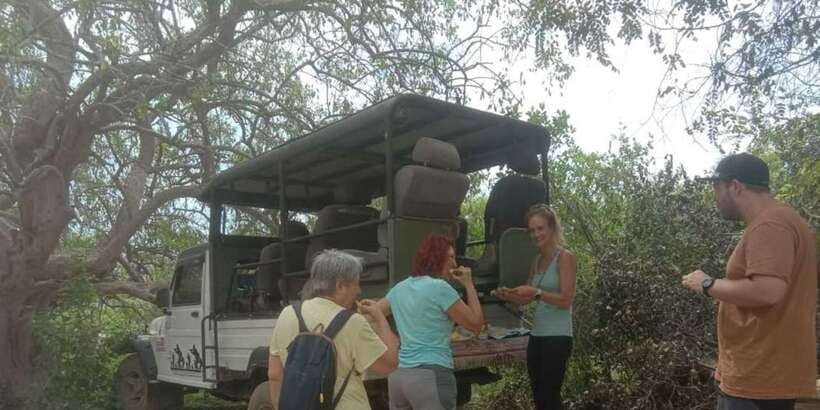
A 5-hour Yala safari is a sweet spot if you want big wildlife energy without losing your whole day to the logistics of long drives and long waits. The park covers a lot of ground, and the whole point of a short safari is to put you in motion early enough to catch active periods, then keep you scanning until the light drops.
What I appreciate here is the structure. You’re not just driving around hoping for luck. The day is split so your guide can aim for the action during the most productive viewing time, then switch to general wildlife search across the habitats Yala is known for.
You’ll also be in a park that’s genuinely built for wildlife spotting. Yala is home to 44 types of mammals and 215 species of birds. That matters because it increases your odds of multiple sight types—big mammals, smaller wildlife, and birds you might otherwise miss.
Golden Hours timing: morning 5am sunrise vs afternoon 2pm sunset
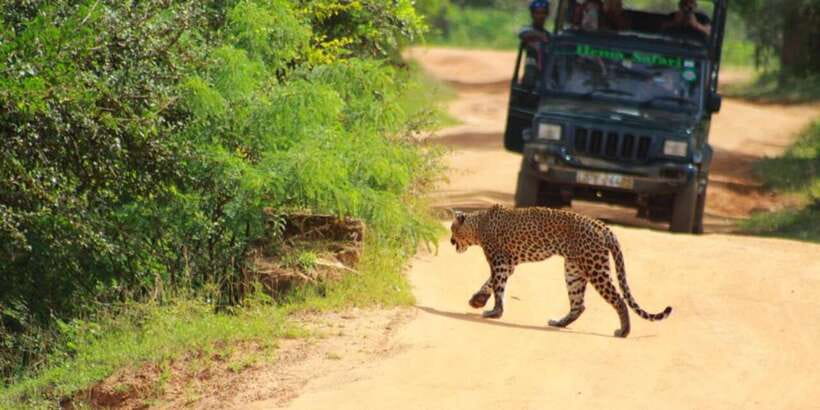
Yala opens at 6am and closes at 6pm, and your safari is designed around that daily rhythm.
You can also read our reviews of more tours and experiences in Kataragama.
Morning option: 5am start for sunrise
If you choose the early tour, pickup is around 5am from your hotel in the local area, aiming to be in position as the park opens at 6am. The idea is simple: you get a head start on the day’s movement and light. Animals often show differently in the morning—more browsing, more movement, and more chances for clear views while the air is calmer.
Afternoon option: 2pm to sunset
The afternoon option runs from about 2pm until sunset, with the park closing at 6pm. The last hour or two of daylight is often when you’ll see more back-and-forth movement. It’s also a great time for photography since you get warm color and longer shadows.
The key detail: leopard focus in the first or last 2 hours
No matter which option you pick, the guide uses either the first 2 hours or the last 2 hours for leopard spotting. That’s smart because leopards are the most sought-after animal in Yala, and the day is too short to treat leopard hunting like a random add-on. You’re given a real window to try for it.
What you’ll actually be looking for: leopards, elephants, sloth bears, and more
Let’s talk about the headline animals first, because Yala’s reputation is tied to them.
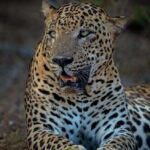
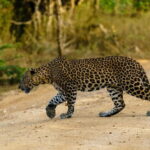
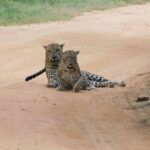
Leopards
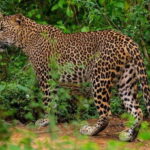
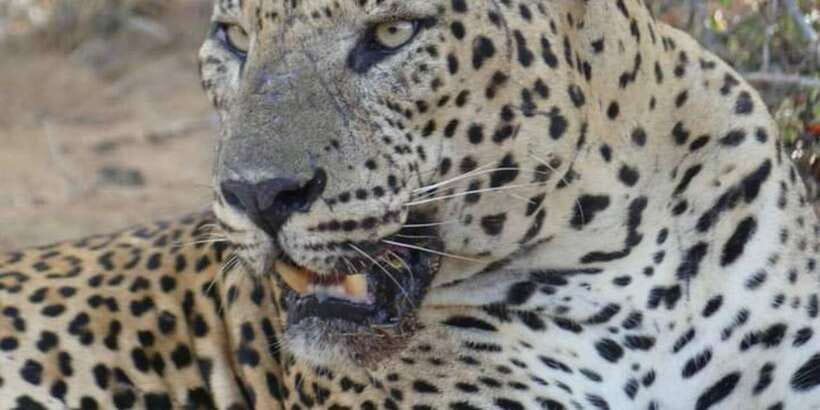
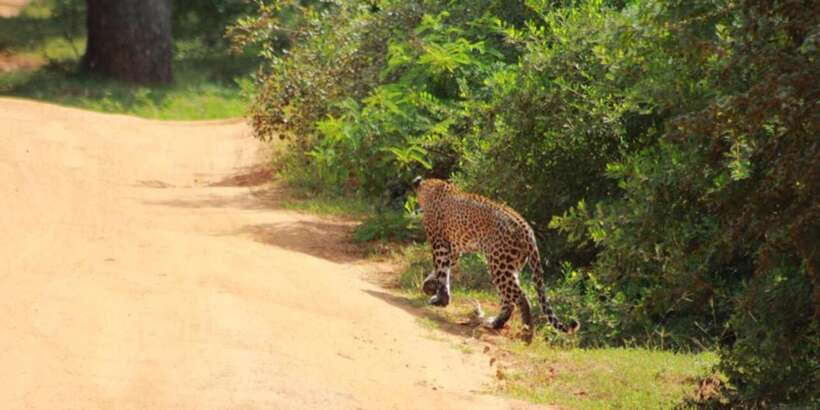
Yala is known for having a world-famous density of leopards in a concentrated area. In practical terms, that means your guide isn’t just looking for one leopard. They’re constantly scanning for movement, silhouette shifts, and the kind of stillness that often means something is watching from cover.
If you’re serious about a leopard safari in Sri Lanka, this timing-based search approach is the main reason this format makes sense.
Elephants
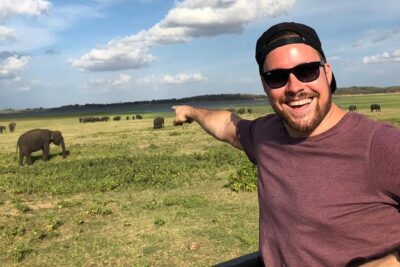
Elephants can show in grassland edges, near water, or moving through lighter forest patches. You’re not just watching for one moment; you’re driving through multiple habitat types, so the day gives you multiple chances for them to appear.
Sloth bears
Sloth bears are another reason people choose Yala. You’ll be searching for them while the jeep moves through different cover types. Bear sightings tend to come down to patience and good scanning, and your guide’s job is to make sure you’re not only looking where you personally expect wildlife to be.
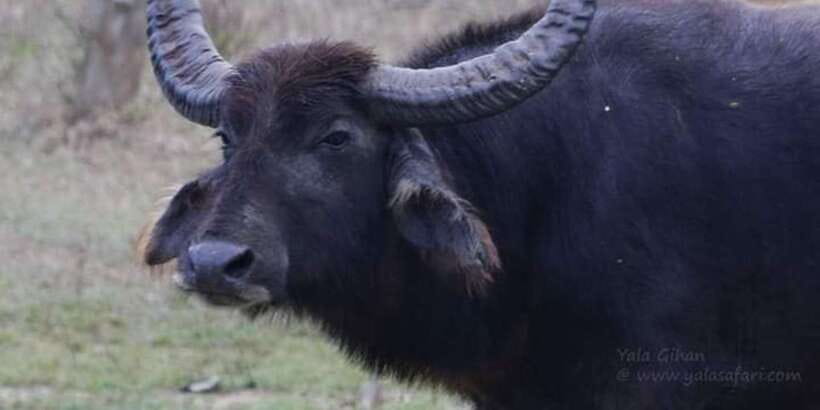
Water buffalo, jackals, spotted deer, peacocks, and crocodiles
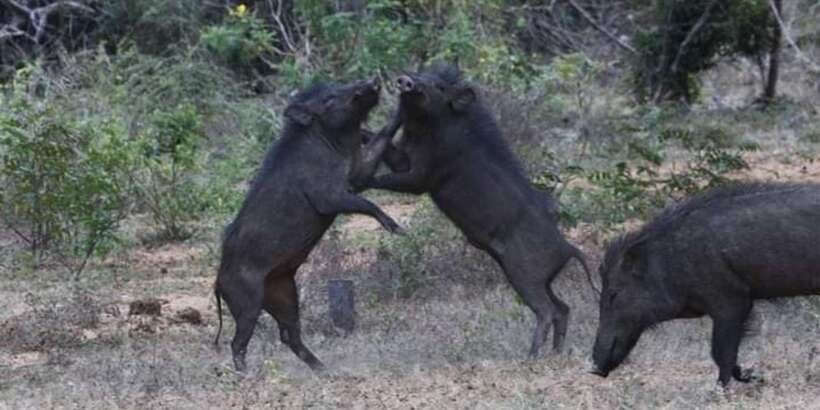
Yala’s wildlife list isn’t only mammals. You might see water buffalo, sambars, jackals, spotted deer, peacocks, and crocodiles. The park’s lagoon areas and wetter zones are especially worth paying attention to, because that’s where you can pick up both reptiles and birds.
What about the “other animals and birds” part?
This safari includes a guide who explains facts about animals and the area. In real life, that helps you spot more than you would alone. You learn what to look for—bird behavior, calls, and clues in the terrain—and you spend less time wondering what you’re actually seeing.
Your 4WD jeep day: getting picked up and staying on track
This experience is built around pickup and a straightforward route into the park. You’ll be collected either from your hotel in the local area or from the park entrance area. The driver will be holding a sign with your last name, and you should wait in the hotel lobby about 10 minutes before pickup.
There’s also a detail that matters if you’re staying somewhere that’s harder to find: the driver will pick you up at a designated city bus stop, based on the arrangement.
Then comes the practical reality of safari timing: the driver won’t wait more than 5 minutes after the scheduled pickup time. So if you’re traveling with anyone slow to wake up (or you’re the slow one), build in a cushion.
Picnic breakfast and water: small inclusions that change the day
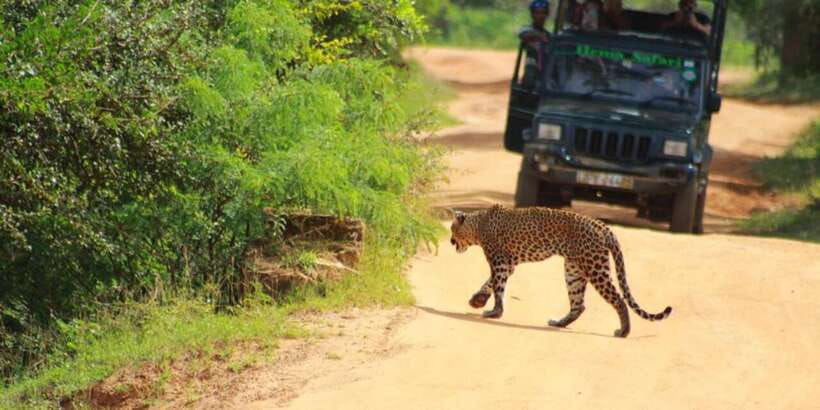
At $19, the inclusions are what make this outing feel like good value rather than a bare-bones ride.
You get:
- A picnic breakfast
- Water
- Hotel pickup and drop-off
- A luxury jeep
- An English live tour guide
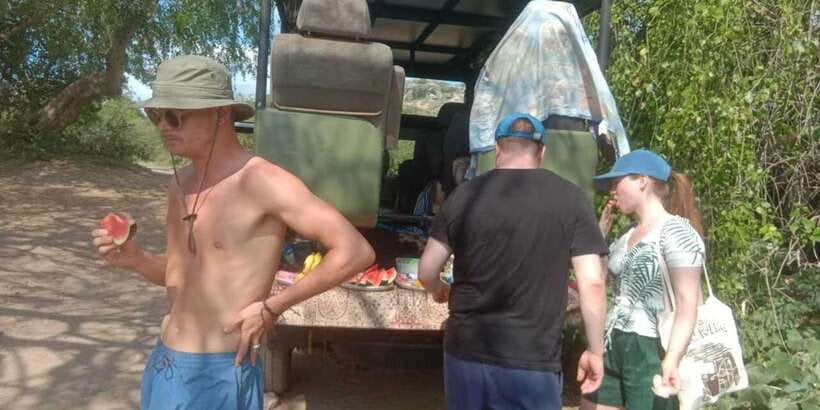
A picnic breakfast inside a 5-hour safari window is more than a snack. It keeps your morning or afternoon from turning into an energy dip, especially if you’re doing the 5am start. Water is also a big deal in Sri Lanka’s warmth, and it’s handy when you’re in the jeep scanning for wildlife for hours.
Park entrance fee: the one cost you must plan for
The price you’ll see advertised covers the safari service, jeep, guide, and the included meal and water. The one missing piece is the park entrance.
That sounds like a small line item, but it’s the difference between budgeting correctly and having a surprise at the counter. If you’re keeping costs tight, add the entrance fee to your total before you decide.
Using guide spotting skills: how to get more from every hour
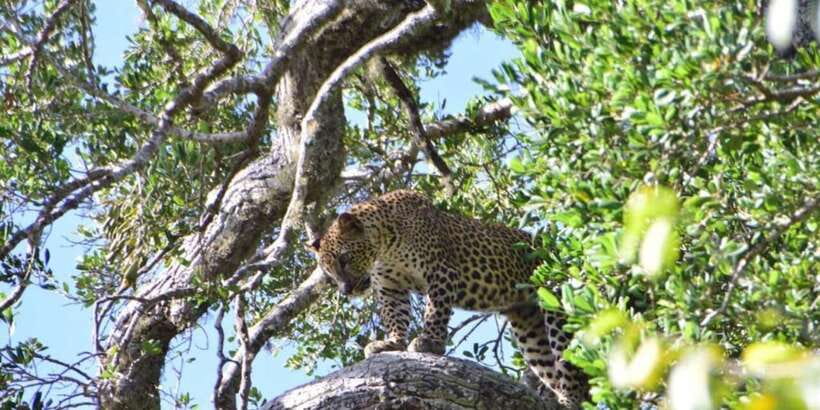
A good safari guide does more than name animals. They help you read the environment.
On this kind of Yala outing, the guide’s value shows up in three ways:
- Explaining what you’re seeing, not just listing wildlife
- Helping you identify birds and animals while you scan
- Navigating the best areas during your leopard-search window
There’s also a human touch here. When weather turns or visibility gets tricky, having an active guide who can keep your attention moving helps a lot. One real-world example: heavy rain can roll in fast, and the jeep may use side panels for around 30 minutes until conditions improve. When that happens, you still get the benefit of being inside a vehicle designed for safari conditions, not stuck out in the elements.
Practical tip: bring an ID document (passport or ID card) as required. It’s the one thing you want to avoid scrambling for at the last second.
What the scenery tells you about wildlife
You’re in Yala for wildlife, but the habitat types are the hidden cheat code.
You’ll move through:
- Light forests (good for cover and ambush behavior)
- Scrubs (often a mix of visibility and hiding places)
- Grasslands (useful for sightings at distance)
- Lagoons (where water draws animals in different ways)
Because the safari passes through multiple habitats, you get more than one “wildlife style.” A leopard might stay concealed in thicker cover, while elephants may show more in open areas, and birds can pop up as you shift your angle and depth of vision.
Also, since the park hugs the Indian Ocean on Sri Lanka’s south-east, you may notice the coastal feel in the broader environment. It’s one more reason the scenery feels varied even when you’re staying within a single park.
Photography during golden hours: what to expect from the light
If you care about photos, the golden-hour structure is a big advantage. Morning 5am to park opening at 6am gives you early, softer light. Afternoon timing leads you into warm tones as you move toward sunset, when animals can appear more actively in the open.
You’ll likely be switching between:
- tight scanning for movement
- longer pauses when something is quiet
- quick repositioning as the jeep navigates roads and viewing points
Bring a rain cover for your camera bag if you can. Rain can happen, and if the jeep adjusts to side panels, you’ll still want to protect gear while you keep shooting.
Who should book this Yala sharing safari?
This is a strong fit if you:
- Want a leopard-focused Yala safari in a manageable 5-hour chunk
- Prefer structured timing (morning sunrise or afternoon sunset) over a full-day commitment
- Enjoy learning while you look, especially about birds and animal behavior
- Like the idea of a guided 4WD drive through multiple habitat types
It may not be the best fit if you:
- Are pregnant (the activity isn’t suitable for pregnant women)
- Want long, slow sightseeing time with lots of breaks not built into a safari schedule
- Don’t want to pay extra for the park entrance fee
Price and value: is $19 a bargain here?
At $19 per person, the headline value is that you’re not paying for only transport. You’re getting:
- luxury jeep safari time
- English guide
- picnic breakfast
- water
- hotel pickup and drop-off
The biggest add-on is the park entrance fee. If you include that, your total might rise, but you’re still paying for an organized wildlife outing with guide support and vehicle access into the park.
In practical value terms, this is the kind of price point where you should expect smart logistics and a real focus on wildlife timing rather than extras. And that’s exactly what you get: focused golden-hour searching, guided interpretation, and a ride that keeps you actively in the park while other independent options can cost time and planning.
One more value note: the tour is only 5 hours. That can save you money on lodging trade-offs and meal stops, and it can reduce the fatigue factor compared with longer safaris.
Should you book? My quick decision guide
Book it if you want a practical Yala National Park experience with guided leopard-spotting built into the best light of the day, plus a guide who actively helps you identify birds and animals while you’re scanning.
Skip or rethink if your budget can’t handle the park entrance fee, or if pregnancy makes this activity unsuitable for you. Also, if you hate early starts, choose the afternoon slot from 2pm to sunset instead of the 5am sunrise start.
If you’re deciding between doing Yala with a guide versus doing it on your own, I’d lean guided. In a place where the wildlife can be quiet and hidden, the guide’s reading of the environment and the identification help can turn your safari from seeing a few flashes into a much fuller experience.
FAQ
FAQ
How long is the Yala National Park sharing safari?
It runs for 5 hours.
What time does the morning safari start?
The morning option starts around 5am from your hotel to align with the park opening at 6am.
What time does the afternoon safari run?
The afternoon option runs from about 2pm until sunset, with the park closing at 6pm.
Is breakfast included?
Yes. You’ll get a picnic breakfast.
Is water included?
Yes, water is included.
Do I need to pay the park entrance fee separately?
Yes. Park entrance is not included.
What language is the tour guide?
The live tour guide provides English.
What ID do I need to bring?
You should bring a passport or ID card.
Is the safari refundable if my plans change?
There is free cancellation up to 24 hours in advance for a full refund.