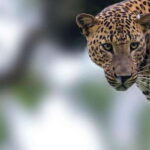
A safari break on the way to the coast is a smart move. I like the combo of Udawalawe wildlife time plus a real door-to-door transfer that lands you in Tangalle/Hiriketiya without extra hassle. The only catch to plan for is the park entrance fee isn’t included, so you’ll need to budget cash on the day.
You’ll start in the Ella area (and sometimes from nearby spots like Haputale or Bandarawela), then ride to Udawalawe National Park, switch into an open safari jeep for prime animal-viewing hours, and finish with an air-conditioned ride to your beach base. It’s a great use of time if you’re going from hills to sea and don’t want a separate day carved out just for wildlife.
In This Review
- Key Things to Know Before You Go
- Ella to Tangalle With a 3-Hour Udawalawe Safari Break
- How the Day Flows: Pickup, Safari Switch, and Beach-Town Drop
- Udawalawe Safari in an Open Jeep: What You’ll Actually See
- Wildlife Watching Tips: Elephants, Crocs, Birds, and More
- Price and Value: What You Pay For (and What’s Separate)
- Comfort, Guide, and the Kind of Service That Actually Helps
- Smart Planning Details That Make the Day Smoother
- Who This Transfer-Safari Is Best For
- Should You Book This Ella to Tangalle Udawalawe Safari Shuttle?
- FAQ
- What is the duration of the shuttle plus safari?
- Where are the pickup and drop-off locations?
- Is the Udawalawe National Park entrance fee included?
- What happens during the safari portion?
- Is there an English-speaking guide?
- Is food provided?
Key Things to Know Before You Go
- 3-hour Udawalawe safari in an open concept jeep for better sightlines and photos
- Door-to-door Ella to Tangalle/Hiriketiya transfer, so you’re not playing transport roulette
- Air-conditioned highway travel between the safari and the coast
- Entrance fees not included (expect a payable fee at the park)
- English live guide during the safari portion
Ella to Tangalle With a 3-Hour Udawalawe Safari Break
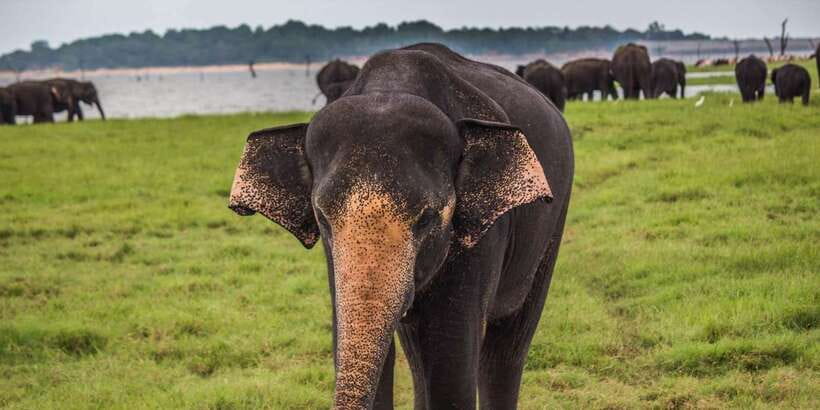
This is built for one of Sri Lanka’s best travel rhythms: mountains first, wildlife next, then the beach. Instead of thinking of it as a “tour,” I think of it as a practical route upgrade. You’re still moving toward Tangalle or Hiriketiya—but you’re also getting a proper wildlife window in Udawalawe, where elephants are a main reason people come.
The big win is that you don’t lose the whole day to logistics. You get pickup, you get a dedicated safari vehicle for the park, and you get dropped at your hotel area afterward. That means you’re not trying to coordinate buses, taxis, and timing while you’re excited (and potentially sticky with jungle heat).
You can also read our reviews of more tours and experiences in Ella Sri Lanka.


How the Day Flows: Pickup, Safari Switch, and Beach-Town Drop
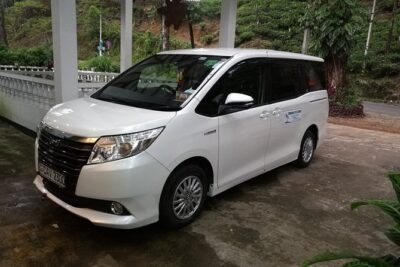
The day is straightforward and timed around visibility. You’ll be picked up from your hotel in the Ella area, or nearby starting points like Haputale or Bandarawela. Then you’ll head toward Udawalawe National Park, with highway driving done in an air-conditioned vehicle—useful if you’re doing an early start or you’re traveling in the warmer part of the day.
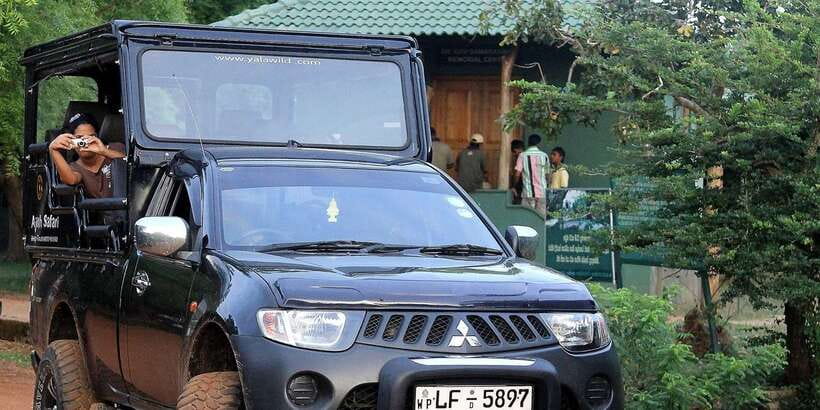
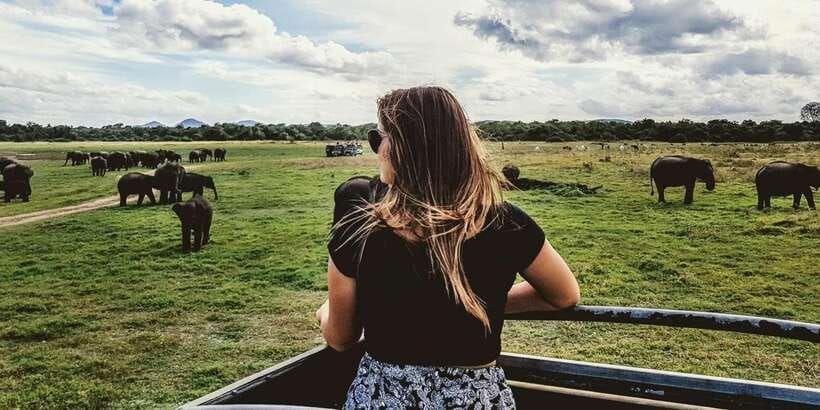
Once you reach the park area, you’ll switch vehicles. That’s not just a convenience detail. It’s the key to making the safari feel “proper.” Inside the park, you’ll ride in an open concept safari jeep so you can see animals clearly and take photos without constantly fighting for angles.
After the safari—about 3 hours—you switch back to the air-conditioned vehicle and continue to Tangalle or Hiriketiya, where you’re dropped at your hotel area. You end with less friction and more relaxation than if you had to arrange transport after a long game drive.
Udawalawe Safari in an Open Jeep: What You’ll Actually See
Udawalawe is known for animals you can’t fake with a screen. The safari is designed for the periods when wildlife is active, and the schedule typically leans toward an early morning or afternoon start. That timing matters because it affects how often you’ll see animals and how close they come to areas where jeep drivers can reach them.
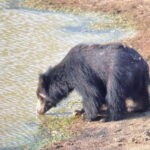
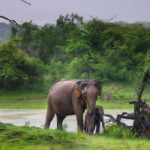
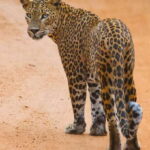
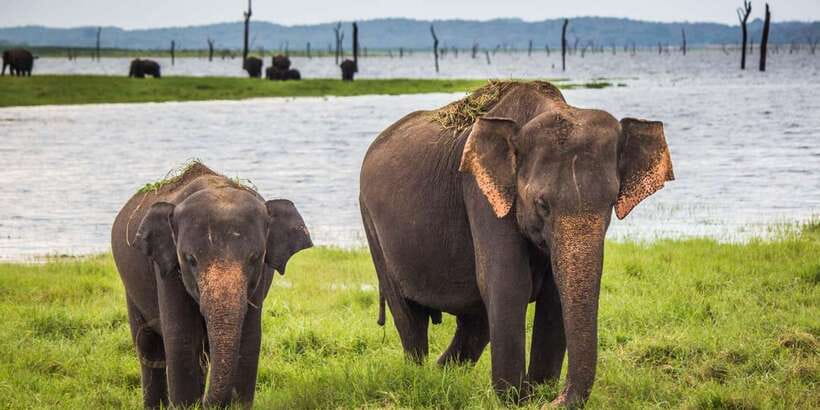
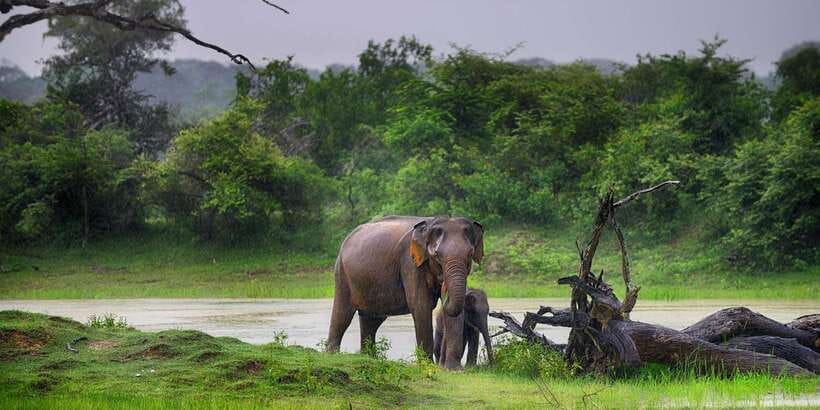
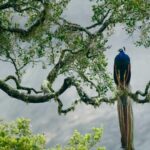
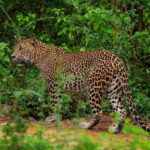
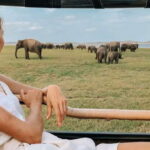
The safari portion is all about scanning, slowing down when the guide spots something, and letting the jeep position you for viewing. You’ll likely see herds of elephants—this is one of the most reliable parts of the experience—and you’ll also have chances at other park stars like crocodiles, monkeys, and water buffaloes, plus endemic bird species.
Open jeeps sound great in theory, and in practice they do something important: they give you a better view of animals without the visual clutter you get from glass windows. Just keep expectations realistic. Wildlife doesn’t perform on cue. Your guide’s job is to get you into the right areas and help you notice what you might otherwise miss.
Wildlife Watching Tips: Elephants, Crocs, Birds, and More
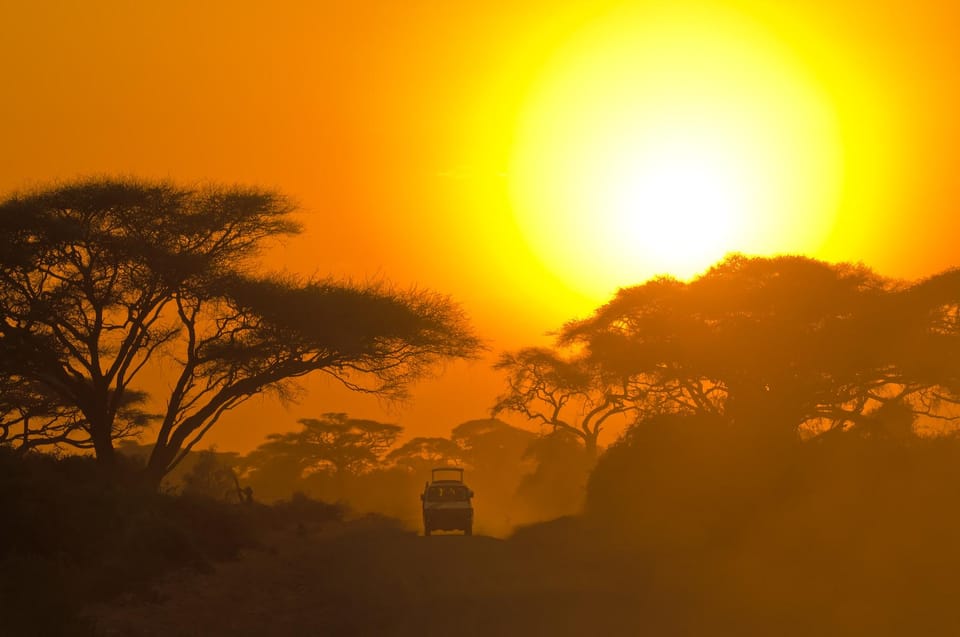
Here’s what I’d focus on if you want the best odds of a memorable safari day.
1) Be ready for elephants—and also for the smaller moments.
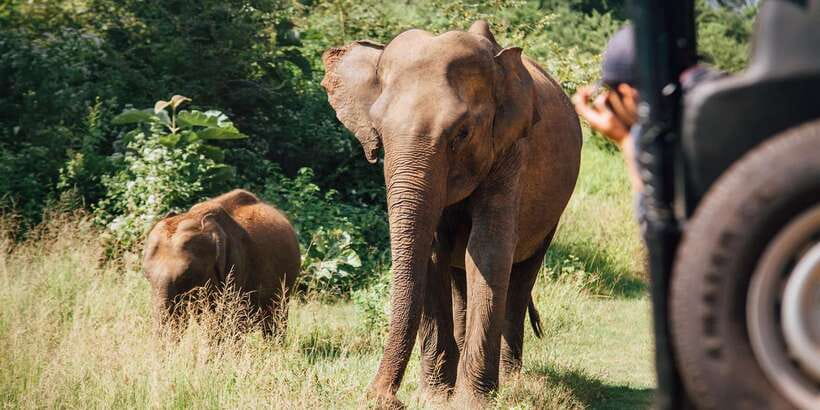
Yes, elephants are the headline. But the magic often comes from the details: young elephants, families moving through habitat, and the moment the whole group turns their attention toward something. On safari, it’s those short bursts—one animal decides to move, a baby elephant follows, birds start calling—that make your photos feel alive.
2) Watch the edges, not only the big open views.
Crocodiles and water buffaloes tend to show up where water and terrain meet, while birds react quickly to small changes. Your guide helps with this kind of scanning, but you can also train your eyes to look for movement along banks, in shade, and around waterlines.
3) Bring a camera plan.
You’ll want to snap fast. Since the jeep is open concept, you’ll get better angles, but you’ll still want to keep your gear secure and easy to grab. If you have a phone camera setup, consider using a lens holder or strap so you don’t fumble when something appears suddenly.
4) Expect heat and sun.
The safari itself is only 3 hours, but you’ll be out long enough for sun to matter. Wear light layers, use sunscreen, and bring something for your eyes (sunglasses help). Food and drinks aren’t included, so you’ll also want your own water rhythm rather than hoping you can buy something easily.
Price and Value: What You Pay For (and What’s Separate)
The price is listed at $69 per person, with a total day duration of about 8 hours. That price includes the heavy-lift parts: pickup and drop-off, transportation in an air-conditioned vehicle, the Udawalawe safari tour, and a professional driver/guide, plus highway toll charges.
What’s not included is the biggest “surprise cost” for many first-timers: Udawalawe National Park entrance fees. One key detail to take seriously is the cash reality. Reviews reference entrance fees around 11000 rupees per person (and another figure close to $35). I’d treat this as a strong indicator of what you should plan to bring, and I’d bring the money as cash to avoid last-minute stress.
So is $69 good value? For a one-day mountains-to-coast transfer with a structured safari included, I think it’s fair. You’re paying for time-saving logistics and for the safari vehicle access. If you had to arrange everything yourself—transport to Udawalawe, entry, a driver for the park, then transport to Tangalle—you’d almost certainly spend more time and likely more money.

Comfort, Guide, and the Kind of Service That Actually Helps
Two service factors matter more than they sound: comfort during travel and competence during the safari.
For the transfer segments, you’re in an air-conditioned vehicle. That keeps you from arriving frazzled, especially if your pickup is early. The comfort isn’t luxury; it’s practical. You’ll be thinking clearly at the safari instead of burning out before you even start.
During the safari, you’ll have a live English guide. This isn’t just about storytelling. A good guide helps you:
- spot animals in less obvious spots,
- understand behavior (why elephants are moving, where crocodiles might be),
- and time the jeep stops so you actually get viewing windows.
In reviews, I saw specific names like Ranjit and Patum/Pathum mentioned for friendly, helpful guiding. I also saw Piumal and other drivers praised for being on time and efficient. You can’t guarantee you’ll get the same people, but it’s a good sign that the service is built on real people doing the job, not just a vehicle drop.
Smart Planning Details That Make the Day Smoother
A few practical points can save your mood.
Entrance fees:
Plan for the entrance cost on the day since it’s not included. Bring cash if you can. You’ll want it ready before you’re deep into the park process.
Food and drinks:
None are included. If you’re starting early, eat something before pickup. If you start later, still plan for snacks and water. The safari is long enough that hunger hits at the wrong time.
Timing:
You’ll typically do an early morning or afternoon safari run. That means your day might start earlier than a normal “tour day.” If you’re sensitive to early wake-ups, pick your departure time carefully.
Tipping:
There’s a tipping expectation in practice. One review suggested tipping 5k each to the guide and driver, and that it felt well worth it. You don’t have to overthink it—just budget a bit and be consistent with local service norms.
Who This Transfer-Safari Is Best For

This works best if you’re doing a classic Sri Lanka move: from Ella’s hill vibe to the Tangalle or Hiriketiya beach area. It’s also a strong fit if you want wildlife without carving out a full separate tour day.
I’d especially recommend it if:
- you want elephants and other animals in a single day,
- you hate coordinating public transport,
- you like a “see it, then go” travel style,
- and you’re comfortable doing a long but well-organized day (about 8 hours total).
If you’re the type who wants a super slow, no-schedule day, this might feel like a lot. It’s packed with purpose, not downtime.
Should You Book This Ella to Tangalle Udawalawe Safari Shuttle?
If you’re heading to Tangalle or Hiriketiya and you care about seeing real wildlife (not just passing a viewpoint), I’d book it. The combination is the point: a real 3-hour Udawalawe safari plus the convenience of being moved to your beach hotel area in one organized flow. That saves energy and keeps you from losing half a day to transport wrangling.
Just go in prepared. Bring cash for park entrance fees, pack your own water/snacks since food isn’t included, and treat it as an animal-focused day with travel wrapped around it.
FAQ
What is the duration of the shuttle plus safari?
The total experience runs about 8 hours, with 3 hours of that time spent on the Udawalawe National Park safari.
Where are the pickup and drop-off locations?
Pickup is from the Ella area (and also mentioned: Haputale or Bandarawela). Drop-off is in the Tangalle/Hiriketiya area, at your hotel.
Is the Udawalawe National Park entrance fee included?
No. Entrance fees are not included, so you’ll need to pay at the park. Cash is recommended based on the fee amounts mentioned in reviews.
What happens during the safari portion?
You’ll be transferred into an open concept safari jeep for the park drive so you can see wildlife well. You can expect a chance to see elephants and other animals like crocodiles, monkeys, and water buffaloes, plus birds.
Is there an English-speaking guide?
Yes. There is a live tour guide in English during the safari portion.
Is food provided?
No. Food and drinks are not included, so bring or plan your own snacks and water.