You’re trading Colombo traffic for elephant sightings. This 12-hour outing pairs a jeep safari in Udawalawe with a visit to the Elephant Transit Home, so you get wild moments and a closer look at conservation. I especially like the long, focused time in the park plus the chance to spot more than elephants, like buffalo, sambhur, and birds. One thing to watch: entrance fees and your meals aren’t included, so your final cost can creep up.
Getting there takes effort, but that’s also the point. The drive is about 4 hours each way, and you’re settling in for an early wildlife rhythm. If you’re hoping for a lazy, low-effort day trip, this may feel like a lot of road time for a single park visit.
In This Review
- Key things to know before you go
- Colombo to Udawalawe: the payoff is the long drive
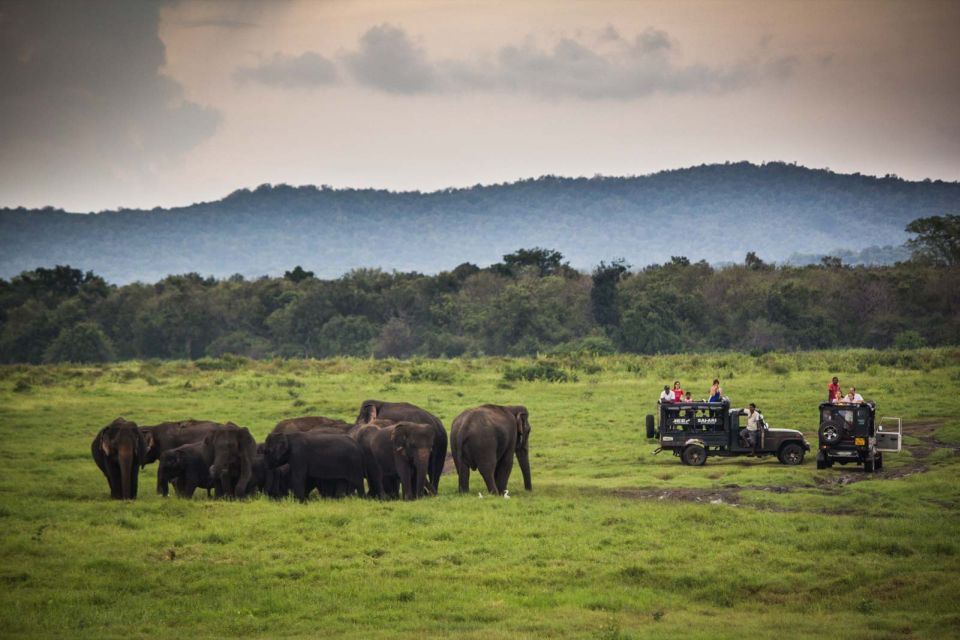
- The safari in Udawalawe: why the jeep time is worth it
- Elephant Transit Home: a different kind of elephant encounter
- Lunch at Udawalawe: convenient, but watch the value
- Meeting the guides and drivers: what you can actually count on
- Price and value: is $128 a good deal?
- Who this tour fits best (and who should choose something else)
- Quick practical tips before you go
- Should you book this tour?
- FAQ
- How long is the Udawalawe Safari & Elephant Transit Home tour?
- What does the tour include?
- Are entrance fees included for Udawalawa National Park and the Elephant Transit Home?
- Is lunch included?
- What animals can I expect to see in Udawalawe National Park?
- Do you visit the Elephant Transit Home?
- How do the transfers work from Colombo?
- Is the safari drive done by jeep?
- Is this tour private or group-based?
- What’s the cancellation policy?
Key things to know before you go
- Udawalawe is a purpose-built sanctuary created after the Udawalawe Reservoir displaced animals in the 1970s.
- The safari is done by jeep, giving you a better chance at spotting wildlife than on foot.
- You’ll look for elephants plus other local species such as buffalo, wild boar, sambhur, hare, and even crocodiles.
- Elephants at the Elephant Transit Home add a second layer to your day, with notable elephant feeding there.
- Birding and butterfly watching are part of the park’s identity, with dozens of butterfly and bird species recorded.
- Lunch costs extra at a local hotel in Udawalawe, and it’s a common pinch point for value.
Colombo to Udawalawe: the payoff is the long drive
Most people come to Sri Lanka for a few big wildlife days, and Udawalawe is one of the most reliable routes from the coast. The structure of this tour makes sense: hotel pickup in Colombo in the morning, then a roughly 4-hour drive to Udawalawe National Park. You’re not doing quick pit stops or rushing between viewpoints. You’re getting where the action is, and you’ve got time on the ground.
The route matters because Udawalawe isn’t just “a park.” It’s a working wildlife refuge. When the Udawalawe Reservoir was built on the Walawe River, animals were displaced. The park that you visit today was created in the 1970s specifically as a sanctuary for that displaced wildlife. That history helps explain why animals are often more visible here than in parks where viewing is harder and less consistent.
You’ll also appreciate the transfer setup: transportation is via an air-conditioned private vehicle with highway toll fees handled, plus hotel pickup and drop-off. That reduces the daily-trip stress and gives you one less thing to plan.
You can also read our reviews of more tours and experiences in Colombo.
The safari in Udawalawe: why the jeep time is worth it
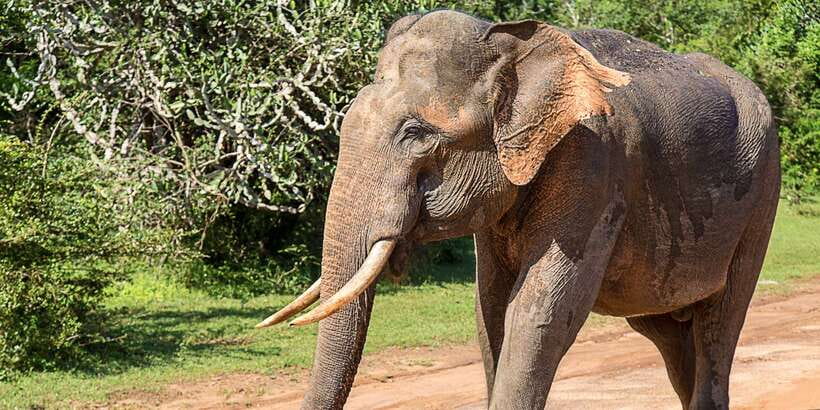
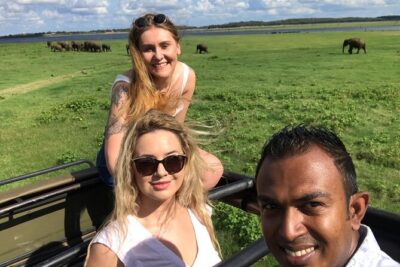
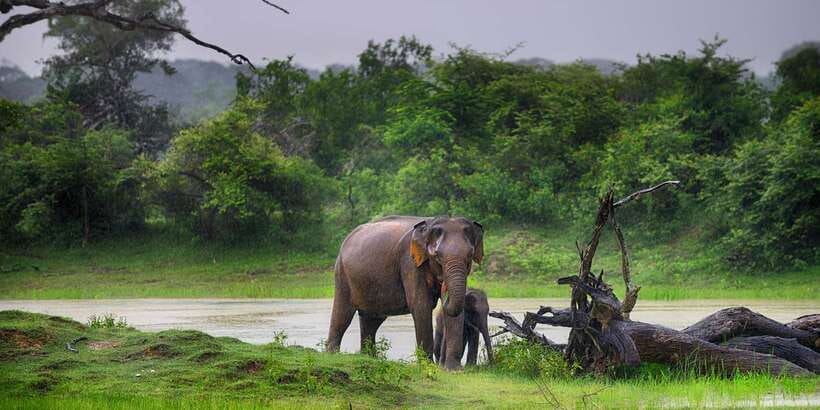
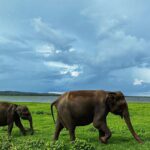
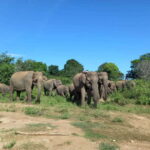
Once you reach the park, the heart of the day is the jeep safari. This is where you’ll look for the elephant population in its natural habitat. Udawalawe is known for steady elephant sightings, and you’re not just looking for one lone animal. The goal is to track activity—where the herd is moving, where they’re feeding, and where other wildlife is using the same water-and-food rhythms.
Expect your guide to work the prime viewing moments by scanning for signs, not just hoping for luck. In guides who have been praised for clarity and spotting skills—like Koshala in past trips—there’s a noticeable advantage: you spend more time understanding what you’re seeing and less time guessing.
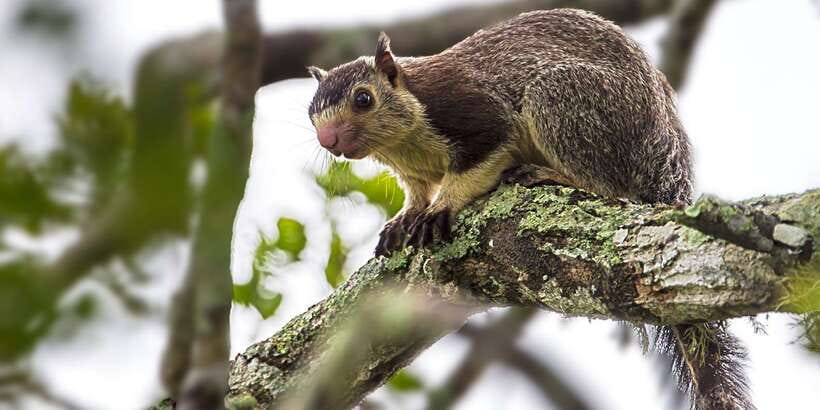
And the safari isn’t only about elephants. Udawalawe is also a strong park for other indigenous wildlife. Based on what you can look out for on this kind of drive, keep your eyes open for:
- Buffalo (often seen near water)
- Wild boar
- Sambhur (a type of deer found in Sri Lanka)
- Hare
- Crocodiles (worth watching for when water edges show up)
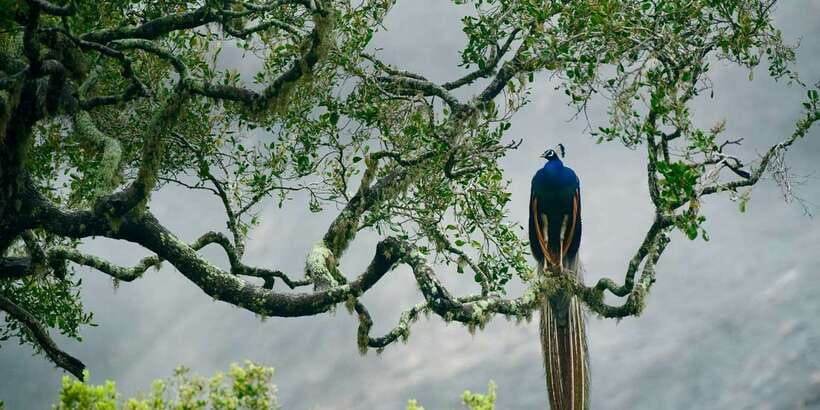
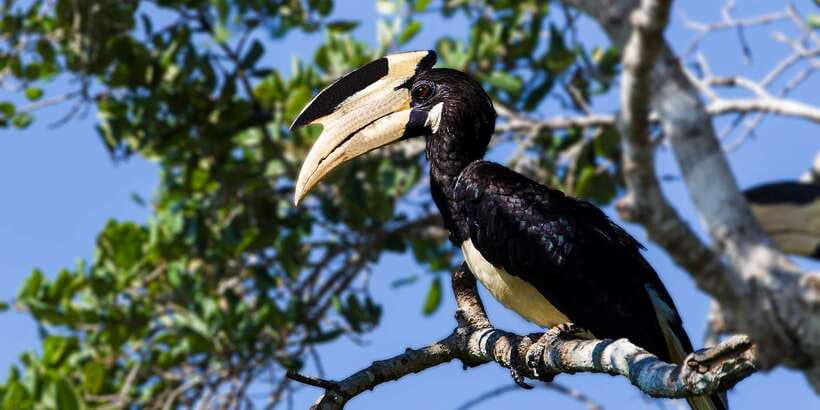
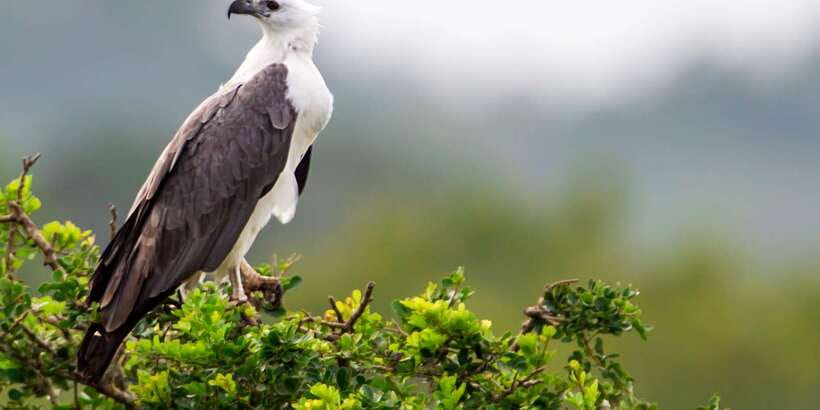
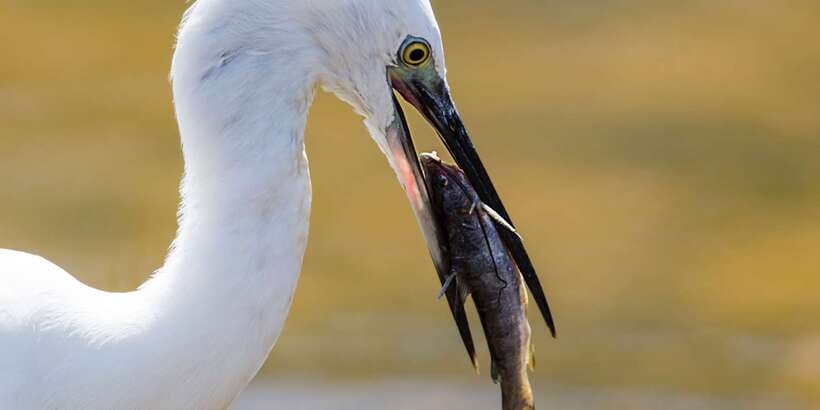
- A lot of bird activity, plus bird species you’ll only notice if you’re paying attention
Udawalawe also supports a recorded diversity of butterflies—around 50 species—and many bird species. That doesn’t mean you’ll have a formal “bird walk.” It means the park is active in more ways than one, and a good guide will help you notice it.
One practical consideration: this is a safari. Wildlife sightings depend on conditions and timing. If elephants are your top priority, you’ll be in the right place. If you’re expecting perfect viewing on demand every minute, you may be slightly frustrated by nature’s randomness.
Elephant Transit Home: a different kind of elephant encounter
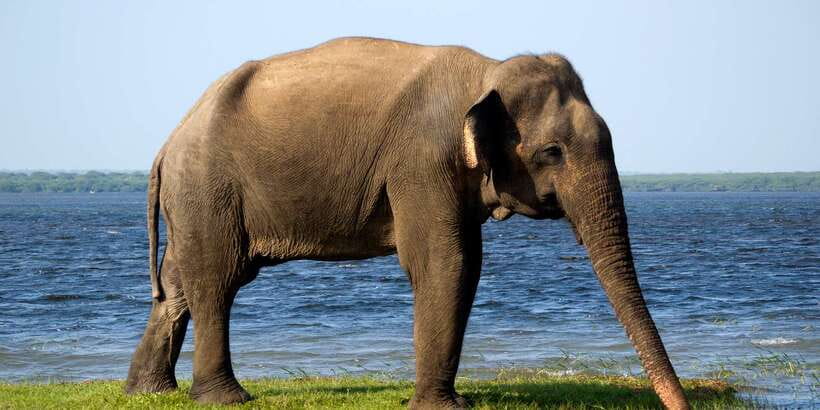
After the park driving, you shift gears to the Elephant Transit Home (ETC). This stop is valuable for two reasons. First, you get a closer look at elephants in a human-managed conservation setting. Second, it balances your day: wild animals in the morning, then a conservation-focused view with elephants that need care.
The transit home visit is also where you may see elephant feeding, and that can be one of the more engaging moments of the entire day. One of the reasons people remember this stop is that it’s not just a quick “look and leave.” It gives context for why places like this exist and how elephants are managed when they’re displaced or injured.
If you care about conservation beyond a photo, ETC helps you connect the dots between the park’s purpose and the people working on the ground. You’ll likely leave with a better sense of what “sanctuary” actually means in practice.
Entrance fees for the park and transit home are not included in this package, so plan ahead for that cost. It’s one of the biggest value surprises if you’re only calculating based on the tour price.
Lunch at Udawalawe: convenient, but watch the value
Lunch is handled in an easy, practical way: you stop for an authentic meal at a local hotel in Udawalawe. This is at your own expense, and that matters for budgeting. One of the more pointed comments you’ll hear about this kind of stop is that it can feel like a convenience option with pricing that’s higher than you’d expect if you had a choice of restaurants.
Still, it’s also helpful. You don’t want to scramble for food after hours in the park. So treat it as “I’m paying for convenience and recovery,” not as a bargain meal.
If you’re someone who plans carefully, consider bringing water and snacks if the day feels long for you. The tour itself doesn’t include food or drinks, so your personal comfort depends on what you pack and how you time your eating.
Meeting the guides and drivers: what you can actually count on
This experience is operated by Shehan Safari Jeep Tours, and you’ll have a live English guide. Your private-group setup also helps. With fewer moving parts than a big group tour, you’re more likely to get a smoother flow—especially during the safari when the driver and guide need to coordinate spotting and movement.
In past experiences, drivers like Mara have been noted for being thoughtful and practical, including small helpful stops like picking up meds when needed. That kind of service isn’t glamorous, but it’s the difference between a day that feels effortless and one that feels stressful.
Inside the park, guides who communicate well can make a major difference. Koshala has been praised for guiding through the park and clearly informing people about the fauna you’re likely to see. Pathum has also been described as friendly and professional, and that matters too—because safari success isn’t only about animals. It’s about understanding what you’re watching.


Price and value: is $128 a good deal?
At $128 per person for a 12-hour outing from Colombo, this tour sits in the “worth it if you want one organized wildlife day” category.
Here’s what you’re really paying for:
- Hotel pickup and drop-off in Colombo
- Air-conditioned private vehicle plus highway tolls
- Jeep safari drive inside Udawalawe
- English live guide
- A private group setup
What you’re not paying for:
- Entrance fees to Udawalawe National Park and the Elephant Transit Home
- Food and drinks (lunch is at a local hotel, at your expense)
So the value depends on how you handle those add-ons. If you show up ready to pay park/transit fees and you budget for lunch, the price feels fair for what’s included. If you’re trying to do it all on a tight budget without adding entrance costs, it can feel overpriced fast—especially because the lunch stop is hard to dodge once you’re on the route.
My advice: treat the $128 as the cost of the setup (driving, jeep, guide, logistics), then mentally add the entrance fees plus a meal. Do that and the math starts looking much more sensible.
Who this tour fits best (and who should choose something else)
This is a strong match if:
- You want one organized wildlife day with a clear structure
- You care about elephants but also want other animals and birds
- You prefer a private-group experience with an English guide
- You don’t want to wrestle with planning transportation from Colombo
It may be less ideal if:
- You dislike long road days. The schedule includes substantial driving time.
- You’re very price-sensitive once entrance fees and lunch come into play.
- You only want a quick, low-commitment activity with minimal scheduling.
Quick practical tips before you go
Udawalawe can be hot and wildlife viewing can mean long stretches of waiting and scanning. You’ll enjoy the day more if you plan for comfort:
- Wear breathable clothes and closed-toe shoes that can handle uneven ground around viewing areas.
- Bring a water strategy since food and drinks aren’t included.
- If elephants are your top priority, keep your camera ready and be patient. The best moments often come after you’ve settled in.
Also, since entrance fees are excluded, budget for both the park and transit home before you arrive.
Should you book this tour?
I’d book this if you want a straightforward way to hit Udawalawe and ETC in a single day, without DIY driving stress. The included jeep safari and the combination of wild viewing plus a conservation stop make the day feel complete. Just go in with eyes open on the add-ons: entrance fees and lunch are part of the real cost.
If your ideal safari day is efficient, guided, and built around elephants with extra wildlife and bird spotting, this is a solid choice from Colombo.
FAQ
How long is the Udawalawe Safari & Elephant Transit Home tour?
The duration is listed as 12 hours.
What does the tour include?
It includes hotel pickup and drop-off, air-conditioned private transportation, highway toll fees, and a safari drive by jeep, plus a live English tour guide.
Are entrance fees included for Udawalawa National Park and the Elephant Transit Home?
No. Entrance fees are not included in this package.
Is lunch included?
Lunch is not included. You’ll enjoy lunch at a local hotel in Udawalawe at your own expense.
What animals can I expect to see in Udawalawe National Park?
You can look for elephants and other indigenous wildlife such as buffalo, wild boar, sambhur, hare, crocodiles, and different species of birds.
Do you visit the Elephant Transit Home?
Yes. The itinerary includes a visit to the Elephant Transit Home.
How do the transfers work from Colombo?
You get morning pickup from your hotel/location in Colombo, then you’ll travel to Udawalawe by private air-conditioned vehicle and be dropped back after the tour.
Is the safari drive done by jeep?
Yes. The safari drive is included by jeep.
Is this tour private or group-based?
It’s a private group.
What’s the cancellation policy?
Free cancellation is available up to 24 hours in advance for a full refund.