Birds, temples, and safari in one tight week.
This 7-day Sri Lanka loop feels like the best highlights of the island, stacked with real variety: Sigiriya birdwatching by morning tanks and the famous Kandy-to-Ella train run through tea country. I also like how the days are planned with enough structure to keep moving, yet you still get meaningful stops like Dambulla Cave Temple and a proper Yala National Park jeep safari. One consideration: it is a lot of driving and switching bases, so if you love slow travel and long, quiet hours in one place, this route may feel intense.
I like that you’re not just ticking monuments. You also get hands-on texture, like Habarana Village time (bullock cart, catamaran, and local village walking) and the sea turtle work at the Victor Hasselblad Sea Turtle Research & Conservation Center. In a recent experience with Lanka Tour Host, guests noted strong on-the-ground help from representatives like GAYAN and Mr. Chamika, including guidance when local conditions were tricky. If you’re counting strictly on rest days, you may wish you built in extra downtime of your own.
In This Review
- Key moments that make this trip worth your time
- How this 7-day route actually feels in real life
- Sigiriya Sanctuary morning: birdwatching with a purpose
- From Sigiriya to Dambulla Caves: big culture, plus an optional village layer
- Kandy with the Tooth Relic Temple: sacred site plus short museum breaks
- Damro Labookellie tea gardens: what you’ll learn (and what to expect)
- Gregory Lake and the Nanuoya–Ella train: the ride that ties it together
- Ella day, plus Rawana Falls: a break from the rails
- Yala National Park jeep safari: wildlife, birds, and the chance for real drama
- Weligama stilt fishermen and Galle Fort: where the sea tells stories
- Tsunami Museum and sea turtles: a sobering day that still feels hopeful
- Colombo closing acts: Gangaramaya, Galle Face Green, Pettah, Independence Square
- Value check: what you’re paying for at $1,870 per person
- Who this tour suits best (and who should tweak expectations)
- Should you book this 7-day Sri Lanka experience?
- FAQ
- Is pickup offered for this tour?
- What is the duration of the tour?
- How much does it cost?
- What meals are included?
- Are vegetarian meals available?
- Is the train journey included?
- What about tickets and entrances?
- What is not included for COVID-related requirements?
- What is the cancellation policy?
- Is this a private group experience?
Key moments that make this trip worth your time
- Sigiriya tanks birdwatching: the plan calls out water-associated birds, not just the rock itself
- Dambulla Cave Temple + Kandy: a big cultural combo with an overnight base in Kandy
- Damro tea garden time: you get tea estate context, not just a quick photo stop
- Nanuoya–Ella train ride: tickets are arranged as part of the itinerary, with observation booking tied to dates
- Early Yala safari: wildlife-focused jeep outing in a park known for leopards, elephants, and crocodiles
- Colombo endcap: Gangaramaya, Galle Face Green, Pettah, and Independence Square to close strong
How this 7-day route actually feels in real life
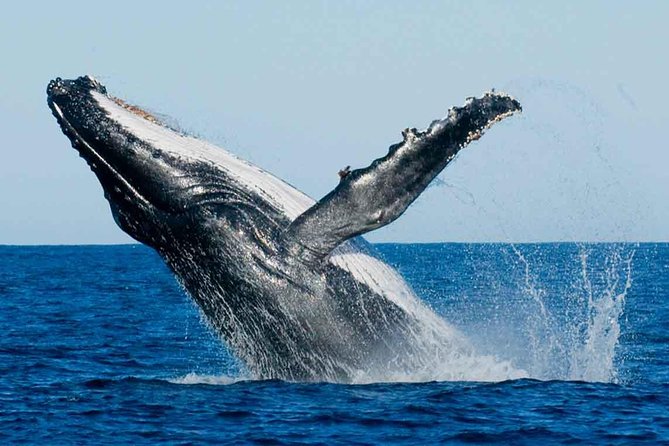
This is a classic Sri Lanka “highlight reel” that moves fast, but not randomly. You start in the Cultural Triangle zone (Sigiriya and cave temples), slide into hill country (Kandy, tea estates, Nuwara Eliya/Ella area), then jump to the south coast (Yala, stilt fishermen, Galle Fort), and finish in Colombo with a mix of temples and city atmosphere.
Because you’re packing so much in, the value isn’t only the sights. The value is that you don’t have to stitch together transport, timing, and ticket needs across multiple regions. The tour is also described as private, meaning it’s just your group, not a giant shuffle with strangers. You’ll also see meal coverage listed as breakfast (6) and dinner (6), which helps keep your daily costs predictable.
You can also read our reviews of more tours and experiences in Colombo.
Sigiriya Sanctuary morning: birdwatching with a purpose
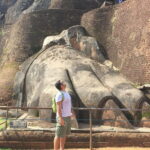
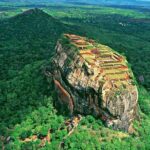
Day 1 is built around Sigiriya Sanctuary in the morning, and that matters. Birds are easiest to spot early, and the plan is specific: you’re not only looking for typical dry-zone species. The tanks around Sigiriya are part of the birdwatching story, which is a smart way to experience the area beyond climbing and viewpoints.
The kind of birds mentioned is a clue that this stop is geared toward people who enjoy details. You might see water-associated species like Spot-billed Pelican, Oriental Darter, and birds of prey such as White-bellied Sea-eagle and Grey-headed Fish-eagle. There’s even a note about SHAHEEN, the local race of the peregrine, plus other intriguing names like Pheasant-tailed Jacana and Square-tailed drongo-cuckoo.
Practical upside: you start the trip with something calmer than a temple scramble. Practical drawback: birdwatching is weather-dependent, so if you’re sensitive to heat or humidity, bring a cap and water and don’t treat it like a guaranteed wildlife show.
From Sigiriya to Dambulla Caves: big culture, plus an optional village layer
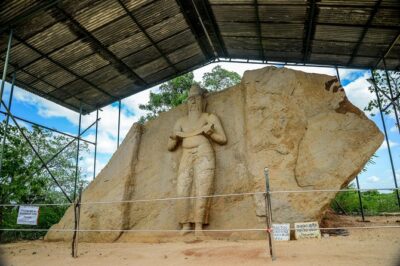
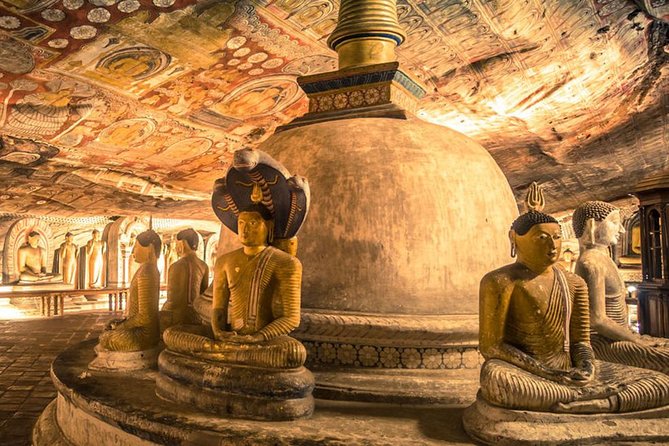
After breakfast, the route takes you toward Dambulla Cave Temple (with the cave visit marked as admission included). This is one of those places where the “destination” is the scenery inside the caves, not just the trek up. Expect a serious shift in mood from open birdlife to enclosed, devotional space.
You’ll also have time that touches the Sigiriya area again, and then you overnight in Kandy. Since this is a multi-move day, it helps that meals are included on the tour plan.
There’s also an optional Habarana Village tour. This is where your trip gains a more everyday feel: bullock cart, catamaran, village walking, and back near the vehicle by tok tok. It’s a good contrast to cave temples and forts. Consideration: if you dislike anything animal-related or you have mobility limits, check with the operator before you choose the optional tour.
Kandy with the Tooth Relic Temple: sacred site plus short museum breaks
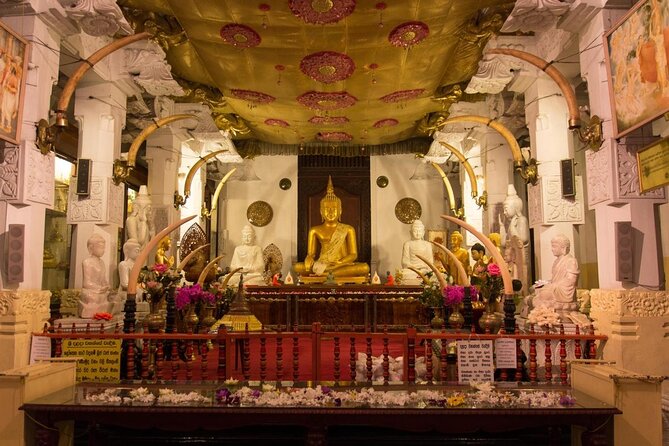
Kandy shows up twice in the plan, and that’s not wasted time. Day 3 includes the Temple of the Sacred Tooth Relic, with admission marked included. This temple is not a small stop. It’s described as an official complex with the royal palace and religious monument areas enclosed by a white-stone parapet dating to the early 19th century.
One nice thing about this day is the pacing. You’re not stuck in one place for hours with no variety. There’s also a very brief Gem Museum stop—quick enough to keep you moving, long enough to give you some local context on Sri Lanka’s gem trade. And then you go straight into tea territory.
If you like culture that’s more than “pose and move,” pay attention here. Sacred sites in Kandy are woven into the city’s identity, and the route gives you time to see that, not just drive past.
Damro Labookellie tea gardens: what you’ll learn (and what to expect)
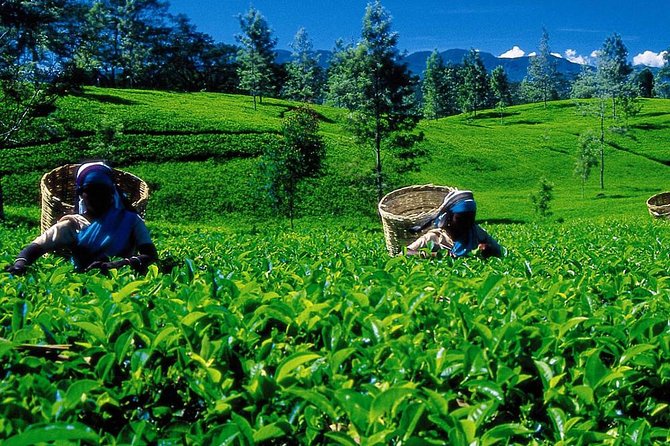
Next stop is Damro Labookellie Tea Centre and Tea Garden, marked around an hour. Sri Lankan tea is often branded as Ceylon tea, and the plan gives you real production context: Sri Lanka is described as the world’s 4th largest tea producer and 2nd largest exporter. You also get the explanation that tropical climate and fertile soil support tea quality.
What I like about this kind of stop is that it isn’t only shopping. Even if you don’t buy anything, tea estates help you understand why hill country matters. You’ll see the landscape shaped for harvesting, drying, and processing, and you’ll connect it to the train ride later.
Consideration: tea-centre visits can be a bit “salesy” if you’re not in the mood. The best strategy is to go in with a curious attitude, then set a hard boundary on purchases. Look, learn, and enjoy the garden time without feeling pressured.


Gregory Lake and the Nanuoya–Ella train: the ride that ties it together
Day 4 is where the itinerary’s tone changes from temples and city sights to big Sri Lanka motion. You start at Gregory Lake in the Nuwara Eliya hill-country area. The plan notes it was constructed during the period of British Governor Sir William Gregory in 1873—a detail that makes the lake feel like more than a postcard.
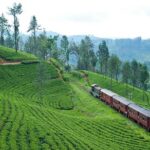
Then comes one of the main reasons many people do this route: the train journey from Nanuoya to Ella. The plan describes it as one of the most beautiful train trips in the world, taking you through green tea plantations and mountain views. It’s also practical that the tour schedules you around the Nanu Oya railway station area.
Two things to keep in mind:
- The itinerary notes that train observation tickets depend on dates, so don’t assume every train car setup is identical.
- This is a long ride segment compared with other stops, so pack snacks and plan for a slower rhythm during the ride.
When this part goes well, it makes the whole week feel connected. You’re not only visiting places; you’re traveling through the reasons they’re famous.
Ella day, plus Rawana Falls: a break from the rails
Ella gets a place in the plan after your train time. You’ll also get a stop for Ella Rawana Falls before heading toward Yala. Rawana Falls is included as a highlight within the Ella area, so it acts like a reset after hours on the train.
This is a good moment to adjust expectations. The trip is busy, but this is where you can take a slower walk, look for viewpoints, and feel the hill-country air shift. If you’re coming from the train, you’ll likely appreciate any chance to stretch your legs.
Yala National Park jeep safari: wildlife, birds, and the chance for real drama
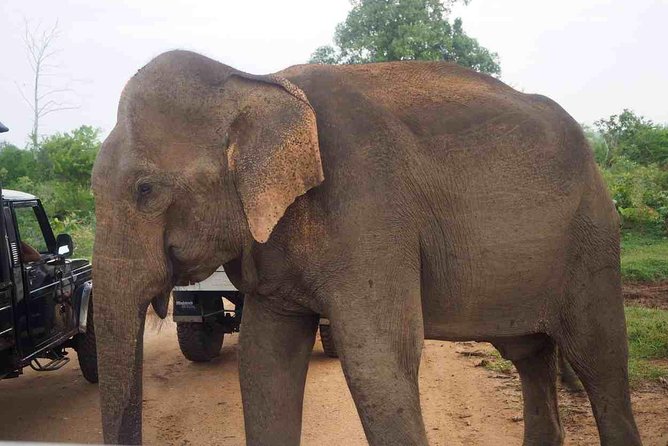
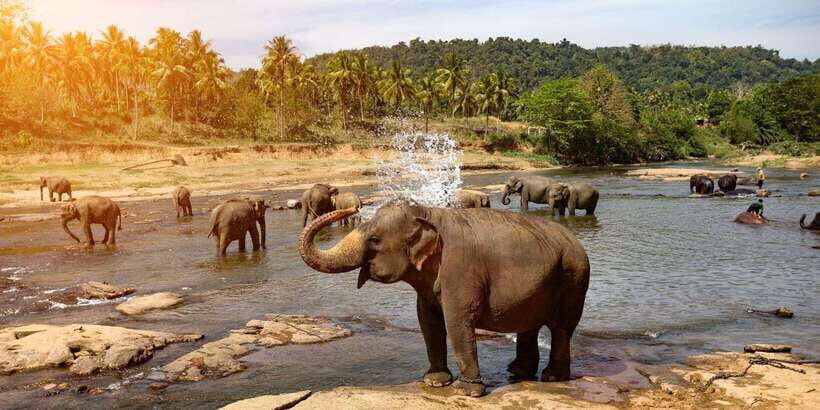
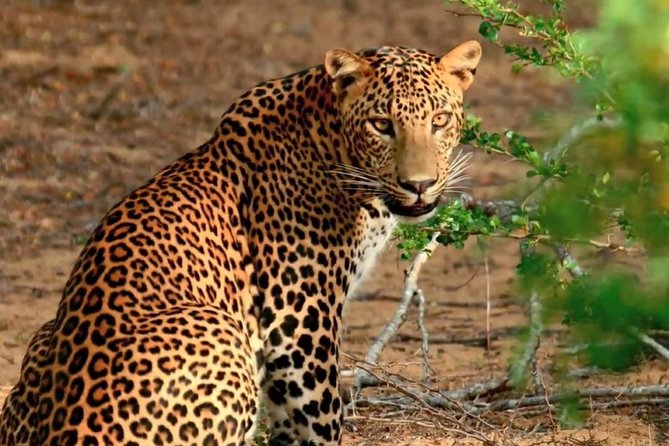
Early in the morning you head to Yala National Park for a jeep safari. This is not a casual stroll. It’s a wildlife-focused day, and the plan is clear about why Yala is special: it’s made up of forest, grassland, and lagoons along the Indian Ocean, and it’s home to species like leopards, elephants, and crocodiles, plus hundreds of bird species.
One detail I genuinely like is that the plan doesn’t only frame Yala as safari odds. It mentions nearby pilgrimage sites too, like Sithulpawwa (an ancient Buddhist monastery with caves that contain centuries-old rock paintings) and Magul Maha Viharaya with ancient Buddhist ruins. So the park feels layered: wildlife today, history baked into the hills.
Reality check: jeep safaris are always probabilistic. You’re going because the park has the right habitat and the right management for sightings, not because you can guarantee a leopard. Bring patience, sun protection, and a camera that you can keep ready without constantly fiddling.
Weligama stilt fishermen and Galle Fort: where the sea tells stories
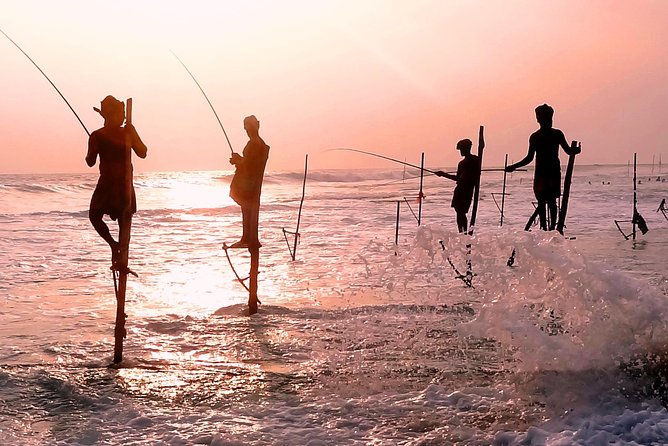
After Yala, the plan continues along the coast in a way that makes sense. First you visit stilt fishermen in Weligama. The method is described clearly: fishermen sit on a cross bar tied to a vertical pole planted in the coral reef, using a rod-and-line technique with one hand. The practice is explained as emerging about 50 years after WWII, when fishermen needed better odds than rocks alone.
This stop is short, but it’s memorable because it shows a living tradition shaped by geography. It also gives you a sense of how local fishing adapts to sea conditions.
Then you move to Galle Dutch Fort. The plan gives a layered colonial timeline: early Portuguese fortification in the 16th century, then Dutch fortifications in the 17th century. Even if you only have a limited amount of time, the fort works as a walking museum—stone walls, sea-facing angles, and the feeling of a city designed for trade and defense.
Tsunami Museum and sea turtles: a sobering day that still feels hopeful
Day 6 slows the vibe in a good way. You head toward Colombo and stop en route at the Community Tsunami Museum (admission marked free). This is the kind of place that adds emotional context to the coast. It makes your time near beaches and ports feel more real.
Then you visit the Victor Hasselblad Sea Turtle Research & Conservation Center, including a turtle hatchery experience (admission marked included). The plan notes Sri Lanka has nesting by five of the seven marine turtle species in the world, and names them: Green Turtle, Leatherback, Hawksbill, Loggerhead, and Olive Ridley. It also highlights the conservation model: operated by the Wild Life Protection Society of Sri Lanka and reliant on volunteers.
What you’ll take from this day is a shift from sightseeing to stewardship. Even if you don’t participate as a volunteer, you’ll understand how a small project connects to a much bigger system.
Colombo closing acts: Gangaramaya, Galle Face Green, Pettah, Independence Square
The final day is a smooth Colombo mix, and it’s timed like an endcap: temples in the morning, sea air and city energy after, then colonial-era story points at the finish.
You start at Gangaramaya Buddhist Temple, located on Beira Lake. The plan says it was established about 120 years ago, grew from a small hermitage on marshy land, and now includes major buildings plus a museum, library, and relic chamber. It’s a classic “feel the living city” stop.
Next comes Galle Face Green, the promenade by the Indian Ocean. You’ll hear the ocean in the background and see palm-lined walks. The plan mentions Galle Face Hotel and calls it Asia’s Emerald on the Green since 1864, plus cannons once mounted there—small details that help you read the place instead of just passing it.
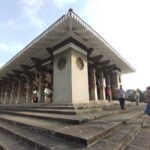
Then you head to Pettah and the Fort area. The plan lays out a simple colonial timeline: Portuguese trading base in the 16th century, Dutch changes in the 17th, and British-era demolition of parts of the fortification in the 19th. Finally, you wrap at Independence Square, commemorating Sri Lanka’s independence, with an independence museum and a reference to the 1948 podium ceremony.
This combination is smart. It keeps Colombo from becoming only traffic and buildings.
Value check: what you’re paying for at $1,870 per person
At $1,870 per person, you’re paying for more than entry tickets. You’re paying for the big logistical lift: multi-region transport across the island, scheduled stop timing, and included meals for 6 breakfasts and 6 dinners. You’re also getting a packaged approach to things that are hard to line up yourself—especially the train timing.
The itinerary also includes admissions for major sites like Dambulla Cave Temple and the Tooth Relic Temple, plus turtle hatchery entry. And you’ll see operational support mentioned through guest feedback, including guidance from representatives like GAYAN and Mr. Chamika.
One cost consideration you should plan for: the tour data notes that visa-related Covid 19 insurance ($12) and PCR test ($40 USD) are not included. If those still apply to your travel dates and entry rules, budget for them early.
The other practical value piece: pickup is offered, and there’s also a mobile ticket listed. For a trip this full, those two things reduce stress.
Who this tour suits best (and who should tweak expectations)
This tour is a strong fit if you want a one-week overview of Sri Lanka’s top regions: rock fortress, sacred temples, tea country, wildlife safari, coastal history, and Colombo basics.
It’s also a good match if you like structure but still want moments that feel local—village tour options, sea turtle conservation, and stilt fishermen in Weligama.
If you’re the type who wants slow, deep stays (more days in Ella, or more time in Galle), you’ll probably wish you had extra nights. This plan is designed to move, not to camp.
Should you book this 7-day Sri Lanka experience?
I’d book it if your goal is a high-impact Sri Lanka week with clear highlights: Sigiriya bird time, Dambulla and Kandy, the train down to Ella, an early Yala jeep safari, and a finish in Colombo that includes both cultural sites and coastal city flavor.
I wouldn’t book it if you want a restful pace, or if you dislike long travel days and packed schedules. If that’s you, you might still love parts of the route—but you’ll be happier splitting it into two smaller trips instead of trying to do everything in one go.
FAQ
Is pickup offered for this tour?
Yes. Pickup is offered, including pickup from the airport on Day 1 and pickup from your hotel on Day 7 for the Colombo temple visit.
What is the duration of the tour?
It’s listed as 7 days (approx.).
How much does it cost?
The price is $1,870.00 per person.
What meals are included?
The tour includes breakfast (6) and dinner (6).
Are vegetarian meals available?
Yes. A vegetarian option is available, and you should advise at booking time if you need it.
Is the train journey included?
The itinerary includes the train journey connected to Nanuoya to Ella, and admission/tickets for the train segment are marked as free or included in the plan. Also note that train observation ticket bookings depend on dates.
What about tickets and entrances?
Some attractions are marked as admission included (such as Dambulla Cave Temple and the Temple of the Sacred Tooth Relic), while others are marked free on the plan. The tour uses a packaged approach with mobile ticketing.
What is not included for COVID-related requirements?
The tour data says visa-related Covid 19 insurance ($12) and a PCR Test ($40 USD) are not included.
What is the cancellation policy?
Free cancellation is available. You can cancel up to 24 hours in advance for a full refund; changes made less than 24 hours before the start time are not accepted.
Is this a private group experience?
Yes. It’s described as a private tour/activity, with only your group participating.