Colombo tastes better at tuk-tuk speed. This private, all-included 4.5-hour tour strings together street food and classic city sights, using a lively tuk-tuk to keep you moving through Colombo without the guesswork. You get a driver-guide who can point out what to eat, where to stop, and how to read the city as you go.
I especially like the no-guesswork food plan. Instead of standing in front of a stall wondering what’s safe or worth it, you’re guided to dishes like spicy crab curry, sambol, fruit cups, mango drinks, coffee, and even red banana and ice-cream. I also love the mix of small sights with real everyday scenes—clock tower streets, forts, mosques, temples, and a market area that feels like Colombo lives here.
One possible consideration: the day includes a shopping-style stop for a gem museum (mentioned as a bit of a mismatch for some tastes). If you prefer food-first and zero sales pressure, you’ll want to go in with that in mind and keep your focus on the street food and temples.
In This Review
- Key highlights you should know before you go
- What you’re really paying for at $33 (and what makes it good value)
- Tuk-tuk city tour plus street-food stops: how the flow works
- First stop: Last King Prison Cell and why it sets the tone
- Clock Tower to Old Town Hall: colonial-era landmarks without the museum fatigue
- Colombo Fort: Dutch Hospital and Cargills Building as a visual palate cleanser
- Pettah market time: the sensory Colombo you came for
- Red Mosque and the temple circuit: why you’ll get more context than photos
- The food part: what you can expect to taste (and how to order with confidence)
- Guides that make the difference: Bob Marley and Kusal
- The gem museum stop: small potential mismatch if you hate shopping
- Timing and pacing: short stops that add up to a full afternoon
- Price and value check: is it worth $33?
- Who this tour is best for
- Should you book this Colombo street-food tuk-tuk tour?
- FAQ
- How long is the Colombo street-food tuk-tuk tour?
- What does the tour cost?
- Is this tour private or shared?
- Do you get pickup and drop-off?
- What food and drinks are included in the tasting?
- What are some of the sightseeing stops included?
- Are entrance tickets included for attractions?
- Where is the meeting point?
- Is the tour confirmed right after booking?
- Cancellation: can I cancel for a refund?
Key highlights you should know before you go
- Private tuk-tuk with a local driver-guide that handles routing and stop timing
- Street-food samples like crab curry, sambol, fruit salads, mango drinks, coffee, red banana, and ice-cream
- City landmarks in bite-size segments, not long waits or rushed photo stops
- Religious sites across faiths, including Red Mosque and Gangarama Temple
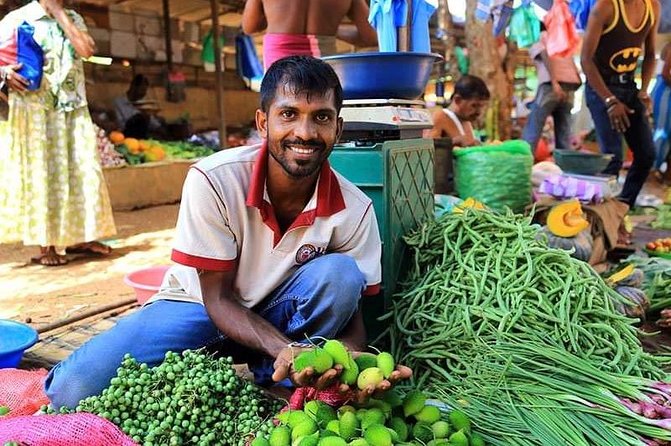
- Market time in Pettah, where you get the sensory feel of Colombo’s daily life
- Most admissions are free or included, so you avoid surprises on entry fees
What you’re really paying for at $33 (and what makes it good value)
At about $33 for roughly 4 hours 30 minutes, this tour is priced like a budget-friendly day out—but the structure makes it feel smarter than a generic sightseeing loop. You’re paying for a private tuk-tuk ride, a driver-guide who knows how to time stops, and a food-first approach that includes snacks. That matters in Colombo, where street food is everywhere but choosing confidently can be hard when you don’t know the usual standouts.
You’ll also get hotel pickup and drop-off mentioned as part of the experience. Even if you start at the meeting point on A2 in Colombo, that “door-to-door” style help can save time and walking, especially in heat.
The other hidden value is pacing. The itinerary is built as a series of short stops—often around 10 to 15 minutes—so you keep seeing things without burning hours in transit or waiting at crowded viewpoints.
You can also read our reviews of more tours and experiences in Colombo.


Tuk-tuk city tour plus street-food stops: how the flow works
The heart of this tour is simple: transport you through different neighborhoods in a tuk-tuk, then mix in food and sights along the way. You’re not stuck in one district. You’re not required to commit to one restaurant. Instead, you get a guided sampler approach.
In practice, the tour feels like two experiences braided together:
- You learn what to eat and how locals order (and you taste multiple items rather than one big meal).
- You get quick orientation landmarks so your later self-guided walking makes more sense.
If you’ve ever arrived in a city and felt hungry but unsure where to begin, you’ll like this format. It helps you get your bearings fast, then you build appetite and context at the same time.
First stop: Last King Prison Cell and why it sets the tone
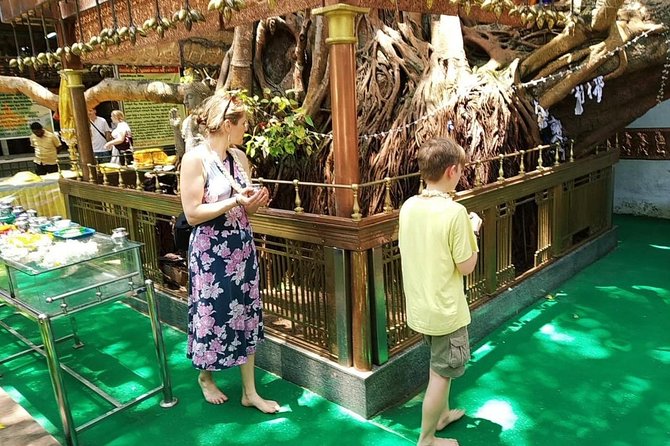
You start with Last King Prison Cell, a history stop that gives Colombo a darker backbone early in the tour. Even when your main reason for booking is food, this first segment can still be useful—it reminds you that the city’s present-day streets grew out of colonial-era and pre-colonial power stories.
This stop is also a good momentum builder. It’s early, it’s short, and it sets a “Colombo is more than beaches and malls” mood before you move into forts, temples, and market streets.
Clock Tower to Old Town Hall: colonial-era landmarks without the museum fatigue
After the prison cell, you’ll hit several classic reminders of Colombo’s colonial past:
- Clock Tower (free entry, short stop)
- Old Town Hall (free entry, short stop)
These aren’t long museum-style visits. They’re more like visual waypoints—places you can recognize later from photos or maps. That matters because Colombo’s districts can feel separate. Landmarks like these help you connect the dots.
A practical note: these early stops are fast. If you want extra time for deep photos, plan to ask your driver-guide to pause a little longer in the places you care about most.
Colombo Fort: Dutch Hospital and Cargills Building as a visual palate cleanser
Next you move into Colombo Fort, where you’ll pass and stop at:
- Dutch Hospital (admission included)
- Cargills Building (admission included)
Dutch Hospital is one of those places where architecture and atmosphere do some work for you. It’s a lively precinct now, and the “historic shell, modern use” feeling helps break up the religion-and-market rhythm you get later in the tour.
The Cargills Building adds a different kind of visual weight—more grandeur, less casual browsing. Together, these stops act like a palate cleanser before you go fully into Pettah and the temple circuit.


Pettah market time: the sensory Colombo you came for
Pettah is where the tour turns more street-level. You’ll spend time there as part of the plan, with a short but meaningful stop (free entry). This is the area where you’ll feel Colombo’s everyday motion: people moving fast, shop signs stacked close together, and the general sense that the city runs on small daily errands.
For food, Pettah is valuable even if you don’t eat at every stall. It teaches you what ingredients look like in real life and how vendors present options. It’s also a reminder that street food is not just about taste—it’s about rhythm, volume, and local preference.
If you’re sensitive to crowds or strong smells, Pettah can be intense. But because your guide controls where you stop, it usually stays manageable.
Red Mosque and the temple circuit: why you’ll get more context than photos
This tour crosses faiths, and that’s one reason it feels more like a guided city story than a “stand here, take picture” tour.
You’ll visit:
- Red Mosque (free entry)
- Sri Ponnampalamleswar Temple (free entry)
- Wolfenden Church (free entry, quick stop)
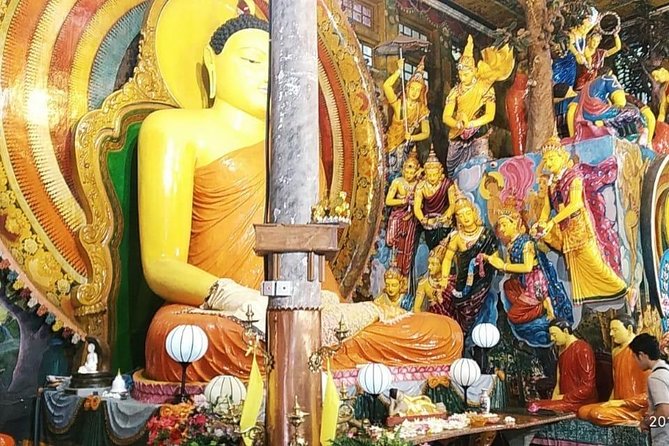
- Gangarama (Vihara) Buddhist Temple / Gangarama Temple (admission included)
Even with short time at each place, the variety helps you understand Colombo as a layered city rather than a single-style destination. You’ll see architectural differences in a single afternoon, and you’ll likely hear context from your guide while you walk.
A practical tip: dress modestly at religious sites. You’ll usually see clear cues from signage and how people are dressed. If you’re unsure, it’s better to err on the conservative side and avoid last-minute stress.
The food part: what you can expect to taste (and how to order with confidence)
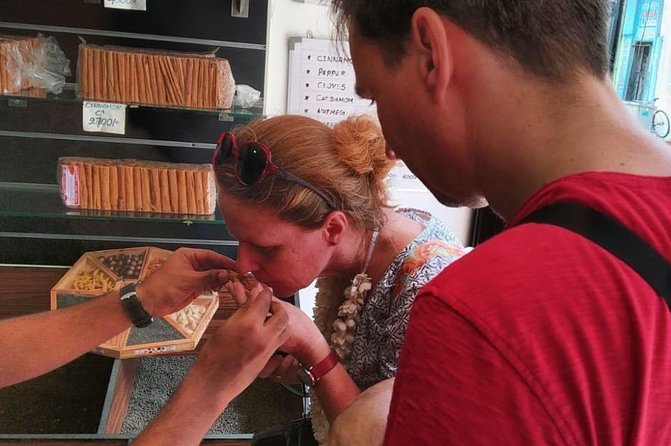
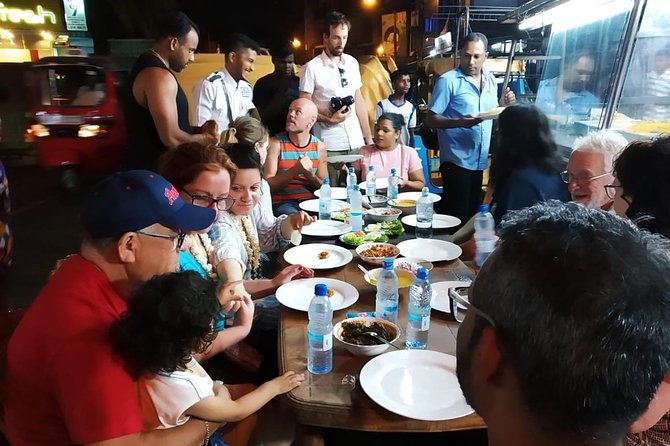
Food is the reason the format works. Instead of one big sit-down meal, you get multiple tastings across different stops. Based on the experience description and the guides’ success, you should expect a range that covers spicy, sweet, and refreshing.
Common items included in the street-food sampling:
- Spicy crab curry
- Sambol (often paired with rice or snacks)
- Fruit delights, including fruit salads
- Mango drink
- Sri Lankan coffee from a street vendor
- Red banana
- Ice-cream
This mix is smart for first-time visitors. Sri Lankan street food can be spicy and complex. A sampler approach helps you taste safely without committing your whole afternoon to one flavor profile.
One more thing I like about tours like this in general: your guide can often steer you to items that match what locals actually eat daily, not only what sounds good in a menu photo. That’s where the guide earns their fee.
Guides that make the difference: Bob Marley and Kusal
Two driver-guide names have shown up clearly in feedback: Bob Marley and Kusal. Both are described in a way that points to the same thing: the day isn’t just transport, it’s a friendly, flexible conversation.
- With Bob Marley, people especially liked the balance of tuk-tuk driving, sightseeing, and food stops.
- With Kusal, the tour stood out for coffee, fruit, and a strong street-food rhythm—plus the temple time.
If you care about a tour that adapts—more fruit, less shopping pressure, extra time at temples—this style of guide matters. It’s a private tour, so you’re not stuck with a one-size-fits-all script.
The gem museum stop: small potential mismatch if you hate shopping
One review notes a gem museum stop that didn’t match expectations because it came with some shopping energy. The important practical point: you might not control the timing of every stop if it’s part of the standard route.
My advice is simple. If you don’t want shopping, treat any museum/gallery stop as a quick look. Keep your focus on the next food and the next religious site. Also, ask your driver-guide upfront what parts are optional in your specific day, if that’s possible.
Timing and pacing: short stops that add up to a full afternoon
The total duration is about 4 hours 30 minutes, and the itinerary shows a pattern of short entries—often 5 to 15 minutes each. That pacing helps in Colombo because the city can feel intense once the sun climbs.
You also get a private setup, meaning the tuk-tuk ride and stop order are built around your group rather than coordinating with strangers.
If you’re traveling with kids or you get tired quickly in the heat, this pacing can be a plus. Just be ready for a steady walk between tuk-tuk stops.
Price and value check: is it worth $33?
Here’s how I’d judge the value. You’re paying for:
- A private tuk-tuk with a driver-guide for almost half a day
- Street-food sampling (multiple items, including spicy curry and fruit drinks)
- Hotel pickup and drop-off mentioned as included
- A route with many short landmark stops, some free and some admission-included
For a first visit, it can be one of the easier ways to get both food and city context without taking on planning yourself. If you already know exactly where to eat and you’re comfortable with public transport and browsing markets, it could feel like overkill. But if your goal is to eat well without uncertainty, the guide + tastings combo is the value.
Who this tour is best for
This fits best if you:
- Want street food guidance and don’t want to gamble
- Like a city orientation with temples, mosques, and colonial-era landmarks
- Prefer a private day that you can adjust to your interests
- Enjoy fruit and coffee as much as spicy savory bites
It’s also a good option if you’re not into long museum days but still want history context.
Should you book this Colombo street-food tuk-tuk tour?
Book it if you want a guided way to taste Colombo and see key sights in one practical afternoon—especially if you value a plan that reduces decision fatigue. The private tuk-tuk setup, the mix of religious sites, and the food sampler approach are the big wins.
Skip or reconsider if you’re strongly against any kind of shopping pressure. The gem museum stop is a real variable, and even a short, optional-feeling detour can annoy you if you’re strict about food-only days.
If you’re flexible and ready to let the guide steer the route, this is a smart way to experience Colombo beyond a checklist.
FAQ
How long is the Colombo street-food tuk-tuk tour?
The tour lasts about 4 hours 30 minutes.
What does the tour cost?
The price listed is $33.
Is this tour private or shared?
It’s a private tour. Only your group participates.
Do you get pickup and drop-off?
Pickup is offered, and hotel pickup and drop-off are described as included in the experience.
What food and drinks are included in the tasting?
The tour description and feedback point to tastings such as spicy crab curry, sambol, fruit salads, mango drinks, Sri Lankan coffee, red banana, and ice-cream.
What are some of the sightseeing stops included?
You can expect stops such as Last King Prison Cell, Clock Tower, Dutch Hospital, Cargills Building, Pettah, Red Mosque, Sri Ponnampalamleswar Temple, Wolfenden Church, and Gangarama Temple.
Are entrance tickets included for attractions?
Some admissions are noted as included and others are free, like the Clock Tower and several religious sites being free.
Where is the meeting point?
The tour starts at 2 A2, Colombo 00300, Sri Lanka.
Is the tour confirmed right after booking?
Confirmation is received at the time of booking, and a mobile ticket is provided.
Cancellation: can I cancel for a refund?
Free cancellation is available. You can cancel up to 24 hours in advance for a full refund; less than 24 hours before start time is not refundable.