Colombo becomes a living classroom on this 2.5-hour social and political walk, where the narration has the pace of a documentary and the focus stays on how history turns into today’s reality. I like that it connects the big questions to specific places—Port City, markets, and major institutions—so you’re not just hearing theory. You’ll also get a balanced, non-biased way of framing events, aimed at helping you form your own view.
Two things I really liked: the guide’s high information density (including economic and political background) and the way the story reaches from the creation of the modern state to current times. The best part is that it’s interactive—more learn-by-doing than sit-and-listen.
One thing to consider: this experience is designed for people genuinely interested in politics and the current situation in Sri Lanka, so if you want only casual sightseeing with minimal context, you might find it heavy.
In This Review
- Key moments that make the walk worth it
- Price and what you actually get for $35.99
- Timing, route flow, and how to plan your evening
- Weather and the reality-check you should keep in mind
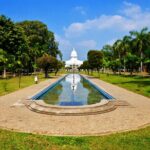
- Where the story starts: Colombo Port City
- Pettah Market: politics meets daily commerce
- Good Market: a second look at consumer pressure
- Tea Avenue and the Dilmah Building: industry as a story thread
- World Trade Center: where policy meets global expectations
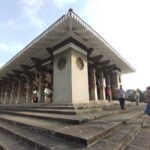
- Old Parliament: the governance chapter
- Independence Square: identity, public memory, and politics in one place
- BMICH end point: finishing at a public-institutions hub
- Who this walk is best for (and who should skip it)
- A balanced approach you can use to form your own view
- The practical takeaway: how to get the most out of it
- Should you book the Colombo Social and Political Walk?
- FAQ
- How long is the Colombo Social and Political Walk?
- What time does the tour start, and where does it end?
- Where is the meeting point for the start of the tour?
- How many people can join this tour?
- Is a mobile ticket provided?
- Does the tour depend on weather?
- What is the cancellation policy?
Key moments that make the walk worth it
- Documentary-style storytelling: the flow is built to feel like a film—information-heavy, but organized.
- Political and economic grounding: you’ll get Sri Lanka 101-level context as you move from site to site.
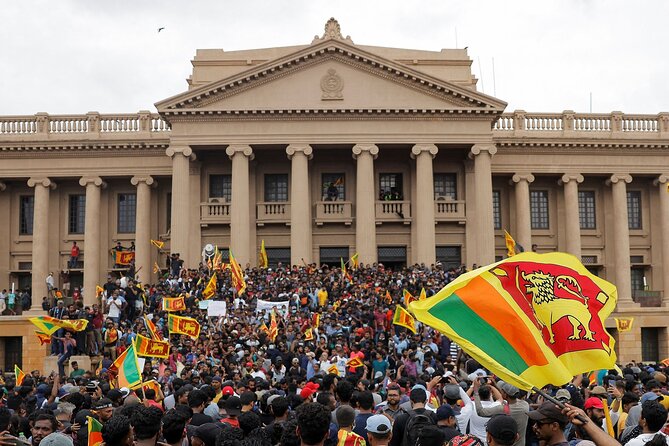
- Real-world context for today’s crisis: the program is explicitly framed around shortages of essentials like food, fuel, and electricity.
- Stops that match the themes: markets, trade-oriented spaces, and government-related locations are used to explain how society and politics connect.
- Small group energy: limited to 25 travelers, which helps the conversation stay real.
- Guide-led clarity: the guide name Chami comes up in feedback for being very well informed.
Price and what you actually get for $35.99
At $35.99 per person for about 2 hours 30 minutes, this isn’t a bargain sightseeing add-on. It’s priced more like an education experience—because it is. You’re paying for a structured walk with analysis, not just entry to sights.
What makes it good value is the mix of:
- clearly planned stops across central Colombo
- a documentary-style narrative
- context around both history and current events
If you’re the type who enjoys learning how a country’s politics shapes daily life, this price starts to make sense fast. If you mainly want photos and quick highlights, you may feel the content is more intense than you expected.
You can also read our reviews of more tours and experiences in Colombo.


Timing, route flow, and how to plan your evening
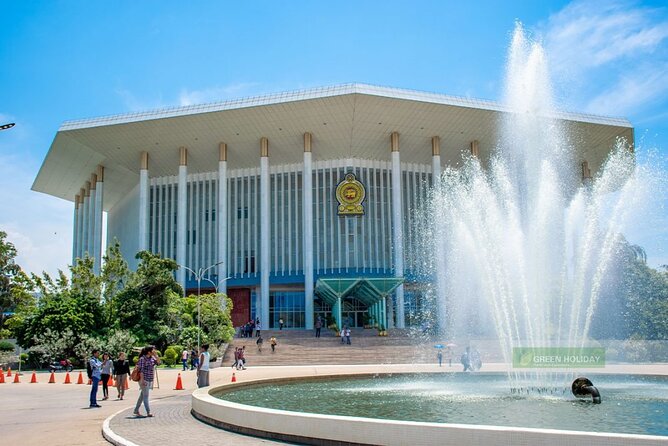
This starts at 5:00 pm and finishes at BMICH (Bandaranaike Memorial International Conference Hall). The meeting point is the Kingsbury Colombo area on Janadhipathi Mawatha.
A 5 pm departure is smart for two reasons. First, it gives you the option to do a normal day first, then use the evening for something meaningfully different. Second, you’ll likely have more comfortable walking conditions than a mid-day slog—though you should still be prepared for Colombo evening heat and humidity.
You’ll be on your feet for roughly 2.5 hours, so I suggest treating it like a real walk, not a light stroll. Comfortable shoes are your friend here.
Weather and the reality-check you should keep in mind
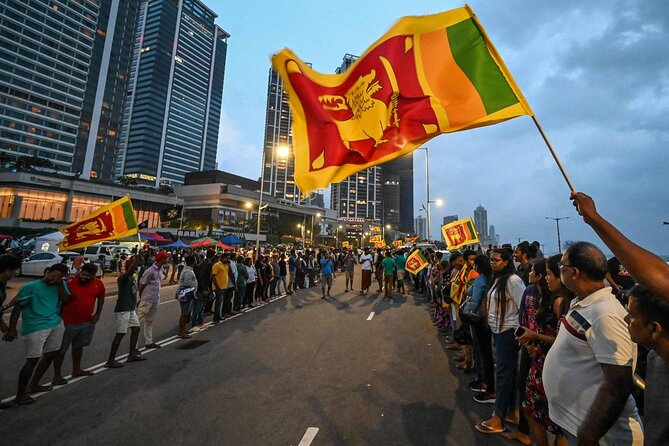
The experience requires good weather. If it’s canceled due to poor weather, you’ll be offered another date or a full refund. Plan like it’s an outdoor event, because it is.
Also, the tour is framed around a severe crisis in Sri Lanka, including shortages of essentials like food, fuel, and electricity. Even if you’re not focusing on the news, the walk’s themes will pull you into that context. That doesn’t make the tour scary—it makes it relevant.
Where the story starts: Colombo Port City
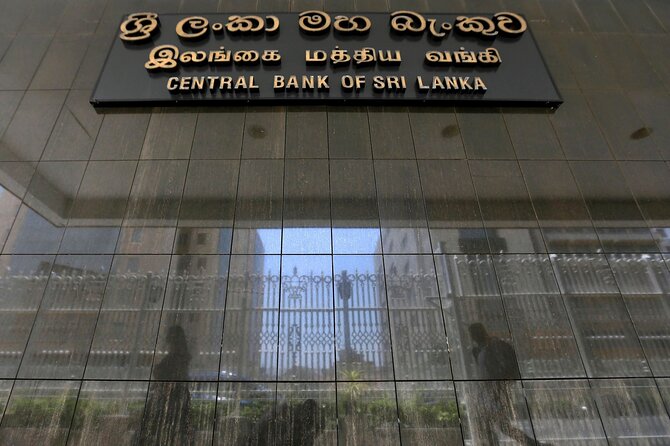
The walk begins at Colombo Port City. This is a logical first stop because it helps set the theme of how the economy and global connections influence life on the ground. The guide’s job here is to orient you: what the place represents in the broader story, and how that connects to power, trade, and policy choices over time.
Practical tip: arrive a few minutes early so you can start relaxed. At the start, it’s easiest to tune your brain to the narrative style—documentary-like, analysis-led—so you get more out of the next stops.
Pettah Market: politics meets daily commerce
Next comes Pettah market, one of the places where economics is visible in real time. Markets tend to compress many forces—work, pricing pressure, supply chains, and demand—into something you can see and understand quickly.
On this walk, you’re not only looking at stalls. You’re using the market setting as a lens for the broader discussion. The tour frames modern life and current disruption as part of the same system: what a country produces, imports, manages, and prioritizes.
If you’re sensitive to crowds, Pettah can feel active. Go in knowing it’s a high-energy stop and stay focused on the guide’s prompts so you don’t get overwhelmed.



Good Market: a second look at consumer pressure
After Pettah, you’ll move to Good market. Having two market-style stops back to back is useful. It gives you room to compare what you’re seeing and to understand how everyday commerce shifts when conditions tighten.
This also helps the tour’s central promise: giving surprising answers through a step-by-step approach. When the discussion touches on supply, affordability, and how people adapt, you’re not hearing it in the abstract.
Tip: if you’re the type who likes to ask questions, this part of the walk is a good moment to speak up—markets are where the story tends to feel most concrete.
Tea Avenue and the Dilmah Building: industry as a story thread
Next up: Tea avenue – Dilmah Building. This stop adds a different angle from the markets: the tour expands from day-to-day commerce to the kind of industry and brand identity that can connect to national economics and global demand.
I like this placement because it keeps the walk from turning into only crisis talk. Yes, the program addresses current shortages and disruptions, but it also links those pressures to longer-running structures—production, trade relationships, and the evolution of the modern state.
You’ll likely finish this segment with a clearer sense of how economic identity can become political messaging and how policy affects what industries can do.
World Trade Center: where policy meets global expectations
Then you’ll see the World Trade Center. This stop works as a bridge from local commerce to larger frameworks: how countries position themselves economically, and how decisions made at higher levels affect what happens on streets and in shops.
Even if you don’t consider yourself a politics person, this kind of framing can help. It turns headlines into something you can picture—who benefits, what gets prioritized, and why systems that look distant still hit daily life.
Old Parliament: the governance chapter
After trade and industry, the walk turns toward government, starting with Old Parliament. This is where the tour’s historical arc becomes more explicit. You’re moving into the narrative about how the modern state took shape, and how later events connect back to earlier choices.
This is a good moment to slow down and really listen. Government sites can feel formal and “quiet,” but on this walk they’re used as story anchors—places where power decisions become visible.
If you’re hoping for a simple photo stop, you might feel this is too much explanation. If you’re here to learn, though, it’s one of the most important stops because it gives you a framework for understanding everything else.
Independence Square: identity, public memory, and politics in one place
Then comes Independence Square. This stop is aimed at the relationship between national identity and politics—how people remember events, and how governments use symbolism to shape public understanding.
The best part about including a place like this is that it prevents the tour from becoming only about economics. Sri Lanka’s story includes belief, legitimacy, and public emotion, and those forces matter when you’re analyzing social and political change.
I’d treat this stop like the tour’s “meaning” checkpoint. After seeing Port City, markets, and trade spaces, you’ll have enough context to understand why symbolic locations get pulled into political debates.
BMICH end point: finishing at a public-institutions hub
The walk ends at BMICH. Ending at a conference and public-institution venue makes sense for a tour focused on the social and political side of national life. It’s a fitting place to wrap up the themes and let the discussion land.
By the time you reach BMICH, you should feel you’ve mapped a big idea onto real Colombo locations: how economic pressures connect to political decisions, and how history continues to influence what people face now.
Who this walk is best for (and who should skip it)
This is ideal if you:
- like learning how politics shapes daily life
- want a structured, analysis-driven introduction to Sri Lanka’s social and political background
- enjoy interactive storytelling rather than a quick sightseeing loop
- can handle a theme that includes today’s shortages and disruptions
You might want to skip it if you:
- want only casual sightseeing with minimal context
- prefer light, non-political city walks
- get turned off by information-heavy formats
A balanced approach you can use to form your own view
One of the tour’s stated goals is to help you determine your views of Sri Lanka for yourself, using a balanced and non-biased perspective. That matters because social and political topics can easily turn into lectures with one narrow viewpoint.
What I appreciate here is the focus on giving you background—especially on the modern state and current times—so you’re not stuck reacting to headlines only. When you see market areas right after governance-linked stops, your brain naturally starts connecting the dots.
And if you’re worried this will feel like propaganda, keep an eye on the way the walk frames questions rather than insisting on answers. It’s designed around surprising explanations, not simple slogans.
The practical takeaway: how to get the most out of it
To make this walk work for you, I recommend going in with two mindsets:
- Ask yourself what each place says about the system. Port City and trade-focused areas point to structures; markets point to pressure on people; governance sites point to decisions and legitimacy.
- Stay tuned to the guide’s pacing. The documentary style means you’ll get dense information. If you tune out for one segment, you’ll miss the “why” that ties everything together.
Also, come with curiosity. If you’re willing to let the tour challenge your assumptions, it will feel like a smart evening spent—not just a paid walk.
Should you book the Colombo Social and Political Walk?
If you’re looking for a uniquely Colombo way to understand Sri Lanka—using real sites and a guided, documentary-style narrative—this is a strong pick. The small group size (max 25) and the guide’s reputation for being very well informed (Chami) are exactly the ingredients that make analysis-based tours feel respectful instead of overwhelming.
I’d especially recommend it if you want politics and economics Sri Lanka 101 with a walk-through structure, not a textbook lecture. Just don’t book it if you want a relaxed, low-content evening. This one gives you context—and it expects you to engage.
FAQ
How long is the Colombo Social and Political Walk?
The walk lasts about 2 hours 30 minutes.
What time does the tour start, and where does it end?
It starts at 5:00 pm and ends at BMICH (Bandaranaike Memorial International Conference Hall).
Where is the meeting point for the start of the tour?
The start meeting point is Kingsbury Colombo, 48 Janadhipathi Mawatha, Colombo, Sri Lanka.
How many people can join this tour?
The tour has a maximum of 25 travelers.
Is a mobile ticket provided?
Yes, the tour includes a mobile ticket.
Does the tour depend on weather?
Yes. It requires good weather, and if it’s canceled due to poor weather, you’ll be offered a different date or a full refund.
What is the cancellation policy?
Free cancellation is available. You can cancel up to 24 hours in advance for a full refund, but cancellation less than 24 hours before the start time is not refunded.