Colombo can feel like a lot when you first arrive, so this all-inclusive tuk tuk tour is a smart way to see the big sights without getting stuck on logistics. You’ll roll through historic temples, religious landmarks, and standout city spots with an English-speaking driver-guide.
What I like most is the mix of major landmarks—Gangaramaya Temple, the Red Mosque, Maritime Museum, Lotus Tower, and the coast—and the way the driver-guide explains what you’re looking at, with real names like Rilwan, Josef, Aslam, Stalin, Ahilan, and Realone showing up in solid guide feedback. The one catch: this is not wheelchair-friendly, and no baby strollers or large bags are allowed, so pack light.
In This Review
- Key takeaways
- How the tuk tuk format keeps Colombo from feeling overwhelming
- Gangaramaya Temple, Sri Kailawasanathan Swami Temple, and the Red Mosque
- Gangaramaya Temple
- Sri Kailawasanathan Swami Hindu Temple (Lord Shiva)
- Red Mosque (Jami Ul-Alfar Mosque)
- Maritime Museum and Sambodhi Chaithya: sea history meets Buddhist calm
- Maritime Museum
- Sambodhi Chaithya
- Light House, Clock Tower, Old Parliament: colonial-era landmarks in a tight loop
- Light House and Clock Tower
- Old Parliament
- Independence Memorial Hall and Vihara Maha Devi Park: national pride plus a breather
- Independence Memorial Hall
- Vihara Maha Devi Park
- Tea tasting and Pettah Market: the best way to taste Colombo’s daily life
- Free Tea Tasting at a tea stop
- Pettah Market
- Galle Face Green and the floating-market vibe: finishing near the sea
- Lotus Tower and Town Hall: modern skyline meets municipal power
- Lotus Tower
- Town Hall
- Price and logistics: what $22 gets you (and why it’s fair)
- Safety, pace, and guide quality you can actually count on
- Who should book this tour, and who should skip it
- Should you book the Colombo Sightseeing Tour by Tuk Tuk?
- FAQ
- What’s included in the Colombo sightseeing tour by tuk tuk?
- How many places will we visit?
- What time of day can I choose for the tour?
- What are the main sights on the route?
- Is tea tasting included?
- What languages are spoken during the tour?
- Is this tour private or shared?
- Are baby strollers or large bags allowed?
- Is the tour wheelchair-friendly?
- Can I reserve and pay later?
Key takeaways
- Private tuk tuk pacing for up to 15 Colombo stops, typically around a half day
- English-speaking driver-guide who adds context as you move
- Tea tasting included, plus a proper look at Pettah Market
- Major landmarks in one loop: temples, museums, towers, and the seaside promenade
- Hotel pickup and drop-off across Colombo 1 to Colombo 15 with bottled water and parking covered
How the tuk tuk format keeps Colombo from feeling overwhelming
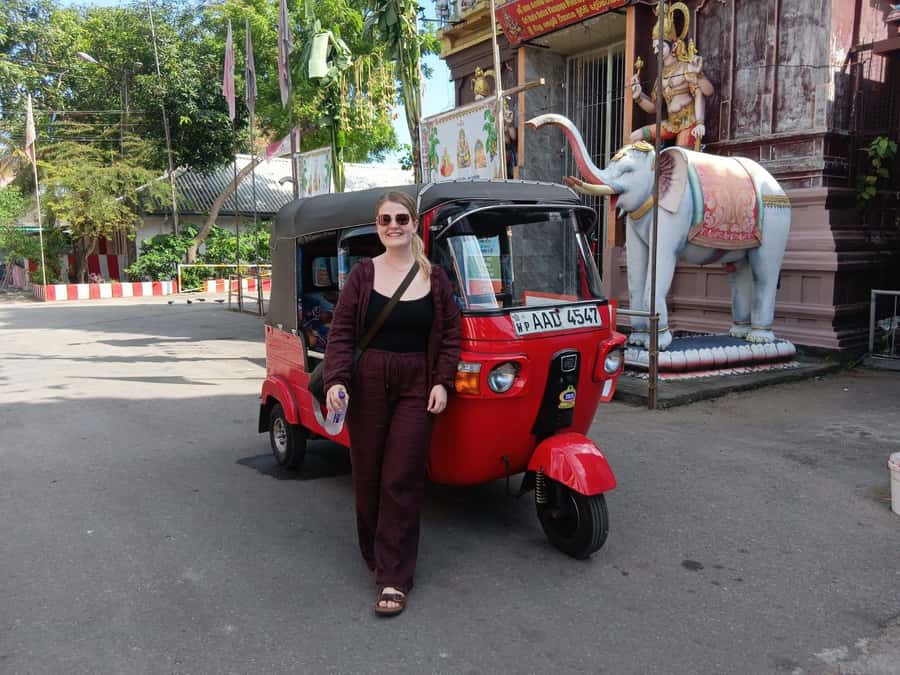
Colombo is a city where directions and timing can turn into a headache fast. The beauty of a tuk tuk tour is that you’re not trying to figure out routes block by block. You get private transport, pickup from your hotel, and a driver-guide who handles the driving and the order of sights—so you can focus on what you came for.
From the way the tour is described and paced, it fits a half-day window well. One review notes about 4 hours flew by. That makes sense: the route is packed, but the tuk tuk keeps the day moving without the “bus tour shuffle” feeling.
Also, the tour is genuinely all inclusive for the basics. You get bottled water, parking charges are covered, and you don’t have to worry about scrambling for entry tickets the day you’re out. Just keep expectations realistic: there are many stops, so some are short photo-and-look moments, not long sit-down museum stays.
You can also read our reviews of more tours and experiences in Colombo.


Gangaramaya Temple, Sri Kailawasanathan Swami Temple, and the Red Mosque
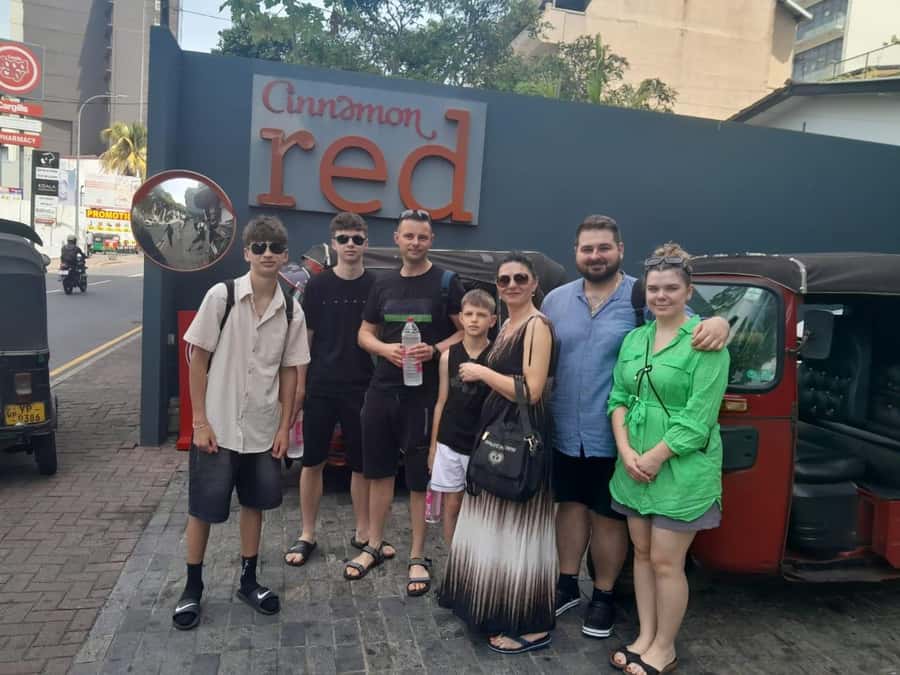
The tour starts with big spiritual landmarks, and that’s a smart move. You’re easing into Colombo’s identity—Buddhist, Hindu, and Muslim sites—before you head into markets and modern landmarks.
Gangaramaya Temple
Gangaramaya is a standout Buddhist temple with impressive architecture and a notable collection of Buddhist artifacts. This is the kind of place where even a quick visit feels “complete” because the visuals do a lot of work for you. Your driver-guide can help you read what you’re seeing, especially if you’re not used to how Buddhist temple spaces are organized.
Sri Kailawasanathan Swami Hindu Temple (Lord Shiva)
Next comes a Hindu temple dedicated to Lord Shiva, with Dravidian-style architecture. If you only know South Indian temple shapes from photos, this is your chance to see how that style shows up in Colombo. Look for the details in the structure and ornamentation—this is the sort of stop where explanation helps more than you might expect.
Red Mosque (Jami Ul-Alfar Mosque)
Then you hit the Red Mosque, famous for its bright red and white striped exterior. Even if you’re not a religious-architecture person, the exterior gives you an immediate “wow” moment. Treat it as a short pause in the middle of a long day—slow down, look closely, and take in the contrast with the surrounding streets.
Practical tip: These sites often have cultural rules about how you should behave. Dress respectfully and keep movement calm. If you’re unsure, ask your driver-guide before you step in.

Maritime Museum and Sambodhi Chaithya: sea history meets Buddhist calm
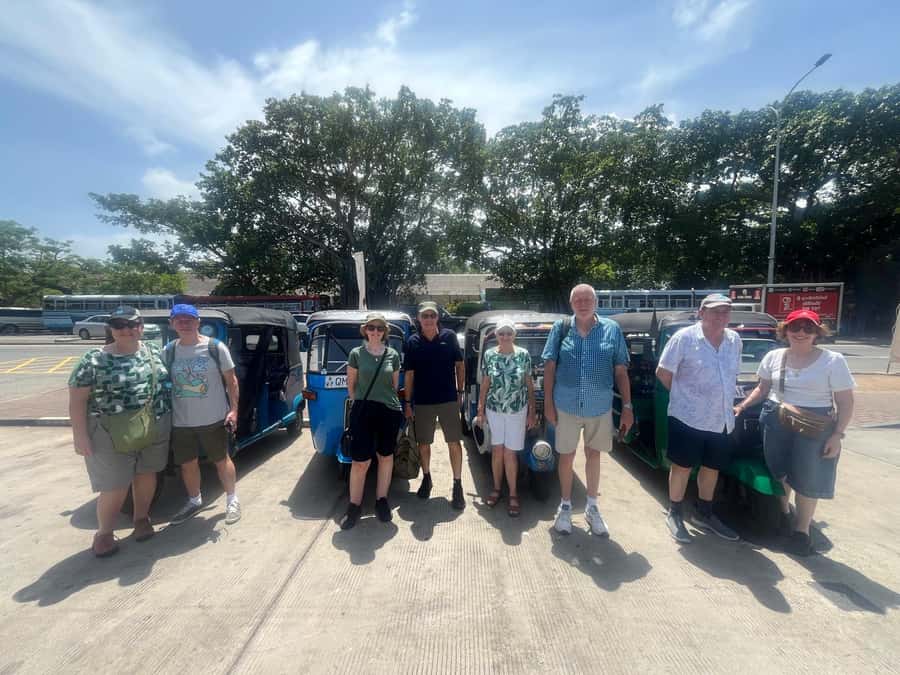
Colombo is a port city, and the tour reflects that. The Maritime Museum stop plus the Sambodhi Chaithya Buddhist stupa nearby connects Sri Lanka’s sea story with local religious life.
Maritime Museum
The Maritime Museum is positioned to help you understand how maritime heritage shaped the island and the city. If you like “why this place exists,” you’ll appreciate this stop because it provides context rather than just visuals.
Sambodhi Chaithya
Sambodhi Chaithya is a quieter, more reflective moment. A stupa tends to slow your pace naturally—less rushing, more observing. It’s also a good break from walking through busier city streets and markets later.
Why this pairing works: You get the broader story first (maritime), then a calmer space (stupa) that lets you reset your brain before you move on.
Light House, Clock Tower, Old Parliament: colonial-era landmarks in a tight loop
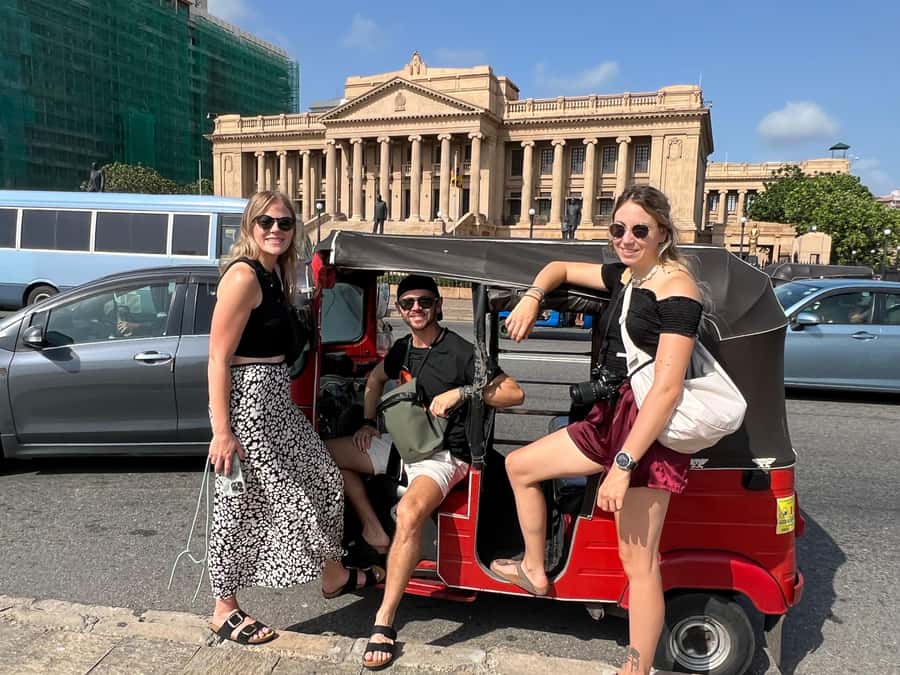
Next you get the kind of landmarks that help you understand Colombo’s layered past. The tour includes the Light House, the Clock Tower dating back to 1857, and Old Parliament.
Light House and Clock Tower
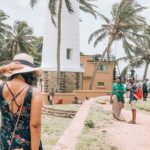
The Light House and the Clock Tower make a great combo because they’re both recognizable city landmarks. You’ll also get a chance to think about how the city used timekeeping and navigation landmarks during colonial-era development.
Old Parliament
Old Parliament is a colonial-era building that gives you a window into Sri Lanka’s political heritage. This isn’t just a “look at the facade” moment. Even a brief visit helps you place what you’ve been seeing in a wider story about governance, power, and change.
One thing to watch: Because this part of the tour covers several points, you’ll want to keep your energy steady. If you’re the kind of person who needs long indoor reading time, consider this your “orientation” stop rather than your full history stop.
Independence Memorial Hall and Vihara Maha Devi Park: national pride plus a breather
The tour continues with Independence Memorial Hall and then shifts toward green space.
Independence Memorial Hall
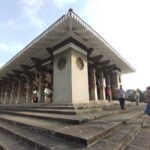
Independence Memorial Hall commemorates Sri Lanka’s independence. The design and surrounding gardens add to the experience, especially if you want a calmer, more contemplative break from temples and markets.
Vihara Maha Devi Park
Vihara Maha Devi Park is where you can exhale. You get lush green space and a tranquil lake. In a day packed with architecture and street life, this park stop matters because it helps you reset and actually enjoy the city’s open-air rhythm.
If you’re traveling with someone who hates constant movement, a park stop like this is a lifesaver. For you, it’s also a moment to catch your breath and get a better feel for Colombo beyond “sights.”
Tea tasting and Pettah Market: the best way to taste Colombo’s daily life
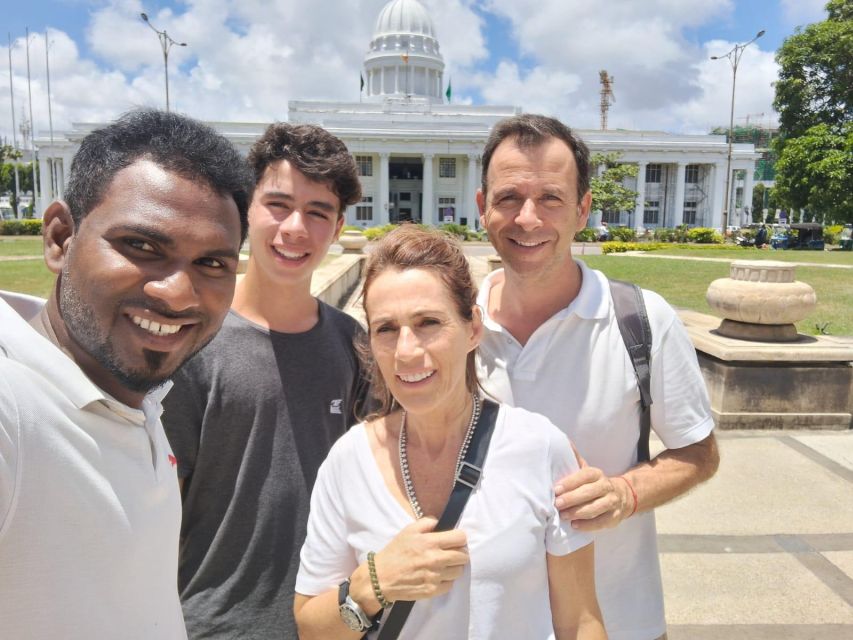
This is where the tour shifts from landmarks to everyday energy. The included free tea tasting and the visit to Pettah Market are some of the most practical, memorable pieces of the route.
Free Tea Tasting at a tea stop
You’ll learn about Sri Lanka’s famous tea industry and watch the tea production process, then sample teas that are complimentary. Even if you don’t become a tea expert by the end, the value here is understanding where the product comes from—and getting to taste it on the spot.
Sri Lankan tea has a reputation for a reason. This stop helps you connect the dots between what you drink later and what the country produces.
Pettah Market
Pettah Market is where Colombo feels like a working city. You’ll see trading culture up close and have time to browse items, spices, and local products. It’s a good reminder that markets aren’t just for souvenirs. They’re also where you get a real sense of what locals buy, cook with, and talk about.
Practical tip: Markets can be intense on the senses. Slow down, stick with what you can comfortably carry, and let your driver-guide help you navigate what’s worth your time.
Galle Face Green and the floating-market vibe: finishing near the sea
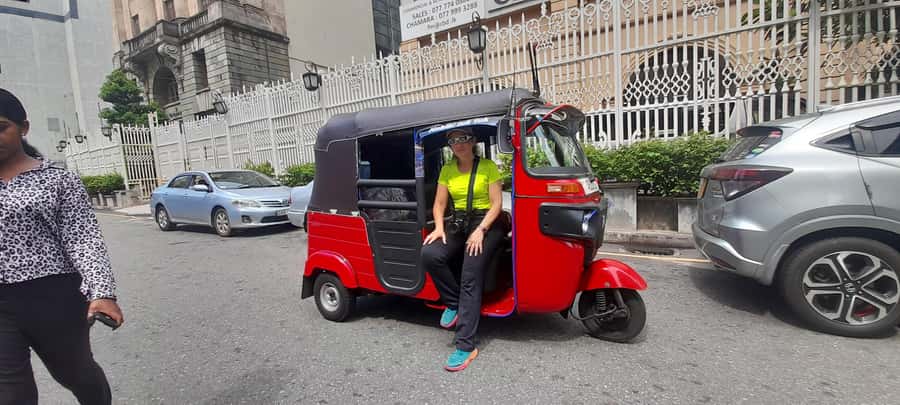
The tour ends at Galle Face Green, a coastal urban park and promenade with Indian Ocean views. This is a strong finale because it brings your day full circle—from ports and colonial landmarks to present-day streets and sea air.
Galle Face Green is also a great place to pause. If you’ve been hopping from temple to tower, you’ll appreciate having a spot where you can just sit, watch the water, and let the day sink in.
You’ll also encounter the tour’s mention of the Pettah Floating Market, along with another big signature sight: Lotus Tower. Even if your time at each specific point varies a bit with the day’s flow, the overall arc is clear—street-level culture into iconic city landmarks and then back to open air.
Lotus Tower and Town Hall: modern skyline meets municipal power
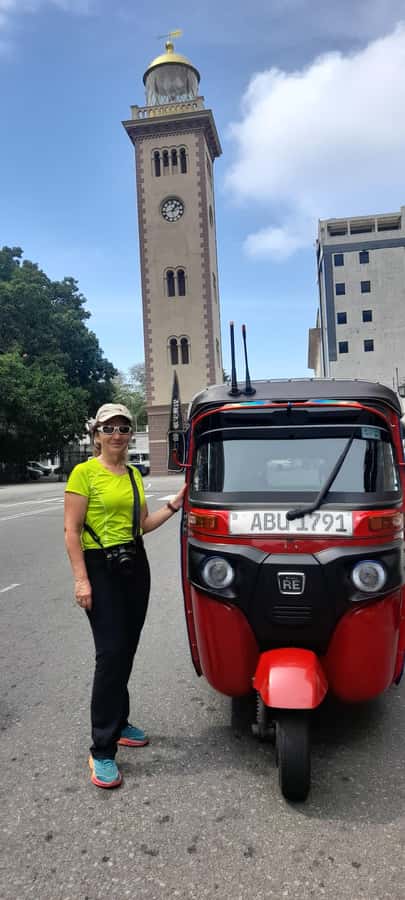
Two stops that feel like a bridge between Colombo’s past and present are Lotus Tower and Town Hall.
Lotus Tower
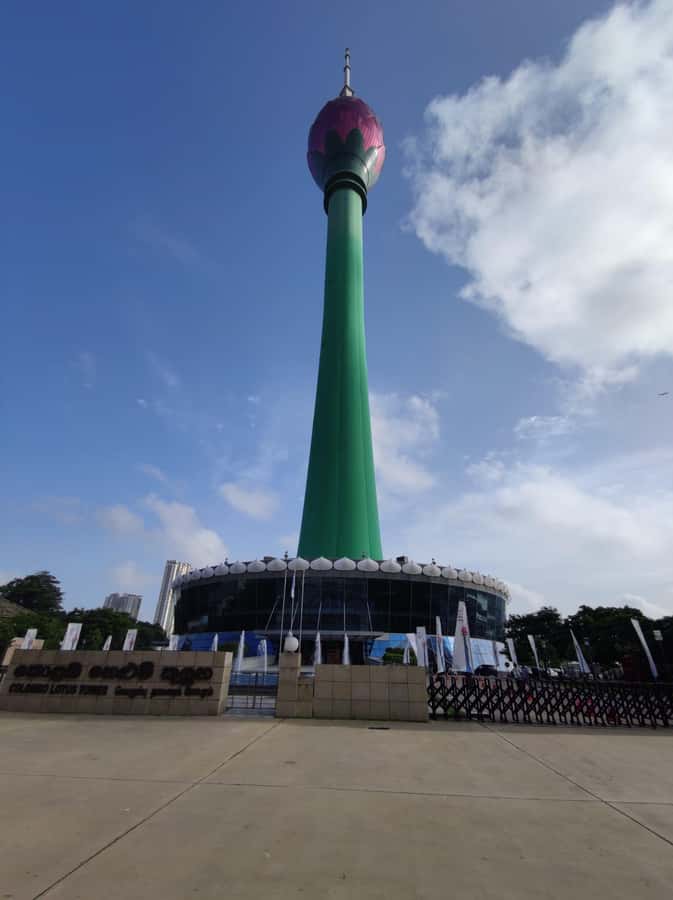
Lotus Tower is a modern architectural landmark and one of South Asia’s tallest structures. The observation deck view is the kind of payoff that makes a packed route feel worth it. From up there, Colombo starts to look organized in your mind—even if street level still feels chaotic.
Town Hall
The Town Hall is a colonial-era municipal building, and it’s tied to the Colombo Municipal Council. Architecture fans will enjoy it; everyone else benefits because it helps you understand how the city was structured and administered.
Why these two are useful together: One gives you a skyline picture. The other helps you understand the “who ran the city” side of the story.
Price and logistics: what $22 gets you (and why it’s fair)
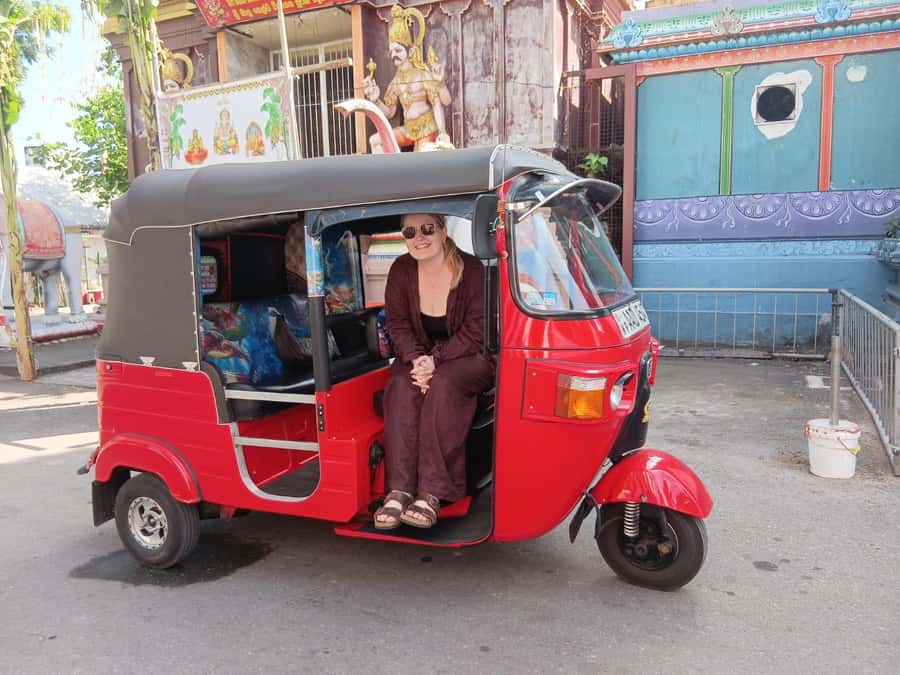
At $22 per person, this is one of the more cost-effective ways to see a lot of Colombo without paying for separate transport legs.
Here’s what you’re getting for the price:
- pickup and drop-off from Colombo 1 to Colombo 15
- private transport by tuk tuk
- an English-speaking professional driver-guide
- bottled water
- parking charges
The biggest value is how it bundles everything together. With a private tuk tuk, you’re not negotiating rides between sites or wasting time on transfers. And with parking handled, your day stays efficient.
Also, the route is designed to cover major “first timer” highlights—temples, key cultural buildings, maritime context, a major market experience, and a coastal finish. That matters because many low-cost tours end up being just a short checklist. This one attempts a fuller loop.
If you’re trying to do Colombo on a budget, this is a strong option. Just be honest about your tolerance for stops that are brief but frequent.
Safety, pace, and guide quality you can actually count on
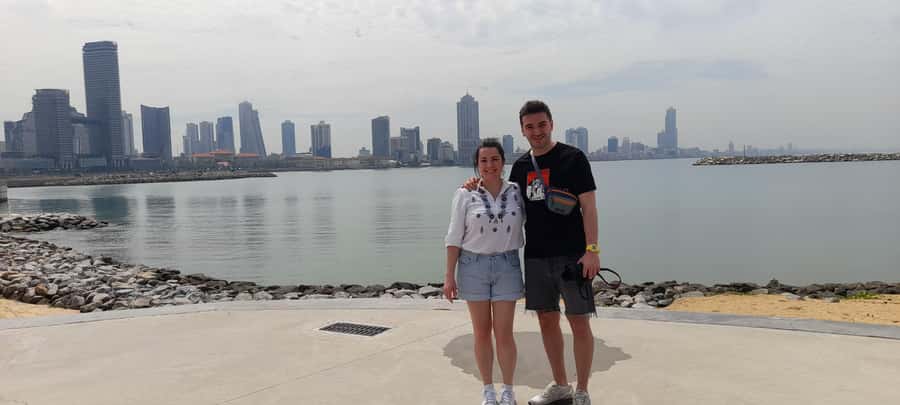
One theme in the experience feedback is that the driver-guide approach makes the difference. Names like Rilwan, Josef, Aslam, Stalin, Ahilan, Joseph, and Realone come up with praise for being courteous and for keeping things safe and organized.
What you should take from that: you’re not just buying a route. You’re buying the smooth execution of that route. Reviews also note that guides provided enough time at each spot, and that English explanations were clear and enthusiastic.
A practical note: since this is a private tuk tuk tour, you can usually move at the rhythm that fits your group. If you want slightly longer at a market stall or need a bathroom stop, your guide is the one who can adjust. (Don’t count on miracles, but a flexible driver-guide can reduce stress.)
Who should book this tour, and who should skip it
This tour is a good fit if:
- you want an organized first introduction to Colombo
- you like a mix of religious sites, museums, and city landmarks
- you want a market experience without planning every turn yourself
- you appreciate an English-speaking guide who explains what you’re seeing
You might want to skip or look for another option if:
- you need wheelchair access (this tour isn’t suitable for wheelchair users)
- you’re traveling with baby strollers or bulky luggage (not allowed)
- you prefer very slow travel, with long museum time at just one or two places
If you’re traveling light and want maximum “see and learn” for a half day, you’ll likely enjoy this route.
Should you book the Colombo Sightseeing Tour by Tuk Tuk?
If your goal is a high-value, low-stress overview of Colombo, I’d book it. For $22, you’re getting private tuk tuk transport, an English driver-guide, bottled water, parking covered, plus a smart mix of cultural sites, city landmarks, tea tasting, and a coastal ending.
Just go in with the right mindset: it’s many stops in limited time. Pack light, wear comfortable shoes, and treat the day like an orientation tour plus a few memorable highlights—especially the tea tasting, the market time at Pettah, and the finish at Galle Face Green.
You’ll leave with the city’s major pieces in your head, not just a photo pile.
FAQ
What’s included in the Colombo sightseeing tour by tuk tuk?
The tour includes free hotel pickup and drop-off in Colombo 1 to Colombo 15, bottled water, private transport by tuk tuk, a professional driver-guide, and all parking charges.
How many places will we visit?
The tour is described as visiting up to 15 places in Colombo.
What time of day can I choose for the tour?
You can choose either a morning or an evening start time.
What are the main sights on the route?
Key stops include Gangaramaya Temple, Sri Kailawasanathan Swami Hindu Temple, the Red Mosque, Maritime Museum & Sambodhi Chaithya, Light House and Clock Tower, Lotus Tower, Old Parliament, Independence Memorial Hall, Vihara Maha Devi Park, free tea tasting, Pettah Market, Town Hall, and Galle Face Green.
Is tea tasting included?
Yes, free tea tasting is included, and you’ll learn about the tea industry and sample teas.
What languages are spoken during the tour?
The driver-guide speaks English.
Is this tour private or shared?
It includes private transport by tuk tuk, tailored to your hotel pickup and drop-off.
Are baby strollers or large bags allowed?
No. Baby strollers and luggage or large bags are not allowed.
Is the tour wheelchair-friendly?
No, it is not suitable for wheelchair users.
Can I reserve and pay later?
Yes. The listing offers reserve & pay later, so you can book your spot and pay nothing today.