Colombo’s best bites start on a tuk-tuk. This street-food tour in Western Province strings together Colombo market stops and the heavy-hitting Sri Lankan classics, from hoppers to chicken kottu roti. With guides like Caviar, the ride and tasting flow felt easy even with Colombo traffic and crowded streets.
Two things I really liked: the lineup is built around real local foods you actually see being made, not just tourist plates, and the variety is smart—crunchy, soft, soupy, spicy, and all different textures in one day. One thing to consider: some dishes come with heat and spice, so if you’re sensitive, you’ll want to pace yourself.
In This Review
- Key highlights you’ll feel right away
- A tuk-tuk street-food route that makes Colombo make sense
- The value math: what $25 gets you in real food time
- Vegetable and fruit market: where flavors start (and what to watch for)
- Pettah quick snack stop: cheese ball and samosa without the restaurant detour
- Ceylon tea and spice tasting: your cheat code for understanding the meals
- Three types of hoppers: crisp vs soft, and why that comparison is the point
- Pittu with crab curry and sambols: the spicy-sweet payoff
- Chicken kottu roti: the ending that turns into a show
- If you’re on the morning menu: what you might get besides the main lineup
- Logistics that actually matter: language, rules, and comfort
- Who this tour suits best (and who should think twice)
- Should you book the Colombo Foods Tour by Tuk Tuk?
- FAQ
- What is included in the Colombo Foods Tour by Tuk Tuk price?
- Does the tour include hoppers, pittu, and chicken kottu roti?
- Is alcohol included or allowed?
- Can I bring and use a camera?
- Is audio recording allowed?
- What food items are listed on the morning tour menu?
- Can I cancel and pay later?
Key highlights you’ll feel right away
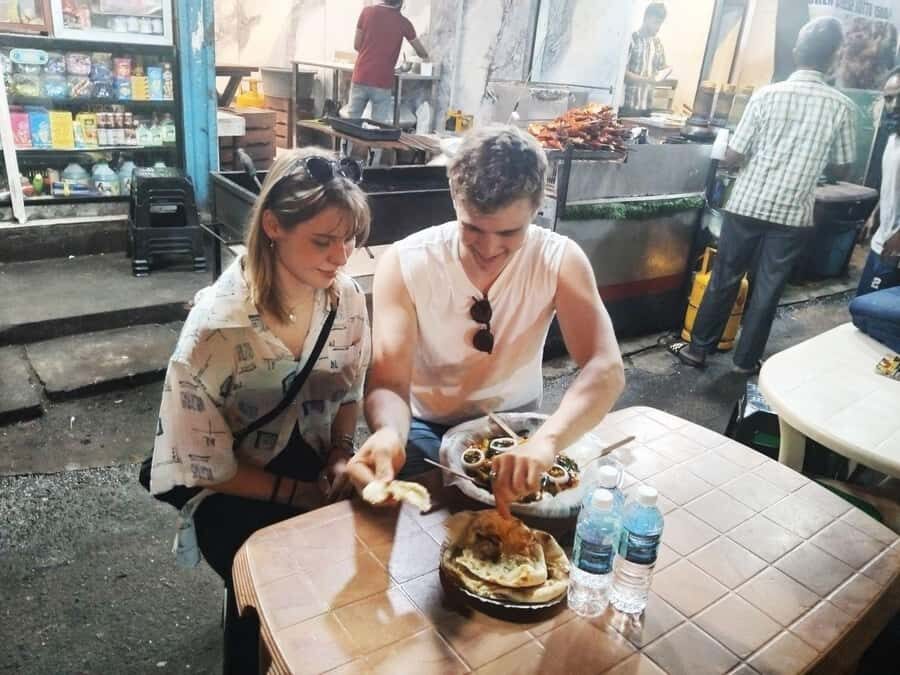
- Tuk-tuk street routing that gets you from markets to griddles without a full-day bus plan
- Three types of hoppers tasting so you can compare crisp vs soft styles
- Pittu with crab curry and sambols for a memorable sweet-spicy-savory combo
- Chicken kottu roti finished at the end, when the grill is working overtime
- Vegetable and specialty stalls including potato, onion, and chili shopping
- Ceylon tea and spice tasting that helps you understand what you’re tasting
A tuk-tuk street-food route that makes Colombo make sense
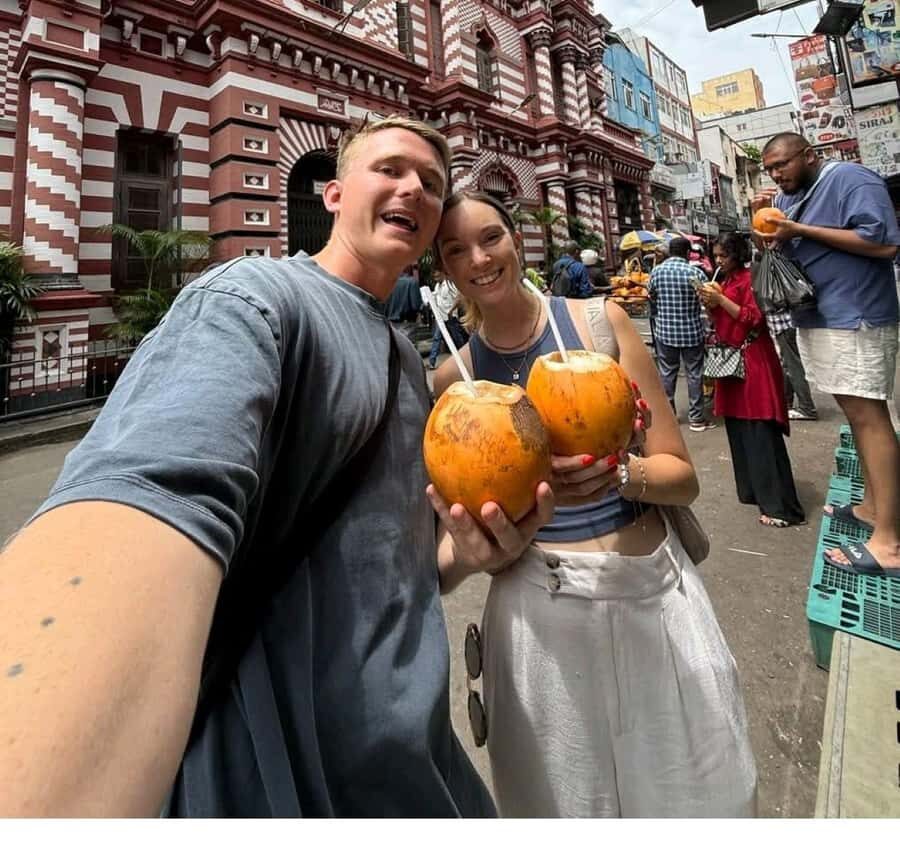
This tour is built like Colombo itself: short hops, frequent tastes, and lots of street context. You’re not stuck staring at menus. Instead, you’re walking through food spaces—markets and street-style stalls—and seeing how people actually shop and cook day to day.
I like that the pace is designed around short stops. You get enough time to smell, look, and taste, without the whole day feeling like one long waiting room. Plus, the tuk-tuk angle matters: it keeps you moving and helps you cover ground that would be slow on foot or awkward by taxi in busy traffic.
Guides also shape the experience. In the feedback I saw, Caviar stood out for humor and local knowledge, and Ricky also got strong praise. That kind of guide energy helps you understand what you’re eating and why it tastes the way it does.
You can also read our reviews of more tours and experiences in Colombo.



The value math: what $25 gets you in real food time
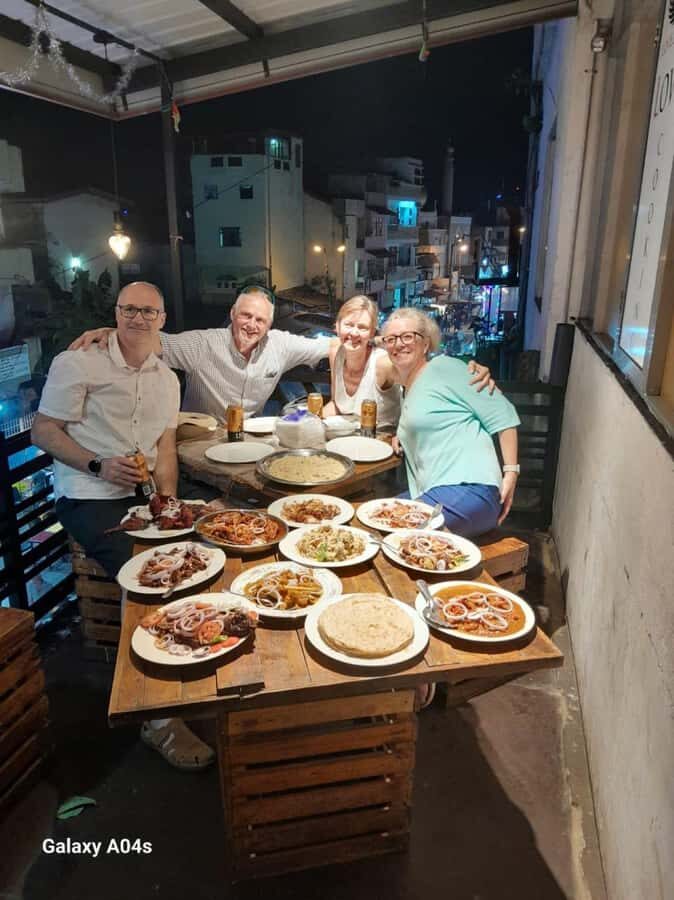
At $25 per person, the best way to judge value is by what’s included versus what you’d normally pay if you sampled on your own.
You get:
- bottled water
- tasty local snacks
- an umbrella for sun or rain
- a first aid kit on hand
- all fees and taxes
And the core tastings are the big-ticket items on a Sri Lankan street-food day: hoppers in multiple types, pittu with crab curry and sambols, and chicken kottu roti to cap it off. For a food-focused tour, that’s where the value sits—multiple dishes, not just one meal.
What you should budget for separately: additional beverages and extra foods beyond the included snacks. Alcohol isn’t part of the deal, and you should plan for any upgrades to cost extra. If you like to drink a lot, keep that in mind.
Vegetable and fruit market: where flavors start (and what to watch for)
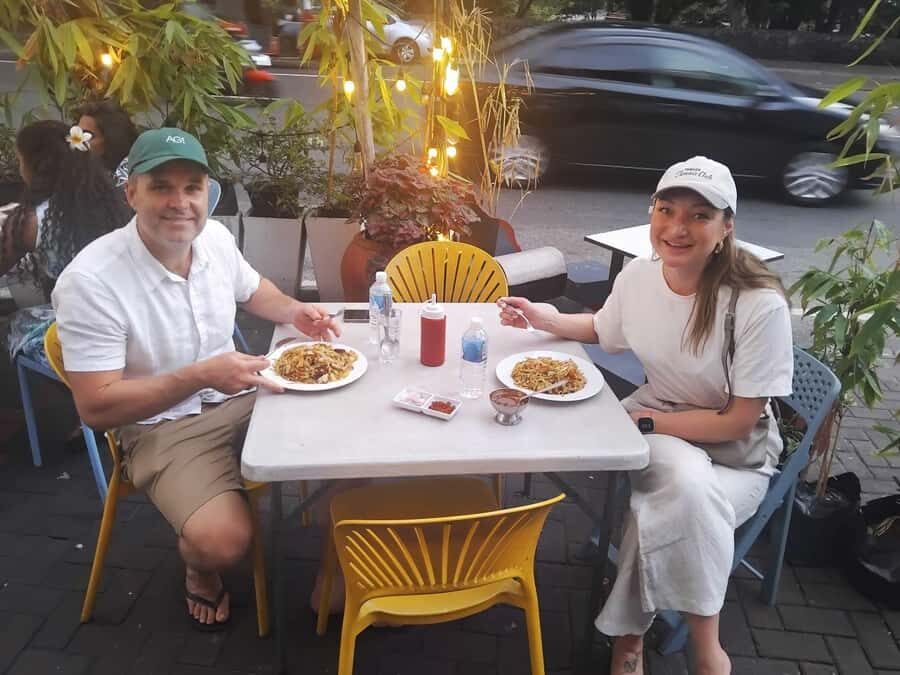
Your first real taste of local life is the vegetable and fruit market visit. This is where Colombo’s food story begins: you see the ingredients that drive the spice profiles and the textures that show up later in hoppers and sambols.
The market part also includes specialty shopping like potato, onion, and chili stalls. That matters, because in Sri Lankan cooking those three show up constantly—potato in coconut-based sides, onion for sweetness and body, and chili for heat that builds rather than just shocks.
Practical note: markets are sensory. You’ll be standing, moving, and looking around. Bring your camera (it’s explicitly encouraged), and wear comfortable shoes. If you prefer quiet sightseeing, this section is not for you. If you like action and color, it’s exactly the point.
Pettah quick snack stop: cheese ball and samosa without the restaurant detour
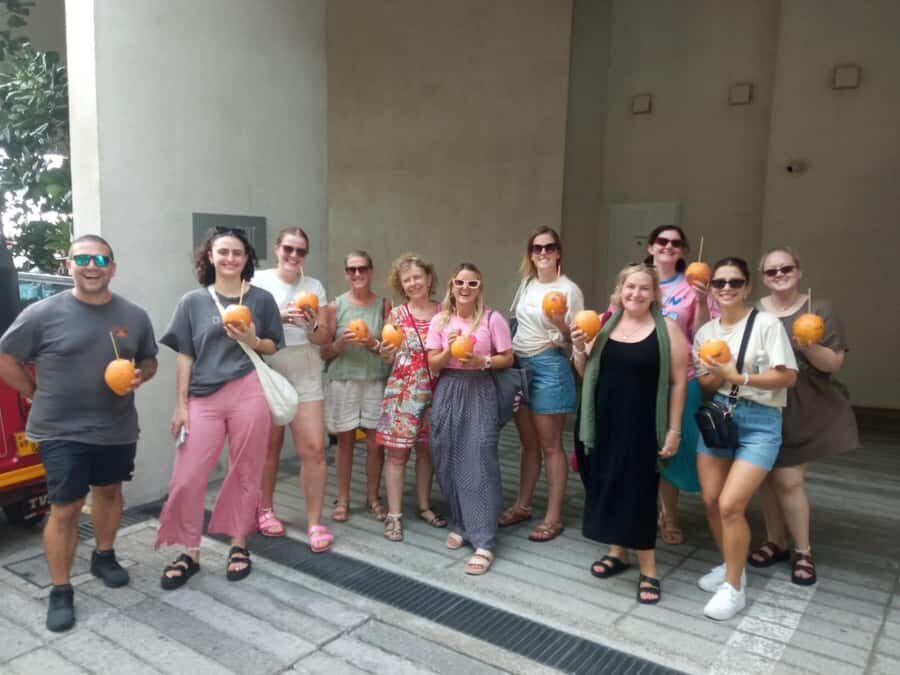
On the way through Pettah, there’s a quick bite stop—cheese ball and samosa. The key detail here is timing and style: it’s not a sit-down restaurant break. You get the snack, keep moving, and stay on the food rhythm of the day.
This works well because cheese ball and samosa are street-friendly foods: easy to taste, easy to compare, and they pair well with the later items like hoppers and pittu. If you arrive hungry, this helps you get oriented before the main hoppers tasting.
Potential drawback: because it’s quick, you won’t have a long, slow meal break here. If you rely on long sit-down pauses to reset, plan to treat this tour as a series of short food moments rather than one full restaurant lunch.
Ceylon tea and spice tasting: your cheat code for understanding the meals
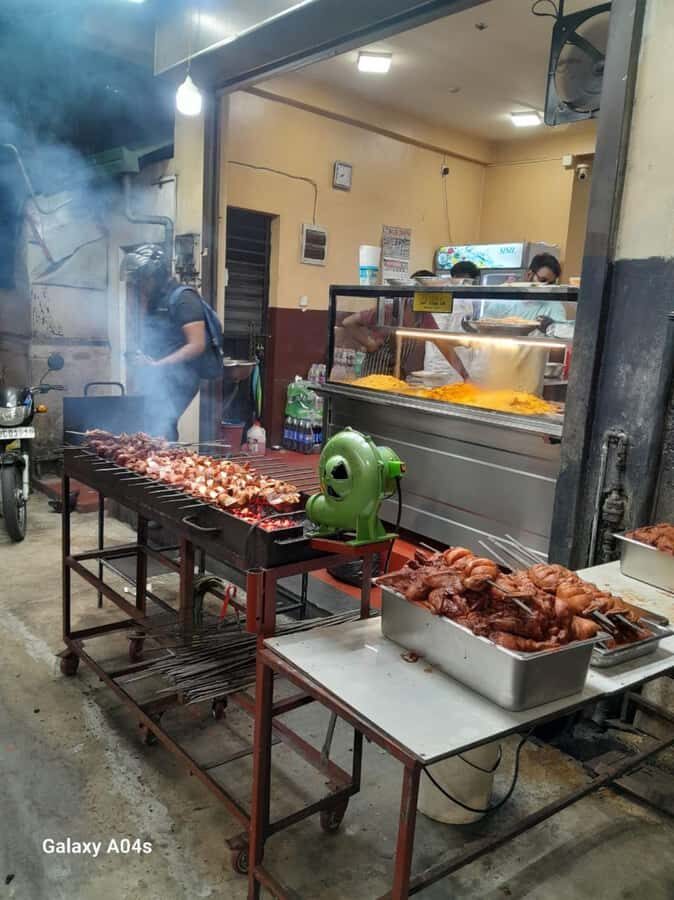
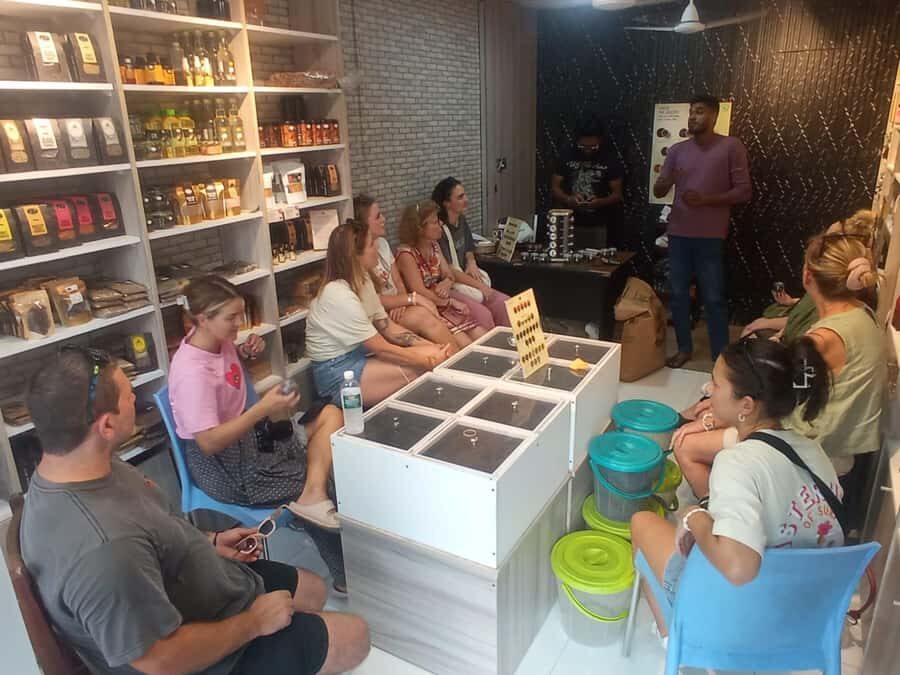
Between market snacks and the main dishes, you’ll do a Ceylon tea and spice tasting. This isn’t just a background activity. It’s how you learn the flavor logic so the later foods make more sense.
Ceylon tea gives you a taste anchor—something you can recognize even when spice mixes change from stall to stall. Then the spice component helps you connect what you tasted earlier in the market (chili, onion, and all the usual suspects) to what’s happening in sambols and curry.
If you like food tours that teach without turning into a classroom, this section is a good fit. You’re not memorizing names. You’re learning what to notice when you take your next bite.




Three types of hoppers: crisp vs soft, and why that comparison is the point
Hoppers are the headliner here, and you don’t just get one kind. You taste three types of hoppers, designed so you can compare textures and approaches.
That matters because hoppers aren’t one thing. You’ll notice differences in crispness and softness, and those differences affect how flavors hit your tongue. Crunchy edges can carry salt and spice longer. Softer hoppers can feel more comforting, almost like a gentle base for sambols and curry.
The strong praise in the feedback makes sense: when a tour gives you multiple hopper styles, you stop thinking of hoppers as a single dish and start seeing them as a technique. That makes the food feel more authentic and less like a random assortment.
If you’re the type who loves comparing versions of the same ingredient or dish, this is where the tour earns its keep.
Pittu with crab curry and sambols: the spicy-sweet payoff
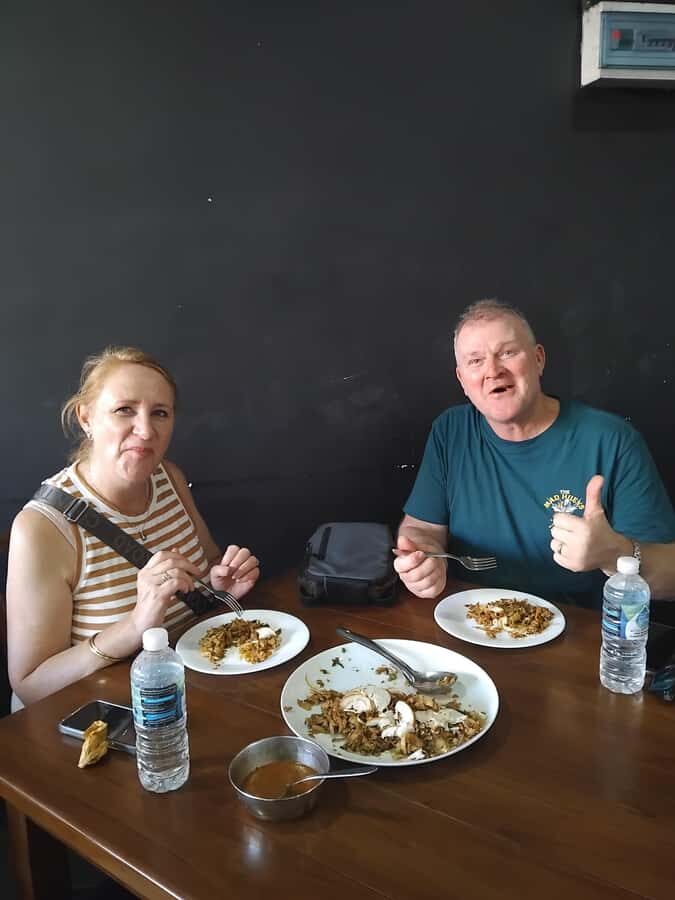
Next comes steamed pittu served with crab curry and a mix of traditional sambols. This is where the tour shifts from crisp snacks into heavier comfort and deeper flavor.
Pittu has a distinct texture—steamed and slightly grainy—so it pairs well with curry that’s flavorful and spicy. The crab curry adds a savory, coastal feel, while the sambols bring brightness and heat. Together, they create a full balance: something soft, something spicy, something rich, and something that wakes up the palate.
In the feedback I saw, this was one of the most memorable stops. That’s usually what happens when a tour includes a dish with both character and contrast. You’re not just eating. You’re comparing bites: pittu by itself versus with curry versus with sambols.
If you’re spice-sensitive, take smaller portions here. Not because the food is unsafe, but because it’s the kind of bite where heat builds quickly once you start mixing everything together.
Chicken kottu roti: the ending that turns into a show
The tour’s finish is chicken kottu roti, one of Sri Lanka’s most popular street dishes. This is also where your senses will feel the most alive: the sizzling griddle, the sound, the smell, and the quick transformation as ingredients come together.
Kottu roti works because it’s not delicate. It’s practical street food: chopped roti cooked with a savory mixture and usually seasoned so it’s bold. By the time you reach this stop, you’ll have already tasted spices, curry flavors, and sambols—so the kottu roti lands with extra meaning instead of tasting like another random snack.
One review highlighted the kottu roti as a favorite, and another mentioned how the day felt like a highlight of the trip. That tracks: ending with kottu is smart because it’s both food and atmosphere.
If you’re on the morning menu: what you might get besides the main lineup
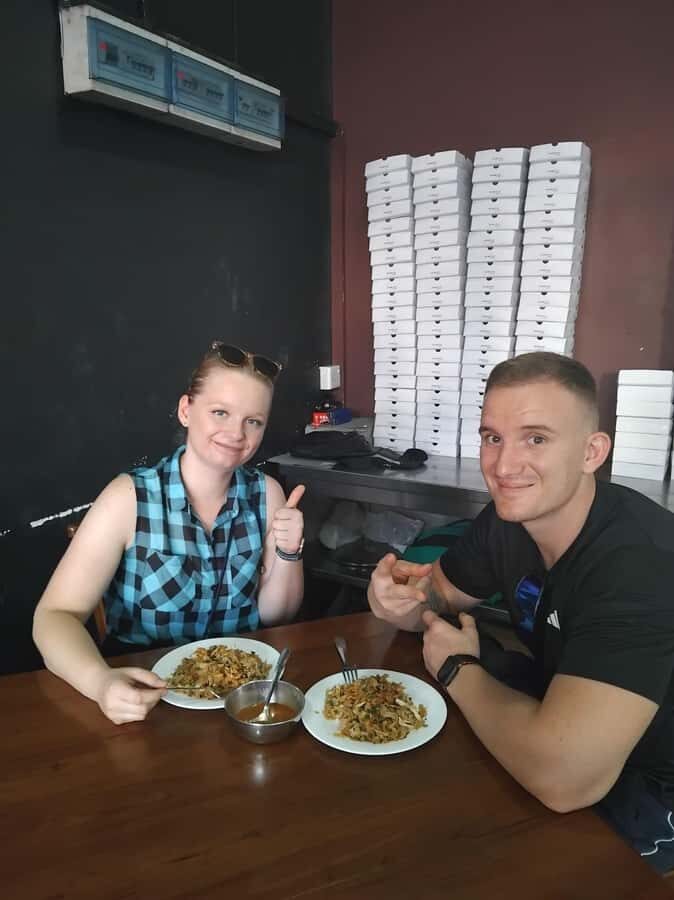
The tour notes that morning departures may include a specific food set. If you book for the morning, you might see items such as:
- king coconut
- string hoppers
- rotti with spicy sambal
- cassava and potatoes with coconut sambol
- milk rice
- cheese ball with samosa
So, if you’re planning around specific dishes, check which menu slot you’re joining. The core theme stays the same—street food variety and Sri Lankan staples—but the exact mix can change.
This is also a reason the tour can feel like a real local experience. You’re not locked into one scripted plate. You’re sampling what fits the time slot and food flow.
Logistics that actually matter: language, rules, and comfort
This tour runs in English, which makes it easier to ask questions and understand what you’re eating. The feedback also points to guides being warm and helpful, not just hands-off.
A few rules are important:
- Alcohol and drugs are not allowed.
- Audio recording is not allowed.
- A camera is fine, and it’s encouraged.
Comfort matters here because you’ll be out and moving through street settings. The included umbrella for sun or rain is a practical touch. You’ll also want shoes you can stand and walk in for market and street stops.
One more consideration from the tour notes: it’s not suitable for people over 95 years. That’s worth respecting if you’re deciding on group activities based on mobility.
Who this tour suits best (and who should think twice)
This is ideal if you want:
- a street-food focused day in Colombo
- to taste iconic dishes like hoppers, pittu, and chicken kottu roti
- market context, not just restaurant meals
- a guide-led experience that explains what you’re eating without making it boring
It may be less ideal if:
- you hate spice or you’re very sensitive to heat
- you need long sit-down restaurant breaks
- you dislike crowded street environments and prefer quiet attractions
Also, if you love food photography, you’ll likely enjoy the market visuals and the griddle action at the kottu roti stop.
Should you book the Colombo Foods Tour by Tuk Tuk?
I think you should book if you want a concentrated, food-first introduction to Colombo. For $25, you get multiple major dishes plus tea and spice tasting, and the included essentials like bottled water and umbrella remove common travel annoyances.
If you’re looking for a calm, scenic tour, skip it. This is a taste-and-traffic day. But if you enjoy street-level experiences—markets, cooking energy, and comparing versions of the same food—this tour delivers.
One last tip for making it land: come hungry, but go steady at the spice-heavy stops. The tour’s flow is designed to build flavor across the day. If you rush, you lose the chance to taste the differences between hoppers, pittu with curry and sambols, and the final kottu roti.
FAQ
What is included in the Colombo Foods Tour by Tuk Tuk price?
The tour includes bottled water, tasty local snacks, an umbrella for sun or rain, a first aid kit, and all fees and taxes.
Does the tour include hoppers, pittu, and chicken kottu roti?
Yes. The tasting includes three types of hoppers, pittu served with crab curry and sambols, and chicken kottu roti to finish.
Is alcohol included or allowed?
Alcohol is not included, and alcohol is not allowed on the tour.
Can I bring and use a camera?
Yes. Bringing a camera is recommended, and you can take photos during the tour.
Is audio recording allowed?
No. Audio recording is not allowed.
What food items are listed on the morning tour menu?
For the morning food tour menu, items listed include king coconut, string hoppers, rotti with spicy sambal, cassava and potatoes with coconut sambol, milk rice, and cheese ball with samosa.
Can I cancel and pay later?
You can reserve and pay later (pay nothing today). Cancellation is allowed up to 24 hours in advance for a full refund.