Sri Lanka by car, with serious highlights. This private, transport-only 5-day route strings together temples, tea country, Sigiriya, and Galle without you wrestling with buses. I like the English-speaking chauffeur guide model (you’re not stuck guessing), and I like that you can customize the day-to-day plan to match your pace. The main drawback is also the most common one with this style: you’ll need to budget time and money for your own hotel, food, and some site entrance tickets.
One more practical note: even with a private vehicle, Sri Lanka has traffic and weather swings, so transfers can feel long. The good news is that the route is built around compact “must-see” areas, so you get real variety without trying to do everything in a single rushed day.
In This Review
- Key Things I’d Focus on Before You Go
- Price and What You Actually Get for About $200
- Picking Colombo as Your Anchor Point
- Day 1: Temple of the Sacred Tooth, Peradeniya Gardens, and Kandy Views
- Ranweli Spice Garden: Learning What Goes Into Your Rice and Curries
- Day 2: Gregory Lake and Tea-Country Stops in Nuwara Eliya
- Day 3: Sigiriya Rock Fortress and Dambulla’s Golden Cave Temple
- Day 4: Galle Fort Walks, Lighthouse Views, and Dutch Hospital
- Day 5: Mihintale, Anuradhapura Stupas, and the Jaya Sri Maha Bodhi Tree
- What Makes This Tour Feel Smooth (Even with Long Drives)
- Temple Etiquette and Safety Tips That Save Headaches
- Choosing Your Own Hotel and Food Without Losing Control
- Who This Tour Fits Best
- Should You Book This 5-Day Private Vehicle Tour?
- FAQ
- What’s included in the tour price?
- What entrance fees are not included?
- Where are the pickup and drop-off points?
- Can I customize the route and where I stay?
- Are there COVID or quarantine requirements?
- What is the cancellation policy for a full refund?
Key Things I’d Focus on Before You Go
- A true private vehicle setup with fuel included for 750 km over 5 days, plus WiFi on the go when available
- English-speaking chauffeur guide who accompanies you to many sights, which makes temples and ruins easier to understand
- Flexibility is the point: you choose accommodation and can customize the route once you’re underway
- Big-name stops included: Temple of the Sacred Tooth, Peradeniya Gardens, Sigiriya, Dambulla, and Galle Fort
- Budget heads-up: Dambulla cave temple and Sigiriya lion rock entrance fees aren’t included, and many shorter stops are ticketed too
Price and What You Actually Get for About $200
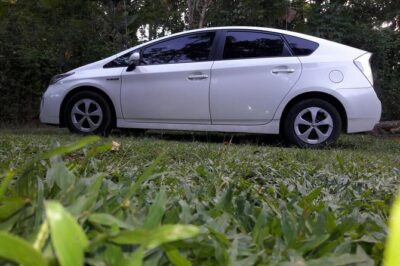
At roughly $200 per person for a 5-day private vehicle tour, the value comes from what’s bundled: an A/C vehicle (with fuel for up to 750 km), an English-speaking chauffeur guide, and the chauffeur guide’s own accommodation. In other words, you’re paying for the logistics engine—getting between regions comfortably—while keeping freedom over where you sleep and exactly how you spend your time in each area.
What isn’t bundled is just as important for your planning. You’ll cover your own food and hotel, plus some entrance fees. The itinerary includes a mix of free sights and paid ones, so your total on-the-ground spend will depend on how many “optional” admissions you add and whether you choose to go inside every ticketed location.
If you want a vacation that runs on your schedule (instead of a fixed bus route), this is the kind of setup that makes sense.
You can also read our reviews of more tours and experiences in Colombo.
Picking Colombo as Your Anchor Point
This tour is designed around mileage that starts and ends in Colombo or the airport. That’s helpful because you don’t have to guess how you’ll get started on Day 1.
One timing detail you should note: vehicle usage is scheduled from Day 2, 8:30 AM to 6:30 PM. Day 1 may involve different logistics depending on your exact pickup and routing, so I’d confirm your first-day plan up front with Apple Vacations.
Day 1: Temple of the Sacred Tooth, Peradeniya Gardens, and Kandy Views
Day 1 is all about Kandy’s spiritual core and its “slow down” atmosphere. It starts with the Temple of the Sacred Tooth Relic, a golden-roofed complex that Sri Lanka treats like a national treasure. The tooth itself is not shown—it’s kept in a guarded gold casket shaped like a dagoba, with a set of diminishing caskets inside. During puja, the guarded room opens for devotees and tourists, but you’re there for the ritual and architecture more than for a close-up relic photo.
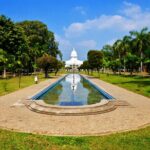
Next comes Peradeniya Royal Botanical Gardens, described as the finest of its kind in Asia. The location is a big part of why it’s special: the gardens sit around 500 meters above sea level and are bounded on three sides by a loop of the Mahaweli River. Even if you’re not a hardcore plant person, it’s a nice break from temples—more air, more space, and a calmer pace.
Then you climb up toward Kandy Lake viewpoint. The view over the lake and city is one of the easiest “wow” moments in Kandy. Two practical considerations: peddlers can be pushy, and the viewpoint area has a reputation for pickpocket activity, so keep your phone and wallet secure and don’t set bags down.
The day closes with Kandy Lake itself, also called Kiri Muhuda (Sea of Milk). It’s an artificial lake built in 1807 beside the Temple of the Tooth. Fishing is banned, and there are legends (including a story about a secret tunnel connecting an island feature to the palace), which gives you something interesting to listen for as you walk around the area.
My takeaway: Day 1 works because it mixes sacred awe with a real geography lesson—how Kandy is shaped by water, gardens, and hill views.
Ranweli Spice Garden: Learning What Goes Into Your Rice and Curries
Between viewpoints, you’ll likely stop at New Ranweli Spice Garden. This isn’t just a quick photo stop; it’s built around the idea that spices aren’t abstract—they’re grown, harvested, and used. You can try different herbs and learn how Sri Lankan spices show up in everyday cooking, including dishes with a reputation for being both flavorful and nutritious.
If you like food travel, this is one of the easier ways to take home useful knowledge without needing a cooking class. Even if you skip the more “showy” parts, you’ll walk away with better context for what you’re actually tasting later—especially in tea-country and coastal meals.
Day 2: Gregory Lake and Tea-Country Stops in Nuwara Eliya
Day 2 shifts from classic Kandy to a cooler, hill-country rhythm.
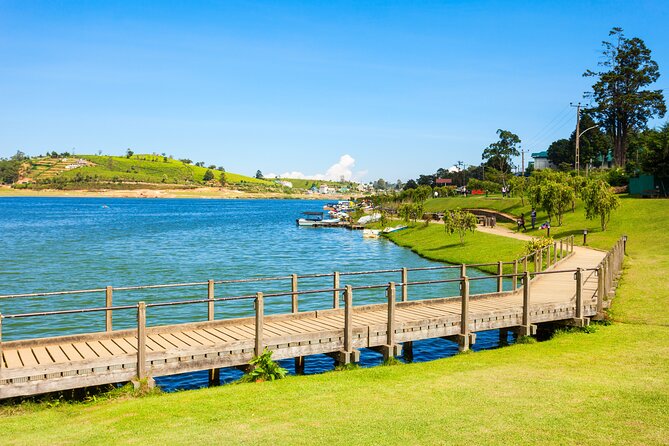
First is Gregory Lake, created in 1873 during the British era. The story is fun: it was supposedly built for electricity, but it mostly became a leisure and recreation spot. At its peak, it was a major attraction for relaxing visitors—so it sets the tone for what this day is: sightseeing, walks, and atmosphere.
You then head toward Shri Bhakta Hanuman Temple in the Ramboda area. It’s part of Chinmaya Mission, a Hindu spiritual organization connected with Vedanta teachings. If you keep your eyes open, this stop adds texture to Sri Lanka beyond the dominant Buddhist sites on Day 1 and Day 3.
Next up is Victoria Park in Nuwara Eliya, well maintained and especially pleasant when flowers are in season (the description points to March–May and August–September). The park is also a chance to spot hill-country birds like the Kashmir flycatcher, Indian pitta, and grey tit—so bring patience if you like wildlife, and don’t expect a guaranteed checklist.
From there, Shanthipura View Point offers a cultural angle in the hills. Shanthipura is described as the highest village in Sri Lanka, at around 7339 feet, on the Kikiliyamana mountain road. You’ll see a small Buddhist pagoda at the center and observe village life and farming methods on steep slopes.
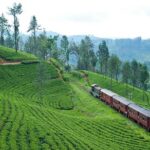
Finally, you reach Nuwara Eliya. The city is presented as a tea-country hub, with nearby spots like Hakgala Botanical Gardens and a Hindu sanctuary, Seetha Amman Temple, in the wider area. The key benefit here is that you get a base to explore tea-country without having to coordinate trains or multiple transfers.
My takeaway: Day 2 is for people who want a temperature shift and a change in scenery, not just more temples.

Day 3: Sigiriya Rock Fortress and Dambulla’s Golden Cave Temple
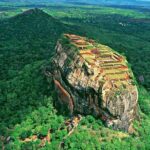
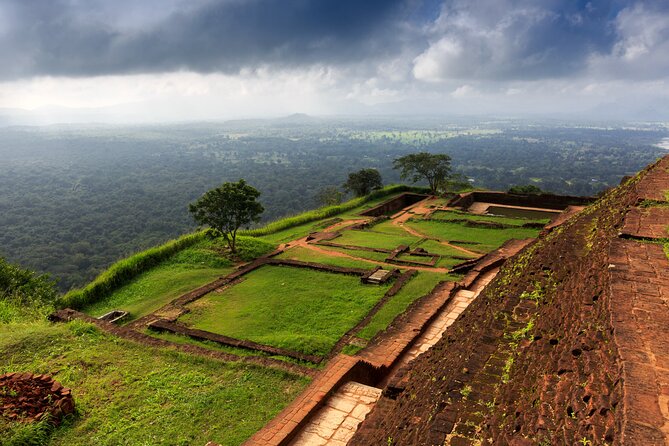
Day 3 is the headliner day in most Sri Lanka plans, and Sigiriya Rock Fortress is one of the biggest reasons why.
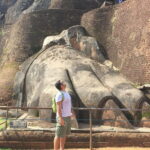
The rock rises dramatically from the plains with near-vertical walls and a flat summit holding ruins of an ancient civilization associated with the kingdom of Kassapa. What makes it more than a pile of stone is the story and the views. The description highlights mist-wrapped forests and the idea that early morning is when the vistas can feel most impressive.
You’ll also visit the Sigiriya Museum, which helps you understand the site beyond its postcard image. There’s a diorama for context, and it covers the debate about whether Sigiriya was a palace/fortress or a Buddhist monastery. The established position in the museum is that it was a palace or fortress, but it’s still useful to know the other theory exists—because it helps you read what you’re seeing.
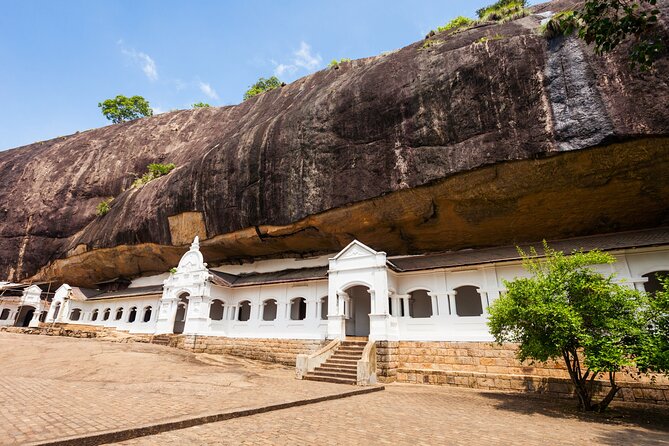
Then comes the Golden Temple of Dambulla (Dambulla Cave Temple). These cave temples are described as the most extensive in Sri Lanka and among the oldest, with high preservation. The stop matters if you like ancient art: you’re moving from a dramatic rock fortress to a protected rock-temple complex that’s stayed remarkably intact.
This is also one of your ticket budget moments. The entrance fee for Dambulla cave temple is listed as not included. Plan for that at the start of your day so you’re not stuck deciding later.
There’s also a shorter stop related to local life in Dambulla’s wholesale market area, described as part of the Dambulla Secretariat Division, focused on selling vegetables and fruits. If you want one quick look at how food moves before it hits a stall, it can be a good reality-check moment.
My takeaway: Day 3 is where you should slow down. Even if your legs feel done, these sites reward time spent looking, not just climbing.
Day 4: Galle Fort Walks, Lighthouse Views, and Dutch Hospital
Day 4 heads to the south coast for Galle, and it’s built for a walking day.
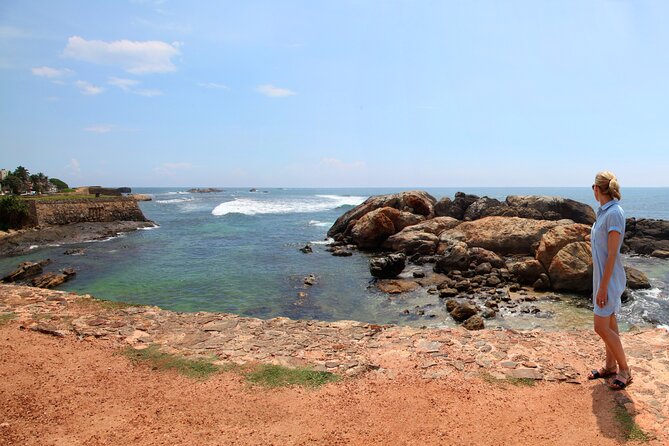
You start with Galle Dutch Fort, a fortification with Portuguese origins and later Dutch and British layers. UNESCO recognition is tied to how European architecture interacts with South Asian traditions from the 16th to the 19th centuries. Even a short visit helps you understand why this place feels different from many Sri Lankan towns.
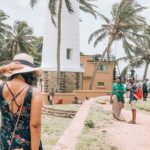
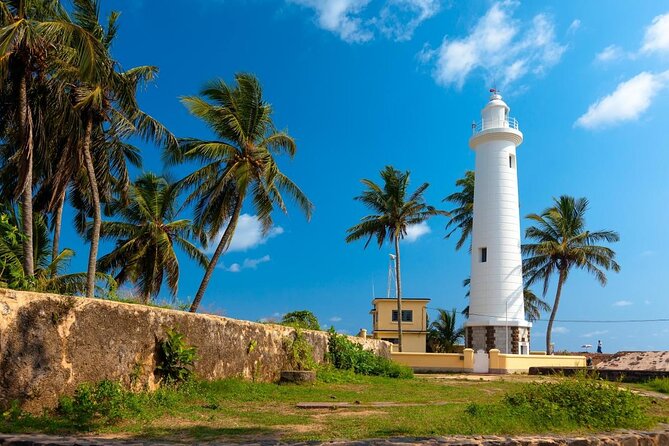
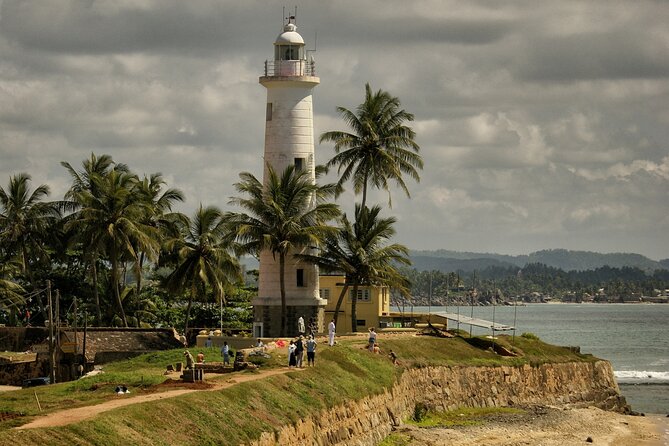
Inside the fort area, you’ll stop by the Galle Lighthouse, built on the ramparts about seven meters above the road. It traces back to 1848 as Sri Lanka’s oldest light station, but the original structure was destroyed by fire in 1934 and rebuilt to a height of around 26 meters. If you like historical engineering, this is a satisfying detail.
Then comes Dutch Hospital Shopping Precinct, a restored colonial-era building that’s now used for shopping and dining. The practical value here is that it gives you a comfortable place to take a break with bay views from an upper balcony.
You’ll also have time in the Old Town of Galle and its fortifications. The fortifications are described as the “heart” of Galle’s history, stretching through Portuguese, Dutch, and British periods to today’s living heritage status.
Finally, you spend time in Galle itself, which is best enjoyed by walking through the old port feel—Dutch-frontier style structures, older mosques, houses of worship, and exhibition halls.
My takeaway: Galle is one of those places where your best moments come from getting lost in the streets for 30 minutes at a time.
Day 5: Mihintale, Anuradhapura Stupas, and the Jaya Sri Maha Bodhi Tree
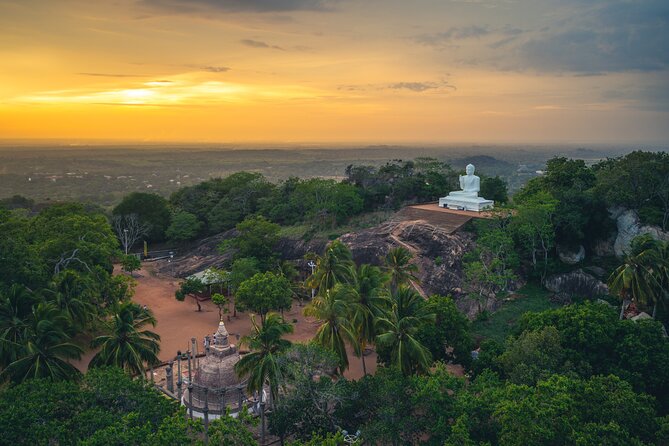
Day 5 is a deep breath into ancient Sri Lanka: Mihintale and Anuradhapura.
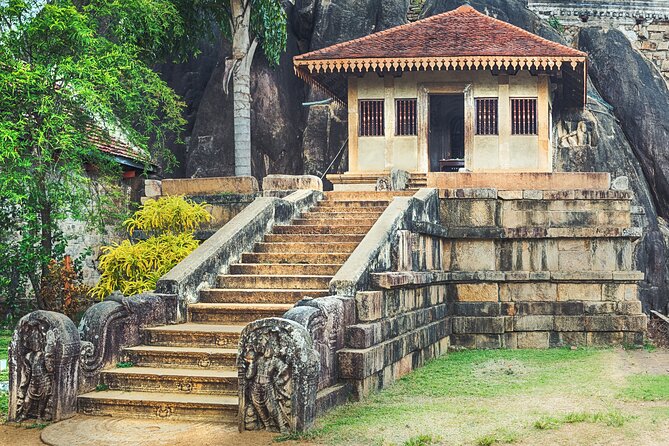
You start with Mihintale, presented as a mountain sanctuary where Buddhism took root with monastic life supported by royal patronage. The description mentions monks headed by Arahath Mahinda Mahathera, multiple monastic building types, and 68 cave dwellings. This stop feels different because it isn’t just ruins on a plain—it’s about where people lived and prayed.
Next is Ruwanwelisaya, described as the oldest stupa in Sri Lanka and an icon of architectural glory. It’s also tied to veneration places associated with Buddha’s three visits to Sri Lanka.
Then you visit Abayagiriya Stupa (the text also discusses Jethawana Stupa and gives height context). In the same general area, you’ll hear about the scale of stupa building in ancient Sri Lanka and how those structures ranked among the tallest globally in their time.
One of the most striking stops is Jaya Sri Maha Bodhi, described as the oldest living tree in documented history. It’s a sapling from the historical Bodhi tree under which Buddha was said to have enlightened, planted in 288 BCE. The tree’s history includes being brought from Buddhagaya in India by Ven. Sanghamitta Therini, linked to Mahinda’s mission.
You finish with Anuradhapura, once a capital that was later abandoned after an intrusion in 993 and then re-emerged from wilderness as an open site for visitors. This is where you get the full scale of how big ancient Sri Lanka’s sacred and political world was.
My takeaway: Day 5 is for calm attention. If you rush it, you miss the point.
What Makes This Tour Feel Smooth (Even with Long Drives)
This is a transport-focused private tour, so comfort and communication matter as much as sights.
The included setup means you have your own A/C vehicle and a chauffeur guide, and many people emphasize fast communication and help with planning. Names that often come up include Jeev, Dhanesh, Indika, Cey Jay, and Keerthe—useful if you want to request a driver known for responsiveness and cooperation.
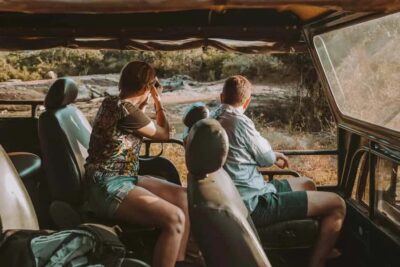
Also, the tour is described as private, meaning only your group participates. That’s a real quality-of-life feature when you want to stop for photos, adjust timing, or avoid getting stuck behind someone else’s agenda.
Temple Etiquette and Safety Tips That Save Headaches
Sri Lanka is friendly, but temples have rules.
You’ll want to plan for footwear and hat rules at Buddhist and Hindu temples: remove footwear and hats, and keep shoulders and knees covered. If you don’t already have a light layer, a sarong-style wrap can be an easy solution.
In terms of safety, the Kandy viewpoint area is flagged for pickpocket activity. So keep your valuables out of loose pockets, don’t flash cash, and treat that viewpoint like any crowded tourist spot.
Choosing Your Own Hotel and Food Without Losing Control
This tour is built to let you decide where you sleep. That’s a big advantage if you have a preference for location, room size, or budget.
It also means you should think about your own “rhythm.” If you like early starts, choose hotels that get you out fast. If you like late dinners, plan accordingly because long drives can eat into evening time.
Food isn’t included, so you can match meals to your tastes—tea-country breakfasts, hearty rice-and-curry lunches, and seafood dinners in Galle. Just remember that every extra stop costs time and energy, and your driver can only work within daylight and traffic realities.
Who This Tour Fits Best
This is a strong match if you:
- Want major sights (Sigiriya and Galle especially) without dealing with multiple transfers
- Prefer a private driver who can explain what you’re seeing
- Like the idea of building in flexibility instead of being locked into a rigid schedule
- Don’t mind handling your own hotel and meal choices
It’s less ideal if you want a completely packaged tour with every meal and entrance fee included, or if you hate ticket lines because some of the biggest sites require paid entry.
Should You Book This 5-Day Private Vehicle Tour?
Yes, I’d consider booking it if you’re aiming for an efficient Sri Lanka highlight run with comfort and flexibility. The best reasons are simple: the English-speaking chauffeur guide, the private vehicle, and the route’s mix of sacred sites, tea-country scenery, and the colonial coastal charm of Galle Fort.
But book with eyes open. You’ll need to budget for hotel, food, and key entrances like Dambulla cave temple and Sigiriya lion rock. Also, confirm how Day 1 logistics work, since the vehicle timing details start from Day 2.
If you want a smoother trip, message Apple Vacations early and ask for a driver known for cooperation and communication, such as Dhanesh or Jeev, and you’ll likely get a better fit right from the start.
FAQ
What’s included in the tour price?
The price includes a standard A/C vehicle with fuel for 750 km for the full 5-day tour, an English-speaking chauffeur guide who accompanies you to most sights, chauffeur guide accommodations, mileage starting and ending in Colombo or the airport, and complimentary WiFi during travel (subject to availability).
What entrance fees are not included?
Entry visa fees, overnight hotel accommodations, food and beverages, and personal expenses aren’t included. Entrance fees are listed as not included for Dambulla cave temple and Sigiriya lion rock, and many of the short stops indicate Admission Ticket Not Included.
Where are the pickup and drop-off points?
Your mileage starts and ends in Colombo or the airport.
Can I customize the route and where I stay?
Yes. The private trip and itinerary can be customized to suit your interests, and you have freedom to choose your own accommodation and activities (at your own cost).
Are there COVID or quarantine requirements?
Yes. Unvaccinated passengers are mandatory required to complete 14 days of quarantine before starting the tour. Vaccinated passengers should stay in a Level 1 hotel after arrival and obtain a negative PCR report to start the tour.
What is the cancellation policy for a full refund?
You can cancel for a full refund up to 24 hours in advance of the experience start time. If you cancel less than 24 hours before, the amount paid isn’t refunded.