Elephants are often the reason you come to Kaudulla. This 4-hour jeep safari is built around seeing Sri Lanka’s biggest stars up close, with an English driver/guide like Shan and plenty of time for photos. Two things I especially like are the focus on watching elephant behavior (not just chasing sightings) and the chance to catch memorable sunsets as your safari winds down. One possible drawback: the park entrance fees and entry ticket are not included, and what you see can shift with where the elephants are moving.
You’ll get hotel pickup and drop-off, then head out in a private group setup. That matters, because when the guide spots wildlife you want less crowding and more time spent quietly observing—like when Shan adjusts the plan based on calm moments versus when elephants want space. Another consideration: the exact starting time varies, so check availability before you lock in your day.
Kaudulla is famous for its elephant population, but the better part is how many other animals you can run into while searching. Expect birds and smaller wildlife, and the park is known for the chance of harder-to-see animals, including leopards prowling in the shadows. If recent rain has pushed the action elsewhere, you might be taken to a different nearby area where elephants are more active—this happened in past outings.
In This Review
- Key points worth knowing before you go
- Why Kaudulla is such a strong elephant safari choice
- How the 4 hours usually plays out on the road
- Spotting elephants by reading behavior, not luck
- More than elephants: birds, monkeys, and the leopard chance
- Photography opportunities and sunset timing that actually helps your pictures
- Price and entrance fees: what $33 really buys
- When rain shifts the plan: Hurulu and Minneriya possibilities
- Who should book this safari (and who should think twice)
- Should you book the Kaudulla wildlife safari with Shan?
- FAQ
- How long is the safari?
- What’s the price for this experience?
- Does the price include the Kaudulla National Park entry ticket?
- Does it include hotel pickup and drop-off?
- Will I have an English-speaking guide?
- Is this a private group tour?
- Can I cancel for a full refund?
- Is there a flexible payment option?
- What wildlife should I expect to see?
Key points worth knowing before you go
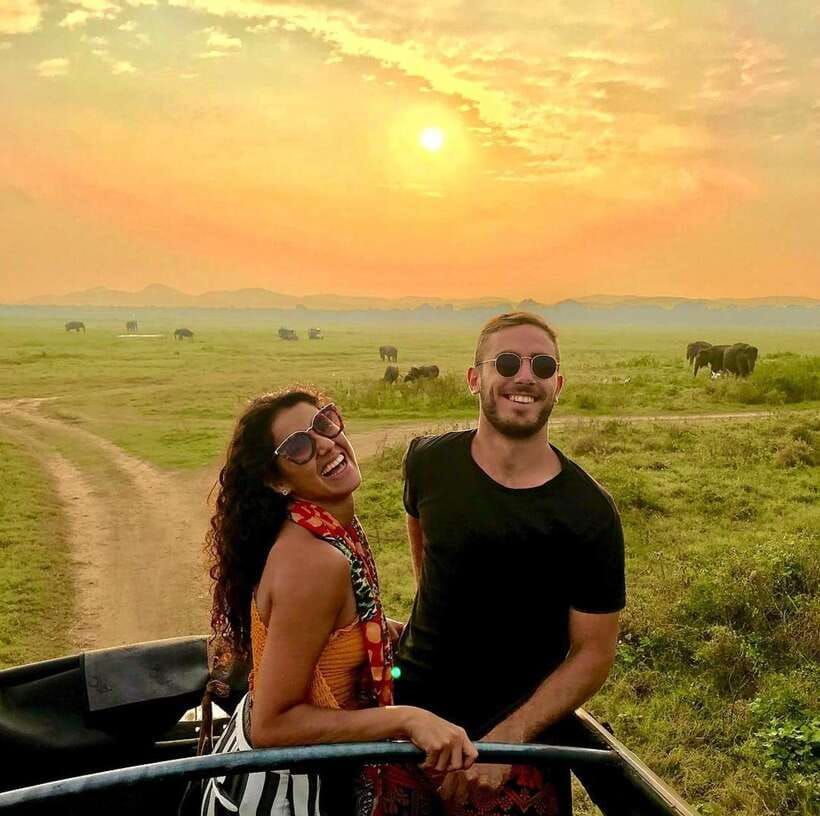
- Elephants are the main event in Kaudulla, and the guide watches behavior to choose the right moments.
- Private-group feel helps you spend more time with wildlife and less time waiting around.
- Shan’s technique includes reading body language and keeping distance when elephants prefer peace.
- Photo-friendly setup plus end-of-safari sunset timing can make the drive feel extra cinematic.
- Entrance fees are extra, so budget for the park ticket on top of the $33 price.
Why Kaudulla is such a strong elephant safari choice
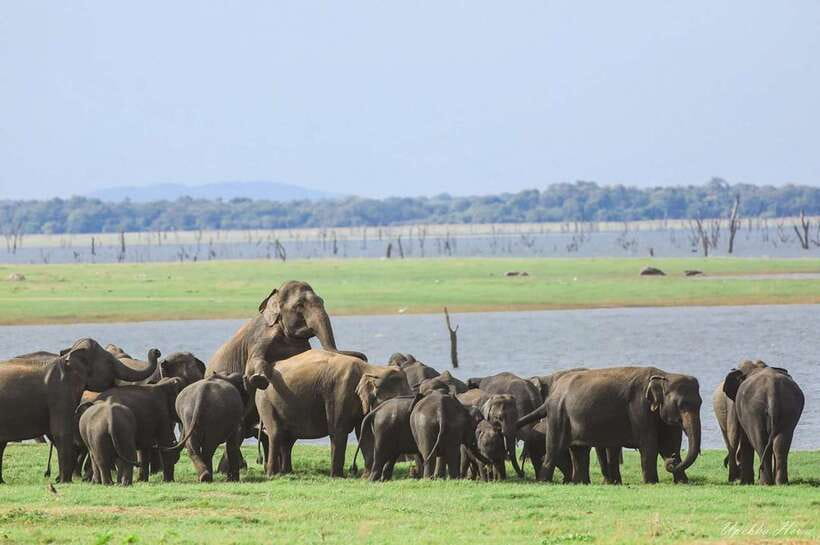
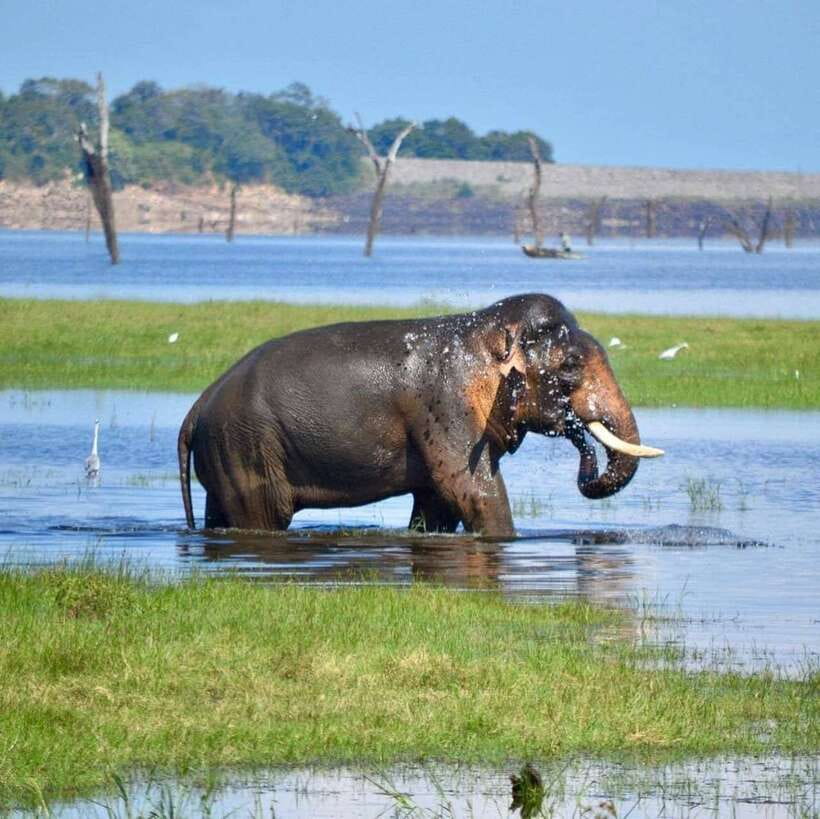
Kaudulla National Park earns its reputation for one big reason: a large population of elephants. When you’re in the right area, you don’t just see one or two. You can see loose clusters, lone males cruising through vegetation, and sometimes larger groups moving together. The excitement isn’t only the number; it’s the way elephants behave when they’re comfortable—heads up, ears flicking, slow steps that look effortless until you realize how aware they are of their surroundings.
I also like that the safari is designed for real observation. You don’t just stop, snap, and move on. With the right guide, you learn to notice what changes in the animals’ posture means. In past outings, Shan was praised for being considerate and for knowing the cues that tell you whether elephants are calm or ready for space. That one skill turns a typical sighting into something you actually remember.
If you’re coming for photos, Kaudulla can reward you. Even when you’re not close enough to fill the frame, you can often frame elephants against the park greenery and open sightlines. The best part is catching them in motion—walking, pausing to feed, or shifting direction after listening to the area.
You can also read our reviews of more tours and experiences in Sigiriya Fortress.

How the 4 hours usually plays out on the road
This is a compact safari: 4 hours total. That’s a good length if you want wildlife without losing your whole day, but it also means every hour counts. After pickup, you’ll head into the park with a driver/guide (English-speaking), then spend your time searching for wildlife and stopping when it’s worth the wait.
Here’s the practical rhythm you can expect: the guide drives, scans, and positions the jeep where wildlife is visible and the animals remain relaxed. Then you pause for watching and photography. In past experiences, the guides were praised for timing stops thoughtfully—especially avoiding situations where too many other jeeps crowd the area. That restraint is not just about comfort. It helps keep your viewing peaceful and can reduce the chance that animals feel pressured.
Because it’s a private group, you’re not stuck with a big mix of viewpoints. You can usually move at the pace you want: more time watching elephants at a distance for safer behavior, or more short stops when birds and smaller animals pop up quickly. If your main goal is elephants, you’ll appreciate that focus.
One more timing note: your safari is described as ending around sunset. That usually means softer light for photos and the park cooling down, when animals may be more active and easier to watch. The exact sunset feel depends on the day, but it’s a big reason this safari is worth doing.
Spotting elephants by reading behavior, not luck
If you’ve ever done safari-style tours, you know the truth: elephants are not always where you want them. Kaudulla’s advantage is that the odds can be good—especially with an experienced guide who knows how elephants react to humans.
Shan, the safari guide behind Shan Jeep Safari & Tour, is repeatedly highlighted for being extra careful with elephant behavior. The key idea is simple: elephants tell you what they want. When they look unfussed, you get time to observe. When they show signs they want peace, the guide positions you differently or moves on. That approach helps you see elephants longer and more comfortably, instead of rushing in and out.
In examples shared from past outings, people reported seeing everything from a single lone male to much larger gatherings—at times more than a dozen elephants and, in one case, a group of over twenty. What stood out wasn’t just the count. It was how the guide managed sightings so the elephants weren’t constantly disrupted. Even when elephants were around, the guide would sometimes keep the jeep alone with the animals for extended viewing, and would leave if other groups/jeeps became too concentrated.
So if you care about responsible wildlife viewing (and not turning the park into a traffic jam), this kind of guide-led behavior reading is one of the main reasons to book.
More than elephants: birds, monkeys, and the leopard chance
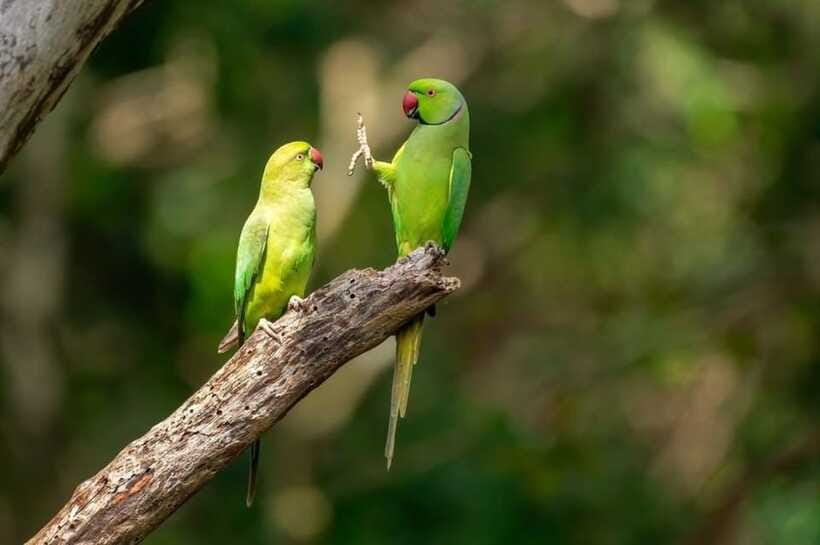
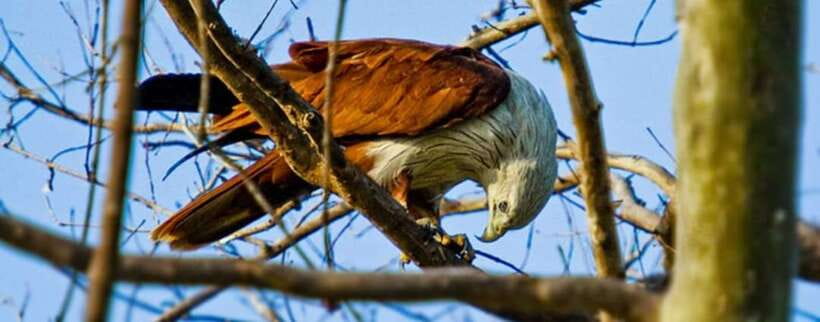
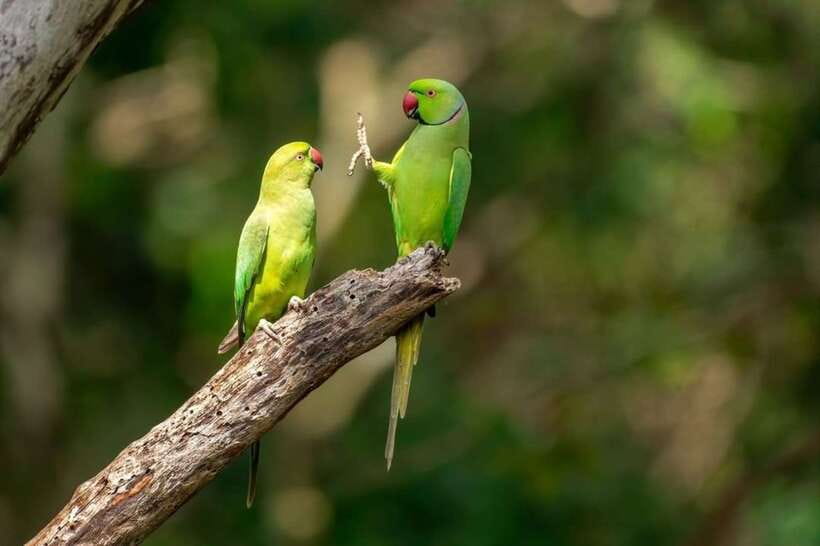
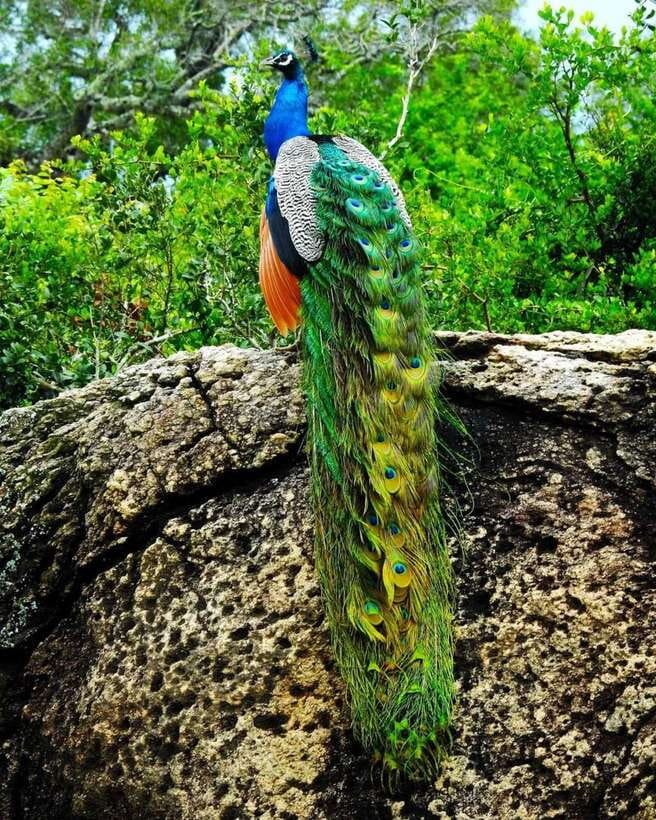
Kaudulla isn’t only about elephants. Once you’re out in the park, you start noticing how active the ecosystem is. Birdlife is a big part of the experience—colorful birds flitting in trees and moving through open patches. Even if you’re laser-focused on elephants, birds are often the “filler win” that keeps the safari exciting between major sightings.
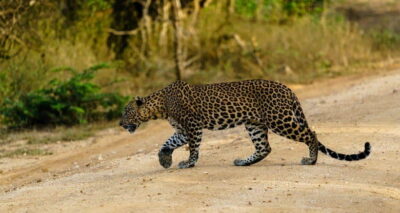
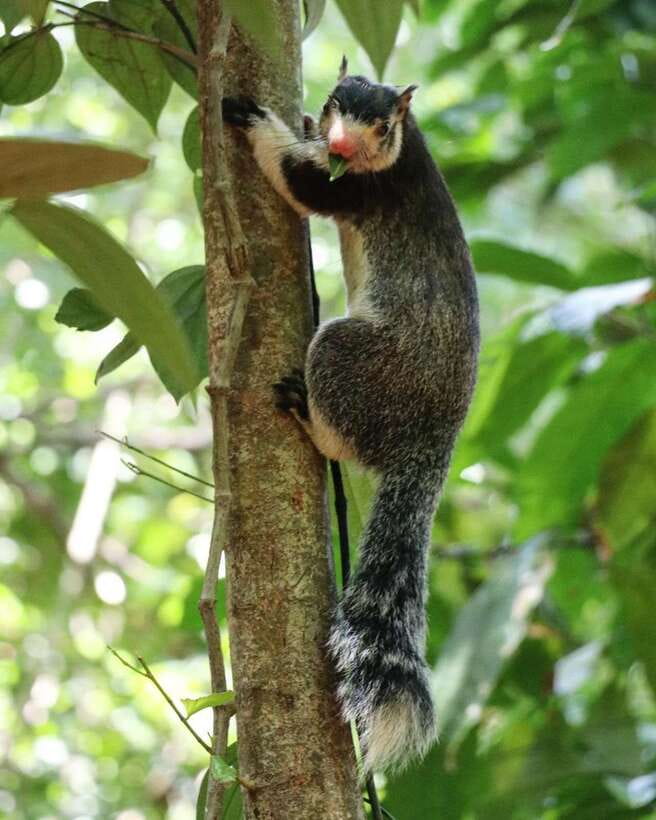
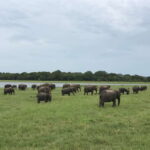
Other wildlife you might see includes monkeys and buffaloes, and one especially interesting possibility is the chance of spotting a leopard. Leopards are mentioned as elusive animals that can be around the shadows, so the safari isn’t promising a guaranteed leopard sighting. Still, it’s encouraging to know the park conditions can support that kind of wildlife—meaning your guide is likely scanning for more than just the obvious.
A balanced way to think about it: elephants can be the highlight, but birds and smaller mammals make the journey feel alive. If you’re the type who enjoys wildlife watching even when the big animals aren’t in view, Kaudulla can deliver that “slow joy” feeling—great for cameras, great for just watching.
Photography opportunities and sunset timing that actually helps your pictures
This safari is built for photography opportunities. That doesn’t just mean lots of animals in theory. It means the schedule and searching pattern are designed to give you time to frame what you see, rather than constantly driving.
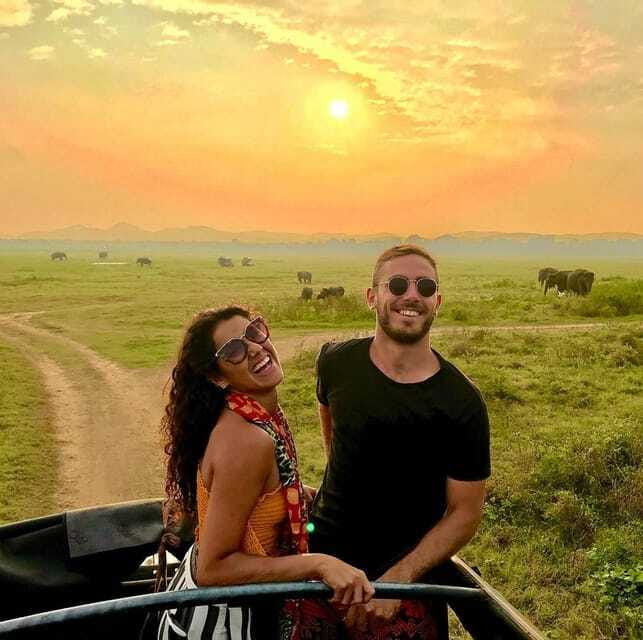
Sunset is a big part of the experience. A memorable sunset at the end can make your whole outing feel like a story arc: morning/afternoon energy turning into a calmer mood as the day fades. For photos, the practical benefit is softer, warmer light compared to harsh midday sun. For wildlife watching, late-day conditions can also make animal behavior easier to read—things like feeding pauses and movement patterns become more noticeable.
Bring gear you can handle in a jeep: a camera with decent zoom, or a phone with a reliable camera mode if that’s your style. Also, keep in mind you’ll be watching through the day’s changing light. If you have a favorite lens, use it—this is a place where you’ll want both wide-environment shots and tighter animal frames.
One more tip that comes from how these safaris are run: stay ready when the guide stops suddenly. Wildlife can appear quickly. If you’re fiddling with settings every time you hear the brakes, you’ll miss the first few seconds—the moment when an animal is most visually interesting.
Price and entrance fees: what $33 really buys
At $33 per person for a 4-hour safari, the price is fairly approachable for a private-group-style outing—especially because it includes hotel pickup, drop-off, and a driver/guide. That’s a meaningful value piece. You’re paying for transportation into the park and expert spotting while you’re there, not just the vehicle itself.
What’s not included is important: entry ticket and entrance fee for Kaudulla National Park. That extra cost can change how “cheap” this feels on your final bill, especially if you’re comparing it to shared-group options. If you budget for the park fees up front, the $33 becomes the clean base rate for guide + driving + pickup.
If you care about value, focus on the trade-off: a private group may cost more than a larger shared vehicle, but it’s often worth it because it can reduce vehicle crowding and give the guide more freedom to manage distance with wildlife.
When rain shifts the plan: Hurulu and Minneriya possibilities
Kaudulla is the stated park, but there’s a smart reality with Sri Lanka elephant safaris: animals move, and rain can shift where they’re feeding. In past outings, Shan adjusted plans when elephants were reportedly more active in nearby areas. One example included switching to Hurulu due to recent rains, and another included going to Minneriya because elephants were more around there at the moment.
Here’s how to use this information wisely: don’t see a change as a failure. If the goal is elephants, flexibility can improve your odds. The guide’s job is to find where the wildlife is currently behaving well for viewing—not where it was last week.
So when you book, keep your day open-minded. If you’re the type who needs strict “only Kaudulla, no exceptions” rules, then you may feel uneasy. If you’re flexible and want the best elephant viewing possible, this adjustment approach can work in your favor.
Who should book this safari (and who should think twice)
This safari makes the most sense if you want:
- Elephants as the priority, with time to watch behavior instead of racing.
- An English-speaking guide, especially if you want explanations while you’re scanning.
- A private group feel so you can spend time quietly observing and photographing.
- A short but full wildlife outing that includes sunset time.
It may be less ideal if:
- You hate the idea that park fees are extra, and you want one simple “all-in” price.
- You need a guaranteed fixed route with zero changes, since rain and elephant movement can lead to shifting to other nearby areas.
- You’re expecting a long multi-stop day. This one is intentionally 4 hours, so it’s more about focused wildlife time than slow, sprawling sightseeing.
Should you book the Kaudulla wildlife safari with Shan?
I’d book this if your heart is set on elephants and you want a guide who treats animals with distance and patience. The strongest reasons are the way Shan is praised for reading elephant body language, choosing calm viewing moments, and staying considerate when other jeeps crowd the area. Add hotel pickup, an English driver/guide, and a sunset finish, and it’s a solid package for the price.
Before you commit, do two practical things: check availability for the start time that works for your day, and budget for the Kaudulla entrance ticket/fee since it’s not included. If you can handle the possibility of a plan adjustment after rain, you’ll be well positioned for some of the best elephant viewing in the region.
FAQ
How long is the safari?
The safari duration is 4 hours.
What’s the price for this experience?
The price listed is $33 per person.
Does the price include the Kaudulla National Park entry ticket?
No. The entry ticket and the entrance fee for Kaudulla National Park are not included.
Does it include hotel pickup and drop-off?
Yes. Hotel pickup and drop-off are included.
Will I have an English-speaking guide?
Yes. The driver/guide is listed as English.
Is this a private group tour?
Yes. It’s a private group experience.
Can I cancel for a full refund?
Free cancellation is available up to 24 hours in advance for a full refund.
Is there a flexible payment option?
Yes. The listing offers reserve now & pay later, so you can book without paying immediately.
What wildlife should I expect to see?
Expect elephants as the main highlight, along with exotic birdlife. Other animals mentioned include monkeys, buffaloes, and the possible chance of seeing leopards.