Stone ruins and elephant trumpets in one day. This Polonnaruwa and Minneriya outing is interesting because you get two Sri Lanka highlights—UNESCO-listed ruins in the morning and wild elephants in the park in the late day. I like that it’s built around an easy, guided flow instead of you wrestling with heat, distance, and logistics on your own.
What I like most is how the day balances clear guidance at Polonnaruwa (with major sites picked out for you) and real wildlife time in Minneriya using a private jeep and park guide support. A possible drawback: the headline price is $59, but entrance fees are extra, and lunch is not included—so your final total depends on what you add.
For the right traveler, though, this is a strong value day: you’ll likely start early from Dambulla, Habarana, Sigiriya, or Kandalama, then return the same way later in the day. Guides and drivers show up repeatedly in the good feedback—English-speaking, patient, and careful—like Kumar, Kumara, Mathisa, Suminda Silva, and Sanju.
In This Review
- Key points before you go
- Polonnaruwa Ancient City: ruins you can actually understand
- Minneriya National Park: the elephants’ dry-season stage
- The day’s flow: pickup, guided ruins, then park time
- Jeep comfort and driver skill: safety that feels practical
- Entrance fees and lunch: where the real budget forms
- Guides in the mix: what great English support changes
- Scenic countryside views: the underrated part of the day
- Who this tour suits best (and who should skip it)
- Should you book this Polonnaruwa and Minneriya day tour?
- FAQ
- How long is the Polonnaruwa and Minneriya tour?
- What locations do you pick up from?
- Is lunch included?
- Is the Polonnaruwa entrance fee included?
- Is the national park entrance fee included?
- How is the Minneriya safari timed?
- Is this tour offered with English guidance?
- Is the tour suitable for pregnant women?
Key points before you go
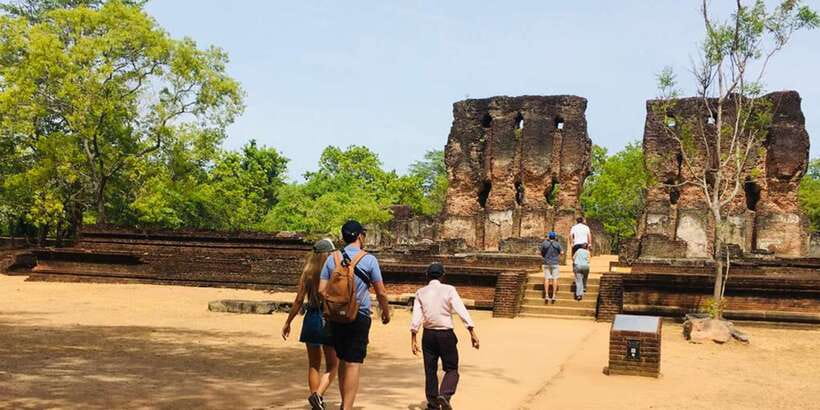
- Polonnaruwa Ancient City with guided attention to the biggest landmarks so you don’t miss the good stuff in the heat.
- Minneriya sunset safari window for wildlife viewing, led by a national park guide and helped by spotting skills in the jeep.
- The Gathering elephant moment is the core attraction in the dry season when elephants congregate around the Minneriya Tank.
- Private jeep + English-speaking support, with pickup and drop between Dambulla, Kandalama, and Sigiriya/Habarana options.
- Extra costs to budget for: Polonnaruwa and Minneriya entrance fees plus lunch.
Polonnaruwa Ancient City: ruins you can actually understand
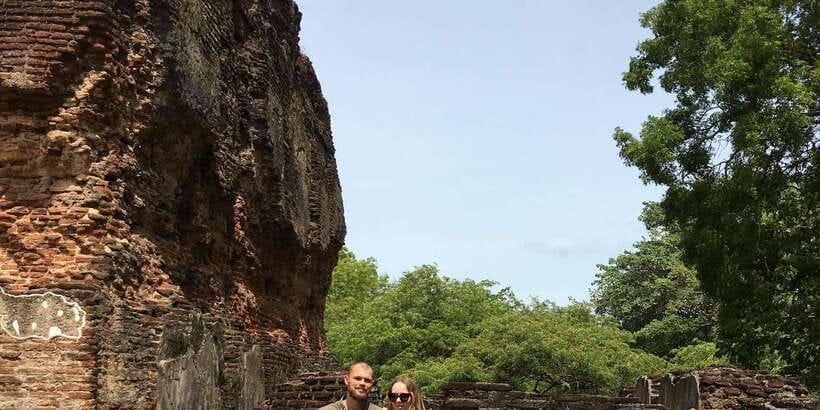
Polonnaruwa is one of those places where the site looks impressive even before you know what you’re looking at. With a guided visit set aside for about three hours, you’re not just wandering stone fields hoping it will click. Instead, you’re shown the key structures that explain how the medieval Kingdom of Polonnaruwa worked—religion, royalty, and water engineering all tied together.
The big names here are worth centering your attention:
- Gal Vihara, with rock-cut Buddha statues that make the artistry obvious even if you’re not a scholar.
- The Royal Palace complex, where you can connect the idea of power to the layout and scale.
- Parakrama Samudra, a massive man-made reservoir that’s easier to appreciate once someone points out its purpose and engineering logic.
A practical tip: Polonnaruwa can feel big fast. Even when you’re not doing long walks, it’s still hot, and the distances between points add up. That’s why having a guided approach and getting around by jeep (instead of relying only on walking) matters. You’ll get more “I get it” moments per hour rather than just “I was there.”
If you love detail, note that an official Polonnaruwa guide is optional. The base plan includes the guided experience you’ll have for the main city time, but adding an official guide is there if you want extra depth on inscriptions, temples, and historical context.
You can also read our reviews of more tours and experiences in Sigiriya Fortress.
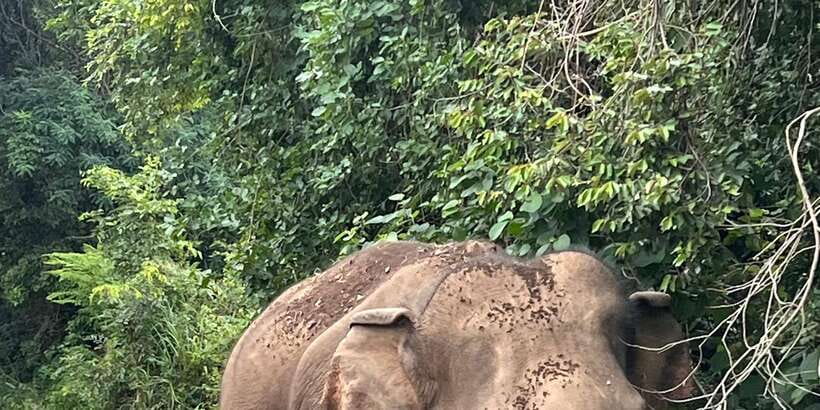
Minneriya National Park: the elephants’ dry-season stage
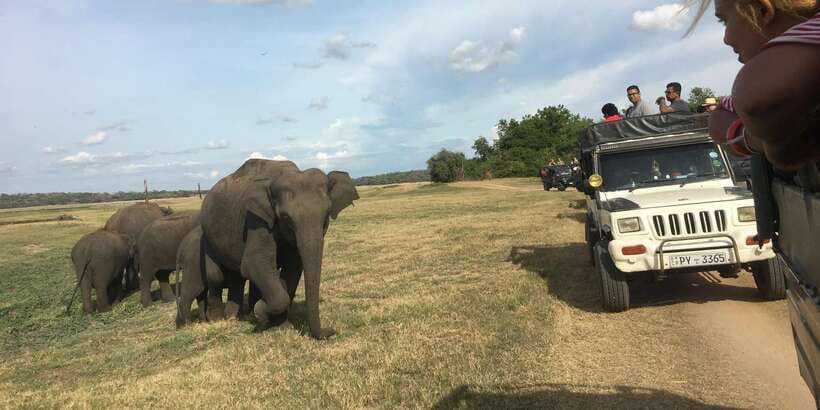
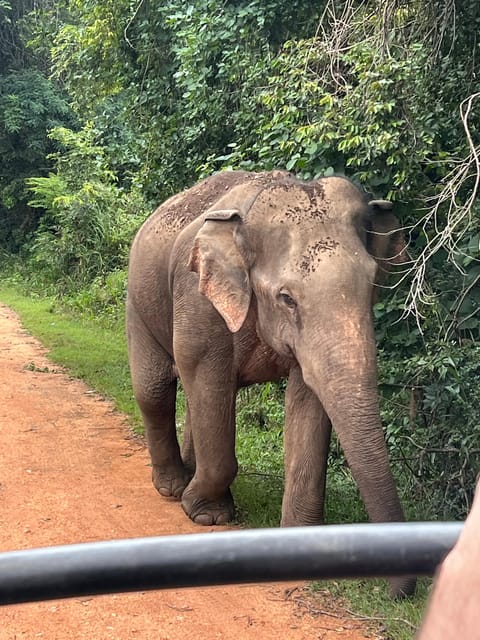
Minneriya is famous for a reason: this is one of the best spots in Sri Lanka to see wild elephants up close in a natural setting. The safari is designed to get you into the park in a way that’s built around wildlife viewing, with a national park guide on hand to help you find elephants and understand what you’re seeing.
The highlight is the Gathering—a spectacle where hundreds of elephants congregate around the Minneriya Tank during the dry season. Even if you’ve seen elephant photos before, this is the moment that turns “nice to see elephants” into “wow, there’s real life happening here.” The tank becomes a natural gravity point, and you can watch the rhythms of movement—how they arrive, pause, feed, and sometimes cross paths with others.
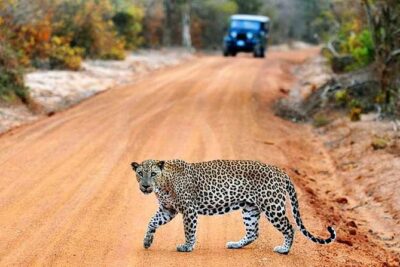
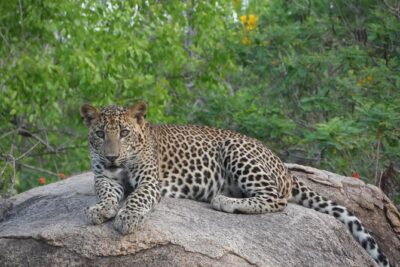
You’ll also get help spotting what’s around beyond elephants. The plan specifically mentions wildlife viewing, not only elephants, and with an experienced guide in the jeep, you’re more likely to notice subtle activity than you would if you were just scanning blindly.
Timing matters here. The safari is slotted for a sunset wildlife viewing window of about three hours. Late-day light can make animals easier to spot (and more dramatic to watch), but it also means you should be ready for a slower pace: you might get movement in bursts rather than nonstop action.
The day’s flow: pickup, guided ruins, then park time
This is a true full-day format designed around transport efficiency. Your pickup options are Dambulla, Habarana, Sigiriya, and Kandalama, and drop-off returns to the same set. That matters in Sri Lanka’s cultural triangle area, where skipping “getting there” stress can be the difference between a good day and a tiring one.
In practice, you’ll want to plan for an early start. One example you might see is pickup around 7:00am, reaching Polonnaruwa around 9:00am, then moving into the park later. Even if your exact times vary, the shape of the day is consistent:
1) Start with Polonnaruwa guided time (about three hours)
2) Move on to Minneriya for the safari window (about three hours, focused on sunset wildlife viewing)
Because the itinerary is timed, you won’t get stuck in the “we’re here but what do we do next?” trap. Also, the tour includes a private jeep, which helps with comfort and logistics when you’re moving between different ruin zones and then heading to the park.
Jeep comfort and driver skill: safety that feels practical
The included transport is a private jeep, plus pickup and drop within the listed locations. The plan also emphasizes comfortable, air-conditioned transportation to and from your starting point. That’s not a luxury detail in Central Province—it’s a comfort upgrade that helps you arrive ready to look, not wiped out.
Driver quality shows up a lot in the good feedback. Names like Kumar, Kumara, and Mathisa come up with themes like being friendly, patient, and careful—especially during the safari driving. In a park setting, skilled driving matters because you’re constantly adjusting to terrain, sightlines, and wildlife proximity rules. You want your driver focused on safety and on positioning the jeep so everyone gets a fair chance to see.
If you’re sensitive to bumps or heat, private transport is a real advantage. You can avoid the crowded “stop and wait” feeling that happens when multiple parties get mixed into one schedule.
Entrance fees and lunch: where the real budget forms
Let’s talk money the honest way. The advertised price is $59 per person, and it covers the core experience components like transport (private jeep), pickup/drop from the listed areas, and the national park guide support. But Polonnaruwa entrance fees and National Park entrance fees are not included, and lunch is also not included.
One thing that makes this important for value: if you only look at the base price, you might feel surprised at the end. A good way to handle it is to budget for three separate buckets:
- Entrance fees for Polonnaruwa
- Entrance fees for Minneriya
- Lunch at the restaurant stop
Lunch examples show it’s not a sad snack. In one instance, lunch was described as a generous buffet with a range of local curries, salads, and desserts, priced at 2500 LKR per person at that stop. Prices can change, but the point is: you’re not stuck eating bland convenience food.
If you want to keep costs predictable, plan to pay entrances and lunch yourself, and treat the $59 as paying mostly for the guided time and the private logistics.
Guides in the mix: what great English support changes
This tour works best when your guide helps you connect the dots. In Polonnaruwa, that’s often about pointing out what to look at so the ruins stop being random piles and start being a story you can follow. In Minneriya, it’s about spotting animals and helping you interpret behavior.
English support is clearly part of the plan. You’ll have a live tour guide in English during the day, and you’ll also have a national park guide during the safari. In the best examples, people were happy with how guides explained the site and answered questions—like Suminda Silva, who guided a detailed Polonnaruwa tour with strong English, and safari support from guides such as Sanju and Maughan, who were specifically praised for being informative and good at spotting wildlife.
Do you need a super chatty guide? No. But when you do ask questions, you’ll get better answers than you would with a self-guided pass, especially at a large archaeological site.
Scenic countryside views: the underrated part of the day
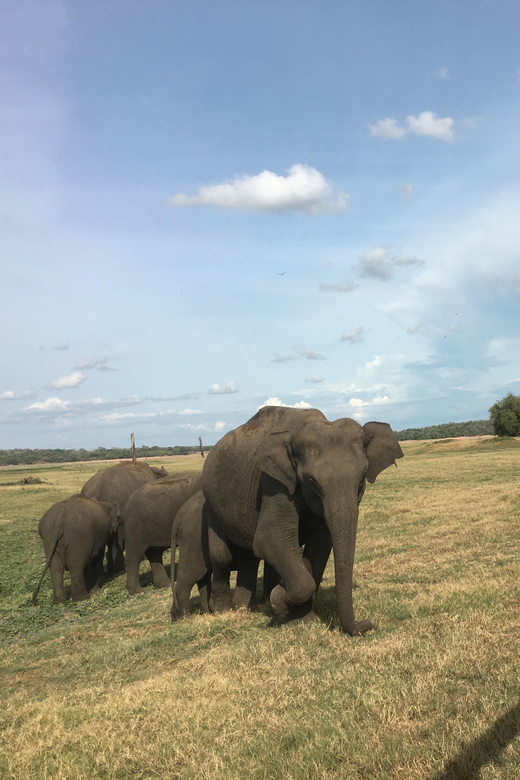
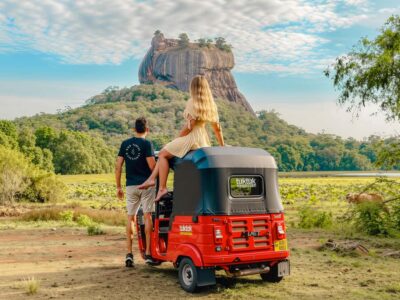
Even if the headline is history and elephants, the drive between stops is part of the experience. The plan specifically mentions scenic views of Sri Lanka’s countryside—lush greenery and picture-worthy landscapes along the route.
This is more than window dressing. A comfortable ride plus a few “wow, look at that” moments helps you mentally reset between the ruins and the safari. It also reduces that “hard stop then hard stop” feeling that can happen on fast-paced itineraries.
Who this tour suits best (and who should skip it)
This is a good match if you want:
- A one-day combination of Polonnaruwa and Minneriya without piecing together separate tours
- A private jeep and English-speaking help
- A structured plan that keeps you moving during hot hours at the ruins and during late-day safari time
It’s not suitable for pregnant women, per the activity notes. If that applies to you or anyone in your group, you’ll want to choose another format that’s less physically demanding and less tied to long park driving.
If you’re the type who hates rush but also hates decision fatigue, this style of day tour fits nicely: you get a guided outline, you can ask questions, and the driver handles the route.
Should you book this Polonnaruwa and Minneriya day tour?
I’d book it if you’re aiming for a high-impact day: major ruins plus a real chance at the elephants’ dry-season Gathering, with private transport and English guidance doing the heavy lifting.
I’d pause if you’re very price-sensitive and hate add-ons. The base rate is reasonable, but entrance fees and lunch are extra, so your final cost depends on what you pay at the sites and what you choose to do for lunch (and whether you add an official Polonnaruwa guide).
Here’s my quick decision rule: if you want the convenience of a prepared day and you’re excited by the idea of seeing elephants gather around the tank, this is a smart way to spend your time in Central Province. If you prefer total freedom and you’re comfortable arranging separate tickets and transport yourself, a DIY approach might feel cheaper.
FAQ
How long is the Polonnaruwa and Minneriya tour?
The tour duration is listed as 8 hours.
What locations do you pick up from?
Pickup options include Dambulla, Habarana, Sigiriya, and Kandalama.
Is lunch included?
No. Lunch is not included in the tour price.
Is the Polonnaruwa entrance fee included?
No. Polonnaruwa entrance fee is not included.
Is the national park entrance fee included?
No. National park entrance is not included.
How is the Minneriya safari timed?
The Minneriya part is listed as sunset, wildlife viewing for about 3 hours.
Is this tour offered with English guidance?
Yes. The tour includes a live tour guide in English and there is also a national park guide.
Is the tour suitable for pregnant women?
The activity is listed as not suitable for pregnant women.