Whales before breakfast makes the day feel fast. I love the early Mirissa whale-watching window and the snorkeling gear included. The tour also leans hard into nature and coastal life, with real hands-on stops like turtle conservation and a spice garden. One thing to plan for: there’s water time, but you must bring your own swimwear and towels, or you may end up skipping the best moments.
You get an air-conditioned private vehicle with hotel pickup and drop-off, plus a driver who speaks English and keeps the day moving. Group size is capped at 15, and you’ll stay with only your party, which makes the long day feel less chaotic than typical public tours.
In This Review
- Key points before you go
- Mirissa at 4:00 am: your whale-watching reality check
- Weligama stilt fishermen and Jungle Beach snorkeling: the coastal slice you’ll remember
- Galle Fort: where Portuguese and Dutch power still shows in the stones
- Kosgoda Sea Turtle Conservation Project: learning that feels practical, not just symbolic
- The spice garden visit: smells, stories, and what you can actually use
- Price and Logistics: does $260 make sense?
- The driver factor: how your day can feel smooth (or not)
- Small group size: why max 15 can matter on a 12-hour day
- Who this tour fits best
- Should you book the Whales Watching Mirissa Day Tour?
- FAQ
- What time does the tour start?
- How long is the day trip?
- Is hotel pickup and drop-off included?
- What’s included for snorkeling?
- What places does the tour include besides whale watching?
- What is the group size limit?
Key points before you go
- 4:00 am start is the price of admission for whale-watching in Mirissa
- Snorkel gear included, but you’ll need your own towels and swimwear
- Galle Fort gives you a walkable mix of Portuguese and Dutch-era fortifications
- Kosgoda sea turtle hatchery makes conservation feel real and personal
- Seafood lunch + bottled water included, while drinks are extra
- Max 15 people means easier pacing on a day that can run about 12 hours
Mirissa at 4:00 am: your whale-watching reality check
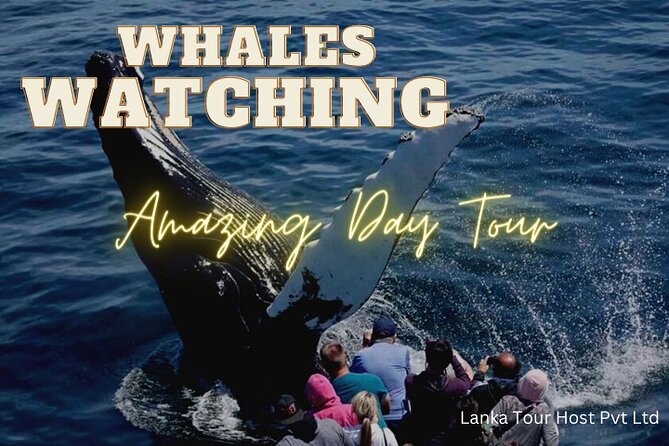
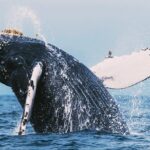
This is not a casual morning. You start around 4:00 am, and the idea is simple: get out early enough for the best chance to see whales off Mirissa. The time in Mirissa is typically about two hours, so you’re not spending a whole day chasing sightings. That’s a nice balance—enough time to go looking, without turning the rest of the coast into leftovers.
Here’s the truth you should expect: whale watching depends on conditions. Even with a well-run outing, you’re still at the mercy of sea state and animal movement. What makes this tour worthwhile is that it’s built so the day doesn’t collapse if you’re not lucky. You’ll still be out on Sri Lanka’s south coast for nature and culture stops that are genuinely worth your attention.
Practical note: with a very early start, I’d treat this as an all-day logistics challenge. Eat something before pickup if you can. Keep water handy once you’re out. And if you’re prone to motion sickness, plan for it before you leave—boat time can be a rougher start than you’d expect on an empty stomach.
You can also read our reviews of more tours and experiences in Colombo.



Weligama stilt fishermen and Jungle Beach snorkeling: the coastal slice you’ll remember
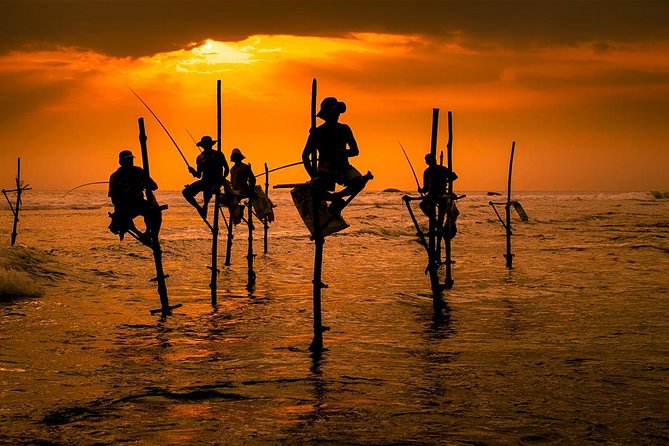
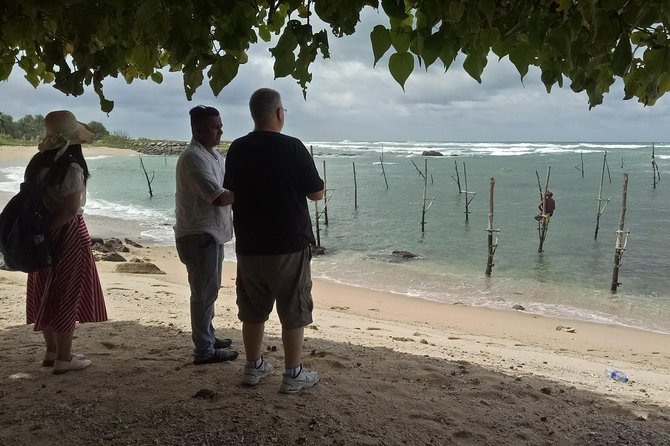
Between whale time and the fort walls later, the tour shifts into coastal rhythm. You’ll pass through areas where you can still see traditional stilt fishermen at Weligama—a striking sight because it looks both simple and hard-earned. It’s also a reminder that this part of Sri Lanka is working coast, not just a postcard.
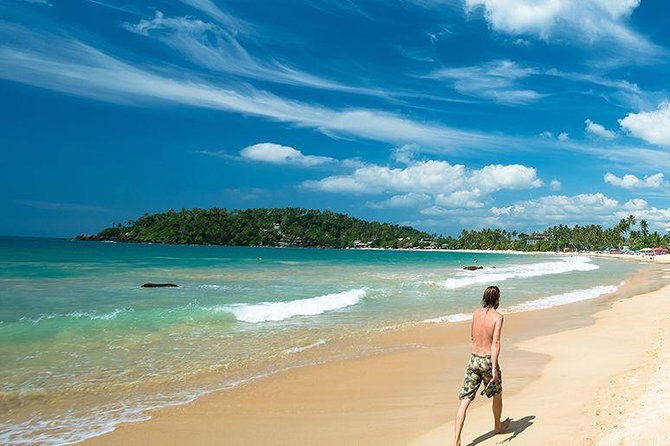
Then comes the water moment: Jungle Beach for swimming and snorkeling. This is one of the best value pieces of the day because the tour includes use of snorkeling gear. That matters. Buying or renting gear on the fly can eat time and money, and on a long day, time is everything.
What I like here is that this is not a passive stop. You get a clear activity block where you can actually do something with the scenery—swim, float, look around. If you’re comfortable with basic snorkeling, it’s a great way to see what’s close to shore without turning it into an all-day diving project.
The drawback is the one that caught people off guard: towels and swimwear aren’t provided. One person’s experience was that they didn’t have anything to dry off with afterward, and they couldn’t change back into comfortable clothes, so swimming didn’t happen the way it should. Avoid that. Bring a small towel, pack a spare set of clothes, and consider a zip bag for anything damp.
Also, quick reality check: snorkeling quality depends on water conditions. Even if the water isn’t perfect, the best part is having the gear and the chance to try.
Galle Fort: where Portuguese and Dutch power still shows in the stones
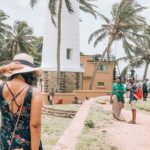
Later in the day, you’ll head to Galle Fort, a walled town shaped by outside empires—first Portuguese-era influence, then heavy fortification by the Dutch. The big win with Galle is that it’s walkable. You don’t need a museum ticket to understand the layout. The walls and lanes give you that instant sense of scale: this wasn’t a small outpost; it was a protected city.
Spending about one hour here is a short hit, but it’s not random. In practice, one hour is enough to:
- walk part of the fort perimeter feel
- get oriented with the fort’s lanes and viewpoints
- see the fort’s walls as a living boundary, not just an object on a map
The only thing to watch is your energy level. This is after early morning whale time and likely after snorkeling. If you’re the type who wants to linger for photos, plan for that but don’t expect to see everything in depth. If you want a “best-of” fort experience without turning it into a half-day hike, this time window works.
Kosgoda Sea Turtle Conservation Project: learning that feels practical, not just symbolic
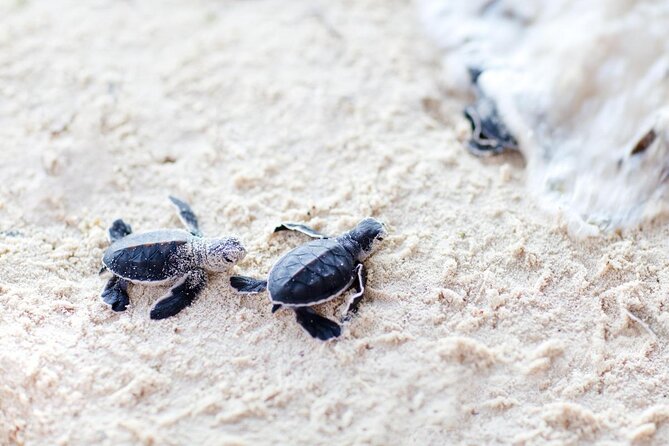
Conservation visits can get repetitive on tours—quick photo, short speech, done. What makes this stop more meaningful is the specific focus: Kosgoda Sea Turtle Conservation Project, including time at the turtle hatchery. You’re given about one hour for this part, which is long enough to take in the purpose of the project without feeling rushed.
Even if you’re not a wildlife expert, the hatchery angle helps you understand the life cycle side of conservation. This is where you’re more likely to connect the dots between what you’re seeing and why it matters, because the stop is about turtles as living creatures and about protecting them before issues become irreversible.
This stop also plays well with the rest of the day. Earlier you’re in open sea hoping for whales. Here you’re grounded in something local and conservation-focused on land. It’s a nice contrast: wild animals, then care and protection.
The spice garden visit: smells, stories, and what you can actually use
A spice garden stop might sound like the same thing you get everywhere—small talk, some samples, back in the car. But on this particular day trip, it works because it’s the final sensory layer after saltwater and stone walls.
You’ll visit a spice garden as part of the day, and this is the kind of stop where I like to pay attention to small practical details: how spices are grown, how they’re processed, and what they’re used for in everyday cooking. Even if you don’t buy anything (and you don’t have to), you’ll leave with better context for what you’ll see and taste later in Sri Lanka.
One more reason it’s a good fit: it breaks up the drive back toward Colombo or Negombo. By the time you’re in the garden, you’re usually ready for a calmer pace.




Price and Logistics: does $260 make sense?
At $260 per person, this is not a budget trip. The question is whether you’re paying for a bunch of separate tickets and transfers—or for a bundled day with real included value.
Here’s what’s included:
- Hotel pickup and drop-off
- Private air-conditioned transport
- Private English-speaking driver
- Bottled water
- Lunch
- Use of snorkeling gear
- Entrance fees
- A seafood lunch is part of the included meal plan
What’s extra:
- Drinks are available to purchase
- Towels and swim suits are not provided
For many travelers, the strongest value argument is not only the whale and fort names—it’s the combination of: early start + private vehicle + driver + entrance fees + snorkeling gear + lunch. If you tried to piece this together on your own, you’d quickly spend time coordinating boats, transport, and tickets. This tour stacks those pieces into one call-and-go day.
That said, there’s a fairness note: because it requires at least two people per booking, the price feels best when you’re traveling with a partner or small group. If you’re solo, ask yourself whether you’d rather pay a single supplement elsewhere, or whether sharing the cost is the deal-breaker.
Also, expect the day to run long—about 12 hours. You’re buying convenience, but you’re also committing to a schedule.
The driver factor: how your day can feel smooth (or not)
What really makes a long day work is the person behind the wheel and the person steering the flow. One guide named Smokio has been described as informative, kind, and considerate, and what stood out was not just driving skills—it was helpful flexibility. In particular, the guide made time for what visitors wanted, like a market and even a specific restaurant.
You shouldn’t assume that level of personalization every time, but you can treat it as a good sign of service style. When a driver is attentive and easygoing, it matters more than you think on a day with multiple stops and an early start. If you have preferences—like getting a quick bite at a certain kind of place—this kind of guide culture can help.
At minimum, you’ll get an English-speaking driver and a day planned to include the big moments rather than random detours.
Small group size: why max 15 can matter on a 12-hour day
With a maximum of 15 people, this isn’t a massive bus situation. That’s important for your actual comfort. When the group is smaller, pickup logistics are easier, the pace can be more human, and you’re less likely to feel like you’re stuck waiting at every stop.
It also helps with the emotional rhythm of the day. Whale watching is unpredictable. Snorkeling is active. Fort time is slow-walk. A small group helps you transition between those modes without the stress of a crowd.
And because it’s private for your group, you’re not sharing your day with strangers who have a totally different travel style.
Who this tour fits best
This is a strong match if you:
- want nature and coastal experiences more than heavy museum history
- can handle a very early start
- like activity time (snorkeling) plus short, meaningful cultural stops
- prefer private, air-conditioned transport with a driver who manages the day
It’s likely less ideal if you:
- hate early mornings
- don’t want to swim/snorkel (and don’t bring the gear to do it)
- need lots of long time inside towns or forts
The minimum age is 6 years, which suggests the tour is designed to be workable for families who can handle the schedule—though you’ll still want to think through the water time carefully.
Should you book the Whales Watching Mirissa Day Tour?
I’d book this if you want a single day that covers whales, sea life, and Sri Lanka’s south-coast character without wasting half your time on logistics. The included snorkeling gear, the seafood lunch, and the fact that entrance fees are part of the package make it feel more complete than many add-on-heavy tours.
But don’t skip the pre-trip packing checklist. Bring your swimwear and a towel, plus clothes you’re okay changing into after Jungle Beach. That’s the difference between enjoying the water stop fully and watching it pass you by.
If you’re comfortable with a 4:00 am start and you want a day built around real outdoors time, this tour is a practical, good-value way to see more than one highlight along the south coast.
FAQ
What time does the tour start?
The start time is listed as 4:00 am.
How long is the day trip?
The duration is about 12 hours.
Is hotel pickup and drop-off included?
Yes, hotel pickup and drop-off are included.
What’s included for snorkeling?
The tour includes use of snorkeling gear, but you must bring your own swimwear and towels.
What places does the tour include besides whale watching?
Besides whale watching in Mirissa, the day includes Galle Fort, the Kosgoda Sea Turtle Conservation Project (turtle hatchery), and a spice garden.
What is the group size limit?
The maximum per booking is 15 people (and there must be at least 2 people per booking).