Elephants turn a safari into an all-day feeling.
Udawalawe National Park puts big animals, open grass, and quiet water scenes in the same ride, with a guide who helps you read the park instead of just spotting from the road. It’s a compact 4-hour outing with hotel pickup, a small 4×4 group size, and a focus on wildlife viewing.
What I like most is the mix of chances for iconic wildlife like elephants plus the variety beyond them, including leopards, deer, water buffalo, and lots of birds. I also like the practical setup: a well-maintained jeep built for viewing and photos, with complimentary bottled water to keep you comfortable.
One thing to consider: this isn’t a long outing, and the park entrance fee and meals are not included, so your final day budget needs a little extra planning.
In This Review
- Key Safari Takeaways (Udawalawe)
- Why Udawalawe Works for First-Time Safari Goers
- The 4-Hour Flow: Pickup, Safari Time, and Return
- Hotel Niwahana Pickup: The Start That Sets the Tone
- Guided Safari Inside the Park: 3.5 Hours of Looking
- Return to Hotel Niwahana: Finish Strong, Not Exhausted
- Wildlife Viewing: What You’ll Hope to See (and Why It Matters)
- Elephants: The Main Event
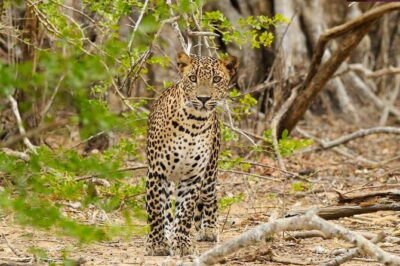
- Leopards and the Surprise Factor
- Deer and Water Buffalo: The Everyday Wildlife That Makes It Real
- Birds: Color, Motion, and Extra Scenery Clues
- 4×4 Jeep Comfort and Photo-Friendly Setup
- Guide Quality: Why This Tour Emphasizes the Driver-Guide
- Timing: Morning vs Evening for Better Chances
- Meeting Point and Park Entrance Reality Check
- Price and Value: Is $20 Worth It?
- What to Bring (So You Don’t Hate Yourself Mid-Safari)
- Rules That Keep the Safari Ethical and Safer
- Who This Safari Suits Best
- A Few Practical Tips to Boost Your Odds
- Should You Book This Udawalawe Safari?
- FAQ
- How long is the Udawalawe National Park safari?
- Where does the pickup happen?
- What is included in the price?
- Are meals included?
- Is the park entrance fee included?
- What animals and birds can I expect to see?
- Is there an English guide?
Key Safari Takeaways (Udawalawe)
- Small jeep groups (up to 6) make it easier for the driver to reposition for sightings
- Morning or evening timing gives you better wildlife activity chances
- English live guide helps you connect the dots on plants, animals, and behavior
- No meals included means plan snacks or a meal before/after
- Entrance fee not included so check your total price up front
Why Udawalawe Works for First-Time Safari Goers
Udawalawe National Park is one of those places where you feel the animals before you fully see them. The park’s open areas and water spots make it easier to spot wildlife than in thicker forest, and your guide can steer you toward the right kind of habitat when the animals are most likely to show.
This safari experience is built around focused viewing time. You’re not stuck on paperwork. You get picked up, you head in, and you spend the majority of your time on the lookout—without a long day of travel.
Also, the tour is designed for comfort and attention. You’ll ride in a 4×4 safari jeep with seating for up to six people, which matters because it keeps the group small enough for the driver to adjust without chaos. Plus, they include bottled water, which sounds basic until you’re sitting in the sun with your camera ready.
You can also read our reviews of more tours and experiences in Udawalawe Elephant Transit Home.

The 4-Hour Flow: Pickup, Safari Time, and Return
This is a 4-hour tour that moves fast in a good way. It’s short enough to fit into a busy itinerary, but long enough to feel like an actual safari rather than a quick drive-by.
Hotel Niwahana Pickup: The Start That Sets the Tone
Your tour starts at Hotel Niwahana. There’s about 15 minutes of transfer time before you reach Udawalawe National Park for the guided safari portion. That short head start is helpful if you’d rather not burn half your morning just getting to the gate.
Practical tip: wear your best safari outfit immediately. Comfortable shoes matter here, since the tour notes walking suitability and you’ll want to stay ready for quick viewing moments.
Guided Safari Inside the Park: 3.5 Hours of Looking
Once you’re in the park, you get about 3.5 hours of guided wildlife viewing. This is the heart of the experience.
Your guide helps you look smarter. Instead of only scanning for movement, you’ll learn what to watch for—where animals tend to feed, move, or gather based on habitat. The highlights you can realistically hope for include elephants, leopards, deer, water buffalo, and a wide range of bird species.
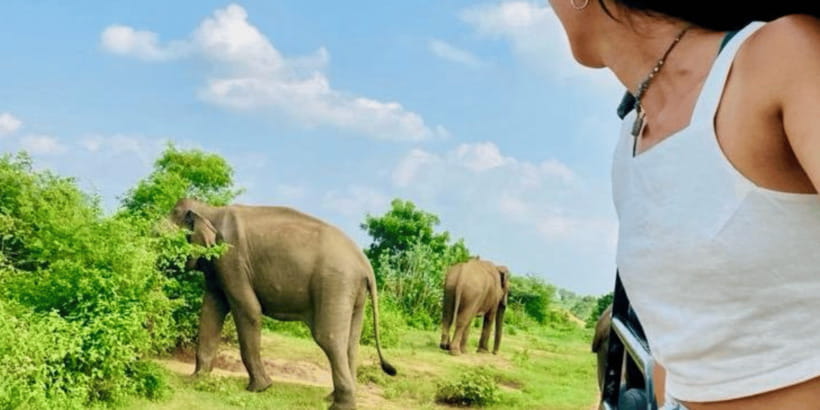
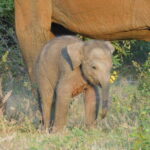
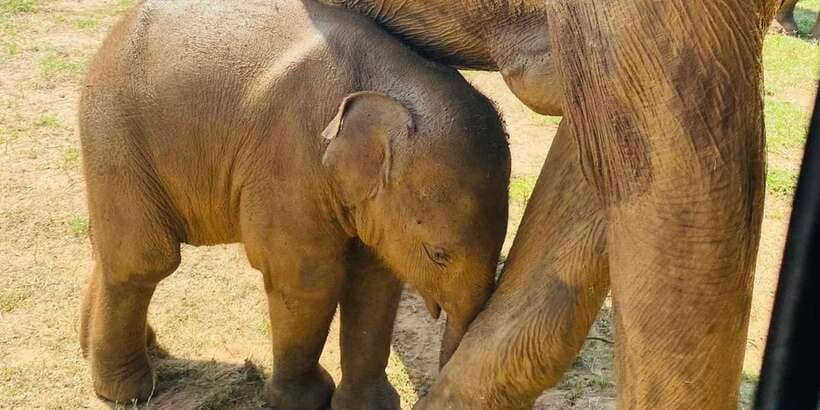
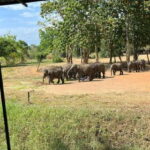
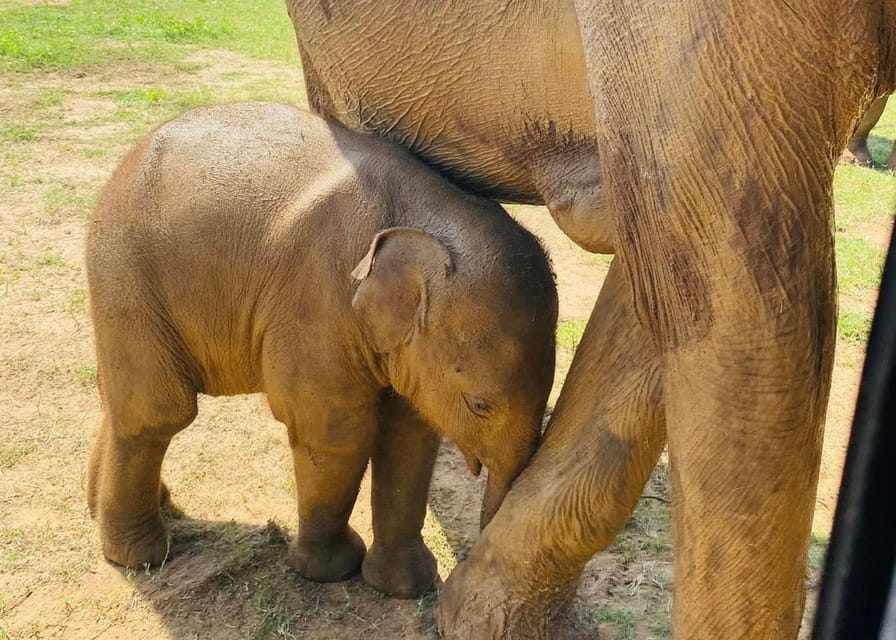
The elephant factor is the big draw. Even when you’re not close enough for perfect portraits, watching adult elephants in motion or younger ones moving through the open areas can feel like a front-row seat to how the park works.
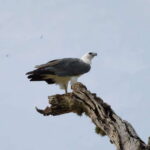
And birds add texture. The safari isn’t just about mammals. You might spot a mix of species while you’re waiting for bigger sightings, including colorful birds that make the wait feel less like waiting.
Return to Hotel Niwahana: Finish Strong, Not Exhausted
After the guided portion, you head back to Hotel Niwahana. The total timing is tight enough that you shouldn’t feel wiped out, which is a bonus if you have other plans later in the day.
Wildlife Viewing: What You’ll Hope to See (and Why It Matters)
Udawalawe is known for large mammals, but the real value is how the park supports a whole food chain. When you’re watching elephants, deer, and water buffalo, you’re also watching the park’s balance—where these animals move, rest, and share space.
Elephants: The Main Event
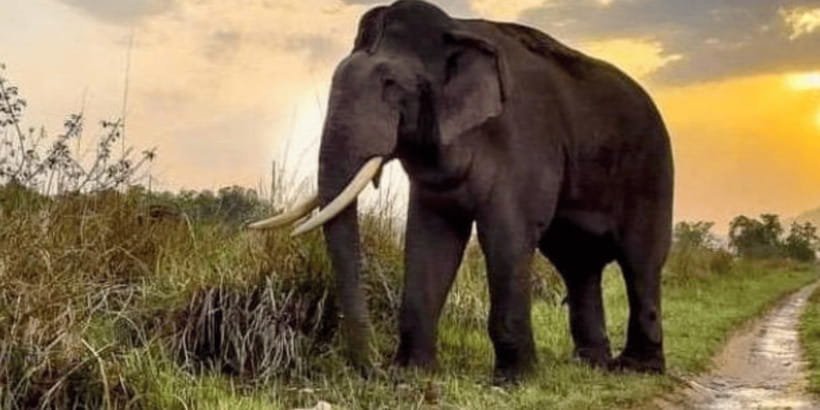
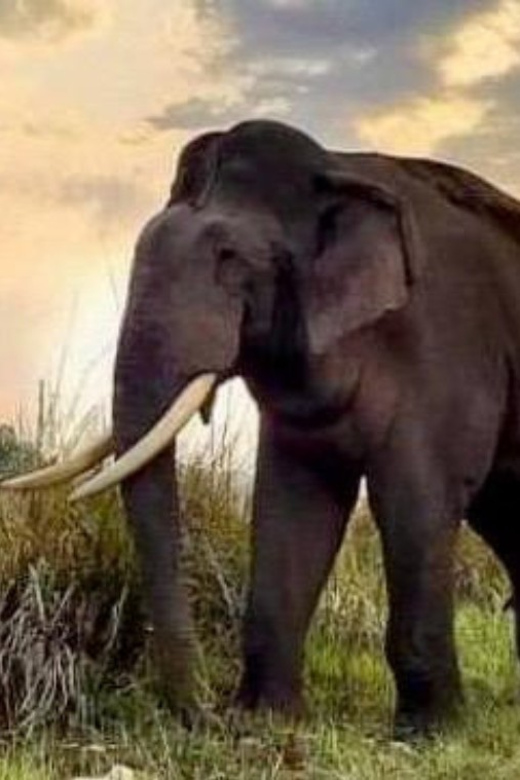
Elephants are the star attraction here. You’re not going to treat elephant spotting like a checklist. It’s more like learning to read their patterns: where they cross, how they react to the environment, and how they move through open zones.
One practical insight: your driver may adjust routes to reduce traffic and improve your odds. In past tours, the driver Delip was praised for finding routes with fewer other vehicles and for checking in on what you want to see. That matters because it can reduce time spent staring at the same spot from the same angle.
Leopards and the Surprise Factor
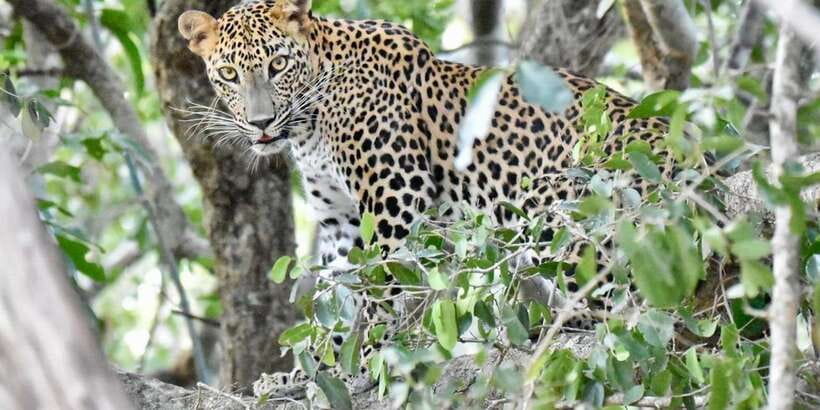
Leopards are on the list of possible sightings. They’re not the easiest animal to predict, which is why having a guide who knows the park’s habits is the difference between luck and a serious chance.
In a short safari like this, you’re not guaranteed a leopard. But when leopards do appear, the experience tends to feel extra special because they’re harder to find.
Deer and Water Buffalo: The Everyday Wildlife That Makes It Real
Deer and water buffalo help make the safari feel alive even when big cats aren’t visible. Water buffalo are often easier to connect to water and open terrain patterns, and deer sightings can come with quick moments of movement that reward attentive scanning.
If you’re the type who enjoys wildlife beyond the headline species, these animals are where you’ll feel like you’re watching the park’s daily routine.
Birds: Color, Motion, and Extra Scenery Clues
Birdwatching during a safari is like getting extra clues. Birds can show you where insects or habitat edges are active, and some species are just fun to watch because they move differently than mammals.
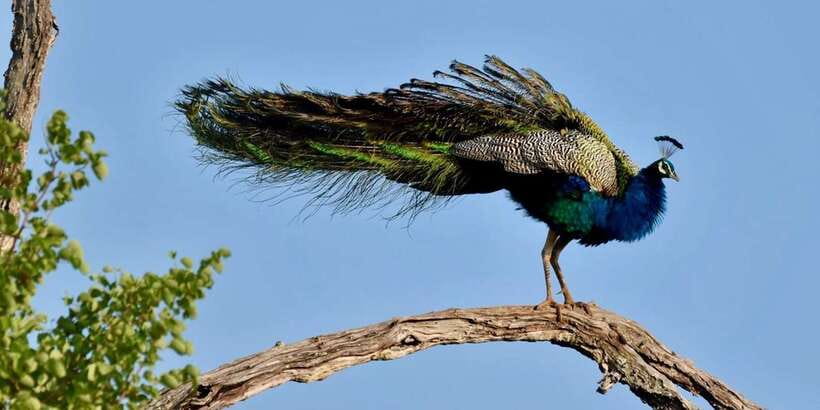
One guide-driven detail you might appreciate: past tours have highlighted varied bird life, including a sighting of peafowl spreading its feathers. Those moments don’t require a guaranteed target animal. You just have to be patient and ready to look.
4×4 Jeep Comfort and Photo-Friendly Setup
The jeep setup is part of why this safari feels manageable. You ride in a well-maintained 4×4, and the vehicle is described as designed for optimal viewing and photo opportunities.
In practice, this means:
- You can keep your camera ready without constant shifting
- The driver can maneuver to get a better angle when visibility allows
- You’re not sitting in discomfort long enough to lose focus
Also, the group size is capped at up to 6 passengers per jeep. That keeps the experience calmer and usually makes it easier for the driver to reposition for sightings.
If you care about photos, bring your camera properly set up before you enter the park. With wildlife, timing is everything, and you’ll want to be ready when the guide tells you to watch one direction.
Guide Quality: Why This Tour Emphasizes the Driver-Guide
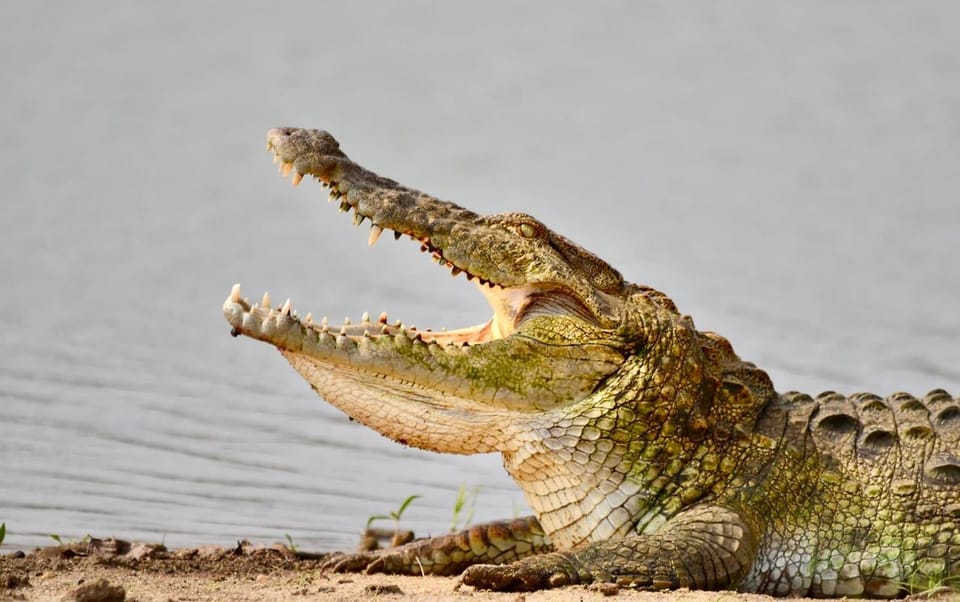
A safari isn’t just about having a vehicle. It’s about who’s driving and interpreting what’s happening.
The tour includes an expert guide with English language support. In past safaris, guides like Sachin were praised for being friendly and knowledgeable and for helping people spot a lot of wildlife.
Another example from earlier tours: the driver was described as also acting as the guide and speaking clear English, with real experience in the park. That kind of dual role can actually improve your experience because you’re getting steering advice plus on-the-spot explanations without delays.
Here’s what to do to get the most from that: ask direct questions as you go. Simple prompts like which animals are most active today, where elephants typically cross, or what bird behavior signals can turn a good safari into a memorable one.
Timing: Morning vs Evening for Better Chances
The tour notes a smart reality: wildlife activity often improves in the cool of the morning or the calm of the evening. That makes sense because animals tend to move more when the heat is lower.
So if you have flexibility, try to schedule your safari in one of those windows. If your day is fixed, don’t stress. You can still see plenty. But timing shifts your odds, and you’ll feel more energized during those rides because the sun is less aggressive.
Meeting Point and Park Entrance Reality Check
The meeting point is near the national park entrance, and it includes free parking and free washrooms, with food and drinks available for purchase.
One detail worth planning around: the park entrance fee is not included. That means your advertised safari price covers the guide and the ride, but you’ll still need to pay the gate fee separately.
Also, one past comment noted that meeting closer to the park entrance would be even better. Translation for you: arrive a little early so pickup and handoff feel smooth, and ask where exactly you’ll meet if you’re unsure.
Price and Value: Is $20 Worth It?
At $20 per person, this safari can be good value—especially because several important parts are included: hotel pickup and drop-off, expert guide, transportation in a safari jeep (max 6 passengers), and complimentary bottled water.
Where value can drop a bit is in what’s not included. Meals are not included, and park entrance fees are not included. So your real total might be a bit higher than you expect if you’re hungry when you arrive or if entrance costs add up.
That said, this is a compact tour with about 3.5 hours inside the park, and that’s the part you actually came for. For many people, that mix—short, guided, and vehicle-assisted viewing—feels like a smarter use of time than longer tours that start later or require more travel.
What to Bring (So You Don’t Hate Yourself Mid-Safari)
The tour’s packing list is practical. Follow it.
Bring:
- Comfortable shoes
- Hat
- Camera
- Sunscreen
- Water (they also provide bottled water, but extra doesn’t hurt)
- Insect repellent
Also, wear clothing that you can walk in if you need to step out or reposition for viewing. The tour specifically advises comfortable walking clothing.
If you’re serious about photos, also think about your grip and strap. When the jeep turns suddenly, you don’t want your camera banging against your shoulder strap or bouncing around in your bag.
Rules That Keep the Safari Ethical and Safer
This safari includes clear “don’ts.” Smoking is prohibited, as are alcohol and drugs, and you must not feed animals.
That’s good for wildlife safety and for you. It also keeps the interaction natural. You came to watch animals behave like animals, not to create a weird tourist scene that risks everyone getting too close.
Avoid touching wildlife as well. Even if you don’t plan to, the general guidance is to keep a respectful distance and let the guide handle where and when you stop.
Who This Safari Suits Best
This tour is a strong fit if you want:
- A guided Udawalawe National Park safari with time inside the park
- A small private group setup (max 6 in a jeep)
- An English-speaking guide who can explain what you’re seeing
- A straightforward, half-day style outing without complicated planning
It’s not suitable for:
- Pregnant women
- People with back problems
- Wheelchair users
If anyone in your group has mobility issues, plan around that. The jeep and road conditions likely mean more jostling than a gentle city tour.
A Few Practical Tips to Boost Your Odds
You can’t control animal behavior. But you can control your preparation and attention.
- Go in with patience. Some of the best sightings take time, and birds can keep you entertained while you wait.
- Ask the guide what to look for during your drive. If your driver speaks English clearly, use that advantage.
- Keep your camera accessible. Wildlife often appears fast, and you’ll want to react quickly.
- Use insect repellent. The tour explicitly calls it out, and it’s one of the easiest ways to avoid a miserable ride.
Also, remember that route choices can matter. Past experiences have highlighted drivers actively working to find routes with fewer other vehicles. That can improve viewing without feeling like you’re stuck behind a line.
Should You Book This Udawalawe Safari?
If you’re aiming for a focused 4-hour Udawalawe National Park safari with hotel pickup, a 4×4 jeep, and an English guide, this is a solid option. The price is reasonable for what you get, especially since transport and guide time are included and your group stays small.
Book it if:
- You want elephant country with good odds for multiple species
- You prefer a short guided outing you can stack with other plans
- You value a driver who actively finds routes and supports what you want to see
Skip it or reconsider if:
- You need a longer safari window
- You have concerns about jeep comfort due to back or mobility limitations
- You don’t want to pay additional costs for meals and the park entrance fee
If you’re ready for a real wildlife search with clear rules, small-group comfort, and guide-led spotting, this kind of safari can be exactly the right length.
FAQ
How long is the Udawalawe National Park safari?
The tour duration is 4 hours.
Where does the pickup happen?
Pickup is from Hotel Niwahana, with the safari starting at Udawalawa National Park.
What is included in the price?
It includes hotel pick-up and drop-off, a water bottle, an expert guide, and transportation in a safari jeep (maximum 6 passengers per jeep).
Are meals included?
No, meals are not included.
Is the park entrance fee included?
No, the park entrance fee is not included.
What animals and birds can I expect to see?
The tour highlights spotting elephants, leopards, deer, water buffalo, and a variety of bird species.
Is there an English guide?
Yes, the live tour guide is English.