That first ocean breeze in Negombo sets the tone. This 6-day, private Sri Lanka package mixes easy beach time, major cultural stops, and a real wildlife day in Yala, with a route that makes geographic sense. I also like that it doesn’t lock you into one kind of trip—you get traditional dance, tea country, waterfalls, and a river safari.
Two things I genuinely like: the way the day plan strings together iconic Sri Lanka highlights without feeling like you’re only chasing tickets, and the service reputation behind the scenes. In past feedback, the team led by Dhanuka Prasad came across as professional and responsive, and even a guide named Prasanth stood out for his objective, hands-on help at the herbal garden.
One possible drawback: several sights list admission tickets as not included, and a number of stops are short (often 30 minutes). So if you want slow travel, you’ll need to be flexible with time at each stop.
In This Review
- Key Things That Make This Route Worth Your Time
- Price and Value: What $592 Covers (and What to Budget)
- Negombo Beach and Susantha Spice: First Day Ease-Into Mode
- Kandy: Sacred Tooth Relic Plus Fire-Walking Culture
- Tea Country and Nuwara Eliya Stops: Waterfalls and Gregory Lake
- Ella by Train: The World-Famous View Time
- Down South: Tissa Wewa Calm, Then Yala Wildlife Time
- Galle Fort, Unawatuna Beach, and Madu River: Culture Meets Water
- Colombo Finish: Independence Square, Gangaramaya, and a Beachfront Walk
- Logistics That Matter: Private Group, Pickup, Mobile Tickets
- Who This Tour Fits Best
- Should You Book This Sri Lanka Package?
- FAQ
- How long is the Sri Lanka tour package?
- Is pickup included?
- Are admission tickets included?
- Is this tour private or shared?
- What info do I need to book?
- Can I cancel for a full refund?
Key Things That Make This Route Worth Your Time
- Negombo to Colombo with smart pacing across the west, central hills, south coast, and back to the capital
- Kandy cultural dance show with fire walking included on the schedule
- Scenic Ella rail connection (the famous Nanu Oya to Ella train ride is part of the plan)
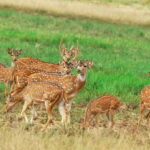
- Yala National Park safari time with a long list of possible wildlife (leopard, elephant, crocodile, birds)
- Galle Fort and Unawatuna beach stop to balance culture with downtime
- Madu River speed-boat safari through a mangrove wetland ecosystem (Ramsar-listed)
Price and Value: What $592 Covers (and What to Budget)
At $592 per person for about 6 days (5 nights), the value comes from two big categories: accommodations + transportation are included. You’re also getting pickup offered, plus a mobile ticket and group-discount positioning (even though it’s private for your group, discounts can still matter depending on how many people book).
What to watch is admissions. The plan clearly labels many stops as admission free, some as included, and some as not included. That means you should expect a bit of extra cash for the sights marked not included—especially the Temple of the Sacred Tooth Relic in Kandy, Gregory Lake, parts of the tea-country area, and Yala National Park. If you’re traveling with a tighter budget, it helps to mentally separate “included/free stops” from “pay at venue” stops before you go.
In plain terms: you’re paying for a guided, organized route with transit between regions. You’re not paying for every ticket in every place. That’s common, and this route is transparent about it, which I appreciate.
You can also read our reviews of more tours and experiences in Negombo.
Negombo Beach and Susantha Spice: First Day Ease-Into Mode
Your trip starts in Negombo, and the first hit is the beach. This is one of those smart starts that helps you shake off travel stress. One hour at Negombo Beach is short, but it’s enough time to get your feet in the sand, grab a cold drink, and switch from airport mode to vacation mode.
Then you move to the Susantha Spice and Herbal Garden. This isn’t just “tour the plants.” It’s framed around ancient herbal healing in Sri Lanka—described as a practice with roots going back thousands of years, influenced by Buddhist and Hindu traditions. You can also see how they connect herbal medicine with wellness routines like guided meditation, yoga, massage, and diet changes.
A nice bonus here: one of the past comments highlighted the guide Prasanth as highly dedicated and objective at this garden. That matters because herbal gardens can become salesy fast. If the guide is clear and practical, you’ll enjoy it more—and you’ll know what you’re buying (or choosing not to buy).
If you’re not into wellness experiences, this day could feel a little “slow.” But if you want a calmer start before temples and trains, this stop works well.
Kandy: Sacred Tooth Relic Plus Fire-Walking Culture
Kandy is split across Day 1 and Day 2 in the schedule, and that’s a good rhythm: light entertainment first, then the big spiritual site the next day.
On Day 1, you get the Kandy Lake Club Cultural Dance Show. The highlight is the fire walking portion, where performers walk barefoot across a prepared fire pit and emerge unharmed. It’s not only a spectacle—it’s also a reminder that Sri Lanka’s performing arts can be intensely physical, not just dance steps in a studio.
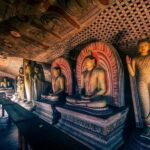
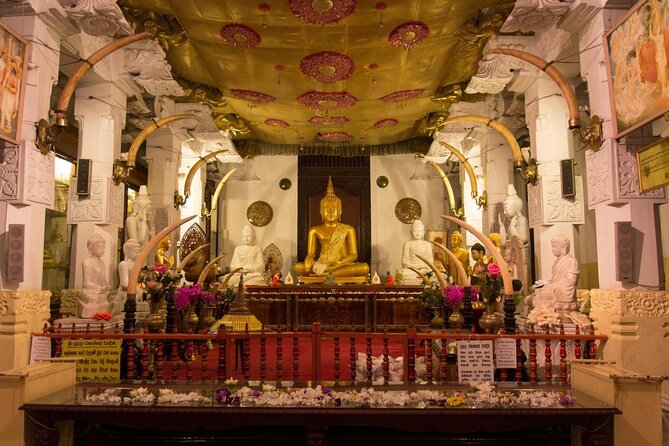
Day 2 then brings you to the Temple of the Sacred Tooth Relic (Sri Dalada Maligawa). This is one of the best-known Buddhist temples in Kandy, located in the royal palace complex area of the former Kingdom of Kandy. The key point for you: this is a chance to see a major religious site where the relic of the tooth of the Buddha is housed. Plan for a little quiet time as well as photos.
Practical note: the temple stop is listed as admission not included, so expect to pay at the venue. Also, dress codes at Buddhist temples are usually straightforward but strict enough that it’s worth wearing respectful clothing.
Tea Country and Nuwara Eliya Stops: Waterfalls and Gregory Lake
As the route moves into the hill-country zone, the tone changes: cooler air, scenic stops, and the kind of viewpoints you remember later.
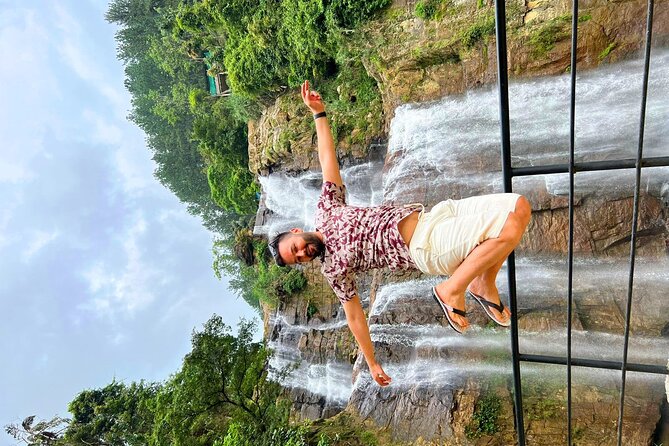
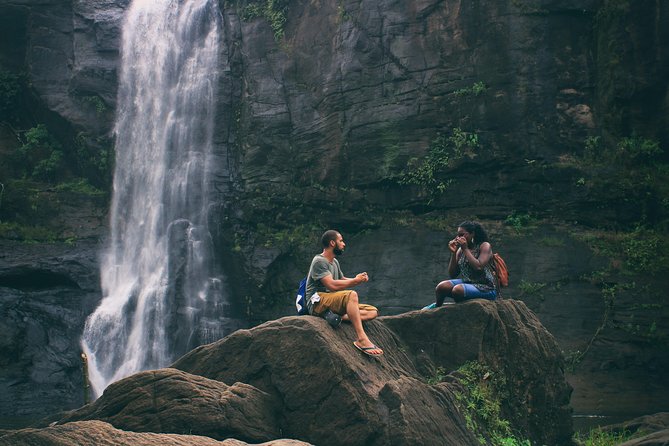
The Ramboda Waterfall stop is described as forming a twin/Y-shape pattern with another fall at the base. That means you’re not just looking at one waterfall—you’re seeing a specific geometry in how water drops over cliffs in the area around Ramboda Pass. This one is marked as admission ticket included, which makes it a low-drama stop.
Then you head to Gregory Lake in the tea-country hill city of Nuwara Eliya. It’s a reservoir constructed during the period of British Governor Sir William Gregory in 1873, and the surrounding Gregory Lake Area is part of what you’ll see. Here, admission is marked as not included, so keep that in mind.
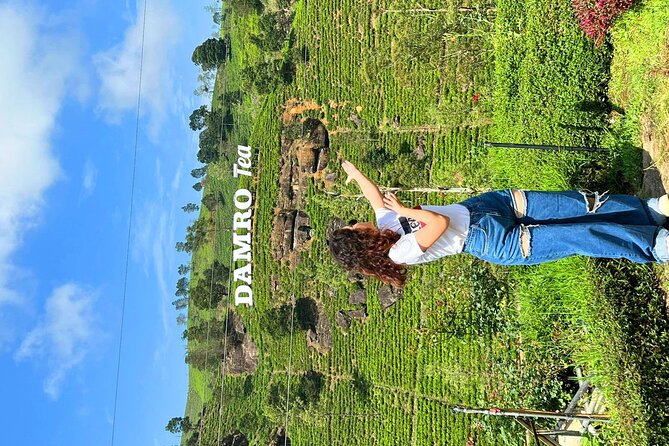
You also visit Damro Labookellie Tea Centre and Tea Garden. Nuwara Eliya is often nicknamed Little England, and the tour framing emphasizes that the climate supports tea production. This stop is listed as free, which is great because tea visits can cost extra if you pick a more premium option outside a package.
A possible consideration: the hill-country day can include a lot of short segments (often 30 minutes each). If you like spending time walking slowly, you’ll need to decide where you want to linger and where you’re okay with a quick “see it, photograph it, move on” pace.
Ella by Train: The World-Famous View Time
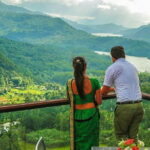
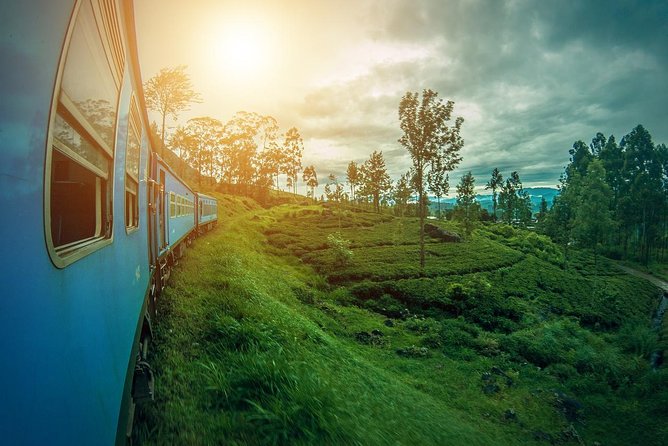
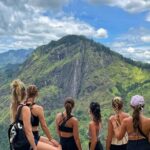
If there’s one moment on this plan that feels tailor-made for first-time Sri Lanka travelers, it’s the train trip from Nanu Oya to Ella. The schedule calls it one of the most beautiful train rides in the world. It also says it takes about four hours and runs through green tea plantations and mountain views.
This is the kind of segment where you should be ready for “nothing to do but look out the window.” Even if you’re not a rail enthusiast, the train route is often a memory anchor, because it turns transit time into the main event.
On arrival into the Ella zone, you also get a quick list of classic photo stops:
- Nine Arches Bridge, called the Bridge in the Sky. The plan notes the colonial-era railway construction and mentions a local builder, P. K. Appuhami, working with British engineers.
- Ravana Ella Falls. The tour notes that you can climb over some rocks for a closer look.
Both of these stops are marked free, which helps if you’re trying to keep total spending predictable.
One tip: waterfalls and train platforms can be slippery. Wear shoes you trust, and don’t rush the climb for the “close-up” shot.


Down South: Tissa Wewa Calm, Then Yala Wildlife Time
Day 4 is a mix of quiet water and big nature expectations.
First is Tissa Wewa, a reservoir believed to have been constructed around the 3rd century BC for irrigation and water supply for Tissamaharama. It was restored in 1871. For you, this stop is about slowing down. Even 30 minutes can feel restorative after faster-paced sightseeing.
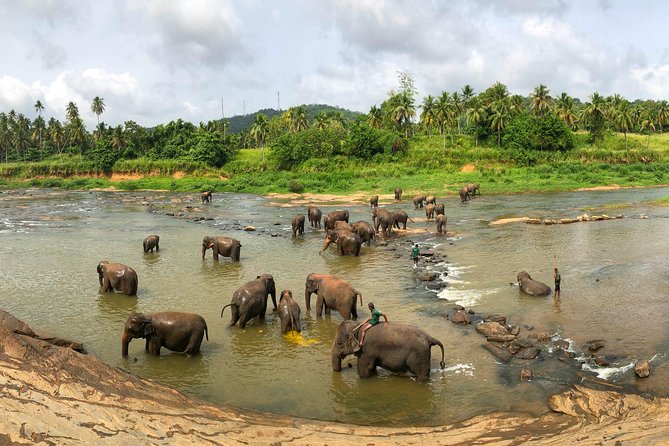
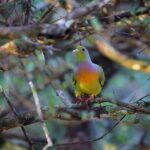
Then comes Yala National Park (Katagamuwa entrance). The schedule describes Yala as forest, grassland, and lagoons near the Indian Ocean, and it lists possible wildlife: leopards, elephants, and crocodiles, plus hundreds of bird species. Admission is not included here, so you’ll need to budget for the safari entry or related costs at the venue.
Here’s the balanced reality: you don’t control wildlife sightings. But the value is the opportunity—Yala is one of those places where even if you don’t see everything, you’re still in a real habitat, not a zoo-like setting.
If you love wildlife, this is a strong day. If you’re not a safari person, you might feel the waiting time between sightings. Still, the park setting itself is part of the payoff.
Galle Fort, Unawatuna Beach, and Madu River: Culture Meets Water
Day 5 shifts to the southwest coast.
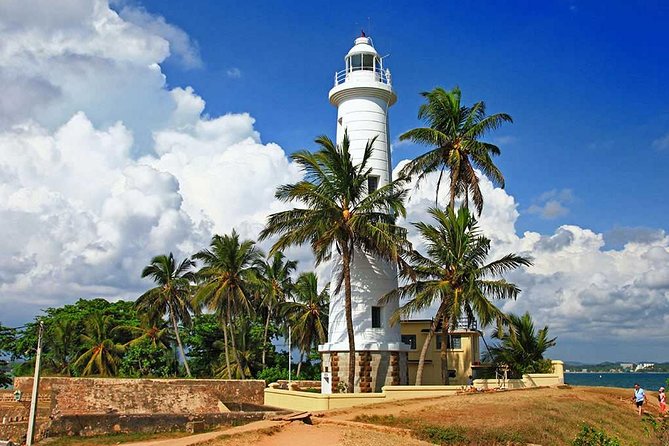
You start with Galle Dutch Fort, built first by the Portuguese in 1588 and then heavily fortified by the Dutch from 1649 onward. Even if you don’t go deep into architecture, a fort gives you a sense of how the coastline mattered to trade and control. The stop is free for admission, so you’re not forced into added ticket costs to enjoy it.
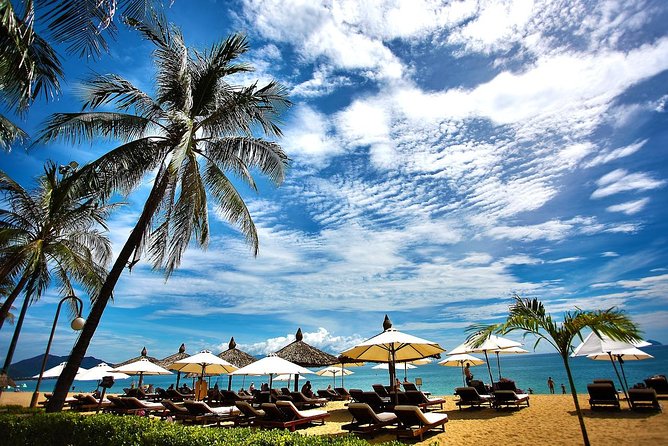
Next is Unawatuna Beach. The plan frames Unawatuna as one of Sri Lanka’s most famous beach areas, with a small town, shopping, guesthouses, trendy restaurants, and nearby activities. Admission is marked free here, and that’s a good pairing with Fort time—you get culture on one side, then a chance to exhale by the sea.
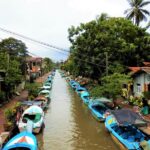
Then you go to the Madu River Safari by Buddhi. This is one of the most specific nature experiences listed: a wetland estuary covering about 900 hectares, with about 770 hectares under water, and inhabited with 64 islands. The plan also notes it’s protected as a Ramsar wetland and includes a pristine mangrove forest. Admission is not included, so plan for that.
Finally, there’s a Sea Turtle Hatchery stop. Admission is not included. The hatchery part is clearly conservation-oriented. If you care about turtles, it’s a meaningful stop because it connects animals to protection rather than just viewing wildlife from afar.
If you’re booking this hoping for nonstop action, this day can feel varied. But that variety is exactly why it works: it gives you built-in “reset time” on the coast.
Colombo Finish: Independence Square, Gangaramaya, and a Beachfront Walk
Your last day brings you back to Colombo, and it’s more about city landmarks than nature.
You start at Arcade Independence Square, described as a shopping complex in renovated buildings including the former Jawatta Lunatic Asylum and former Western Provincial Council Building. That mix of old buildings repurposed for modern use can be a neat way to see how cities change.
Next is the Bandaranaike Memorial International Conference Hall, built between 1970 and 1973 and described as a gift from the People’s Republic of China in memory of Solomon Ridgeway Dias Bandaranaike, the Prime Minister. Admission is free.
Then you visit Gangaramaya (Vihara) Buddhist Temple, an older temple in Colombo that began in the late 19th century. The plan names the scholar monk Hikkaduwe Sri Sumangala Nayaka Thera as the founder and mentions Devundera Sri Jinaratana Nayake Thera as someone who took on administration and laid foundation for the temple’s growth into an institute.
The schedule also includes Galle Face, described as an ocean-side urban park stretching about 500 meters along the coast. Even without details beyond that, it’s a fitting finale: a place to stretch your legs, watch the city meet the sea, and wrap up the trip with a calmer moment.
Note: Gangaramaya admission is not included, so expect a small extra cost there.
Logistics That Matter: Private Group, Pickup, Mobile Tickets
This is labeled as a private tour/activity, meaning only your group participates. That matters because it often reduces waiting, and it helps your guide keep the pace matched to your group.
Pickup is offered, and the plan also says near public transportation, which can be helpful if you need to hop back into the city easily on your own. You’ll also use a mobile ticket, which is convenient if you don’t want to juggle paper printouts.
One more detail: the booking process asks for passport name, number, expiry, and country for all participants, plus contact details (name, telephone number, email). If you travel as a family or a small group, it’s worth gathering this data early so everything stays smooth.
Who This Tour Fits Best
I think this package works best if you want a best-of route without spending days researching and planning transit on your own.
It’s a good fit if you:
- want a mix of cultural sites and nature (temples, dance show, waterfalls, train views, Yala safari)
- like short, efficient stops between big anchors (each day has clear “main events”)
- value a private group experience with pickup and a known plan
It may not be ideal if you:
- want long stays and slow mornings at each location
- hate the idea that some ticket costs are not included
- expect every stop to be flexible or extendable without changing the schedule
Should You Book This Sri Lanka Package?
If you’re aiming to see a lot of Sri Lanka in a focused 5 nights / 6 days window, I’d say this one is worth a serious look. The biggest strength is balance: beach time in Negombo, Kandy culture and sacred relic, tea country and iconic Ella sights, wildlife time at Yala, and coast-and-fort energy around Galle and Unawatuna, before closing in Colombo.
My final advice: before you book, skim which stops are marked free versus not included. If you’re comfortable with paying at a few venues and you’re fine with shorter stop durations, this route gives strong value at the $592 price point.
If you want a tour that feels organized, not stressful, and includes some memorable “wow moments” (fire walking, the Ella train, Yala wildlife potential), this package fits that goal.
FAQ
How long is the Sri Lanka tour package?
It’s scheduled for 6 days (about 5 nights). The day-by-day plan includes stops across Negombo, Kandy, Nuwara Eliya/Ella, the south coast, and Colombo.
Is pickup included?
Pickup is offered as part of the experience.
Are admission tickets included?
Some stops are marked as admission free, one cultural dance show is included, and several others are marked as admission ticket not included (so you may need to pay at the venue).
Is this tour private or shared?
It’s described as private, so only your group will participate.
What info do I need to book?
You’ll need to provide passport name, passport number, passport expiry, and country for all participants, plus passenger contact details (name, telephone number, email).
Can I cancel for a full refund?
Yes. Cancellation is free up to 24 hours in advance for a full refund. If you cancel less than 24 hours before the experience start time, the paid amount is not refunded.