Sigiriya and elephants in the same tight window? This tour stacks major Sri Lanka highlights with a wildlife hit and a guide who helps you make sense of it all.
I especially love how private-guided UNESCO sites keep the focus on meaning, not just photo stops. I also like that the day ends with a real nature moment: a 4-wheel-drive Minneriya safari instead of another temple add-on.
That said, there’s one big catch to plan for: it’s intense. Long driving days, early starts, lots of stairs at key sites, and entrance fees on top of the base price can add up quickly.
In This Review
- Key Points You’ll Actually Care About
- Why This 2-Day Cultural Triangle Route Feels Like a Sprint
- Day 1: Dambulla Golden Cave Temple to Sigiriya Rock Fortress
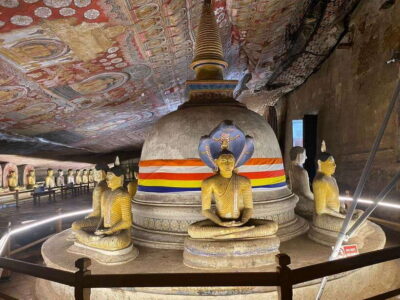
- Dambulla Golden Cave Temple (the temple that explains the place)
- Sigiriya Rock Fortress (the workout with the payoff)
- Minneriya National Park Jeep Safari: Elephants, Not a Guessing Game
- Sleeping in the Sigiriya Area: One Night to Recover (Mostly)
- Day 2: Polonnaruwa’s UNESCO Monuments and the Museum Warm-Up
- Polonnaruwa cultural museum (before you enter the ruins)
- Polonnaruwa ancient city guided walk
- Matale Spice/Herbal Garden and the Hands-On Part of Sri Lanka
- Kandy Power Stops: Tooth Relic Temple and Peradeniya Botanical Gardens
- Temple of the Tooth Relic (religion in the center of the city)
- Peradeniya Botanical Garden (pretty, practical, and good for bird-spotters)
- Tea Factory and Ceylon Tea: A Taste-Stop That Actually Fits the Story
- Price and Value: What $295 Covers vs. What You’ll Pay Anyway
- Tour Pace, Transport Comfort, and the Smart Way to Prepare
- Who Should Book This (and Who Might Want a Different Plan)
- Should You Book It?
- FAQ
- What’s the tour duration?
- Where does the pickup happen?
- How many people are in the group?
- What language is the guide?
- Is this tour fully private?
- What’s included in the price?
- Which entrance fees are not included?
- Are lunch and dinner included?
- Is there a skip-the-ticket-line benefit?
- Is free cancellation available?
Key Points You’ll Actually Care About
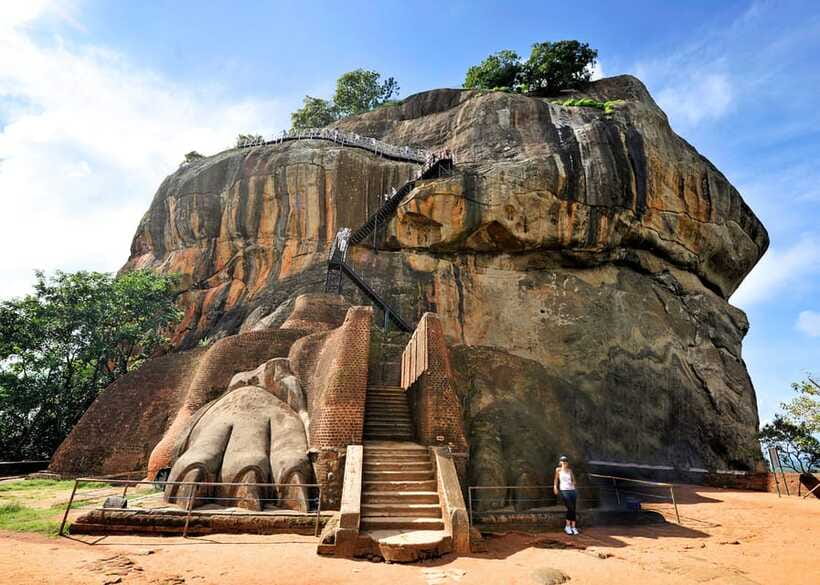
- Sigiriya’s rock climb is the hardest workout, with about 1,200 steps—do it early if you can.
- Minneriya National Park by jeep gives you the best chance at spotting elephants in a dramatic “gathering” season window (June–September).
- Skip-the-line ticket handling helps when you’re trying to fit multiple UNESCO stops into two days.
- Temple attire matters because you’ll cover several sacred sites across the Cultural Triangle.
- Entrance fees aren’t included for major sights (including Sigiriya, Dambulla, Polonnaruwa, Kandy Tooth Relic, and Minneriya safari fee).
- Transport comfort can vary, and you may want to confirm vehicle condition before you go.
Why This 2-Day Cultural Triangle Route Feels Like a Sprint
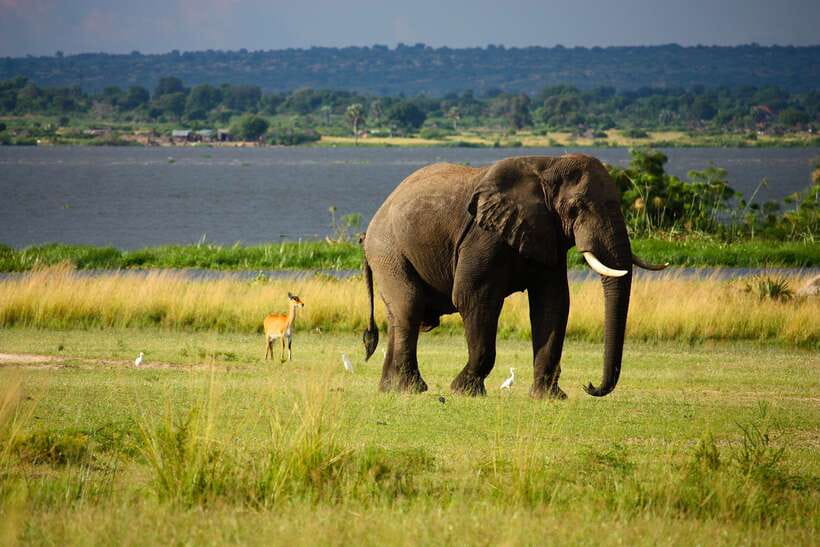
This is built for travelers who want the Cultural Triangle’s biggest names without spending a week hopping around. In two days, you’ll move through Dambulla, Sigiriya, Polonnaruwa, Kandy, plus a safari and a tea stop. That means mornings start early and the schedule is packed.
The good news is you don’t have to figure logistics yourself. You’re in an air-conditioned vehicle, with a live English tour guide, plus help with site ticket flow where available. The trade-off is simple: when you pick “fast,” you give up “slow.”
If you like to wander at your own pace for hours, you might feel rushed. If you like a tight plan with high-impact stops, this route makes a lot of sense.
You can also read our reviews of more tours and experiences in Western Province Sri Lanka.
Day 1: Dambulla Golden Cave Temple to Sigiriya Rock Fortress
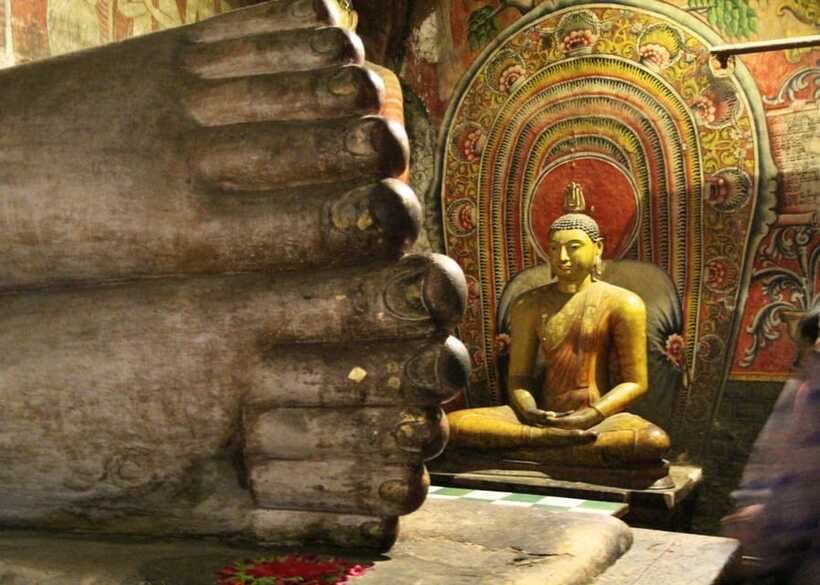
The day starts early from the west coast, with pickup arranged from your hotel or nearby address. Plan on mornings that feel like you’re beating the day to the punch. It’s worth it here, because the first sites are also the ones people remember most.
Dambulla Golden Cave Temple (the temple that explains the place)
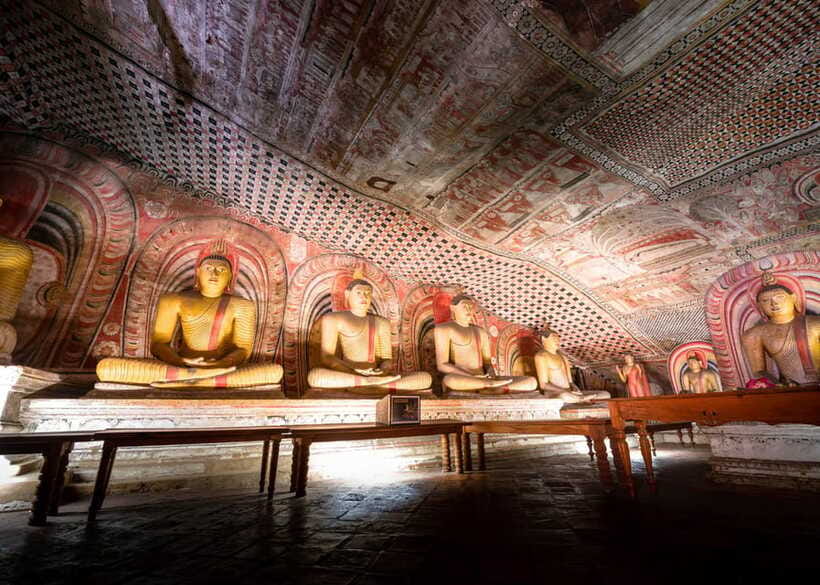
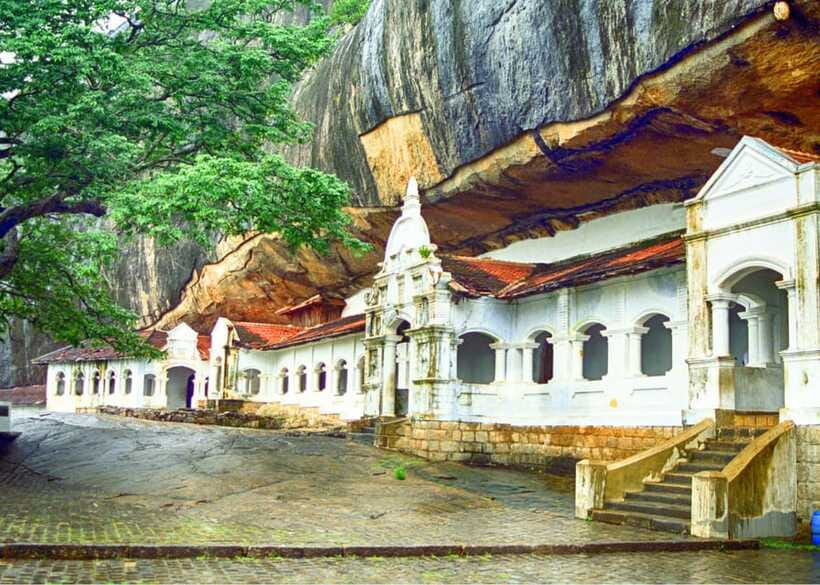
Dambulla’s cave temple is one of those stops that works on multiple levels: history, art, and spirituality. The story tied to the caves goes back to the 1st century BC, when a king fled after a South Indian invasion and took refuge in these caves. Later, after recapturing his city, he transformed the caves into a monastery and handed them to Buddhist monks.
What you’ll feel on-site is that it’s not just decoration. It’s a whole religious complex shaped by centuries of survival and conversion. And yes, there are stairs—so if you already know you’ll be tired from climbing later, pace yourself.
Sigiriya Rock Fortress (the workout with the payoff)
Then comes the day’s big physical challenge: Sigiriya Rock Fortress. The background is dramatic. In the 5th century, a prince named Kasyappa—linked to a patricide—used the rock as a fortified hideout to escape vengeance from his half-brother. Over time, he added artistic beauty to the stronghold. Today it’s a UNESCO World Heritage site.
A key practical point: people often underestimate Sigiriya because it looks like a viewpoint stop. It’s not. One verified guest described it as roughly 1,200 steps, and that matches the way the climb feels on your legs. If you’re doing sunrise climbs, you’ll be up very early. That can be perfect if you handle heat well and you want cooler temperatures and better light for photos.
My advice: wear proper walking shoes, bring water, and don’t rush the climb. Take breaks. You’ll still feel the stamina challenge, but you won’t feel punished.
Minneriya National Park Jeep Safari: Elephants, Not a Guessing Game
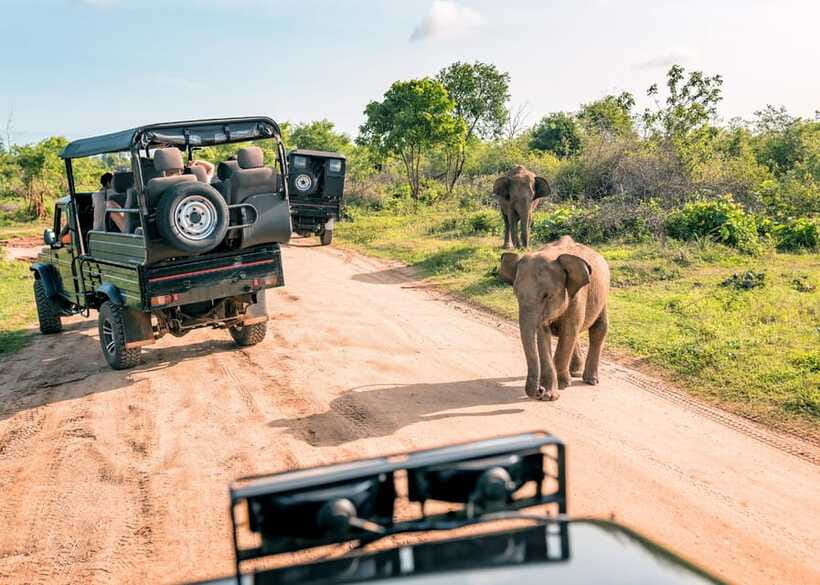
After Sigiriya, you shift gears from stone and stories to wildlife. The safari is done in a 4-wheel-drive jeep and lasts about 3 hours.
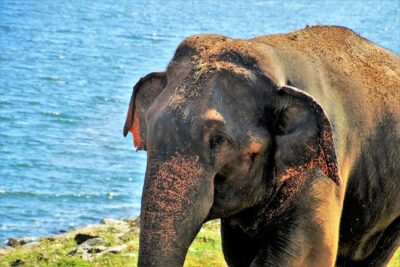
Minneriya is especially known for elephant gatherings. The timing matters: from June through September, it’s famous for one of the largest congregations of Asian elephants on earth. That’s when herds show up to drink, feed, and move together in a way that feels almost choreographed.
Even if you’re not traveling during those peak months, you’re still in the right kind of habitat. The real value here is that the safari is arranged and timed, so you’re not stuck guessing where to go. And because it’s a private-format safari experience, the guide can help you read what’s happening around you.
What to bring: sunglasses, a hat, and something for dust. If you have binoculars, bring them, especially if your seat isn’t near the best viewing angle.
Sleeping in the Sigiriya Area: One Night to Recover (Mostly)
You’ll have one night accommodation in a standard hotel after Day 1. In plain terms, don’t expect a luxury resort vibe here. This stop exists to get you through the next day’s temple-and-history push.
Also, keep in mind what you’re coming off of. Sigiriya is a climb. Minneriya is a safari. By the time you reach your hotel, you’ll want rest more than ambience.
One practical note from a real review: transport comfort can vary. In at least one case, a participant reported the vehicle was very old and uncomfortable, and that there was no charging available. That doesn’t mean your car will be the same, but it’s a good reminder: if you care about charging or modern comfort, ask ahead.
Day 2: Polonnaruwa’s UNESCO Monuments and the Museum Warm-Up
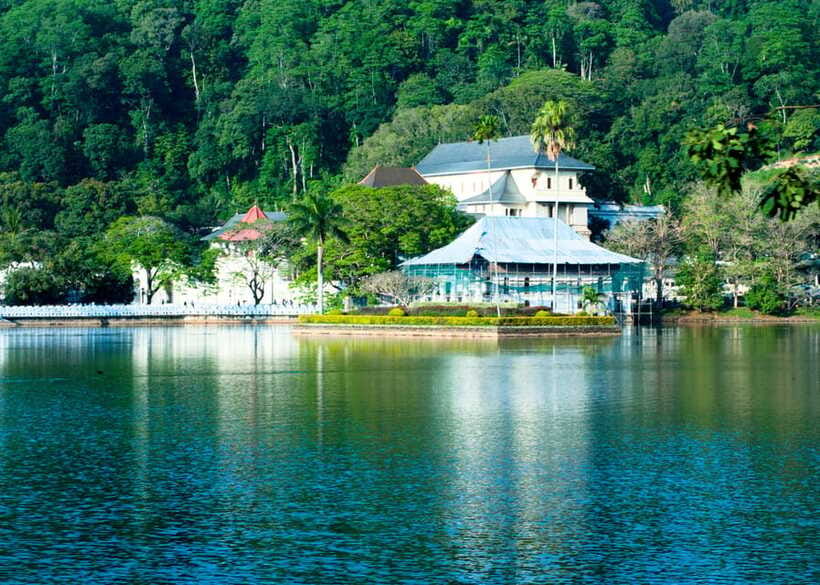
After breakfast, you head toward Kandy via the route that includes Polonnaruwa. Polonnaruwa was the second capital of Sri Lanka. The site is packed with Buddhist monuments built by Sri Lankan kings, and it’s one of those places where your guide’s role matters.
Polonnaruwa cultural museum (before you enter the ruins)
You also visit the Polonnaruwa cultural museum. This is a smart way to start, because the ruins can look like “stone bits” if you don’t know what you’re looking at. A museum warm-up helps you keep your bearings fast, so you can spend your energy observing rather than guessing.
Polonnaruwa ancient city guided walk
Then it’s into the ancient city itself with a guided tour. With a good guide, you’ll start connecting what you see—temple layouts, monumental stone work, and evidence of royal-era Buddhist devotion—into one story instead of a list of sights.
Polonnaruwa is also a nice balance after Sigiriya and Dambulla. You still get sacred-site atmosphere, but it feels more open and explorative, less about “go up and down stairs” and more about “read the city.”
Matale Spice/Herbal Garden and the Hands-On Part of Sri Lanka
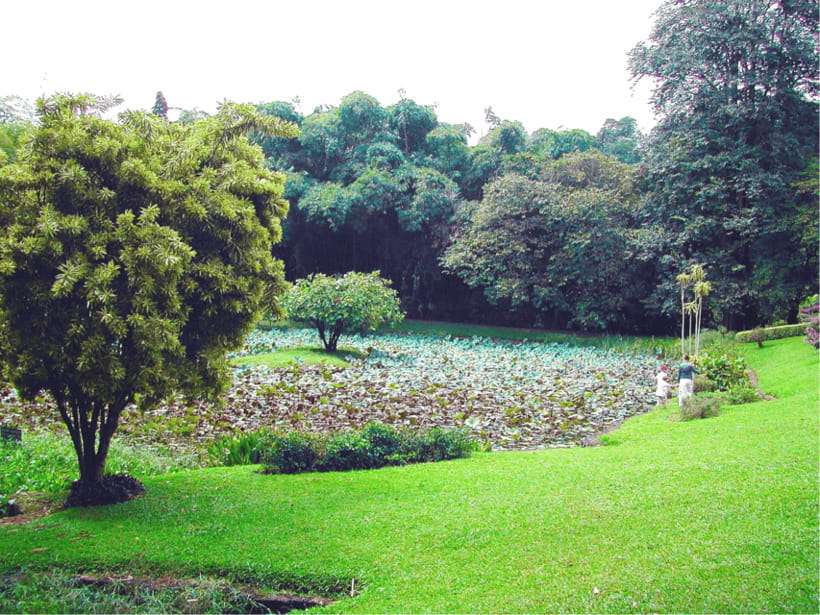
This is one of the more “useful for everyday life” stops in the whole trip. You’ll visit a spice or herbal garden in Matale and go on a guided walk.
The point isn’t just smelling spices. It’s learning how Sri Lankan spices and herbs are grown and how they show up in both cuisine and traditional medicine. That context is what makes it click.
If you like food culture, you’ll probably enjoy this stop more than you expect. Even if you don’t buy anything, you’ll leave with a clearer sense of why Sri Lankan cooking tastes the way it does.
One tip: if your stomach is sensitive, go easy on strong-tasting samples. Gardens can be intense when everything is offered at once.
Kandy Power Stops: Tooth Relic Temple and Peradeniya Botanical Gardens
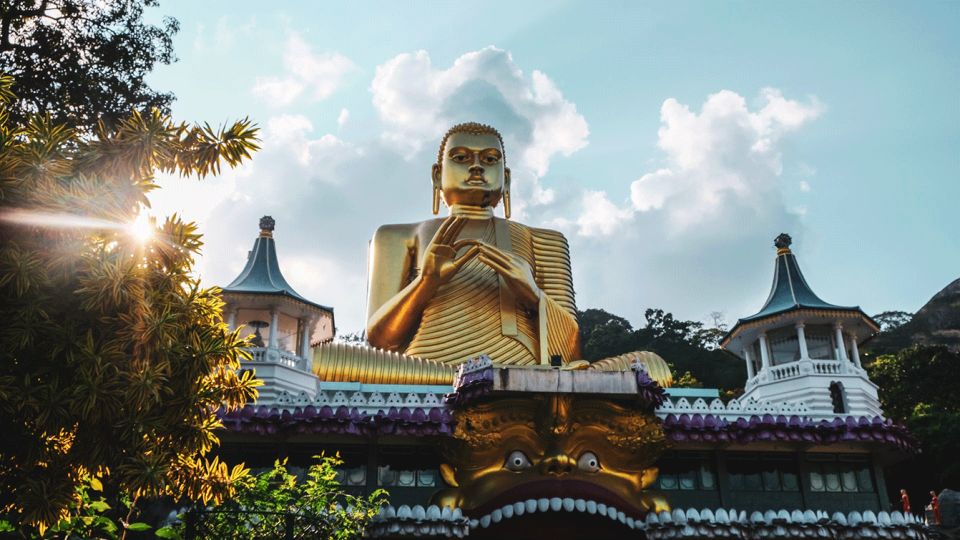
Kandy is a major emotional and religious center in Sri Lanka. The city’s importance is tied to the Temple of the Sacred Tooth Relic of the Buddha, which is the most sacred Buddhist temple in the country and sits within the royal palace complex.
Temple of the Tooth Relic (religion in the center of the city)
You’ll tour the Temple of the Tooth Relic with a guided visit. This temple holds the tooth relic associated with the Buddha, and it’s the kind of site where atmosphere matters as much as architecture. You’ll see how reverence is practiced day to day—especially as you watch people move through the space with devotion.
Practical note: bring clothing that works for temple visits. Your tour includes multiple temples, so shoulders and knees covered is the safest bet. Wear layers if you run hot and you might end up waiting around.
Peradeniya Botanical Garden (pretty, practical, and good for bird-spotters)
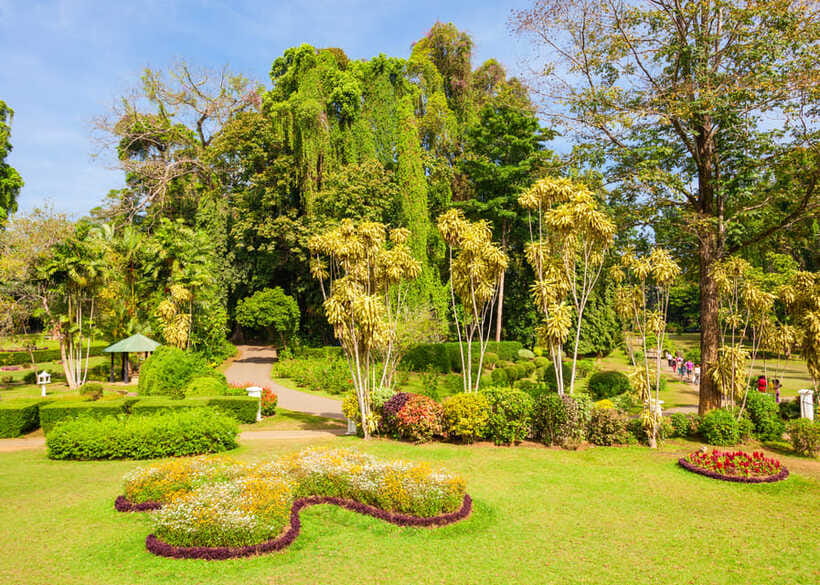
Next is the Botanical Garden of Peradeniya, previously a pleasure garden connected to a Kandyan king in the 16th century and later developed under British influence into a botanical garden. The experience here is slower and calmer than the earlier “stone and stair” days.
It’s also a place for bird watchers. If you like noticing small details instead of just taking big photos, you’ll likely have a good time.
Tea Factory and Ceylon Tea: A Taste-Stop That Actually Fits the Story
You’ll visit a tea plantation and tea factory en route. Sri Lanka is known for Ceylon tea, and this stop gives you a chance to connect brand names to what’s actually happening in the fields.
Look at it this way: after days of temple meaning and heritage ruins, tea is a different kind of cultural thread—work, weather, and a craft that’s built over generations. Even if you just end up sipping once, it’s a satisfying final taste before you return.
If you buy tea, check what you’re getting. Tea can vary a lot, and you’ll get better value if you match what you like (lighter or stronger).
Price and Value: What $295 Covers vs. What You’ll Pay Anyway
The advertised price is $295 per person for a 2-day tour, with pickup/drop-off from the west coast and one night in a standard hotel, plus 1 breakfast and a guide. You also get air-conditioned transport and some skip-the-line handling.
But the big value question is entrances and safari fees. Several major charges are listed as not included, including:
- Sigiriya entrance: USD 35 per person
- Dambulla Temple entrance: USD 10 per person
- Temple of the Tooth Relic entrance: USD 7 per person
- Polonnaruwa entrance: USD 30 per person
- Minneriya National Park safari fee: USD 80 per person
If you add just those named items, you’re looking at roughly USD 162 per person in extras on top of the base price, before considering any additional meals. And meals aren’t included in the base, since lunch and dinner aren’t listed as included.
So is it worth it? For the right traveler, yes—because you’re paying for time-saving and guidance across multiple UNESCO-heavy days. But if you’re budget-tight or you hate surprises, this tour can feel expensive fast.
One honest takeaway from a review: someone compared the total spend (including extras) to the value of the transport and meals and felt the “bang for buck” didn’t match the cost. That’s the risk you take when you book a short, packed route.
My advice: treat the $295 as the start, not the end of the budget.
Tour Pace, Transport Comfort, and the Smart Way to Prepare
This itinerary is built around early starts and heavy content. Expect a lot of driving and long days, with temples, ruins, and safari all mixed into a tight schedule. If you’re someone who needs downtime, you might find Day 2 especially full.
Also, small groups help. This experience is limited to up to 6 participants, and the tour guide is in English. That’s a good size for getting answers without feeling like you’re in a cattle-car lecture.
On comfort: you’ll ride in an air-conditioned vehicle, but one review mentioned the car felt very old and uncomfortable and lacked charging. That’s not guaranteed, but it’s a clue. If you care about phone power or legroom, request vehicle comfort notes when you book.
For what to bring:
- comfortable shoes (Sigiriya is a leg test)
- a light layer for temple shade
- a hat and water
- respectful temple clothes
Who Should Book This (and Who Might Want a Different Plan)
I think this tour is a strong fit if you want:
- a high-impact Cultural Triangle visit in just 2 days
- guided explanations at major ruins and temples
- a real wildlife component via Minneriya jeep safari
- a small-group vibe with an English guide
You might want to skip or change the plan if you:
- hate early mornings and packed schedules
- don’t handle stairs well
- want to budget strictly around the posted price
- are very picky about vehicle comfort and meal quality
If you’re traveling solo and want maximum attention from a guide, the format can work nicely. One review specifically thanked a guide named Fawmy, calling out that their experience felt possible because of his guidance.
Should You Book It?
If you’re okay with a packed 48 hours and you budget for entrance fees, I think this is a solid way to see the Cultural Triangle’s big names plus elephants. The biggest win is the combination: heritage stops that come with context, and a safari that actually puts you in nature.
Just do one thing before you book: calculate the entrance fees and safari fee into your total budget, and plan for lunch/dinner costs. If you do that, the trip stops feeling like a surprise bill and starts feeling like the organized whirlwind it is.
FAQ
What’s the tour duration?
It runs for 2 days.
Where does the pickup happen?
Pickup is included from hotels on Sri Lanka’s west coast. You’ll need to share your hotel name or the pick-up address.
How many people are in the group?
It’s a small group limited to 6 participants.
What language is the guide?
The live tour guide speaks English.
Is this tour fully private?
It’s described as a private-style tour with a tour guide, while also being capped as a small group (up to 6 participants).
What’s included in the price?
Pickup and drop-off from the west coast, one-night standard hotel accommodation, 1 breakfast, air-conditioned ground transportation, a tour guide, guided tours at key sites (including Sigiriya and Dambulla), Minneriya safari arrangement, and visits such as the gem museum and spice/herbal garden walk. Taxes are included too.
Which entrance fees are not included?
Entrance fees not included include Sigiriya, Dambulla Temple, the Temple of the Tooth Relic in Kandy, Polonnaruwa, and the Minneriya National Park safari fee.
Are lunch and dinner included?
No. Lunch and dinner are listed as not included.
Is there a skip-the-ticket-line benefit?
Yes, skip the ticket line is included.
Is free cancellation available?
Yes, you can cancel up to 24 hours in advance for a full refund.