Rama’s trail in Sri Lanka feels personal. This private 7-day tour stitches together Hindu shrines and legend-linked stops from the coast to Galle and Colombo, with a private chauffeur-guide explaining the Ramayana details you’d miss on your own.
I love the Ramayana-focused sites: Munneshwaram, Manavari, Ashoka Vatika, Seetha Amman, and Divurumpola/Agni Pariksha are chosen because they connect directly to Rama, Sita, Hanuman, and Ravana.
I also like the low-stress logistics: hotels plus a/c private transport mean you can show up, pray, look closely, and move on—without wrestling buses and schedules. One possible drawback: a few major attractions charge entry fees, and day 7 is lighter, with fewer stops than earlier days.
In This Review
- Key things to know before you go
- Price and what you’re really buying for $500
- Why the private chauffeur makes this Ramayana route easier
- Day 1: Munneshwaram, Manavari, and Sigiriya’s Rama-linked legend
- Day 2: Ritigala monastery, Kanniya hot springs, and Thirukoneswaram
- Day 3: Dambulla Cave Temple to Kandy’s cultural center
- Day 4: Hanuman’s 16-foot idol and tea country in Nuwara Eliya
- Day 5: Ashoka Vatika, Seetha Amman, Agni Pariksha, and Kataragama
- Day 6: Ussangoda, Rumassala, Galle Fort, and a Colombo city wrap
- Day 7: Kelaniya Raja Maha Vihara and the quiet flight handoff
- Small practical notes that will make your week smoother
- Should you book this Ramayana Epic Tour?
- FAQ
- What is the duration of the Ramayana Epic Tour?
- Where does the tour start and what time?
- Is this a private tour?
- What’s included in the price?
- Are temple or sightseeing entrance fees included?
- What meals are included during the tour?
- Does the tour include pickup?
- Which Ramayana-linked sites are covered?
- Is free cancellation available?
Key things to know before you go
- A chauffeur-guide who ties each stop to Ramayana moments, not just modern tourism.
- Door-to-door comfort with hotels, airport meeting, and a private car plan for long travel days.
- A mix of faith and culture stops, including both Hindu and Buddhist sacred sites on the same route.
- Agni Pariksha and other Sita-linked places get real attention, not quick photo stops.
- Some entries are on you (for example, Sigiriya/Cobra Hooded Cave and several other sites are marked as not included).
- Well-paced final day in Colombo area, finishing at Kelaniya before your flight.
Price and what you’re really buying for $500
At $500 per person for 7 days and 6 nights, this tour is priced for travelers who want the Ramayana trail without the day-to-day transport headache. You’re not just paying for the vehicle; you’re paying for a chauffeur-guide who can connect the places to the epic stories, plus hotel time that smooths out the route across Sri Lanka.
The value is strongest if you hate the idea of figuring transfers, changing buses, and arriving at temples already tired. It’s also a good fit if your group includes people who want cultural context along the way, not just a list of names.
The main thing to budget for is entrance fees and meals not listed in the plan. Even when some locations are marked as free, other key stops show entry fees not included.
You can also read our reviews of more tours and experiences in Colombo.
Why the private chauffeur makes this Ramayana route easier
Sri Lanka’s best temples can be scattered across regions, and the Ramayana sites are no different. On this kind of trip, the “travel time” part of your day can quietly steal your energy. With a private car and a chauffeur-guide who handles timing and navigation, you spend more hours where you actually care—at the shrines, caves, and pilgrimage spots.
This tour also offers guidance in English, Hindi, and Tamil, which matters when you’re trying to understand why a site is considered sacred. I’d personally consider that a big deal for a devotional-themed route. A few named drivers in the tour’s feedback include Premil and Sujee Silva, and their role is clearly more than driving—they’re there to explain what you’re seeing.
One practical perk: a mobile ticket is included, which can make check-in and confirmations simpler while you’re on the move.
Day 1: Munneshwaram, Manavari, and Sigiriya’s Rama-linked legend
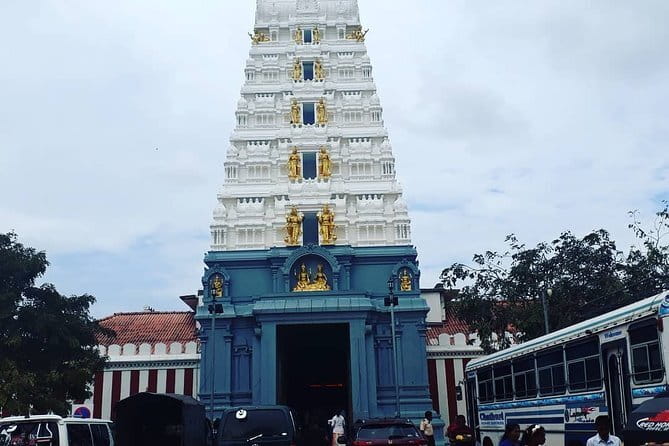
Your week starts with an airport meeting at Bandaranayake International Airport in Colombo, with the day beginning at 8:00 am. From there, you’ll transfer toward Dambulla/Habarana, and the route includes two core Hindu temple stops before you reach the rock-fort area.
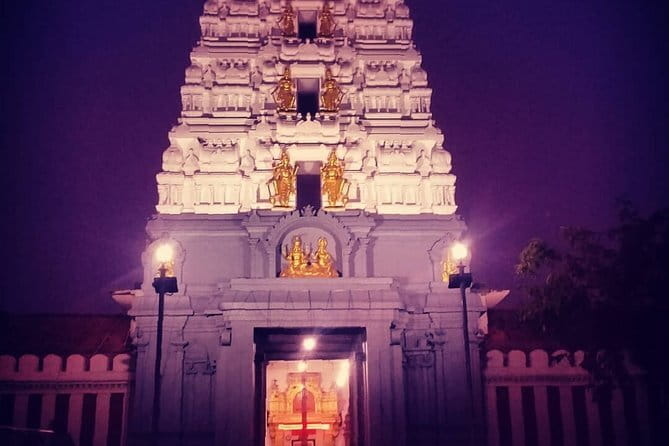
First up is Munneshwaram Hindu Temple. The story ties Rama’s journey and a protective-vibration moment involving Bramhaasthi dosham (a malevolent black shadow). You get a specific mythic reason for why this place is considered the first temple for Lord Shiva, which makes it more meaningful than a quick roadside stop.
Then comes Manaveri (Manavari) Temple, described as the first lingam installed and prayed by Lord Rama, known as Ramalinga Shivan. That “this place is named and remembered for what Rama did here” feeling is exactly what you want from a Ramayana tour.
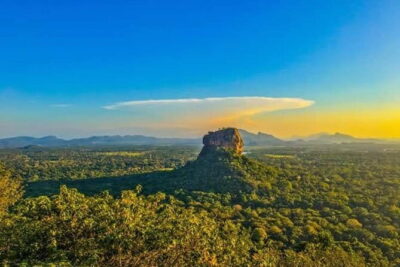
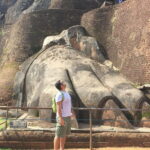
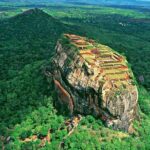
After that, you’ll visit Sigiriya / Cobra Hooded Cave. This part matters because it connects the epic to a very physical setting: pre-historic drawings, cave inscriptions, and the idea that Sita was held in the Cobra Hood Cave. Admission is marked as not included, so it’s worth planning for the extra cost in advance.
Practical note: Sigiriya-area sites can be a bit of a climb and a lot of steps. If your group likes walking slowly and reading inscriptions, this is a great day for that.
Day 2: Ritigala monastery, Kanniya hot springs, and Thirukoneswaram
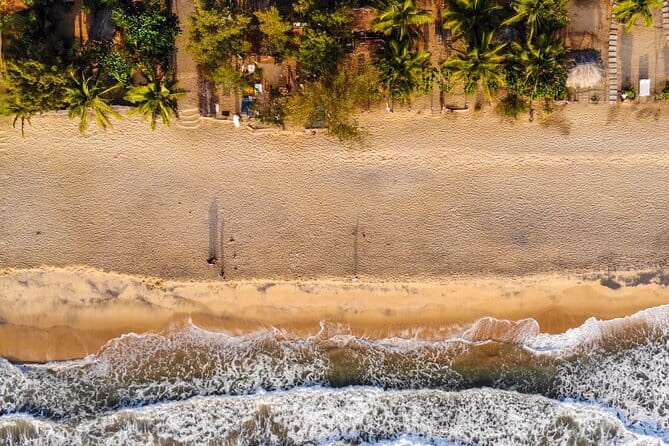
Day 2 is the “myths meet nature” stretch. After breakfast and checking out, you travel toward Trincomalee. You’ll stop at Ritigala Sanjeewanee Mountain and explore the Buddhist monastery there.
Ritigala’s link to the Ramayana is explained through the tradition that Ravana abducted Sita and kept her imprisoned at this site. Even if you’re not a geology person, it’s one of those places where the setting helps the story make sense.
Next are the Kanniya Hot Springs. The legend says Ravana pierced the ground with his trishula when he couldn’t find water for last rites for his mother, and the wells began gushing. Since each well has a different temperature, you’re not just soaking—you’re sampling the variety of the spot.
Then you visit Thirukoneswaram Temple and the adjacent Shankari Devi shrine. The story is specific: the temple is said to have been built by Rishi Agastya on Lord Shiva’s instructions, tied to Ravana’s devotion. Lord Rama is also connected here through prayers meant to remove the malediction related to killing Ravana, who was a Brahmin.
A nice planning benefit: the itinerary includes lunch near the hot springs. Not every tour does that clearly, so it helps avoid the “where do we eat now” scramble.
Day 3: Dambulla Cave Temple to Kandy’s cultural center
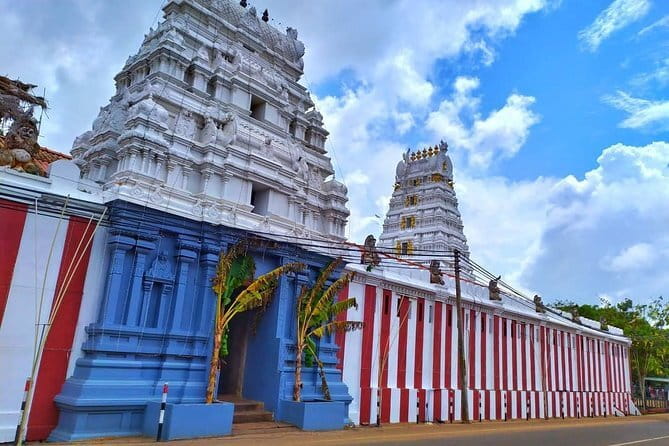
Day 3 shifts from the coast-side myths to Sri Lanka’s inland spiritual landmarks. You’ll move toward Kandy, stopping at Dambulla Cave Temple first.
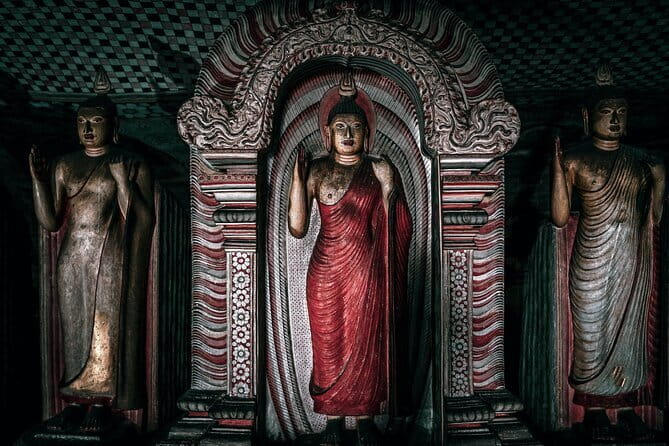
Dambulla Cave / Golden Temple is a living Buddhist site with five cave shrines. The ceilings include painted images of Buddha and bodhisattvas, plus gods and goddesses placed according to the rock’s contours. Even though this isn’t a Hindu-only day, it works well in a Ramayana-themed tour because your guide can point out how Sri Lanka holds layered sacred traditions side by side.
After Dambulla, you’ll continue to Kandy, described as the cultural capital, with a man-made lake (Kiri Muhuda) in the center. The focus is Kandy’s reputation as a heritage city, with time for a city tour plus a Sri Lankan culture dance performance.
If you want one day that feels like it’s balancing devotion with everyday Sri Lankan arts, this is the slot. The dance is a good way to reset your brain after temple-heavy mornings.

Day 4: Hanuman’s 16-foot idol and tea country in Nuwara Eliya
Day 4 is a change of pace, and that’s a good thing. You’ll start at Sri Bhaktha Hanuman Temple, described as connected to Hanuman’s search for Sita. The standout detail is the 16 ft Hanuman idol and the idea of Hanuman’s feet resting on these hills.
This is also one of the stops that feels right for prayer-focused travelers. The epic link is direct, and it’s presented as a place of devotion rather than just a viewing point.
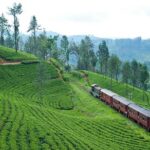
Then you head to Nuwara Eliya, a tea-plantation area. You’ll have a chance to taste Ceylon tea and see how tea moves through steps like withering, rolling, fermentation/oxidizing, drying, sorting, and packing. The itinerary also includes a simple explanation of Sri Lanka’s tea role in the economy and the fact that tea was introduced in 1867.
This is where you’ll feel the slow-down effect of the route. Tea country gives your body a break from long temple corridors, but it still stays culturally grounded.
Practical consideration: tea-process stops can be a bit sales-heavy on some tours. On this one, the plan emphasizes the taste and basic production flow, so it should stay practical as long as you keep an eye on time.
Day 5: Ashoka Vatika, Seetha Amman, Agni Pariksha, and Kataragama
Day 5 is the peak “Sita and tests” day. You start with Gayathri Peedam and Seetha Amman Temple, described as part of Ashoka Vatika.
Gayathree Peedam is framed as a place where Ravana’s son Meghnath regained favor of Shiva through penance and pooja, then received supernatural powers. That focus makes the site feel less like a random temple stop and more like a chapter in the larger story.
Seetha Amman (Sita Temple) is believed to have sheltered Sita during abduction. The plan says devotees visit year-round, and there are additional temple figures for Rama, Sita, Lakshman, and Hanuman by a stream. You’ll also hear about Hanuman’s footprints in the area, noted as small and large to reflect his ability to change size.
After Sita’s story, the day includes a mix of optional and paid/optional-fee choices. You can optionally visit Hakgala Botanical Garden (marked as not included), and the route includes Aghnipariksha / Divurampola—also called the place of oath.
Divurampola / Agni Pariksha is a powerful stop because the story is very specific: Sita undergoes her fire test to prove innocence and purity. The description includes Rama’s response and the idea that the fire-god protects her unharmed. Even if you’ve read the epic before, hearing it tied to this place is what makes the tour format work.
You’ll also see Ravana Ella Falls (short stop) and then travel to Kataragama Temple in Kataragama. Kataragama is framed as the shrine of Lord Karthikeya, requested to protect Rama by weakening Ravana’s weapons at the battlefield.
If your group wants one day that feels like the epic’s drama, this is it. The downside is time density: you’ll be moving through many faith sites and interpretations in a single day.
Day 6: Ussangoda, Rumassala, Galle Fort, and a Colombo city wrap
Day 6 keeps momentum and adds a coastal big-hit finish. After breakfast, you visit Ussangoda Ramayana site, said to be linked to Hanuman’s tail and Ravana’s torching events. The idea that Ussangoda is one of the torched areas, with mention of an airport used by Ravana, gives the stop an unusual, memorable hook.
Then you head to Rumassala, tied to the legend that Rama and Lakshmana were brought back through herbs Hanuman fetched from Himalaya. The plan says parts of the hill fell at five places in Sri Lanka, and Rumassala is one of them.
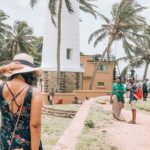
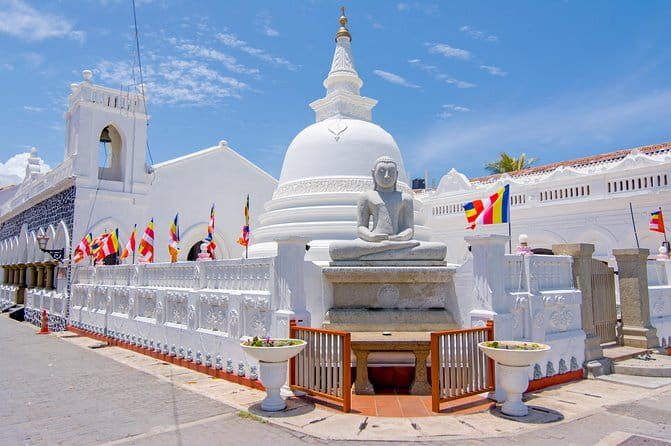
From there, you visit Galle Dutch Fort. This is a UNESCO World Heritage site, and the fort has layered Portuguese and Dutch histories. The plan notes Portuguese building in 1588 and later Dutch fortification. Even if your heart is on the Ramayana side, this is where you get a change from myth-only storytelling into something you can see in stone and ramparts.
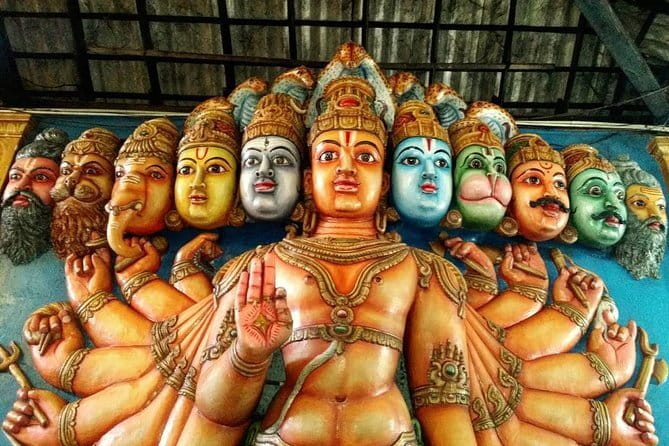
Finally, you go back to Colombo for a city tour. There’s also an optional stop at Lord Anjenayar Temple (Anjaneyar), noted as a special five-faced Panchamuga temple and the first Anjaneyar temple in Sri Lanka. The plan also mentions an Ajanyear chariot festival around end December to early January.
This is a good day if you want the “end of the story” feeling: epic legends, then real-world colonial architecture, then a proper city finale.
Day 7: Kelaniya Raja Maha Vihara and the quiet flight handoff
Day 7 is intentionally lighter. After breakfast, you go to Kelaniya Raja Maha Vihara and the Vibeeshana shrine.
This stop ties directly to the aftermath story: after Ravana’s death, Vibeeshana is said to be coronated as king of Lanka by Lakshmana at Kelaniya. The itinerary also notes murals depicting that crowning, and the Kelani River is mentioned in the Valmiki Ramayana.
The day ends with a drive to the airport about an hour away with no additional stops. If you have a flight later in the day, this layout is practical. If you were hoping for another round of heavy temple time, you might feel day 7 comes fast.
Small practical notes that will make your week smoother
- Wear clothing that works for sacred sites. You’ll likely spend time at temples and shrines where respectful dress helps.
- Plan for extra spending on admissions. Several stops explicitly say admission ticket not included, so keep a buffer.
- Bring patience for long travel days. The tour covers multiple regions, so you’ll trade “free time” for “getting to the next sacred place.”
- Consider your group’s pace. This is private, but people still differ—some want time to read details and sit quietly, others want a faster loop.
- Use the included book as your in-trip guide. Each family receives Ramayanaya in Sri Lanka, and it can help you connect what you hear to what you see.
Should you book this Ramayana Epic Tour?
Book it if you want the Ramayana trail handled in a simple, private way. The strongest reasons are the Ramayana-linked temple choices and the driver-guide explanation built into the day. It’s also a good value if you like the idea of hotel + meals taking care of the basics while you focus on devotion and storytelling.
Skip it (or choose another style of trip) if you hate extra entrance fees, or if you need a very packed schedule every day. Day 7 is lighter by design, and several major stops have entry charges not included, so you’ll want to plan your budget and your expectations.
If your top priority is following Rama and Sita’s footprint without the stress of local transport, this route is a straightforward way to do it.
FAQ
What is the duration of the Ramayana Epic Tour?
The tour runs for 7 days and 6 nights.
Where does the tour start and what time?
It starts at Bandaranayake Intl Airport (Colombo, Sri Lanka) with a start time of 8:00 am.
Is this a private tour?
Yes. It’s a private tour/activity, and only your group participates.
What’s included in the price?
The tour includes 6 nights at hotels with breakfasts and dinners, plus the last night dinner at an outside restaurant. It also includes the service of an English/Hindi/Tamil speaking chauffeur guide and a Ramayanaya in Sri Lanka book for each family.
Are temple or sightseeing entrance fees included?
Sightseeing entrance charges are not included unless specified. Some stops show admission as free, while others note admission ticket not included.
What meals are included during the tour?
Breakfast and dinner are included for 6 days. The last night dinner is also included, noted as outside the restaurant.
Does the tour include pickup?
Pickup is offered, and you are met by representatives at the airport for transfers on Day 1.
Which Ramayana-linked sites are covered?
The tour includes multiple Ramayana-related sacred sites such as Munneshwaram, Manaveri, Ritigala, Thirukoneswaram, Gayathri Peedam (Ashoka Vatika), Seetha Amman Temple, Divurumpola/Agni Pariksha, Ussangoda, Rumassala, and Kelaniya Raja Maha Vihara (Vibeeshana shrine).
Is free cancellation available?
Yes. Free cancellation is available up to 24 hours in advance for a full refund, based on local time.