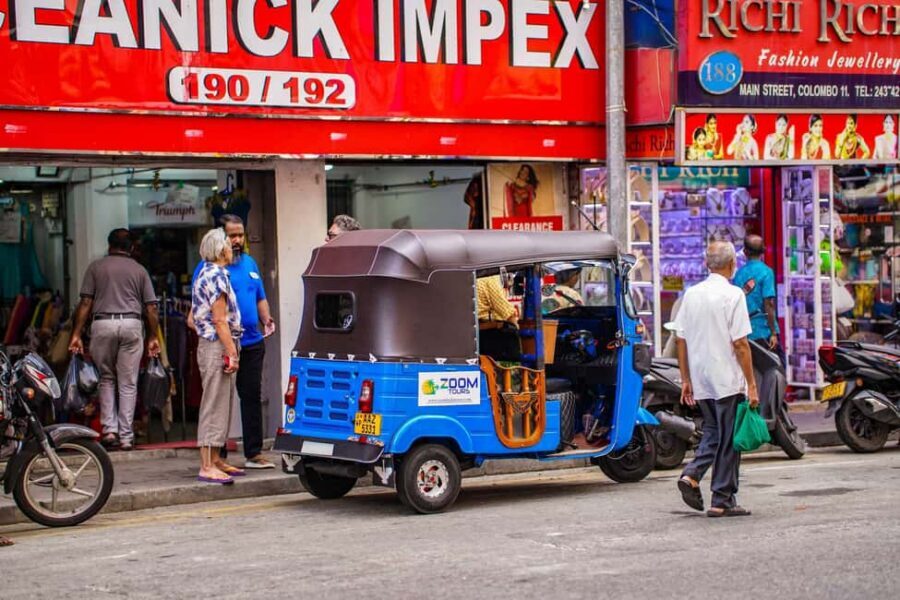
Colombo changes fast when you walk its edges. This private tour with Ajeet De Soyza mixes short walks with drive-by views so you can see how old colonial Colombo sits beside today’s business city.
I like the way Ajeet keeps things practical and human: clear explanations, friendly pacing, and thoughtful answers even when you ask tough questions about Sri Lankan history. I also like the route design because several major stops are free to enter, which helps you keep costs under control.
One thing to consider: you’ll likely pay for a couple of add-on entrances, including Gangaramaya Temple (listed at LKR 400 or USD 2) and the Colombo National Museum (not included).
In This Review
- Key highlights to expect
- Why Colombo Fort to the coast works in one go
- Private pickup, Ajeet De Soyza, and a Q&A-friendly pace
- Dutch Hospital Shopping Precinct: colonial bones you can still touch
- Colombo Fort: business district views with real-city context
- Jami Ul-Alfar Mosque (the Red Mosque) in Pettah
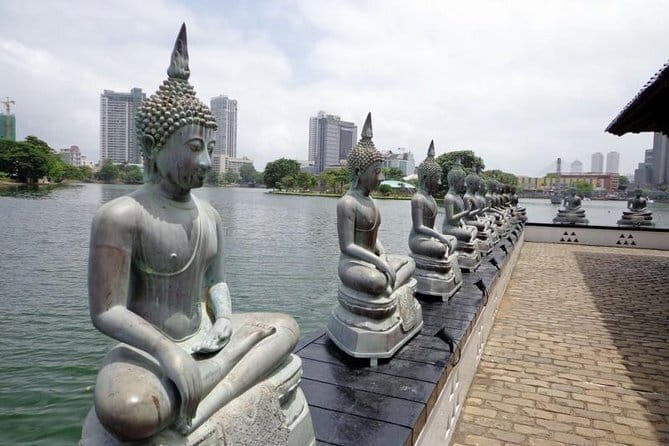
- Gangaramaya (Vihara) Buddhist Temple: a city temple with deep roots
- Bandaranaike Memorial Conference Hall and Independence Square
- Sri Lankan Parliament Complex (New Parliament) and the symbolism of location
- Galle Face Green: short seafront time, big change of mood
- Colombo National Museum: when you want the ticketed cultural anchor
- Price and logistics: does $100 make sense here?
- Who should book this Colombo tour (and who might want a different day)
- Should you book the Private Tour of Colombo with Ajeet De Soyza?
- FAQ
- How long is the Private Tour of Colombo with Ajeet De Soyza?
- Is pickup included?
- Is this a private tour or shared with other groups?
- What’s included in the $100 price?
- Are entrance fees included for every stop?
- Do I need a mobile ticket?
- Are meals included?
- Is the tour affected by weather?
- What is the cancellation policy?
Key highlights to expect
- Private guide, private pace: one group only, so you can ask questions and move when it makes sense for you
- Most stops are free: Dutch Hospital, Colombo Fort, Jami Ul-Alfar Mosque, Independence Square, and Galle Face Green are listed as free
- Walking plus drive-by views: you get context without spending all your time in the car
- Temple + mosque stops inside the city: you’ll see religious landmarks right in the middle of everyday Colombo life
- Comfort details included: bottled water, WiFi on board, and an air-conditioned vehicle
Why Colombo Fort to the coast works in one go
Colombo can feel like a jumble if you only ride past it. This route is built to fix that fast. You start around the Dutch-era Fort area, then shift east through older neighborhoods, and finish with the ocean breeze at Galle Face Green.
The best part is the contrast. The Dutch Hospital shopping precinct shows you colonial architecture that survived and got repurposed. Then you move to financial Colombo at Fort, and later you pivot to national monuments and a seafront park. It’s an efficient way to build a mental map of the city.
You’re not stuck at one “tourist zone” the whole time. The stops are spread out enough that your afternoon feels like a real overview, but not so spread out that the day turns into pure logistics.
You can also read our reviews of more tours and experiences in Colombo.


Private pickup, Ajeet De Soyza, and a Q&A-friendly pace
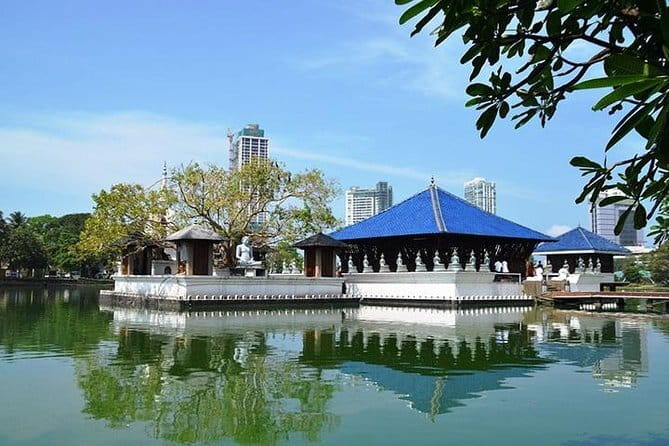
This is a private tour (just your group), and pickup is offered. That matters in Colombo because travel time can swing based on traffic. Having your guide handle the routing, and moving by a mix of walking and driving, keeps the experience feeling smooth.
Ajeet De Soyza is the real engine of the tour. The strongest impression I get from the setup is how seriously he treats your questions. You’ll get straight answers and the broader historical context to go with them, even when the topic gets sensitive or complicated.
That balance is rare. Some tours throw facts at you and call it done. Here, you’re encouraged to ask, and you get explanations that help you connect the dots—Dutch colonial influence, the shape of neighborhoods like Pettah, and how religious architecture sits alongside government and business.
Practical note: because you’ll be switching between short walking segments and time in the vehicle, comfy shoes help. Also, you’re outdoors for parts of the route, so plan for sun and heat.
Dutch Hospital Shopping Precinct: colonial bones you can still touch
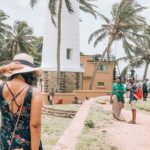
Stop 1 is the Dutch Hospital Shopping Precinct, often just called The Dutch Hospital. It’s described as the oldest building in the Colombo Fort area dating back to the Dutch colonial era in Sri Lanka.
What you’ll like here is how the building still feels like a landmark, not a replica. The key value of this stop is that it sets the tone for everything else you’ll see. You’re not only visiting another site—you’re seeing how the past got reused in modern Colombo.
This stop is listed at about 30 minutes, and admission is free. That makes it a great start point, especially if you want a quick win early in the tour before you commit your attention to more active religious and civic spaces.
A small consideration: it’s a shopping and dining precinct now, so you may notice the area’s modern energy more than you’d get in a pure museum setting. If you want architecture-only, you might spend a bit more time focusing on building details rather than shops.
Colombo Fort: business district views with real-city context

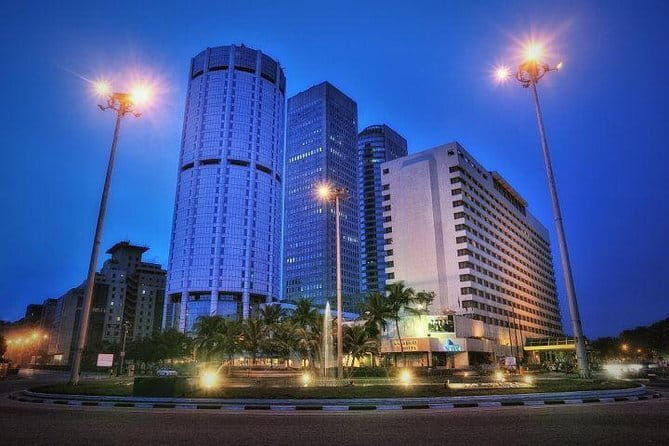
Stop 2 is Colombo Fort, the central business district of the city. It’s also noted as the financial district, home to the Colombo Stock Exchange and the World Trade Centre of Colombo.
This is a smart inclusion because it prevents a common mistake: seeing Colombo as only temples and monuments. Fort anchors the story in economics and modern city planning. Even if you don’t go inside major buildings, the fact that this is where major financial institutions operate gives the neighborhood a clear purpose.
You get about 45 minutes here, and admission is free. The time is useful because you can take in street-level impressions—what surrounds Fort, how people move through the area, and how the city’s modern core feels compared with the colonial heritage you saw at Dutch Hospital.
One drawback to keep in mind: Fort can be more “city scene” than “quiet sightseeing.” If you’re expecting an extended walk through a heritage district, expect more of an urban orientation.
Jami Ul-Alfar Mosque (the Red Mosque) in Pettah
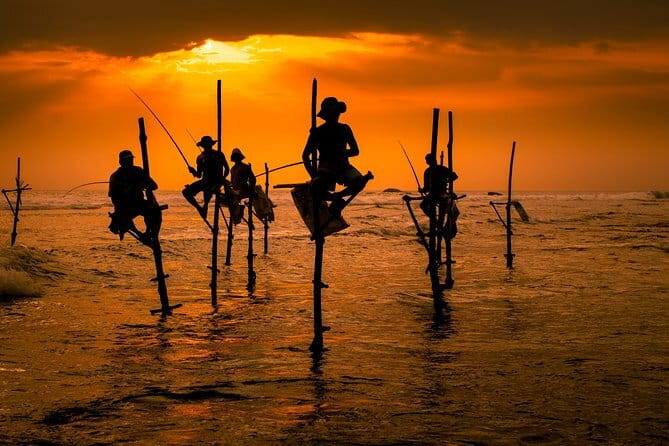
Stop 3 is Jami Ul-Alfar Mosque, also called the Red Mosque. It’s highlighted as one of the architectural wonders of the world, and it’s located in the Pettah district—one of the oldest parts of Colombo.
This stop is short (about 20 minutes) but worth it because the minarets are visible from many streets. In practice, that means even if you arrive and step into the area for a few minutes, you’ll already understand why the mosque is a navigational landmark.
The value of the stop is the contrast it creates with Fort. Fort gives you corporate and institutional Colombo. Pettah’s mosque gives you a sense of older neighborhood rhythm right in the middle of the city.
Admission is listed as free. So you can treat this as a focused “orientation stop” rather than something that demands a long time commitment.
Consideration: because you’re in a living neighborhood, you’ll likely feel the pace of real local life. If you want a very quiet photo stop, this may not be that kind of moment.

Gangaramaya (Vihara) Buddhist Temple: a city temple with deep roots
Stop 4 is Gangaramaya (Vihara) Buddhist Temple, one of the oldest Buddhist temples in Colombo. The information provided links its start to the famous scholar monk Hikkaduwe Sri Sumangala Nayaka Thera in the late 19th Century.
This is the most “time-rich” religious stop on the route (about 30 minutes). The key thing you’ll get here is historical continuity. You’re not only looking at architecture; you’re seeing a temple tied to a named scholar monk and a specific time period, which helps you understand why the site matters.
Entrance fee: the tour data lists an entrance fee of LKR 400 or USD 2 per person for Gangaramaya Temple. That means you should budget a small extra amount on top of the $100 tour price.
You might also find that this stop feels slightly more grounded than the mosque, because it’s framed as a longstanding Buddhist vihara inside the city. That makes it a strong midpoint before the tour pivots to national monuments and seafront open space.
Bandaranaike Memorial Conference Hall and Independence Square
The tour includes a stop at the Bandaranaike Memorial International Conference Hall. It’s described as a convention center built between 1970 and 1973, with details tying it to a gift from the People’s Republic of China in memory of Solomon Ridgew… (the full line is truncated in the tour info, so I’m sticking to what’s clearly stated). Even without the backstory, the building dates alone help you see how recent civic architecture became part of Colombo’s skyline.
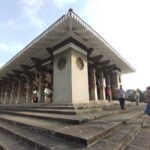
Then you move to Independence Square, with about 30 minutes there. Independence Memorial Hall, also called Independence Commemoration Hall, is listed as a national monument built for commemorating Sri Lanka’s independence from British rule, with restoration of full governing responsibility referenced in the description.
This pair of stops is useful because it shows how Colombo represents the idea of nationhood in physical space. You go from older colonial and religious landmarks into monuments built to mark political identity.
Admission for both Independence Square is listed as free. So you’re paying for time and interpretation, not ticket lines.
A possible consideration: this segment is civic-focused. If your priority is museums and detailed interiors, you might feel this portion is more about seeing the big picture and less about hands-on exploration.
Sri Lankan Parliament Complex (New Parliament) and the symbolism of location
The route also includes the Sri Lankan Parliament Complex, described as the New Parliament Complex. It houses the Parliament of Sri Lanka and is located in Sri Jayawardenepura Kotte, which is noted as the administrative capital, built on an island.
That location detail matters. It signals planning choices and political geography—how the seat of governance got placed and how Colombo’s regional role connects to the broader national setup.
Because this stop appears as part of a larger itinerary, you shouldn’t expect a deep interior visit based on what’s provided. Treat it as a landmark stop where your guide helps connect the site to the theme of independence and modern administration.
If you’re the type who likes architecture-as-politics, you’ll probably enjoy this. If you want museum-grade detail, you may prefer to spend more time later at the National Museum.
Galle Face Green: short seafront time, big change of mood
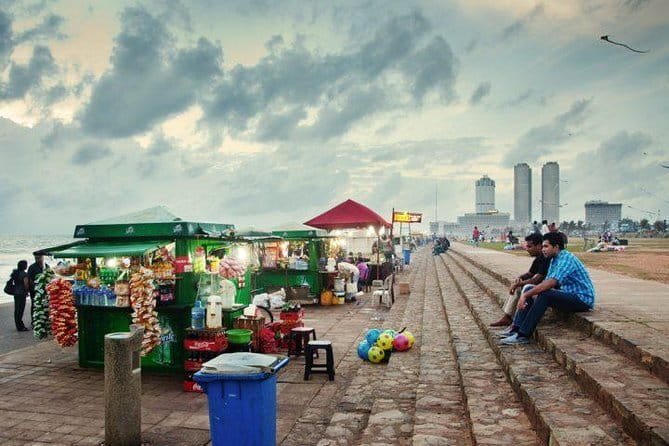
Stop 6 is Galle Face Green, a 5 ha ocean-side urban park stretching 500 m along the coast in the heart of Colombo. You’ll get about 15 minutes here, and entry is free.
This is a perfect reset after monument-focused sightseeing. Even a short stop changes your pace and gives your brain a break from buildings and symbols. You’ll feel the shift to an open public space by the sea, which also helps you understand Colombo’s coastline as part of everyday life.
Fifteen minutes is not enough for a long sit-down picnic, but it’s enough to do the job: get air, see the coast, and orient your mental map of where the city meets the water.
A practical consideration: it’s outdoors. On a hot day, shade and breeze matter—so use the time to cool off and take in the view without overextending yourself.
Colombo National Museum: when you want the ticketed cultural anchor
Stop 7 is the Colombo National Museum, listed at about 1 hour. It’s described as the largest museum in Sri Lanka, with valuable historically important objects including a throne and other historically significant items (the description cuts off mid-word, so I won’t guess beyond what’s clearly stated).
Admission is not included, so you’ll need to buy your ticket separately.
This is the best stop on the day if you want deeper context rather than just surface orientation. The museum can turn the tour into something more satisfying because the city landmarks you saw earlier connect to objects, timelines, and context under one roof.
One drawback to note: since museum admission isn’t included and you only have about an hour, you might have to choose what you prioritize inside. If you’re short on time in Colombo overall, this is still the right inclusion—but manage expectations and pick a focus with your guide if possible.
Price and logistics: does $100 make sense here?
The price is $100 for a private tour lasting about 4 to 5 hours. For that, you get pickup offered, private transportation, bottled water, WiFi on board, and an air-conditioned vehicle, plus all fees and taxes listed as included—while specific entrance fees are called out as not included.
Here’s the honest value picture:
- You’re getting private time with Ajeet De Soyza across multiple major landmarks.
- Several stops are free, which helps overall cost.
- You still have extra entrance costs to plan for: Gangaramaya Temple (LKR 400 or USD 2 per person) and the Colombo National Museum admission (not included).
- Meals are not included, so build a plan for lunch or snacks before or after the tour.
For $100, this is a good deal when you want a tight overview without spending half a day figuring out where to go. It’s also a solid choice if you like Q&A history. The guide’s ability to explain and answer questions adds value that doesn’t show up on a simple stop list.
If you’re traveling solo and you’re comfortable arranging transport and entry tickets yourself, you could build a cheaper DIY route. But if you want someone to connect the dots and keep the day moving, the private format earns its cost.
Who should book this Colombo tour (and who might want a different day)
This tour suits you if:
- You want an orientation through Colombo’s big landmarks without rushing.
- You enjoy city history explained in plain terms, not just signage.
- You appreciate a guide who answers questions thoughtfully, including controversial or sensitive topics.
It might not be ideal if:
- You want lots of museum time. With the National Museum at about 1 hour and admission not included, you’ll likely want more depth if museums are your main focus.
- You’re expecting long stays at each stop. Several stops are 15–30 minutes, which is by design for an overview day.
Also, the experience notes good weather is required. That’s a real factor in Colombo afternoons because you’ll spend time outdoors at multiple stops.
Should you book the Private Tour of Colombo with Ajeet De Soyza?
I’d book it if your goal is to understand Colombo quickly and accurately. The pairing of colonial-era buildings (like Dutch Hospital), civic landmarks (Independence Square and Parliament area), religious sites (Jami Ul-Alfar Mosque and Gangaramaya), and the seafront at Galle Face gives you a clear city picture.
The strongest reason is Ajeet De Soyza. You’re not just checking boxes—you’re getting historical context and answers that feel respectful and grounded. Add in private transport, free-entry stops, and a day that runs about 4 to 5 hours, and the experience feels like good use of limited time.
If you’re okay paying a couple of extra entrance fees and you can plan around weather, this tour is an efficient, well-paced way to see Colombo with someone who knows how to explain it.
FAQ
How long is the Private Tour of Colombo with Ajeet De Soyza?
The tour lasts about 4 to 5 hours.
Is pickup included?
Pickup is offered, and the tour includes private transportation with an air-conditioned vehicle.
Is this a private tour or shared with other groups?
This is private. Only your group will participate.
What’s included in the $100 price?
Bottled water, private transportation, WiFi on board, all fees and taxes as listed in the included section, and a mobile ticket.
Are entrance fees included for every stop?
Not all. Gangaramaya Temple has an entrance fee listed as LKR 400 or USD 2 per person, and Colombo National Museum admission is not included.
Do I need a mobile ticket?
Yes, the tour includes a mobile ticket.
Are meals included?
No. Meals are not included.
Is the tour affected by weather?
Yes. The experience requires good weather. If it’s canceled due to poor weather, you’ll be offered a different date or a full refund.
What is the cancellation policy?
Free cancellation is available. You can cancel up to 24 hours in advance for a full refund, based on the experience’s local time.