This route mixes top-name sights with real outdoor time, from Sigiriya climbs to whale watching. What I like is how the planning feels built for your group, not a generic bus schedule, with coordinators such as Sarani and Sravani helping tailor hotels and logistics. I also like that breakfast and most dinners are taken care of, so you spend less of each day hunting for food.
One drawback to note: site entrance fees and activity costs are not included, so you’ll want extra cash or card ready for tickets at places like Sigiriya, cave temples, and rafting-style activities.
In practice, the trip also leans “active and early,” since you start sightseeing on a tight timeline (the operating window runs daily from 7:00 AM to 10:00 PM). Still, it stays private—only your group—so pacing is easier to manage, especially if you’re with family or a mixed-age crew.
In This Review
- Key things I’d prioritize before you go
- What $375 covers (and what you’ll likely add)
- Day 1: Sigiriya Rock Fortress and Pidurangala’s best angle
- Sigiriya Ancient Rock Fortress (about 3 hours)
- Pidurangala Rock (about 2 hours)
- Day 2: Dambulla by hot air balloon, then cave-temple quiet
- Dambulla hot air balloon ride (about 4 hours)
- Dambulla Cave Temple, also called the Golden Temple (about 2 hours)
- Matale spice garden (about 1 hour, listed as free)
- Day 3: Kandy’s Sacred Tooth Relic and the Royal Botanical Gardens
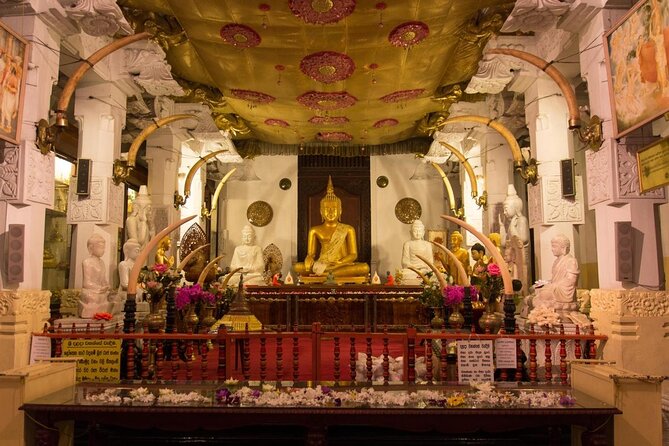
- Temple of the Sacred Tooth Relic (about 1 hour)
- Royal Botanical Gardens (about 2 hours)
- Day 4: Tea-country stops plus Kithulgala white-water rafting
- Nuwara Eliya and Hakgala Botanical Gardens, plus Seetha Amman Temple
- Kithulgala water rafting on the Kelani River (about 2 hours)
- Day 5: Whale and dolphin watching, then Galle Dutch Fort
- Whale and dolphin watching area in Sri Lanka
- Galle Dutch Fort (about 1 hour, listed as free)
- Day 6: Madu River mangroves and Bentota water sports
- Madu River safari by Buddhi (about 2 hours)
- Sunshine Water Sports Centre in Bentota (about 2 hours)
- Day 7: Colombo sightseeing and shopping, then airport drop
- The planning quality: names you’ll hear when things go right
- Should you book this private 7-day outdoor tour?
- FAQ
- FAQ
- Where does the tour start and where do I end?
- How long is the tour?
- Is this tour private?
- What’s included in the price?
- Are entrance fees and activity tickets included?
- Are any activities listed as free?
- What is the cancellation policy?
- What are the operating hours?
Key things I’d prioritize before you go
- Private, small-group feel: it’s set up so only your group participates, which usually means fewer headaches and more flexible timing.
- Meals are mostly handled: you get 7 breakfasts and 6 dinners, plus 3-star and above accommodations.
- Outdoor highlights, not just temples: rafting on the Kelani River, Madu River mangrove safari, Bentota water sports, and whale/dolphin watching.
- Some major costs are added later: entrance tickets are not included, so budget for them.
- Real people behind the planning: multiple group experiences mention coordinators like Sarani and Sravani, plus drivers such as Kasun and Sampath.
What $375 covers (and what you’ll likely add)
At $375 for about 7 days, the value here is the “package muscle”: pickup is offered, you get a mobile ticket, and you’re placed into a rhythm with 3-star and above lodging plus breakfast and dinner.
What’s important: the tour price is not the full cost of the trip. The plan explicitly lists that activities and site entrance fees are not included. So even if some activities are marked free inside the day-by-day schedule (like the Dambulla hot air balloon ride and Matale spice garden), you should still expect to pay on the ground for major sites such as:
- Sigiriya (and the nearby viewpoint at Pidurangala)
- Dambulla Cave Temple
- Kandy’s Temple of the Sacred Tooth Relic
- Botanical gardens and other stops that commonly have ticket booths
If you’re the type who hates surprise costs, I’d treat this as a “base package” and add a separate budget line for admissions and paid activities.
You can also read our reviews of more tours and experiences in Negombo.
Day 1: Sigiriya Rock Fortress and Pidurangala’s best angle
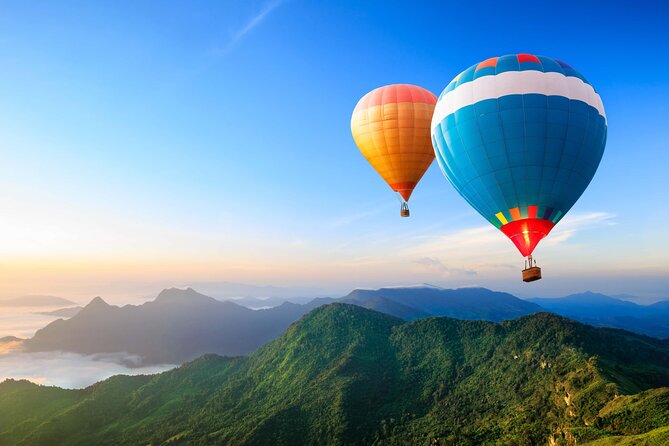
This is a strong opening day because Sigiriya is one of Sri Lanka’s most recognizable ancient places, and you get both the main site and the better photo viewpoint.
Sigiriya Ancient Rock Fortress (about 3 hours)
You’ll spend roughly 3 hours at Sigiriya, known locally as the Eighth Wonder of the World. It’s not just a walk-up climb—you’re dealing with a layered historic site where pathways, viewpoints, and ruins all stack together.
A practical tip: this stop is physical. Wear shoes with grip and plan for sun and stairs. If anyone in your group has mobility limits, you’ll want to set expectations early with your driver/guide about how much climbing is realistic.
Pidurangala Rock (about 2 hours)
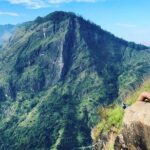
Pidurangala sits next to Sigiriya and is often the better vantage point for watching Sigiriya rise in the distance. The payoff here is perspective: you’re not just inside the story, you’re viewing the whole scene as a single composition.
If you’re chasing photos, this is one of the more “worth it” segments of the week because you get the skyline view without needing to treat it like a museum stop. Just bring water and a hat.
Day 2: Dambulla by hot air balloon, then cave-temple quiet
Day 2 is built around two moods: one is “up in the air,” the other is “inside history.”


Dambulla hot air balloon ride (about 4 hours)
The schedule lists the hot air balloon ride over the city, with admission ticket shown as free. Even if you’re not a thrill-seeker, balloon time in Sri Lanka tends to be one of those experiences that changes how you see the terrain—because you finally understand where the roads, towns, and valleys sit in relation to each other.
Because it’s a time-sensitive activity, you’ll want to be punctual at pick-up time and keep your morning free of delays.
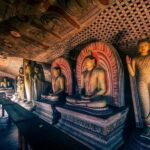
Dambulla Cave Temple, also called the Golden Temple (about 2 hours)
Then you shift into the Dambulla Cave Temple, a World Heritage Site. Expect temple spaces where statues, murals, and atmosphere blend into a quieter kind of wonder.
The drawback: cave-temple visits can get crowded and warm, and the walking can add up after a morning balloon ride. If your group is sensitive to heat, go slow and pace breaks into your plan.
Matale spice garden (about 1 hour, listed as free)
This stop is short and very hands-on: indigenous spices are grown, and you learn how they’re cultivated and processed for visitors, including opportunities to purchase.
I like this because it’s not just shopping—it’s a quick primer on what you’re eating and smelling in Sri Lanka. One-hour format means you can enjoy it without losing your whole day.
Day 3: Kandy’s Sacred Tooth Relic and the Royal Botanical Gardens
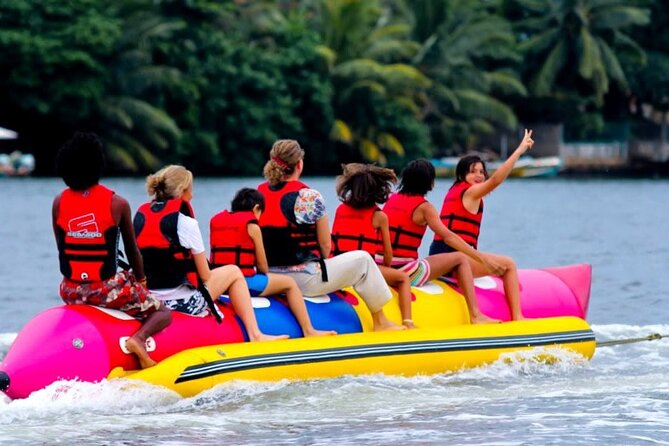
Kandy gives you a classic pairing: an iconic Buddhist temple plus a garden built for wandering.
Temple of the Sacred Tooth Relic (about 1 hour)
This temple, known as Sri Dalada Maligawa, sits in the royal palace complex of the former Kingdom of Kandy. It’s one of those places where the setting matters as much as the temple itself: you’re inside a place with deep cultural weight.
Practical thought: dress codes are common for sacred spaces, so plan for shoulders and legs being covered. Bring something light to adjust as weather changes.
Royal Botanical Gardens (about 2 hours)
The Royal Botanical Gardens are massive and well-maintained, with more than 4,000 species of plants. That scale changes your approach: instead of hunting one highlight, you get to wander and let the garden organize your time.
If your group loves nature photography, it helps to set a meeting point for the garden’s “must-see” areas so you don’t lose people while trying to capture every angle.
Day 4: Tea-country stops plus Kithulgala white-water rafting
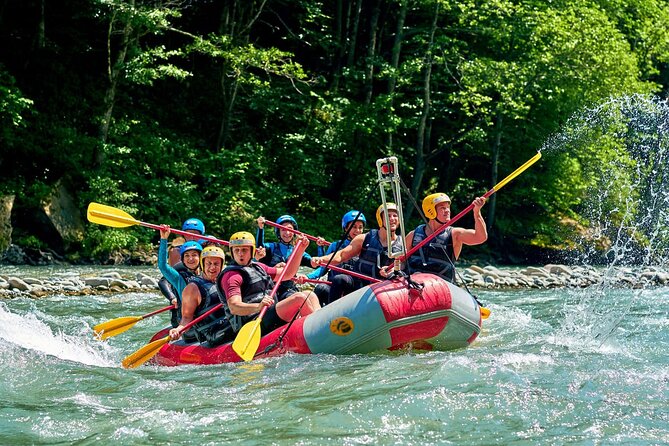
This day is where the “outdoor tour” part really shows up. You’re in the central hills, then you swing toward adrenaline on the Kelani River.
Nuwara Eliya and Hakgala Botanical Gardens, plus Seetha Amman Temple
Nuwara Eliya is the tea-country city in the central hills, and the plan includes Hakgala Botanical Gardens. In the description, Hakgala is known for roses and tree ferns, and it shelters monkeys and blue magpies.
The key value here is variety. You get “cooler climate feeling” planning, a garden that looks and smells different than the city gardens, and a Hindu temple stop (Seetha Amman Temple) for cultural contrast.
I’ll add one caution: hill weather can change quickly. Pack a light layer even if it looks warm at the start.
Kithulgala water rafting on the Kelani River (about 2 hours)
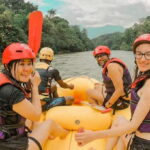
Kithulgala’s main attraction is white-water rafting on the Kelani River. The listing frames it as the big activity, plus other sports for confidence.
This is the day you should think about physical comfort. If you’re not sure about rafting conditions, tell your coordinator in advance so they can plan the right level for your group.
Day 5: Whale and dolphin watching, then Galle Dutch Fort
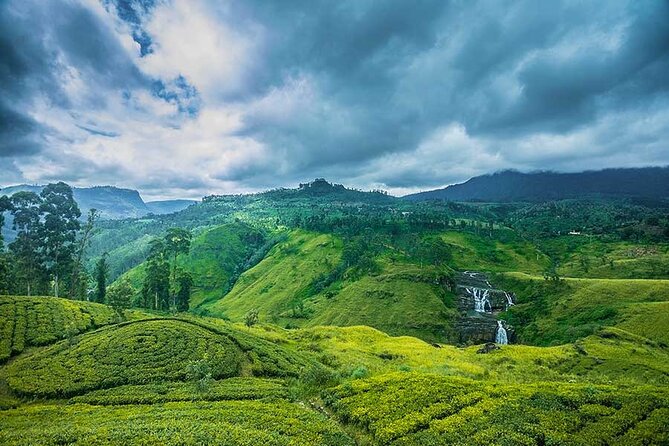
This day is split between open water and a fortified old town atmosphere.
Whale and dolphin watching area in Sri Lanka
The plan points to the three main whale and dolphin watching zones: Mirissa (south-west), Trincomalee (north-east), and Kalpitiya (northwest). It also notes that species like Bryde’s whales and sperm whales can sometimes be spotted opportunistically.
What you should know: whale watching is never guaranteed. Your best move is to keep your schedule flexible and dress for changing sea conditions. If your group hates early starts, you’ll want to mentally prepare.
Also, since the description doesn’t explicitly list a ticket status for the whale activity, I’d treat it as a “possible extra cost” until confirmed.
Galle Dutch Fort (about 1 hour, listed as free)
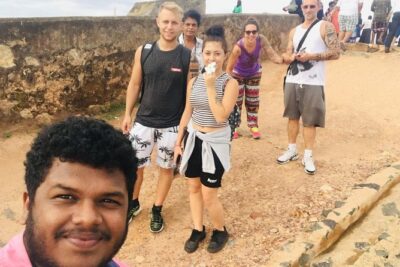
Then you get Galle Dutch Fort, with a short, high-impact visit. The fort’s story is Portuguese first in the 16th century, then Dutch fortifications in the 17th century.
One hour is perfect if you want the main walk without turning the day into a long museum circuit. If you enjoy wandering, you can spend time along the fort edges and soak up the mix of architecture and ocean air.
Day 6: Madu River mangroves and Bentota water sports
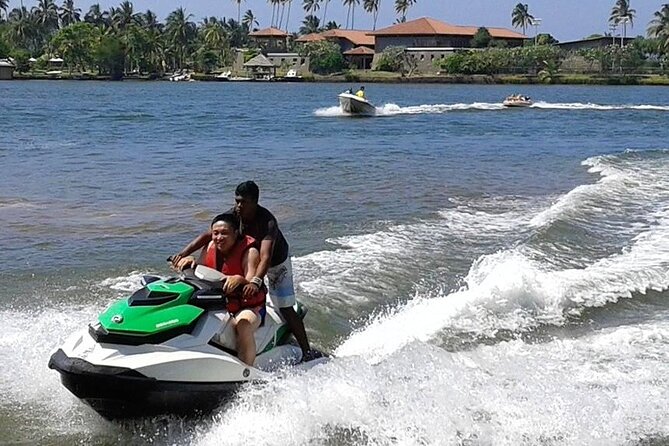
Day 6 is about ecosystems and playtime: mangroves for nature, then water sports for energy.
Madu River safari by Buddhi (about 2 hours)
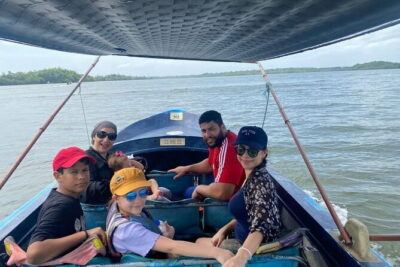
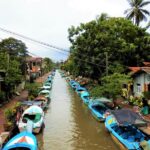
You’ll ride through the estuary of the Madu Ganga river, described as a complex coastal ecosystem of mangroves and islands. This kind of environment is exactly why Sri Lanka’s waterways feel different from “just another boat ride.”
The value for you is slow travel. You get time to look, notice, and understand the ecosystem better than you would from a viewpoint. Wear clothes that can handle mist.
Sunshine Water Sports Centre in Bentota (about 2 hours)
Next up: water sports. The plan lists 14 activities and calls out windsurfing, jet skiing, speed boat rides, kite surfing, and lagoon fishing.
This is where you should match your interest to your body. If your group is mixed—someone wants jetski, someone prefers a calmer option—this kind of center can often support that, as long as you clarify preferences with your operator ahead of time.
The listing also notes admission tickets for these are not included, so budget for participation.
Day 7: Colombo sightseeing and shopping, then airport drop
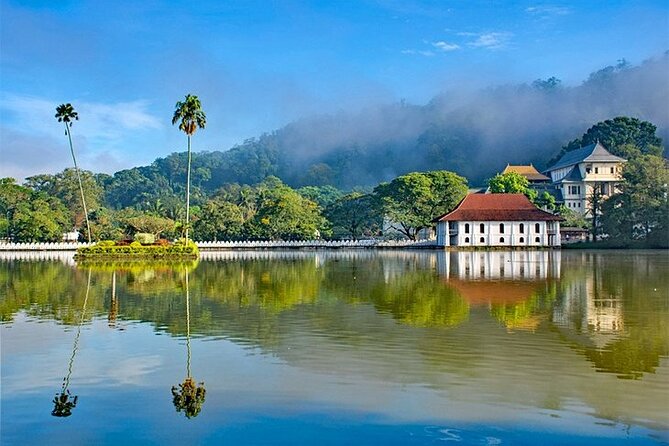
Your final day is for city sights plus shopping, then you’re dropped at the airport.
If you’ve saved your best bargaining energy for the end, Colombo is a good place to do it. The practical win: you’re not rushed between distant regions on the last day, because the plan ends in the capital area and focuses on finishing strong.
Also, dinner isn’t listed as included for this last day (breakfast is 7; dinners are 6), so plan to eat close to your schedule on your way out.
The planning quality: names you’ll hear when things go right
A big reason this tour gets strong word-of-mouth is not just the sights—it’s the people coordinating them.
I’d pay attention to the fact that Flywing staff named in group experiences include coordinators like Sarani and Sravani, and drivers/guide-cum drivers like Kasun and Sampath (with English and Hindi speaking support mentioned). That matters because it often determines whether you feel supported when schedules tighten or when you need small changes.
There’s also a reported theme of adjusting when conditions change. One group described how the team handled an itinerary right after major floods, keeping safety and comfort in mind. For you, that’s a reassuring signal: this is not a “set it and forget it” operation.
Should you book this private 7-day outdoor tour?
I’d book it if you want a private Sri Lanka week that hits the classics (Sigiriya, Dambulla, Kandy, Galle) and also includes outdoor action (ballooning, rafting, mangroves, water sports, and whale/dolphin watching). The mix is the point: it’s not temple-heavy all the way through, and it doesn’t ignore the water and outdoors.
Skip or rethink it if your travel style is low-walking, low-cost, and no-surprises. The big sites and activities aren’t included in price, and rafting plus hill days mean you need decent energy.
If you do book, ask for a clear checklist of which stops require paid admissions in your exact package, and confirm timing for the hot air balloon and whale watching so you can plan your day without stress.
FAQ
FAQ
Where does the tour start and where do I end?
The tour starts in Negombo, and it ends with a Colombo sightseeing and shopping tour followed by an airport drop.
How long is the tour?
It’s listed as 7 days (approx.).
Is this tour private?
Yes. It’s a private tour/activity, and only your group participates.
What’s included in the price?
Breakfast is included for 7 days and dinner is included for 6 days. Pickup is offered, and you receive a mobile ticket. Accommodations are 3-star and above.
Are entrance fees and activity tickets included?
No. Activities and site entrance fees are not included.
Are any activities listed as free?
Some items in the schedule are shown as free, such as the hot air balloon ride over Dambulla and the spice garden at Matale, and Galle Dutch Fort is marked free. Other sites are not marked free.
What is the cancellation policy?
Free cancellation is allowed up to 24 hours in advance for a full refund. If you cancel less than 24 hours before the start time, the amount paid is not refunded.
What are the operating hours?
The listed operating window is Monday to Sunday, 7:00 AM to 10:00 PM.