Negombo is the kind of place where the street life tells the story. This private tuk-tuk city tour strings together temples, churches, canal views, and working coastal industries in about 4 hours. You get a local driver who knows how to move through the town without turning every stop into a sales pitch.
I really like two things here: the mix of religious and everyday stops (so it feels more like real Negombo than a checklist), and the flexibility that comes with having a driver who can adjust when you ask. It also helps that the vehicle style and driving get praised a lot, including safe driving and a clean, well-kept tuk tuk.
One possible drawback: it’s not a sit-down, long-meal tour. If you want slow museum time or lots of downtime on a beach, you’ll have to build that yourself after the tour ends.
In This Review
- Key things you’ll enjoy most
- Why Negombo at tuk-tuk pace works so well
- The quick “outside town” start: mosque road and Angurukaramulla Temple
- Walking the Sea Street mood at Wellaweediya
- St. Mary’s Church murals on Grand Street
- Dutch Fort: the colonial wall and the watch tower
- Dry fish processing beach: smells, work, and how locals earn
- Lagoon fishing village via the lagoon bridge
- Browns Beach as a low-key finish
- Guide quality that can change the whole tour
- What’s included, what costs extra, and how to plan a smooth afternoon
- Who should book this Negombo tuk-tuk tour
- Should you book the Negombo City Tour by Tuk Tuk?
- FAQ
- How long is the Negombo City Tour by Tuk Tuk?
- What does it cost per person?
- Is hotel pickup and drop-off included?
- Is this tour private or shared?
- What is included for entry fees?
- Is water provided?
- Are driver tips included in the price?
- What are the tour’s operating hours?
- How does confirmation work after booking?
- Can I cancel for a full refund?
Key things you’ll enjoy most
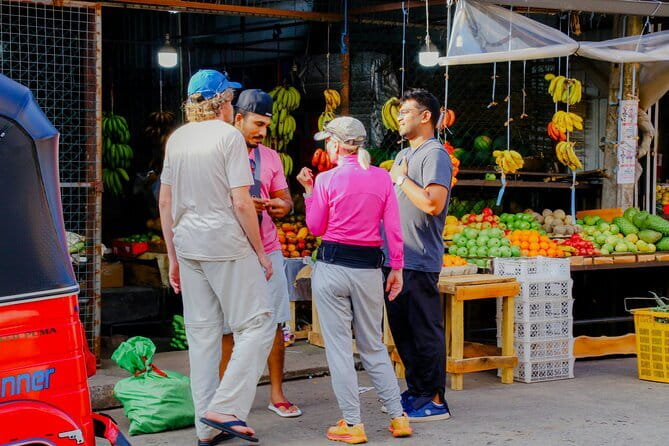
- A private ride for your group: only your party, so you can set a comfortable pace.
- Iconic plus local stops: temples, colonial remnants, fish processing, and fishing village views.
- Frequent photo opportunities: the stops are the kind people love to capture, from church murals to lagoon bridge fishing.
- Practical guide behavior: helping with pictures and staying on top of comfort in the heat shows up again and again in the feedback.
- Pickup and drop-off inside Negombo: you don’t waste your limited time wrestling with transport.
Why Negombo at tuk-tuk pace works so well
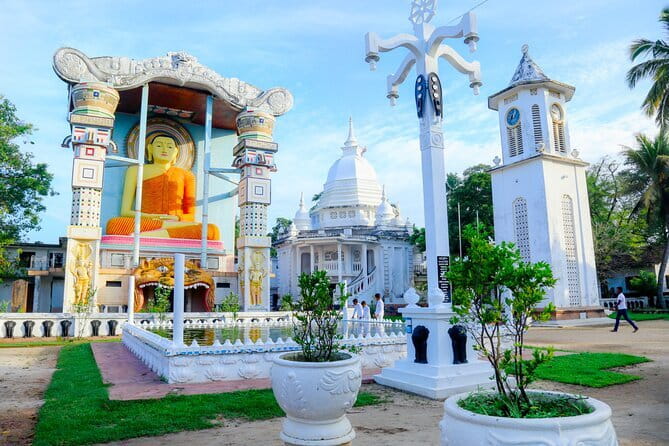
Negombo can feel like “just a transit stop” if you only grab a beach moment. This tour treats it like a destination, using the tuk-tuk as the right tool for short distances and quick turns. In a few hours, you’ll cover religious landmarks, colonial-era traces, and working coastal zones.
The timing matters. With an approx. 4-hour duration and multiple short stops, you don’t get stuck in one place too long. Instead, you get a clear sense of how Negombo is built: faith sites inland, colonial walls near the coast, and livelihoods right on the water.
Value-wise, $28 per person is easiest to judge by what you’re getting: a private ride with a local guide plus hotel pickup/drop-off within Negombo. Even with driver tips not included, it still stacks up well for a guided, multi-stop afternoon.
You can also read our reviews of more tours and experiences in Negombo.


The quick “outside town” start: mosque road and Angurukaramulla Temple
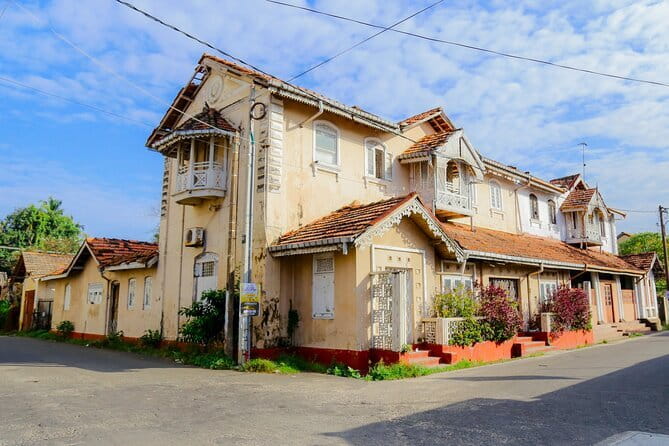
You begin with a short site-seeing ride right outside the city. This is a smart opener because it gets you oriented fast, before you start stepping into the main cluster of landmarks.
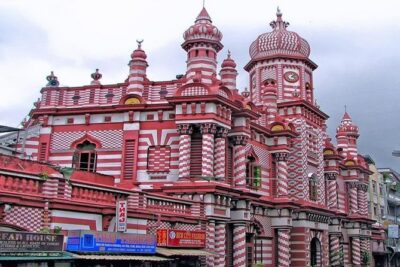
You’ll pass the Negombo Grand Mosque, then visit Angurukaramulla Buddhist Temple. This pairing sets an early tone for Negombo: different religious spaces, side-by-side in daily life, not separated into tourist zones.
What to expect here:
- You’ll get a calm introduction and a chance to see the area as locals experience it.
- The temple visit is a key culture moment, and it’s one of the places that helps the whole tour feel grounded.
A practical note: religious sites are often the most photogenic spots, but also the easiest places to accidentally act too casual. Plan to dress respectfully and keep your voice low.
Walking the Sea Street mood at Wellaweediya
Next comes Wellaweediya and the cultural stretch of Sea Street. You’ll drive along the Dutch Canal to enter Sea Street, which is where Negombo’s layered past feels visible through everyday life.
This area is described as lined with Roman Catholic churches and Hindu shrines, all sitting along the seaside corridor. It’s the kind of place where architecture and routine meet: you’re not only looking, you’re watching how people live near the water.
Why I like this segment for your trip:
- It connects the dots between coast, faith, and colonial-era infrastructure.
- The Sea Street stops keep the tour from becoming too “religion-only” or too “industry-only.”
Time here is shorter, around 30 minutes. That’s good if you’re trying to see a lot, but it also means you should pay attention to details immediately rather than expecting a long linger.
St. Mary’s Church murals on Grand Street
After the canal and seaside corridor, you’ll visit St. Mary’s Church on Grand Street. This is a historical church with very special roof paintings by local painters, which is why it often becomes the tour stop people talk about most.
You’ll have about 20 minutes at this church. That’s not a long time, but for murals and colonial-era architecture, it’s usually enough to see the key features if you go in with intention.
How to get the most from it:
- Look upward early, since murals can be easy to miss if you rush.
- Use your time for both the roof paintings and the broader exterior/architecture lines, not just one corner.
One thing to consider: church interiors can be bright or dim depending on light angles. Bring your phone settings time or be ready to take a couple of test shots.
Dutch Fort: the colonial wall and the watch tower

Then you’ll move to the Dutch Fort area. Negombo was one of the larger colonial forts in its era, and today you can still see an intact wall and a watch tower dating back to the 17th century.
The tour also points out how the English used bricks from the fort for a prison later on. That detail matters because it turns a “wall you pass by” into a specific story about how buildings were reused.
Expect a shorter stop (about 10 minutes), which is typical for fort remnants. You’re mainly collecting the shape of the place: the wall line, the watch tower feeling, and the sense of what the colonial layout was trying to protect.
If you’re the type who loves photos of texture, this is a good moment. Walls and towers are dramatic even in ordinary weather.





Dry fish processing beach: smells, work, and how locals earn

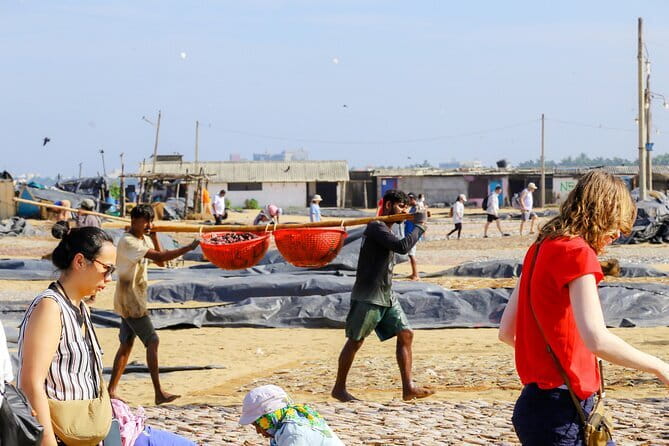
Now you shift from colonial stone to something very real: the Negombo Dry Fish area. This is described as an active beach filled with dried fish processing activity, and yes, it comes with a pungent scent.
The payoff is that you see one of the cottage industries in Negombo. In other words, this isn’t a staged “tour market.” It’s work that happens every day, which is exactly what makes this kind of stop meaningful.
You’ll spend about 15 minutes here, with the admission ticket included. That short time works well because it’s long enough to understand the process and take pictures, but short enough that the smell doesn’t take over your whole afternoon.
What to do if you’re sensitive:
- Keep your expectations realistic. This is industrial coastal life, not a souvenir stop.
- If you want photos, ask your guide to time it with fewer crowds.
Lagoon fishing village via the lagoon bridge

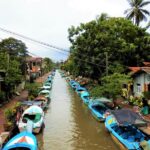
Next, the tour heads to Negombo Lagoon, where you cross the lagoon bridge into a fishing village setting. This part is about watching fishing as a daily practice, including simpler lagoon fishing activities at the bridges.
You’ll have about 40 minutes here, with admission included. That longer window is key because lagoon life isn’t something you can fully “get” in five minutes. Even if you don’t fish, you can watch the rhythm—people moving, rods set, boats and gear shifting through the day’s work.
The tour also mentions passing Lellama, described as a wholesale fishing spot. Whether you’re buying anything or not, it helps you understand the supply chain behind what ends up on plates later.
If you love photos, the bridge vantage points can be great. If you’re traveling with kids, this is usually one of the easiest segments to keep them engaged because they can see actions happening, not just buildings.
Browns Beach as a low-key finish
Finally, you end at Browns Beach. This is a public beach park area with beach food carts, and it’s described as clean with a long stretch of beach toward the hotel zone.
The stop is about 20 minutes and admission is free. Think of it as a decompression period: you’ve seen churches, temples, colonial walls, and fishing work. Now you get a little sea air and an easy end point before heading back.
For your planning:
- If you still want lunch or a drink, this is a logical place to add it.
- If you prefer a quieter beach moment, you can also use this final stop to stretch legs and walk a bit before you go back.
Guide quality that can change the whole tour
This tour’s reputation is strongly tied to the guide experience. Names that show up include Fernando and Robin Fernando. The consistent themes: friendliness, courtesy, safe driving, humor, and the ability to handle changes when you ask.
One detail I think matters more than it sounds: the tuk-tuk is described as clean and “tricked out,” including a sound system used while driving. That kind of small comfort can make a ride feel fun instead of just functional.
Communication also gets praised. People mention using WhatsApp to adjust plans, which is huge if you decide you want an extra stop or a different timing moment while you’re already out in town.
Also, one practical point from the feedback: guides help with pictures and make sure you’re comfortable in heat. That’s not luxury. In Negombo, it’s often the difference between enjoying the day and feeling worn out.
What’s included, what costs extra, and how to plan a smooth afternoon
Here’s the practical breakdown you’ll care about most:
Included:
- Private tuk-tuk with a local guide
- Free hotel pickup and drop-off within the Negombo area
- A bottle of water
- Admission tickets: some stops are marked free, and others are included (notably St. Mary’s Church, Negombo Dry Fish, and Negombo Lagoon)
Not included:
- Driver tips
Because tips aren’t included, I treat this like any guided local experience: plan a bit of cash for the end. You don’t need to overthink it, but it’s smart to have some ready so you don’t scramble.
Also, the tour runs daily from 8:00 AM to 5:00 PM, so you can fit it after arrival or before a later departure day.
If you value flexibility, this is worth booking earlier rather than later. The cancellation option is free up to 24 hours in advance for a full refund, but you still want to lock the time that fits your route.
Who should book this Negombo tuk-tuk tour
This is a great choice if:
- You want an efficient half-day introduction to Negombo
- You like guided stops that combine religious sites with everyday coastal life
- You don’t want to handle transport across multiple locations on your own
- You want good photo moments without committing to long museum-style timelines
It might not fit as well if:
- You want long, slow visits with lots of downtime
- You’re strongly sensitive to strong coastal smells (the dry fish area can be intense)
- You prefer purely beach-only time without cultural stops
Should you book the Negombo City Tour by Tuk Tuk?
I’d book it if you want a guided way to understand Negombo beyond the beach. The value is in the mix: colonial traces, faith landmarks, and working fishing industries, all delivered through a private ride that keeps the pace human.
Choose this tour with confidence if you like authenticity and you’re comfortable with short stops. The itinerary is built to keep momentum while still giving you enough time to actually see what’s in front of you, especially at the places people remember: St. Mary’s Church murals, Dutch Fort walls, dry fish processing, and lagoon bridge fishing.
If you want, tell me your travel month and where you’re staying in Negombo, and I can suggest the best time window to start your 4-hour run.
FAQ
How long is the Negombo City Tour by Tuk Tuk?
It runs for about 4 hours.
What does it cost per person?
The price is $28.00 per person.
Is hotel pickup and drop-off included?
Yes. Pickup and drop-off within the Negombo area are included.
Is this tour private or shared?
It is private. Only your group will participate.
What is included for entry fees?
Entry is free for some stops, and tickets are included for St. Mary’s Church, Negombo Dry Fish, and Negombo Lagoon.
Is water provided?
Yes. A bottle of water is included.
Are driver tips included in the price?
No. Driver tips are not included.
What are the tour’s operating hours?
The tour runs Monday through Sunday from 8:00 AM to 5:00 PM.
How does confirmation work after booking?
Confirmation is received at the time of booking.
Can I cancel for a full refund?
Yes. You can cancel up to 24 hours before the experience for a full refund.