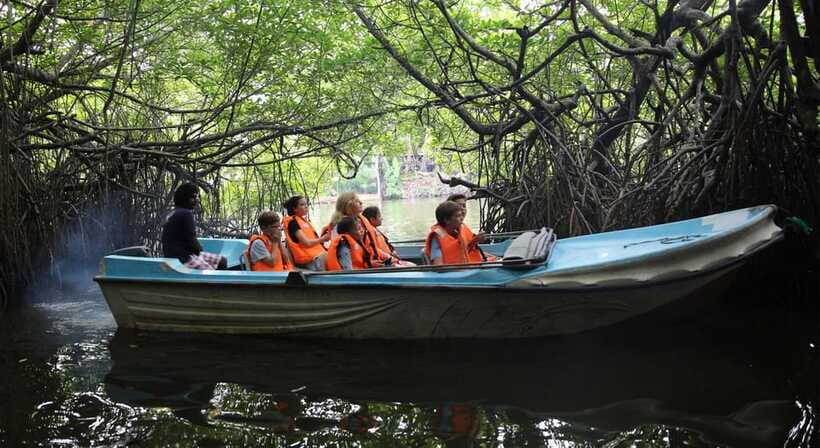
Mangroves glide past your face fast. This Madu River boat tour from Balapitiya mixes shaded mangrove tunnels with bright river stretches, and I love the chance to spot wildlife from the water, including crocodiles basking nearby. It also adds real-world Sri Lankan flavor with a cinnamon island stop and an island Buddhist temple.
For your money, this feels like a balanced day: nature time on the river, then short cultural and sensory stops that don’t drag. One thing to watch for is that the on-boat narration can vary by guide and timing can feel a bit tight, so go in with the expectation of basic explanations and a focus on seeing things.
In This Review
- Key Points at a Glance
- Madu River Mangroves: Why This Boat Ride Feels Different
- Prawn and Shrimp Traps: Seeing People Use the River
- Wildlife Spotting From the Water (Not Just “Maybe”)
- The Cinnamon Island Stop: Buy the Smell, Not Just the Memory
- An Ancient Buddhist Temple on an Island: Quick but Meaningful
- Optional Fish Massage: A Small Thrill Between Nature Stops
- Price and Value: Does $29 Make Sense Here?
- Timing, Group Pace, and the Pickup Reality
- Who Should Book This Tour, and Who Might Skip It
- Should You Book the Madu River Boat Tour With Cinnamon Garden?
- FAQ
- Where is the meeting point for the Madu River safari?
- How long is the boat safari?
- What does the tour cost?
- What is included in the price?
- Is food and drinks included?
- What kinds of wildlife might you see?
- Are there any stops on land during the tour?
- Can I do the fish massage during the experience?
- What language is the tour guide?
- How do cancellation and pay-later options work?
Key Points at a Glance
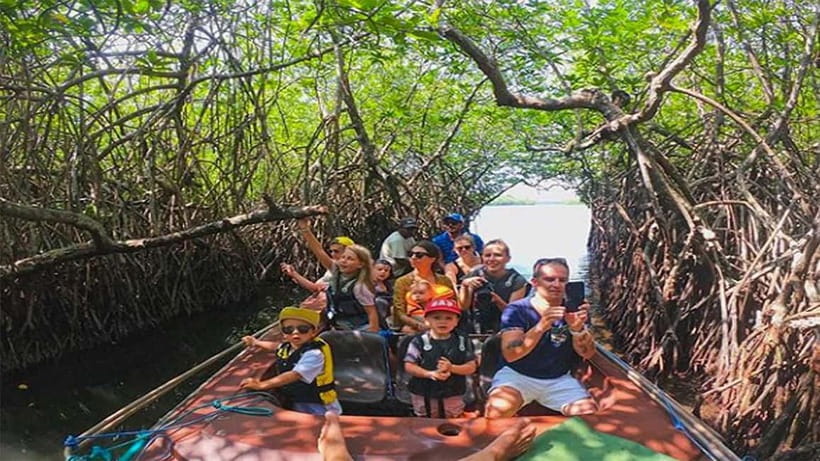
- Shaded mangrove tunnels then open sunlit stretches, so the scenery changes often
- Wildlife spotting includes crocodiles and a lot more if your guide is sharp
- Cinnamon island + island temple gives you culture without a long bus day
- Traditional prawn and shrimp traps show how people use the river
- Optional fish massage can be a fun stop if you want something unusual
- The tour is short: you get 1–2 hours on the water and then land visits
Madu River Mangroves: Why This Boat Ride Feels Different
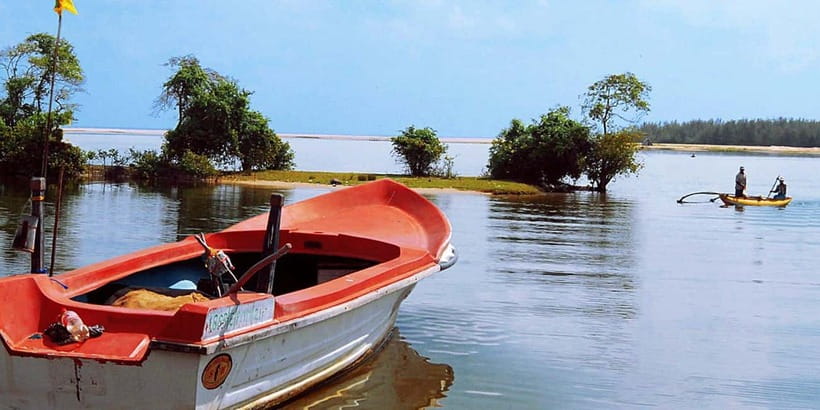
The Madu River experience works because the river isn’t just scenic. It’s a working ecosystem, and the boat route is designed to show you how mangroves handle both shade and sunlight. You glide through mangrove marshes where the canopy can form tunnel-like shadows, then the channel opens up enough to spot movement on the surface and along the banks.
What I like about this kind of trip is that it turns wildlife watching into something practical. Instead of searching every second, you travel at the pace of the river, and your job is mostly to stay quiet and look into the undergrowth when the guide points. That is where the interesting stuff tends to be.
You also learn why mangroves matter. The tour includes explanations about the importance of mangroves, and you’ll see the river’s relationship to local life, especially in the shallows.
You can also read our reviews of more tours and experiences in Balapitiya.
Prawn and Shrimp Traps: Seeing People Use the River
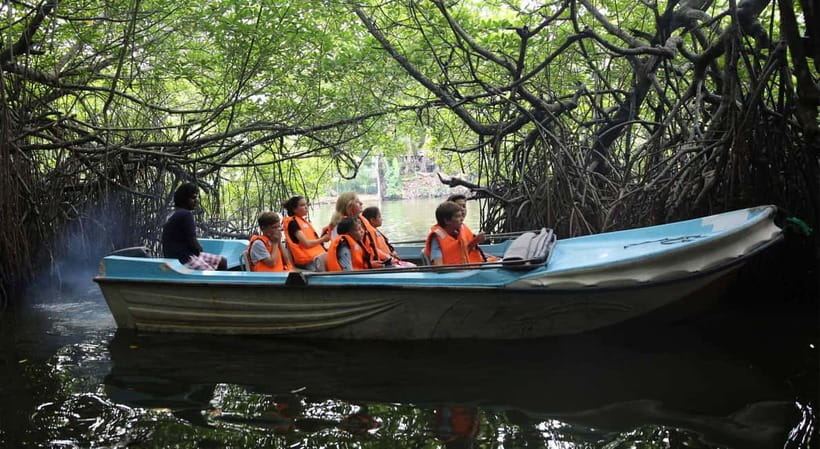
A neat detail on this outing is the presence of traditional prawn and shrimp traps in the shallows. It’s not a museum stop; you see these features while the boat is moving slowly along the quieter edges of the river.
Even if you only catch a glance, the effect is worth it. You start to see the river as more than a wildlife habitat. It’s also a resource that local people manage and harvest from, which helps you understand why conservation talk isn’t just about animals—it’s about livelihoods too.
If you care about the environment, keep it in the back of your mind while you ride. Mangroves are fragile, and fast, careless boat behavior is not what this experience should be. For your own part, choose the quiet, observant mode—don’t insist on louder, faster boat time.
Wildlife Spotting From the Water (Not Just “Maybe”)
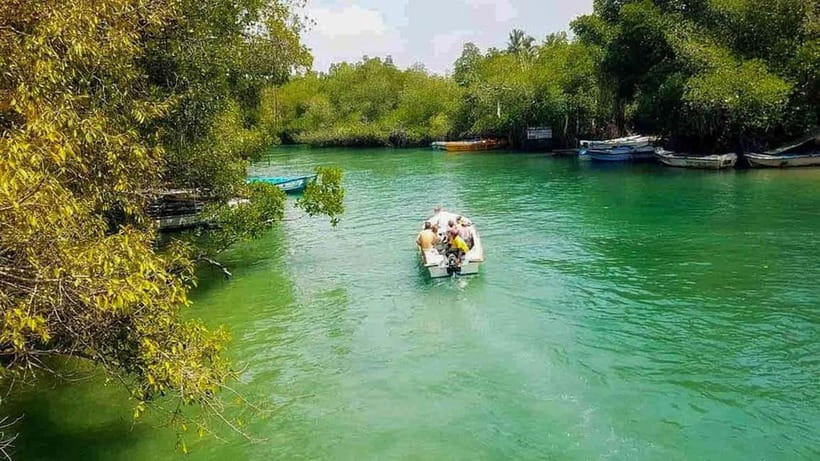
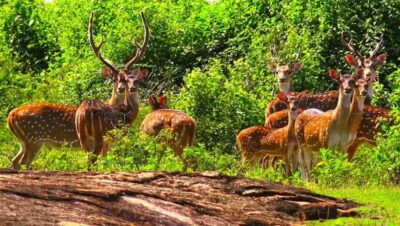
The highlight is simple: you cruise, you look, you see. This tour is built around wildlife sightings like crocodiles and other river creatures, and it’s not just about the big-name animals. Expect a mix that can include water snakes, wild boars, colorful birds, storks, and smaller surprises that pop up when the boat slows.
A big advantage here is that the best sightings often come from someone noticing the right motion. One guide-style pattern I picked up from the experience is that when the guide is focused on undergrowth and edges, your chances jump. People have reported finding jellyfish, baby alligators, and a huge lizard during the ride—things you’d never actively search for on your own.
So here’s the practical mindset for you: if your group is quiet and you pay attention to the banks and the shaded sections, you’ll usually get more. If you’re chatting loudly and staring only at the open water, you miss the stuff that’s hardest to spot.
The Cinnamon Island Stop: Buy the Smell, Not Just the Memory
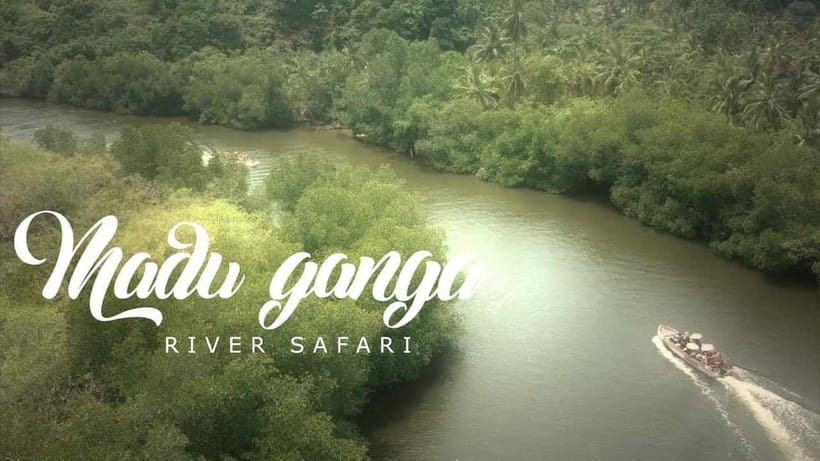
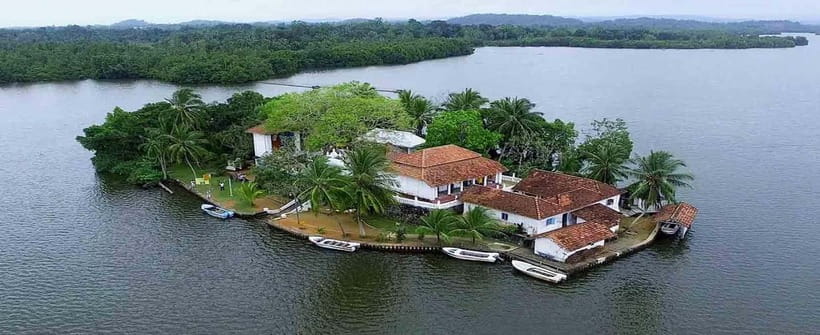
After the main river time, you’ll visit a cinnamon island and a cinnamon plantation area. This is where the tour becomes more sensory than scientific. You can buy fresh cinnamon, and it’s the kind of souvenir that actually has a purpose at home: it smells like cinnamon, not like a generic gift shop label.
The island stop is also a chance to slow down and look at different plants tied to the area. You get a bit of breeze from being on the river and off the boat, which makes the whole day feel less rushed than it would if everything happened in one long stretch.
If you like food and spices, this part is worth treating as more than a quick photo stop. When you taste or smell cinnamon fresh, you realize why it matters historically and economically, even if you don’t go deep into background. Here, you get the practical payoff: real product, real aroma.
An Ancient Buddhist Temple on an Island: Quick but Meaningful
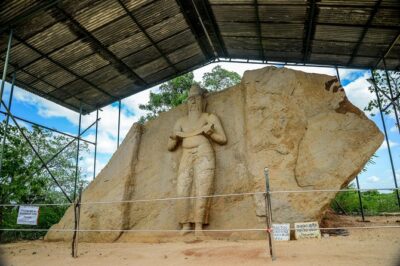
The tour includes an ancient Buddhist temple on an island. You don’t need a long guided lecture to appreciate this stop, because the setting does a lot of work for you. Being on an island after time in the mangroves makes the scene feel like a different world, and it gives you context for how nature and culture live side by side in Sri Lanka.
The temple portion tends to be short, so you’ll want to move steadily, respect the space, and take it in without treating it like a checklist. If you’re the type who likes to understand meaning rather than just look, ask your guide one simple question about what you’re seeing. Even if the explanation is brief, a direct question usually pulls out something useful.
Optional Fish Massage: A Small Thrill Between Nature Stops
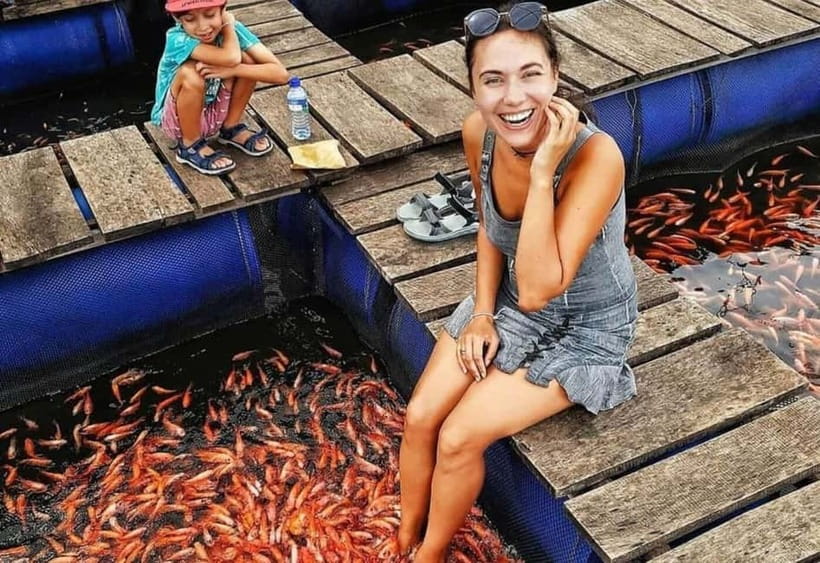
One of the more unusual options is a fish massage. The idea is simple: tiny fish gently massage your feet while you’re in the water.
This isn’t mandatory, but it’s included as an option during the experience. If you enjoy novelty and you don’t mind the sensation, it can be a fun break after a bumpy boat ride and walking around islands. If you’re sensitive about hygiene or the feeling of tiny fish, skip it without guilt. The core value here is the mangrove cruise and the island stops.
Either way, you get the satisfaction of doing one local-style experience that feels different from standard sightseeing.
Price and Value: Does $29 Make Sense Here?
At about $29 per person, the value comes from what’s actually included. You get a 1–2 hour boat safari, a live tour guide (English), and all taxes, fees, and handling charges. For a river-based wildlife trip with cultural add-ons, that’s a fair package.
But be smart about expectations. The tour does not include food and drinks, so you’ll likely want to plan for a snack or meal before or after. Also, some stops can become add-on purchases once you’re there. One person noted that many of the boat stops can involve extra payments and suggested keeping money ready before getting on the boat. I’d treat that as a warning sign: bring some cash so you’re not caught off guard.
If you want the best value, aim for the experience parts that are truly unique: the mangroves, the wildlife spotting, the cinnamon island purchase opportunity, and the island temple visit. Don’t book this if you’re only chasing a long lecture or a full day of indoor attractions.
Timing, Group Pace, and the Pickup Reality
This is a 1-day experience with 1–2 hours on the water. That matters because it shapes how the day feels: it’s not a marathon tour. You’ll likely feel like you’re moving from one highlight to another, with enough time to enjoy stops but not enough time to linger for hours.
Pickup can also be a variable point. One traveler described pickup as chaotic, and another situation where being independent with a private driver helped them reach the true start of the tour. Translation for you: if pickup is part of your plan, it’s worth confirming details the day before and staying flexible on timing.
What you should also watch is pacing. If your guide’s English level is limited, you may get fewer mangrove explanations and feel like the experience is rushed. You can still enjoy it, but don’t assume you’ll get a deep ecology lesson. The main win is the ride and the sightings.
Who Should Book This Tour, and Who Might Skip It
This tour is a strong fit if you want:
- A quick Sri Lanka nature day without complex planning
- Real wildlife watching from the water (especially crocodiles and birds)
- A spice and culture stop that’s practical, not just decorative
- Optional fun like the fish massage
I’d be more cautious if:
- You need detailed explanations in clear English. The guide is listed as English, but the quality of narration can vary in real life.
- You’re very conservation-focused and need reassurance that the mangrove experience is handled gently. This tour talks about mangroves, but your comfort with the overall impact matters personally.
- You hate being on a tight schedule. This one packs a lot into a short day.
For most people doing Sri Lanka’s coastal area, it’s a solid “do it once” experience that’s memorable for the setting.
Should You Book the Madu River Boat Tour With Cinnamon Garden?
If your goal is a calm boat ride through mangrove tunnels, wildlife spotting, and a cinnamon island you can actually bring home with you, I think it’s worth booking. The $29 price works best when you treat it as a nature-and-culture hit, not a long guided deep-dive.
Before you go, do two simple things: bring some extra cash for any possible paid stops, and set your expectation that the guide’s info may be basic but the scenery and animal-watching should still deliver.
If you want a smooth day, also confirm pickup details and be ready to adjust if timing gets messy.
FAQ
Where is the meeting point for the Madu River safari?
You’re asked to go to Madu River Safari by Nilwala. You can find the location on Google Maps.
How long is the boat safari?
The included boat safari is listed as 1–2 hours.
What does the tour cost?
The price is $29 per person.
What is included in the price?
The package includes the 1–2 hour boat safari, a live tour guide, and all taxes, fees, and handling charges.
Is food and drinks included?
No. Food and drinks are not included.
What kinds of wildlife might you see?
You may see crocodiles and storks, and the tour experience also references other animals such as water snakes, wild boars, and colorful birds.
Are there any stops on land during the tour?
Yes. The tour includes visiting an island Buddhist temple and stopping by a cinnamon plantation/cinnamon island.
Can I do the fish massage during the experience?
Yes, you can opt for a fish massage where tiny fish gently massage your feet.
What language is the tour guide?
The live tour guide is in English.
How do cancellation and pay-later options work?
You can cancel up to 24 hours in advance for a full refund, and the listing offers a reserve now & pay later option.