Birdlife hits fast on this tour. In a few hours, you go from Negombo by tuk-tuk to wetlands, then out on a boat ride through the Dutch Canal and mangrove edges.
What I like most is the animal-and-bird focus without turning it into a hard slog. You get long, slow stretches for watching fishermen, scanning branches for kingfishers, and listening for calls, all with water provided—but do note it runs best in good weather and it includes time outdoors.
In This Review
- Key things I’d circle before you book
- A half day of Dutch Canal, lagoon fishing, and mangroves
- Price and value: what $59 buys you in real terms
- Tuktuk pickup to boat time: how the 3-hour rhythm works
- Muthurajawela marsh: the wetland start that sets the tone
- Dutch Canal cruise: calm navigation with chances for serious sightings
- Negombo Lagoon and fishermen: why this part feels real
- Mangroves: where birds work the edges
- Your guide and the small extras that make it enjoyable
- Logistics that matter: group size, weather, and comfort
- Who should book this tour (and who should skip it)
- Should you book the Half Day Tour to Muthurajawela, Dutch Canal and Mangroves?
- FAQ
- How long is the Half Day Tour to Muthurajawela, Lagoon, Dutch Canal and Mangroves?
- How much does the tour cost?
- Where does the tour take place?
- Is hotel pickup and drop-off included?
- How do you travel during the tour?
- What’s included in the price?
- Is admission included?
- Is this a group tour with mixed participants?
- What kind of weather does the tour require?
- What’s the cancellation policy?
- Do I need moderate physical fitness?
Key things I’d circle before you book
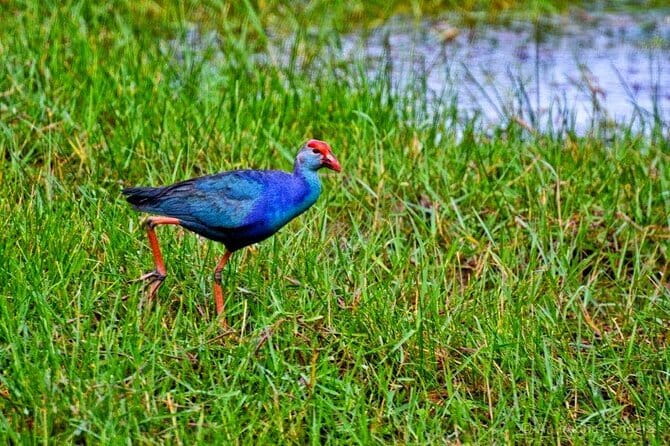
- Bird watching time that isn’t rushed
- Boat ride through the Dutch Canal and lagoon waterways
- Wildlife sightings like monkeys, kingfishers, and water monitors
- Mangrove areas where you can watch for motion and calls
- Tuk-tuk pickup and drop-off near your hotel
A half day of Dutch Canal, lagoon fishing, and mangroves
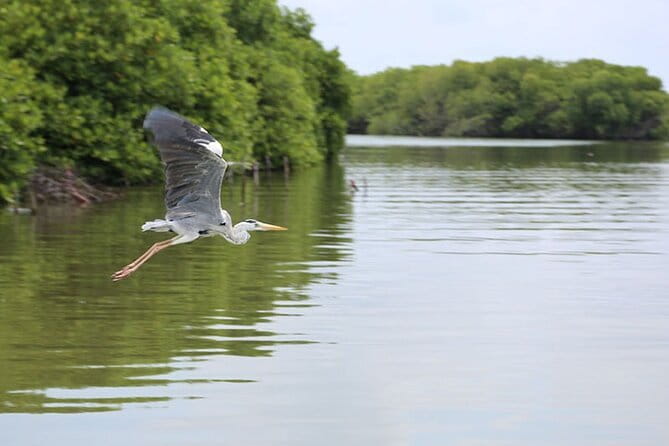
This is the kind of Negombo tour that feels like a reset button. You trade city streets for water routes and wetland air, then spend your short window of time watching birds and wildlife in real habitat instead of through a screen.
The best part is the mix: Dutch Canal history, working lagoon life, and mangroves that naturally pull in birds. You’ll also get a ride that keeps you moving between areas, but you’re not constantly hopping in and out.
You can also read our reviews of more tours and experiences in Negombo.
Price and value: what $59 buys you in real terms
At $59 per person for about 3 hours, you’re paying for three things that matter on a short outing: transportation, guiding, and getting you into the right zones near Negombo’s water network. The tour includes hotel pickup and drop-off, transfer by tuk-tuk, mineral water, and all government taxes.
What you’re not paying extra for (based on what’s listed) is admission for the activity portion. Gratuities are not included, so if you feel impressed by your guide’s effort, budget a little for that at the end.
For me, the value looks strongest if you want an easy half day with a clear payoff: birds, animals, and a relaxed boat segment. If you’re the type who only wants big sightseeing viewpoints, you might find the pacing more nature-and-watching than “see famous landmarks.”
Tuktuk pickup to boat time: how the 3-hour rhythm works
Plan on a tight schedule. The tour is listed at roughly 3 hours, so you’ll be doing a quick transit flow, then spending most of your time where the action is—on and around the water.
Because pickup and drop-off are offered to hotels in the closest mentioned areas, you won’t need to figure out local transport on your own. That matters in Negombo, where the easiest plan is often the one that keeps you from losing time to “where is the meeting point?” stress.
You’ll also be in a private format with only your group. That typically means you can ask questions, adjust your pace for wildlife spotting, and avoid the constant shuffle that comes with larger mixed groups.
Muthurajawela marsh: the wetland start that sets the tone
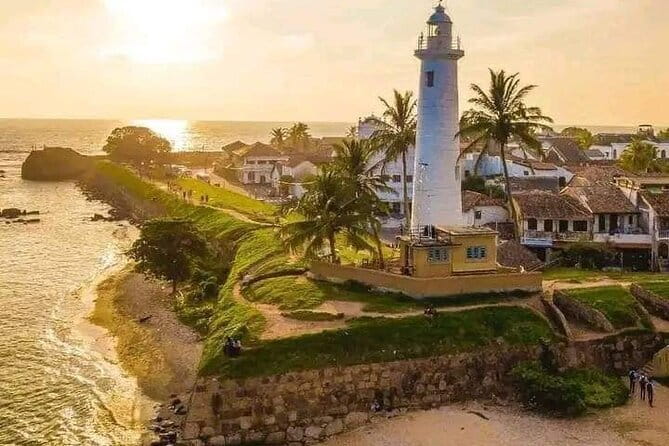
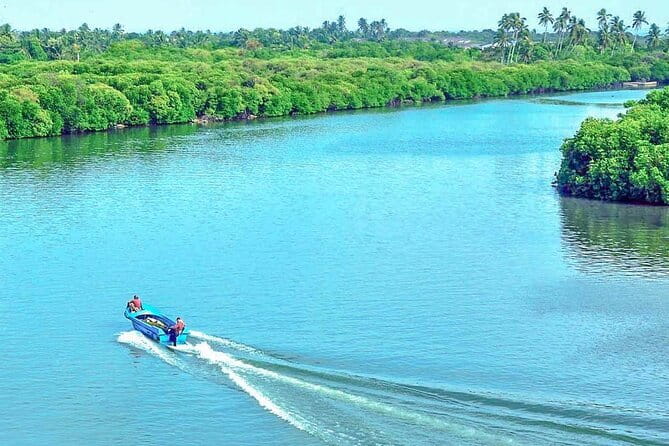
The tour begins at Muthurajawela Marsh, where you start a boat ride that connects to the wider water routes. This marsh area is where you get the wetland feel fast: quieter water travel, lots of plant life at the edges, and a different kind of horizon than you’ll see in town.
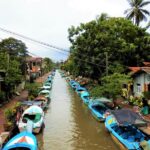
One detail worth knowing is the Dutch Canal link. At one time, it served as an important transportation route supplying the Dutch colonial administration. So even before you’re spotting birds, the route has a sense of place. You’re literally moving through a corridor shaped by older river-and-canal movement.
From a visitor’s perspective, marsh starts are smart. They let your guide get you into “watch mode” right away, so by the time you’re further along, you’re already scanning for movement and color instead of just staring at water.
Dutch Canal cruise: calm navigation with chances for serious sightings
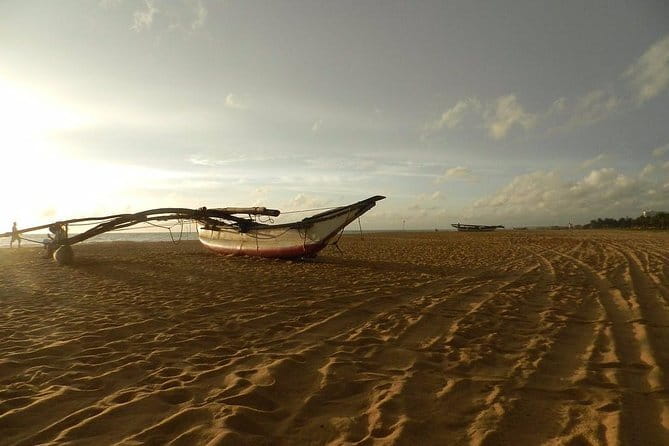
After the marsh start, you ride through the Dutch Canal, then onward toward the lagoon network. This is the part that many people describe as relaxing and therapeutic. Even when wildlife sightings don’t happen instantly, the pace makes it easy to settle in.
What helps here is that the route is water-based. You’re not walking for hours in humid conditions. You can focus on your eyes and ears: watch the shoreline edges, look for sudden flutters, and note where birds repeatedly return.
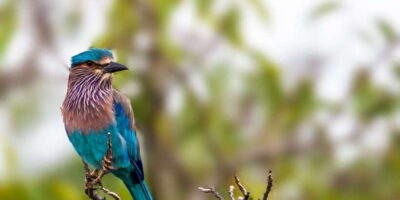
In the feedback for this tour, animal sightings show up again and again. Expect opportunities to spot things like monkeys, water monitors, and multiple bird types. Kingfishers appear frequently in the reports, including three types of kingfisher and also large birds like a sea eagle of Sri Lanka. Some groups also reported a bald eagle, plus other species such as dragons and flying fish.
A quick practical note: bird watching works best when you’re patient and still. If you can, keep your phone and camera ready, but don’t constantly raise and lower—watch first, then shoot.


Negombo Lagoon and fishermen: why this part feels real
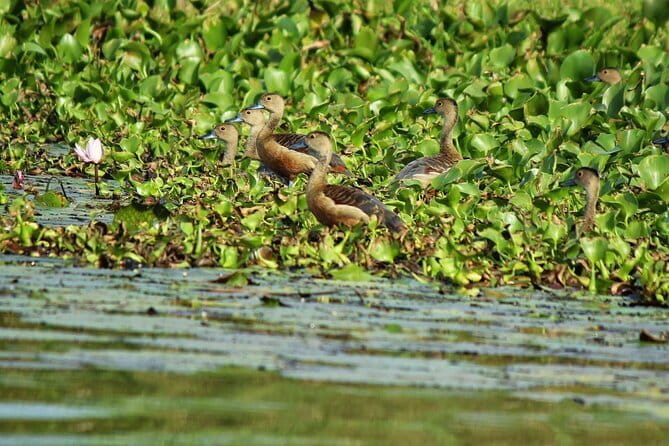
The tour also includes the Negombo Lagoon area and the working life around it. You’ll witness fishermen in the lagoon, and that turns the outing from a generic boat ride into something more grounded.
There’s a big difference between seeing water from afar and seeing people move through it for daily work. It gives context. You start to understand why birds gather where they do: predictable activity, shoreline perches, and food movement.
And because this is a short tour, the lagoon segment matters. It’s where you’re most likely to connect the birdlife to actual habitat behavior—birds tracking fish, watchers spotting wing flashes along the edges, and monkeys appearing near the more vegetated zones.
If you’re hoping for a “quiet nature hour,” this is the sweet spot. Just remember you’re sharing working water with real people and boats, so keep your movements respectful.
Mangroves: where birds work the edges
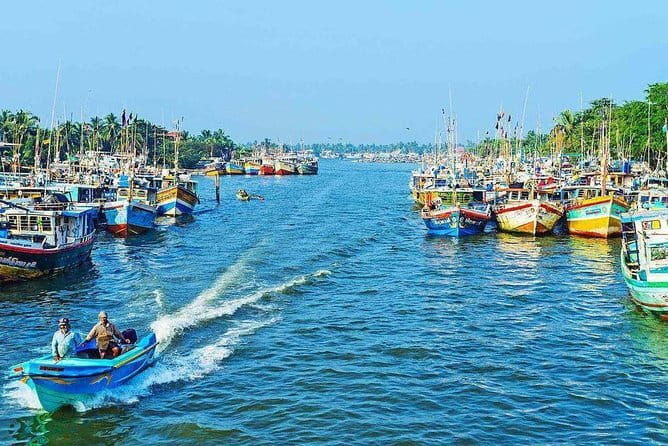
Mangroves are often where birds show off their skills. The roots and dense margins create cover and perches, and the shallow water edges can bring wildlife close enough to see without straining.
On this tour, you get mangrove time as part of the overall water route. The reports highlight birds such as kingfishers, plus larger raptors that show up when conditions and timing align. Many of the strongest reviews mention kingfishers and big birds, with some describing up to four kingfisher species.
Water monitors are also a recurring mention in the wildlife sightings. If you like reptile spotting, mangrove edges can be a great place to look for slow movement near roots, logs, and shoreline calm pockets.
One thing to keep in mind: mangroves can be visually busy. If you’re new to bird watching, the trick is focusing on patterns. Watch for quick wingbeats, then track where the bird lands. Don’t chase every small movement—wait for a repeat.
Your guide and the small extras that make it enjoyable
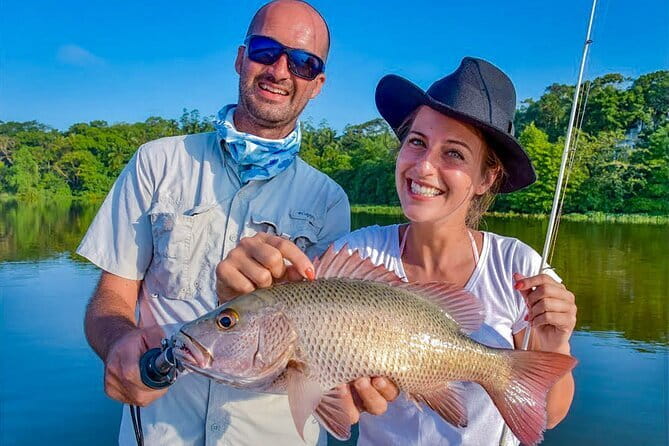
The guide is a major part of the experience. The most praised reviews describe an enthusiastic, engaged style, with people calling out the guide’s energy and ability to spot wildlife.
Some groups also reported the guide providing fresh coconuts and bananas, along with snacks and refreshments. That’s not listed as a formal inclusion item, but it’s consistent enough in the experience feedback that it’s worth expecting some small treats during the ride. If that’s important to you, it’s a good idea to bring a little extra patience for timing—half days move fast.
What you should expect no matter what is fresh water in the form of mineral water, plus the tour structure that keeps you from worrying about basic logistics while you focus on the views.
Logistics that matter: group size, weather, and comfort
This is described as a private tour/activity, so only your group participates. That’s a real perk when you’re doing wildlife watching. Your guide can slow down for the moment that matters instead of trying to keep a big crowd together.
Physical fitness is also lightly flagged. You should have a moderate physical fitness level, which likely means you’ll handle short walking, uneven ground near water access points, and the general outdoor pace. You don’t need to be an athlete, but you should be comfortable moving at a normal pace.
Weather is the other big factor. The tour requires good weather, and if it can’t run due to poor conditions, you’ll be offered another date or a full refund.
Who should book this tour (and who should skip it)
This tour fits best if you want a half day that mixes easy transport with real nature watching. It’s ideal for:
- Nature lovers who like birds and wetlands
- People staying in or near Negombo who want a short outing with a clear focus
- Travelers who enjoy boats and don’t want long hikes
You might want to skip or rethink it if:
- You dislike time outdoors in humidity and sun, even though the main part is on water
- You only want city highlights and big monuments
- Your schedule is inflexible and you can’t handle a possible weather reschedule
Should you book the Half Day Tour to Muthurajawela, Dutch Canal and Mangroves?
If you’re in Negombo and you want the smart half-day move, I’d say yes—especially for bird watchers and anyone who likes wildlife without the stress of planning. The value is strong because pickup and drop-off, tuk-tuk transfers, mineral water, and taxes are handled for you, and the time on the water gives the tour its calm edge.
My final advice is simple: book it if birdlife, lagoon scenery, and mangrove edges sound like your kind of experience. Bring a light layer for sun and breeze, keep your camera handy but calm, and plan your day so you’re ready for a nature-focused route in under three hours.
FAQ
How long is the Half Day Tour to Muthurajawela, Lagoon, Dutch Canal and Mangroves?
It runs for about 3 hours (approx.).
How much does the tour cost?
The price is $59.00 per person.
Where does the tour take place?
It’s based in Negombo, Sri Lanka.
Is hotel pickup and drop-off included?
Yes. Hotel pick-up and drop-off are included to hotels in the closest mentioned locations.
How do you travel during the tour?
Transfer during the tour is by tuk tuk, and you’ll take a boat ride for the canal and wetland route.
What’s included in the price?
Included are hotel pickup and drop-off, tuk-tuk transfer, mineral water during the tour, and all government taxes.
Is admission included?
Admission is listed as free for the activity time shown.
Is this a group tour with mixed participants?
No. It’s private, so only your group participates.
What kind of weather does the tour require?
Good weather is required. If poor weather cancels the tour, you’ll be offered a different date or a full refund.
What’s the cancellation policy?
You can cancel up to 24 hours in advance for a full refund.
Do I need moderate physical fitness?
Yes. The tour notes that travelers should have a moderate physical fitness level.