Fish smoke and temple dragons in one loop. This half-day Negombo city tour strings together the Negombo fish market, colonial-era canal and fort areas, several major faith sites, and then finishes with an Ayurvedic full-body oil massage and lunch. It’s built for fast orientation in a city with a very real working waterfront and history you can actually see.
I love that this is private transportation with pickup, so you don’t spend your day waiting on other people or backtracking around town. I also like the way the day mixes culture and food with body care: the Ayurvedic head-to-toe massage comes right after the sightseeing.
The main consideration is pacing. It’s a half day, so some stops are short, and religious sites call for modest dress, plus you may need a little patience around entrances.
In This Review
- Key highlights worth planning around
- Why Negombo fits a half-day tour so well
- Negombo fish market, dry fish work, and why it feels so real
- Churches and temples in one route: from dragon entryways to sea-street St. Sebastian
- St. Mary’s Church: Portuguese-era Christian influence
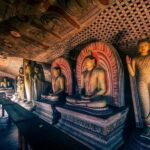
- Angurukaramulla Temple: the dragon entryway and the Buddha statue
- Sri Singama Kali Amman Kovil: Ganesh as the center point
- St. Sebastian’s Church on Sea Street
- Dutch Canal (Hamilton Canal) and Dutch Fort: colonial leftovers that shaped daily life
- Dutch Canal, also Hamilton Canal: a shortcut to understanding the region
- Dutch Fort: history plus real human context
- Ayurvedic full-body massage: what to expect and how to make it worth the money
- Lunch that fits the day: Sri Lankan rice and curry, not a generic meal
- Timing and practical expectations for a smooth half-day
- Price and value: what you’re really paying for at $52.55
- Who should book this Negombo tour with massage
- Should you book it
- FAQ
- How long is the Negombo City Tour with Ayurvedic massage and lunch?
- Do I get hotel pickup and private transportation?
- Is the Ayurvedic massage included, and how long is it?
- What do you eat for lunch, and can it be vegetarian?
- Are there any admission fees at the stops?
- What should I wear for the religious sites?
- What happens if the weather is poor or I cancel?
Key highlights worth planning around
- Negombo fish market focus: see daily catch culture up close, not from a distance
- Dry fish processing area: a working look at traditional salting and drying
- Angurukaramulla Temple dragon entryway: dramatic architecture and a Buddha statue to spot
- Dutch Canal and Dutch Fort stops: colonial-era engineering and local street life in one route
- Ayurvedic massage + rice and curry: a practical wind-down after walking and heat
Why Negombo fits a half-day tour so well
Negombo is one of those places where “a quick look” can still feel meaningful. You’re not only seeing monuments. You’re getting a snapshot of how the town earns its living, how different faiths live side by side, and how colonial-era leftovers shape the layout.
This tour is designed around that idea: it moves efficiently between key stops while still giving you room to linger if you care about photos, details, or just watching people do their thing. With private transport and an English-speaking local guide, you can keep the day comfortable instead of turning it into a race.
It also helps that you’re in a city with lots of “small wonders” close together: church architecture on one street, a temple entrance shaped like a dragon a short ride away, and then a working harbor world at market time.
You can also read our reviews of more tours and experiences in Negombo.
Negombo fish market, dry fish work, and why it feels so real
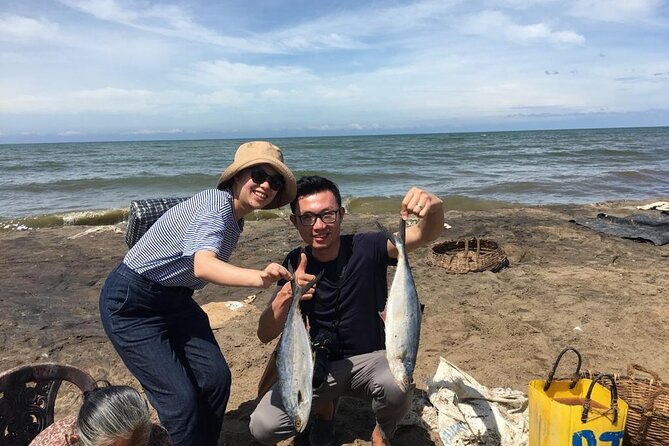
The heart of the morning is the fish market. Negombo is tied to fishing in a way most beach towns aren’t, and the market is the easiest place to understand that. You’ll walk through the bustle, see fish handled in traditional ways, and get a sense of how much skill and labor go into daily supply.
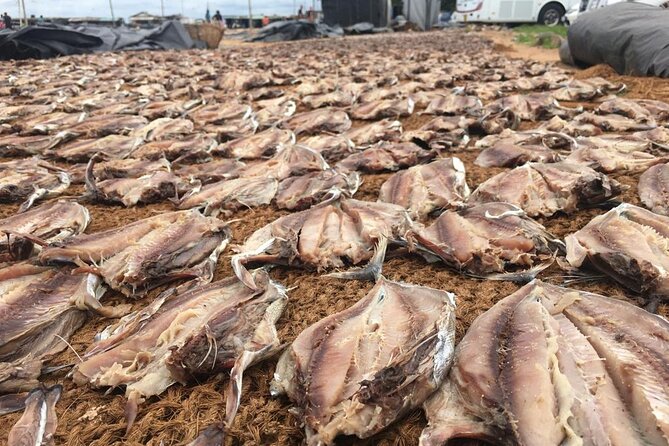
Just as important, you also visit the Negombo dry fish processing area. This is where the work shifts from selling to preserving. You can witness traditional fish preservation techniques where freshly caught fish—mainly tuna, sprats, and mackerel—are salted and dried. Even if you’re not into food history, it’s a memorable “how things are made” stop.
A practical note: markets and processing areas mean strong smells and busy energy. If you’re sensitive, plan for that. If you love street-level travel, this is one of the most authentic parts of Negombo to experience without needing a long tour.
Churches and temples in one route: from dragon entryways to sea-street St. Sebastian
Negombo gets called Little Rome at times, and this route gives you a clear reason why. You’ll stop at several major religious sites, with enough time at each to notice architecture and learn what makes the place special.
St. Mary’s Church: Portuguese-era Christian influence
At St. Mary’s Church, the Christian story in Negombo links back to Portuguese control. You’ll see how that history is still written into the city’s religious landscape through Catholic architecture and presence.
The benefit of doing this in the same half day as the market is contrast. You go from working life by the water to faith spaces built with long-term community identity.
Angurukaramulla Temple: the dragon entryway and the Buddha statue
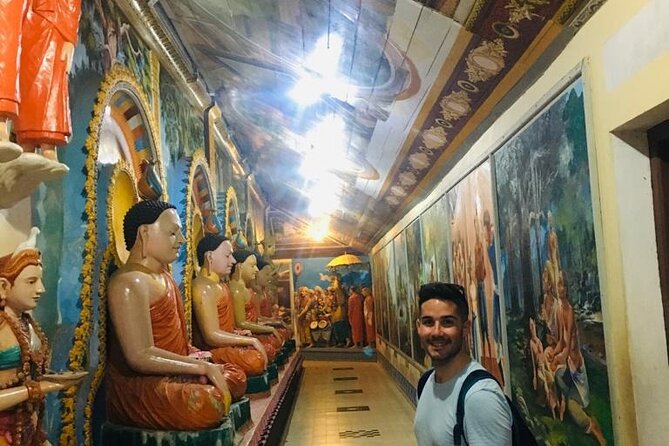
Next comes Angurukaramulla Temple, one of Negombo’s best-known temples. The standout feature is the spectacular dragon entryway, which sets the tone before you even reach the main worship area. The temple is also known for a Buddha statue, so you’ll have clear things to look for even if you don’t know the local symbolism yet.
One practical thing: the temple stop lists admission as not included, so if you want to enter the temple properly, budget for that extra fee.




Sri Singama Kali Amman Kovil: Ganesh as the center point
You’ll also visit Sri Singama Kali Amman Kovil, a Hindu religious site devoted to Ganesh. The info here is specific: Ganesh is the deity of beginnings in Hindu tradition, and he’s represented with an elephant. Even with only a short visit, it’s a strong reminder that Negombo isn’t one-faith, one-style travel.
St. Sebastian’s Church on Sea Street
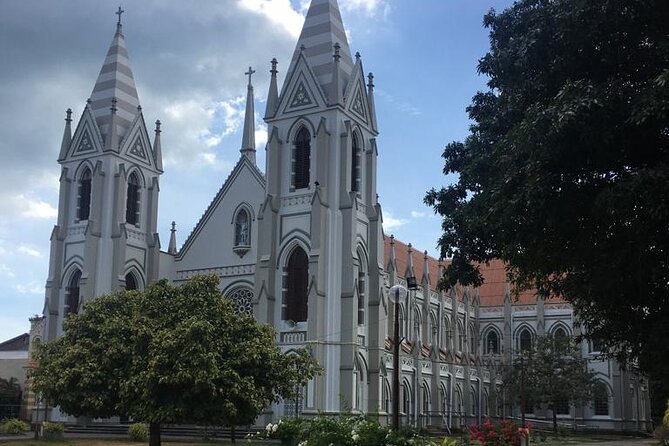
Then you end up at St. Sebastian’s Church on Sea Street. It’s described as a blend of colonial and modern architecture and is noted as dating back to the 16th century, which you can feel when you look at how the structure has endured.
If you like your travel days to have visual variety—stone, paint, carvings, and then the open-air texture of streets—this part of the tour delivers.
Dutch Canal (Hamilton Canal) and Dutch Fort: colonial leftovers that shaped daily life
If you want history that isn’t trapped behind glass, the Dutch Canal and Dutch Fort stops are a good pair.
Dutch Canal, also Hamilton Canal: a shortcut to understanding the region
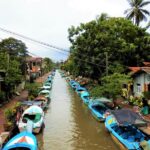
The Dutch Canal, also called the Hamilton Canal, is a 14.5 km canal connecting Puttalam to Colombo, passing through Negombo. It started in 1802 and was finished in 1804, with British involvement.
Why it matters for you: this isn’t just a trivia stop. Canals help explain how towns develop trade routes, how water management supports movement, and how colonial infrastructure leaves patterns you can still see. You’ll get a quick historical framing, then you can look around and connect it to what you’re seeing in modern Negombo.
Dutch Fort: history plus real human context
You’ll also visit the Dutch Fort area. In the real-world experience, this stop can feel surprisingly present-day rather than museum-like. One of the most memorable parts of similar visits is noticing how people use the area around the fort space, including visitors who are there because of the nearby city jail. That gives the stop weight beyond architecture.
What to watch for: since time at each location is limited, focus on the obvious features first—walls, gates, and layout—then ask your guide what the site meant in its time.
Ayurvedic full-body massage: what to expect and how to make it worth the money
The tour includes a full Ayurvedic massage session in a local center, described as a head-to-toe herbal oil experience. The listing gives a couple different figures: it’s shown as a 90-minute massage in one place and listed as a 75-minute massage in the included details. Either way, you can expect a proper, seated-to-laying session where oil-based techniques are used as a reset after walking.
This is one of the strongest value pieces of the day. You’re already paying for guiding and transport, so having the massage bundled means you don’t have to coordinate a separate appointment in a city where schedules can change.
Practical tip: wear clothes you can change out of easily. Also, if you know you’re sensitive to strong scents or oils, tell the therapist what works for you before the session starts.
And timing matters. Doing the massage after the sightseeing means you get the body-care payoff instead of dragging fatigue into the afternoon or evening.
Lunch that fits the day: Sri Lankan rice and curry, not a generic meal
You get Sri Lankan lunch as part of the experience, typically rice and curry at a local restaurant or guesthouse. Lunch is only 45 minutes in the schedule, so it’s not meant to be a slow, long-table affair. It’s a recharge, and it helps you keep energy steady for the last steps of the tour.
The value here is simple: you’re eating what locals eat rather than trying to guess where to go on your first day in town. If you care about food, this is the kind of stop that makes the half-day itinerary feel “complete,” because it anchors the day in real local flavors.
There’s also a vegetarian option available upon request, so this works if you avoid meat or want a meat-free version of the menu.
Timing and practical expectations for a smooth half-day
The tour is described as lasting about 5 to 7 hours, which is a wide range. That usually means your actual pace depends on pickup time, your interests, and how long you spend at each stop.
A good way to think about it:
- Short visits at places like churches or canals help you get structure fast.
- Longer interest areas like the fish market and dry fish processing are where you’ll actually feel the “Negombo” vibe.
Dress code is also real here. Modest dress is required for religious sites, so plan for shoulders and knees. Comfortable shoes help too, because markets and temple areas tend to mean uneven surfaces and lots of standing.
If you’re a photo person, this itinerary rewards you. You’ll have clear visual targets: fish piles, drying racks, the dragon entryway, and colonial-style church architecture. One note from real-world experience with this tour style is that guides often help with photos so you’re not only photographing the city while missing it yourself.
Weather matters. The experience notes it requires good weather. Some of the sightseeing is outdoors, so if it’s rainy or harsh, the tour may be adjusted or canceled for another date.
Price and value: what you’re really paying for at $52.55
At $52.55 per person, the headline price looks affordable. The better question is what that amount includes and what it saves you from.
You’re paying for:
- Hotel transfers and pickup
- Private transportation
- Parking fees
- An English-speaking local guide
- The included Ayurvedic massage time
- Lunch (rice and curry)
That combination matters in Negombo because it reduces decision fatigue. Instead of figuring out order, transport, entry fees, and timing between market hours and religious stops, you get a prepared route.
It’s especially good value if you’re short on time. Negombo is easy to mix up if you try to self-tour everything in one day. This itinerary keeps the essential pieces close together, and you’re not paying for a separate massage appointment.
Who should book this Negombo tour with massage
I’d pick this tour if you want:
- A fast, structured look at Negombo that still includes working waterfront culture
- A mix of faith sites (Catholic, Hindu, and more) in one day
- A real break halfway through your travel week via an Ayurvedic oil massage
- Someone to handle route flow so you can focus on photos, small details, and eating well
It’s also a solid choice for solo travelers. The “private tour” design means you’re not boxed into a large group pace, and the guide can spend more time where you care most—fish market photos, temple entrances, or canal and fort context.
If you’re very sensitive to smells or crowded spaces, you might find the market and dry fish processing areas challenging. In that case, you’ll still get value, but go with expectations and take short breathers if needed.
Should you book it
Book it if you want an efficient Negombo day that actually teaches you what the city is built on: fishing, faith, and colonial-era infrastructure. The massage and lunch are not “extras.” They’re what turn the day from sightseeing into a full-body reset and a satisfying meal you don’t have to hunt for.
Skip it only if you dislike markets, prefer to avoid religious sites that require modest dress, or you want a slow, unstructured day with lots of free wandering time. This is a guided route, with short stop windows and a half-day rhythm.
If that style matches your travel pace, this tour is a smart use of time in Negombo.
FAQ
How long is the Negombo City Tour with Ayurvedic massage and lunch?
The tour is scheduled for about 5 to 7 hours.
Do I get hotel pickup and private transportation?
Yes. The tour includes transfers from your hotel and private transportation.
Is the Ayurvedic massage included, and how long is it?
The experience includes an Ayurvedic full-body oil massage. It’s listed as a 75-minute head-to-toe massage, and it also appears as 90 minutes in the tour overview details.
What do you eat for lunch, and can it be vegetarian?
Lunch is Sri Lankan rice and curry. A vegetarian option is available upon request.
Are there any admission fees at the stops?
Most stops are listed as free entry, but Angurukaramulla Temple admission is not included.
What should I wear for the religious sites?
Modest dress is required for religious sites.
What happens if the weather is poor or I cancel?
The tour requires good weather. If it’s canceled due to poor weather, you’ll be offered a different date or a full refund. Free cancellation is available up to 24 hours in advance for a full refund.