Two islands, one river, and sea turtles waiting. This Madu Ganga boat safari through the wetlands makes Sri Lanka’s south feel close to the ocean, while the Kosgoda stop adds conservation you can actually understand. I like the chance to spot local wildlife along the way, and I also like how the day keeps moving without turning into a long, boring schedule.
The other big win is the Kosgoda sea turtle hatchery, where you learn the life cycle and support the mission of releasing turtles back to the wild. One thing to consider: the stops are well-paced, so expect the turtle handling time (if offered) to be brief, not a long, hands-on session.
In This Review
- Key highlights worth knowing
- From Negombo to Balapitiya: how this 6-hour day fits
- Madu Ganga River Safari: wetland wildlife, fishing kraals, and birds
- Cinnamon Island and Temple Island: nature breaks with a cultural edge
- Kosgoda sea turtle hatchery: conservation work you can follow step-by-step
- Why this combo works: wildlife watching plus real conservation
- Price and logistics: is $130 good value from Negombo?
- What to bring (and how to prepare for a smooth day)
- Should you book it? My take for the right traveler
- FAQ
- Where does this tour start for pickup?
- What time does the tour begin?
- How long is the tour?
- What do I do during the Madu Ganga portion?
- What happens at the Kosgoda turtle hatchery?
- Is this tour private and guided?
- What is included in the price?
- What should I bring with me?
- Can I cancel for a full refund?
Key highlights worth knowing
- Madu Ganga wetlands by boat over a 915-hectare coastal lagoon, where the river meets the Indian Ocean
- Kraal fishing + rowboat fishermen for a more real slice of daily coastal life
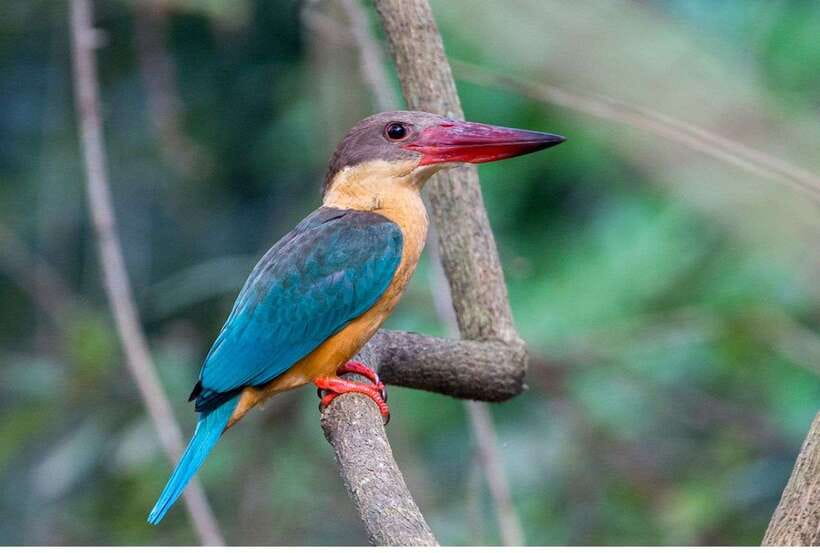
- Bird-spotting opportunities like pond herons and blue kingfishers along the route
- Cinnamon Island and Temple Island stops that mix nature, local culture, and sightseeing
- Kosgoda turtle hatchery conservation with a guided look at the life cycle and release work
- Quick interaction time with baby turtles that feels special, but doesn’t take over the whole day
From Negombo to Balapitiya: how this 6-hour day fits
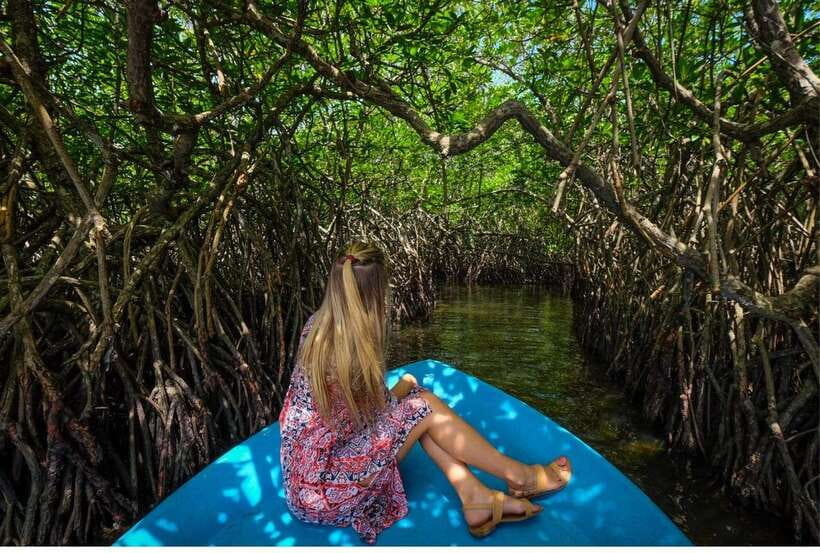
This is a straight, efficient half-day outing. Pickup starts at 8:00 AM, and the day runs about 6 hours total, with your return timed around the early afternoon. If you’re staying around Negombo, the private-vehicle setup is a big part of the value: you don’t waste time negotiating buses or figuring out transfers.
You’ll be picked up from several areas: Waikkal, Wattala, Katunayake, Kammala, or Negombo. And you get a private-group experience, so it’s not a cattle-call tour where you’re stuck waiting on other people. The ride itself matters here because you’re packing two very different experiences into one day: river wetlands and a coastal conservation program.
Keep your expectations aligned with the pace. You’ll have guided time, photo stops, and a bit of free time, but you won’t get hours and hours at a single spot. That’s not a bad thing—it keeps the day from dragging—but it does mean you should come ready to enjoy each stop for what it is.
You can also read our reviews of more tours and experiences in Kosgoda.
Madu Ganga River Safari: wetland wildlife, fishing kraals, and birds
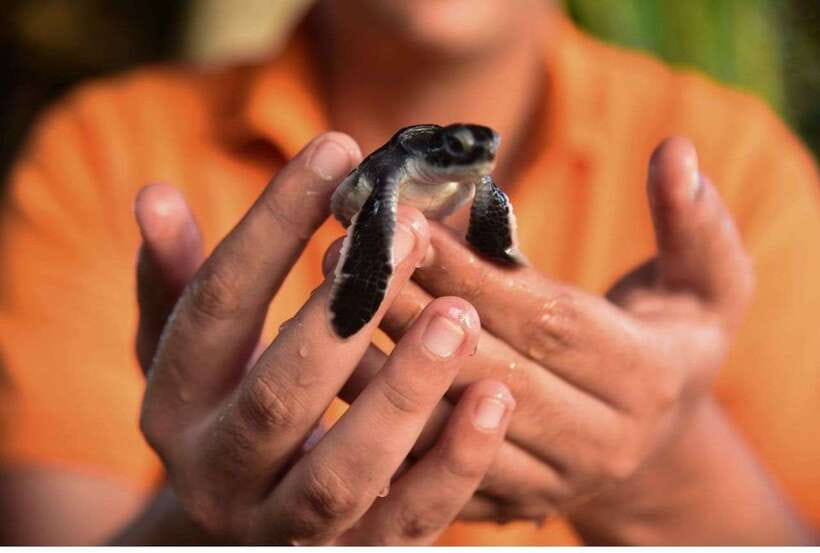
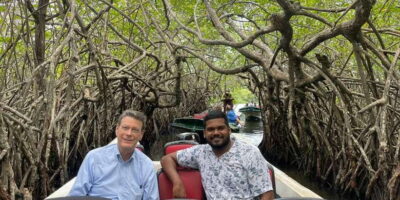
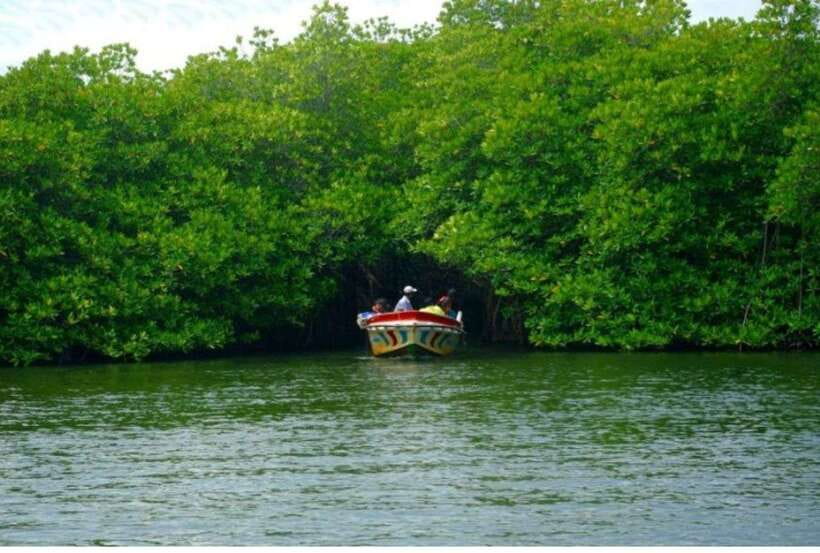
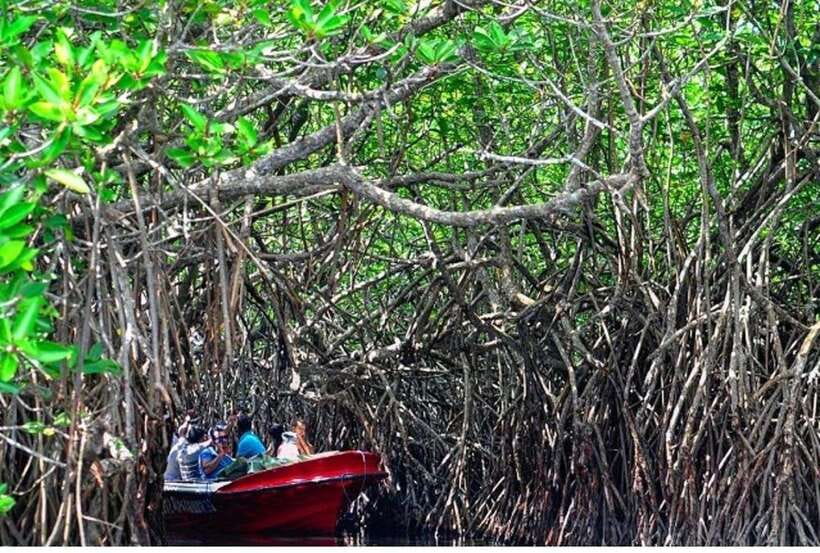
The main event is the boat safari on Madu Ganga. This area covers 915 hectares of coastal wetland, and it’s famous because the river system meets the Indian Ocean. On the water, that mix of freshwater and sea influence is exactly what makes the ecosystem feel alive.
You’ll start with a guided river cruise that includes sightseeing and photo stops. Along the route, you can look out for traditional kraal fishing structures and rowboat fishermen. Even if you’re not a fishing person, seeing how locals work the water up close gives context that you simply don’t get from a postcard view.
Wildlife is part of the point, and the tour is set up for that kind of watching. You’re likely to spot birds such as pond herons and blue kingfishers. If you like spotting details—wing positions, hunting behavior, quick dives—this portion is satisfying because the boat moves slowly enough for you to actually notice things.
The day also includes mention of fish treatment during the trip. Practically, that means you’re not only cruising through scenery—you’re hearing what’s happening in the local wetland economy and how people handle fish along the way. That’s one of the reasons I like this safari format: it’s nature plus real work happening in the background.
One more practical note: since this is a boat day, a charged smartphone is worth its weight in gold. The river views and bird sightings are exactly the kind of moments you want to capture quickly.
Cinnamon Island and Temple Island: nature breaks with a cultural edge
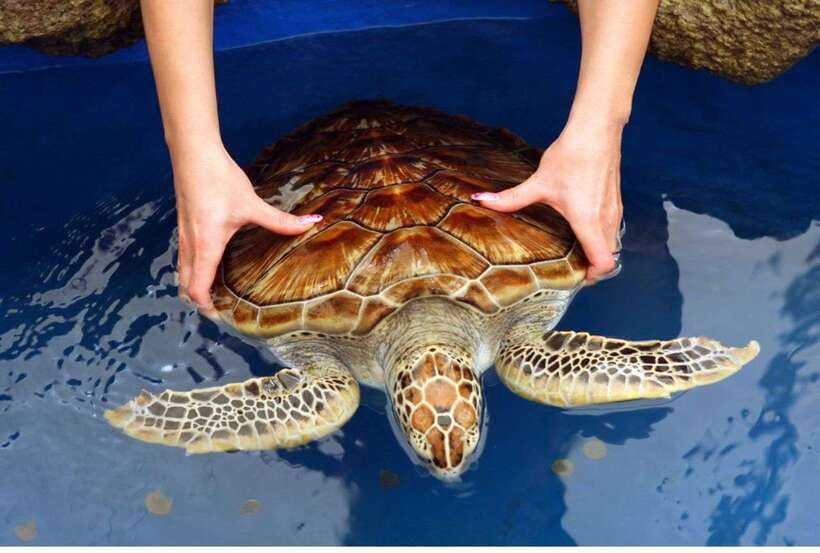
The river doesn’t just go straight through. You’ll also visit Cinnamon Island and Temple Island, which turn the cruise into something more varied than a single long ride.
On Cinnamon Island, the big idea is learning about cinnamon in a way that feels connected to everyday life instead of a factory story. You’ll get time for a visit and sightseeing, and you should treat this as your chance to ask questions about what cinnamon means locally and why it matters here.
Then Temple Island adds a different tone. It’s a smaller cultural stop that balances the natural setting. Think of it as a pause where you can take in the local side of the region while still staying within the flow of the boat safari. If you’re traveling with anyone who gets impatient with long stretches of nature, these island stops help break it up.
In terms of time, don’t expect a huge, multi-hour island program. The day is built for variety, not deep immersion at one location. That’s the trade-off for keeping the total schedule to about 6 hours.
Kosgoda sea turtle hatchery: conservation work you can follow step-by-step
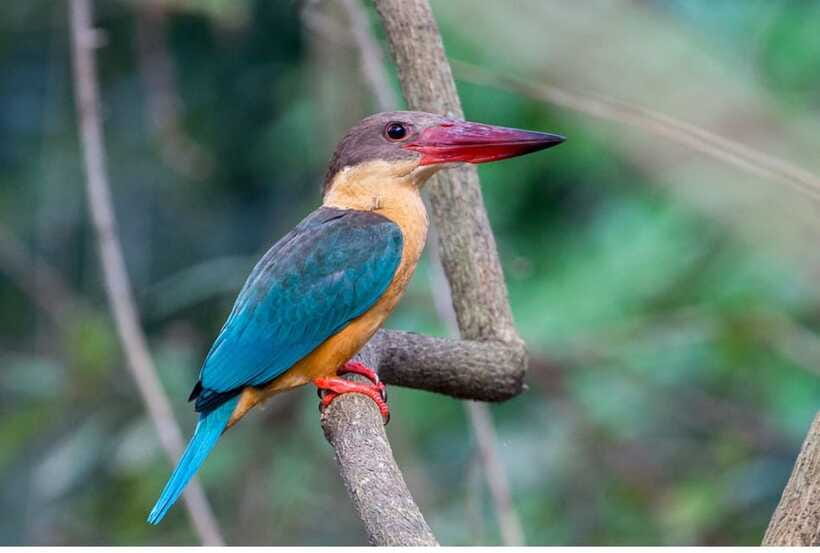
After lunch-time on the clock, the itinerary shifts from wetlands to conservation. Around 1:00 PM, you visit the turtle hatchery in Kosgoda. This is where the day turns more educational and more emotionally engaging.
You’ll get a guided tour focused on sea turtle conservation. The key parts to listen for are:
- how hatchlings grow into adults,
- what makes the hatchery necessary,
- and how the program supports returning turtles to the wild.
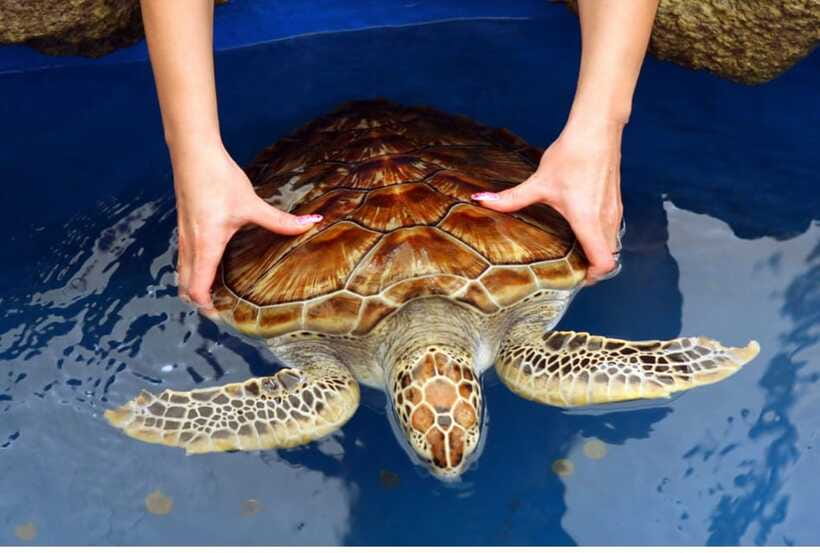
The mission is described as protecting turtles and releasing them back into their natural environment. That matters because it frames the hatchery as part of a system, not just a “turtle attraction.” If you care about animal welfare, this stop gives you something more meaningful than a quick photo moment.
You may also have some free time after the guided portion, and that’s helpful if you want to take photos or just watch how the staff handle the conservation process. Some depictions include short opportunities to interact with baby turtles. If that’s offered during your visit, keep it in mind as a brief, controlled moment—not the main event.
One balanced way to approach this: enjoy the chance to learn, and don’t treat it like a hands-on zoo experience. The value here is understanding the life cycle and the release work.
Why this combo works: wildlife watching plus real conservation
I like tours that connect dots, and this one does. A wetlands boat safari can stay purely observational—pretty views, birds, maybe a quick animal sighting. By adding Kosgoda turtle conservation, you leave with knowledge that lasts longer than the photos on your phone.
This also works well if you’re in Sri Lanka’s south for a short stay. You get two high-interest experiences without having to coordinate separate tickets or drive yourself between locations. The private transport and included boat charges help remove friction, so the day feels like a planned route rather than a series of improvisations.
Another reason this combo makes sense: the pacing is easy. You’re not doing a full-day hike. You’re on water, then in a guided conservation setting. That’s why this style of tour is a good fit for people who want nature and animals but still want comfort.
And if you’re the kind of traveler who loves details—birds, fishing structures, small islands—this tour rewards that attention. You’re not rushing through big scenic viewpoints. You’re moving slowly enough to notice how the wetland functions and how the conservation program operates.
Price and logistics: is $130 good value from Negombo?
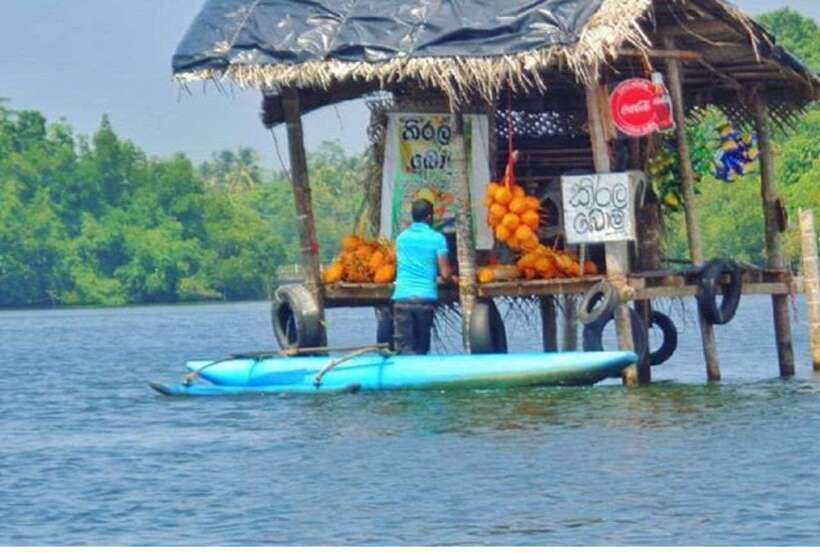
At $130 per person, the price feels reasonable when you look at what’s included. You’re getting:
- private hotel pickup and drop-off by vehicle,
- boat charges for the Madu Ganga safari,
- entrance fees to the Kosgoda hatchery,
- driver charges and fuel surcharge,
- parking fees,
- refreshments and water,
- and government taxes.
That list is important because it covers the usual “surprise add-ons” that can make tours feel expensive later. Here, most of the core costs are already handled, so you can budget with confidence.
You’re also paying for an English live guide and a private-group structure. Even if you only use the guide for the main explanation moments, it’s still time-savers and better context than wandering on your own and guessing what you’re looking at.
What’s not included is not spelled out in detail beyond saying other expenses may apply. Practically, that means you should still plan for personal extras like snacks outside the included refreshments, souvenirs, or any optional costs you may choose on the day.
What to bring (and how to prepare for a smooth day)
Because this is both a boat day and a conservation visit, your prep should match both settings.
Bring:
- a charged smartphone (photos and quick notes),
- a passport or ID card.
I’d also suggest you dress for a tropical morning and boat time: light layers, something comfortable for sitting, and simple sun protection. Even though the tour provides water and refreshments, you’ll enjoy the cruise more if you’re physically comfortable during the ride.
If you want the best viewing experience for birds and wetland life, arrive ready to look rather than just scroll. The boat route gives you that moment-to-moment chance to spot things, and you’ll get more out of it if you slow down.
Should you book it? My take for the right traveler
Book this tour if you want an easy, guided way to see Madu Ganga’s wetlands and also leave with a real conservation story from Kosgoda. It’s especially a good fit if you’re staying around Negombo and you don’t want the stress of figuring out logistics between locations.
Skip it only if you’re chasing an all-day, deeply paced experience with tons of free time. This is a well-structured day with sightseeing, guidance, and quick interaction moments. You won’t have hours to wander on your own, and turtle contact (if offered) is not the kind of experience that should be your only focus.
If your travel style is practical, curious, and animal- and nature-friendly, this is a strong choice.
FAQ
Where does this tour start for pickup?
Pickup is available from Waikkal, Wattala, Katunayake, Kammala, and Negombo.
What time does the tour begin?
The experience begins with pickup at 8:00 AM, with the river safari scheduled for around 10:00 AM.
How long is the tour?
The duration is 6 hours total.
What do I do during the Madu Ganga portion?
You’ll take a boat cruise on Madu Ganga with sightseeing, photo stops, and visits to Cinnamon Island and Temple Island.
What happens at the Kosgoda turtle hatchery?
You’ll visit the Kosgoda sea turtle conservation hatchery, with a guided tour about the life cycle of sea turtles and their conservation and release back into the wild.
Is this tour private and guided?
Yes. It’s a private group with a live English tour guide, and transportation is by private vehicle.
What is included in the price?
Included are hotel pickup and drop-off, boat charges for the Madu River safari, turtle hatchery entrance fees, fuel and driver charges, parking fees, water and refreshments, and government taxes.
What should I bring with me?
Bring a charged smartphone and a passport or ID card.
Can I cancel for a full refund?
Yes. Free cancellation is available up to 24 hours in advance for a full refund.