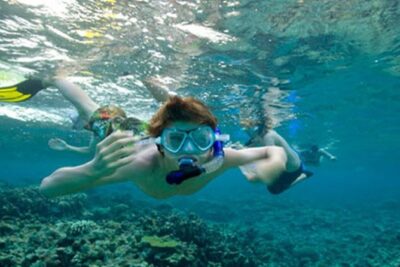
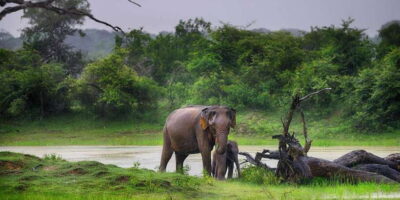
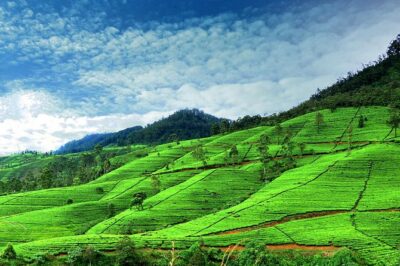
Sea turtles and wetland boat calm in one morning. This Madu Ganga and Kosgoda combo pairs a guided river safari with real conservation work, so the day feels like both sightseeing and something meaningful.
I especially like the slow, watch-anything pace on the water, where you can spot fishermen’s kraal structures and wetland birds without feeling rushed. I also like that the turtle stop is guided and focused on how hatcheries protect endangered sea turtles, not just quick photos.
One thing to consider: this is a packed 6-hour private day, so if you want lots of downtime in between stops, you may find the schedule a bit tight.
In This Review
- Key points you’ll care about
- From Colombo Pickup to Balapitiya: the day starts calm
- Madu Ganga River Safari: wetlands, fishermen, and birds you can actually spot
- Cinnamon Island: small island, big payoff for culture and craft
- Temple Island and local life: a spiritual stop that isn’t just a photo op
- A little fish therapy on the ride: what it means for the experience
- Kosgoda Sea Turtle Hatchery: conservation explained, not just displayed
- Food, timing, and why the 6-hour plan works
- Price and value: is $120 per person fair?
- Who this tour suits best (and who might want a different plan)
- Should you book the Madu Ganga River Safari + Kosgoda Turtle Hatchery day?
- FAQ
- How long is the tour?
- What time does the pickup start?
- Where does the tour take you?
- Is the tour private, and do I get an English guide?
- What is included in the price?
- What should I bring?
- What should I expect at the turtle hatchery?
Key points you’ll care about
- Madu Ganga wetland cruise (915 hectares) with birds like pond herons and blue kingfishers
- Cinnamon Island + Temple Island for culture and a small nature break
- Kosgoda turtle conservation with a clear explanation of the hatchery process and ocean release
- Private hotel pickup/drop-off from Colombo 06, Mount Lavinia, Wattala, and Colombo
- English live guide (a standout name from recent groups is Supun)
- Good value for a full private day with boat charges, entrance fees, taxes, refreshments, and water included
From Colombo Pickup to Balapitiya: the day starts calm
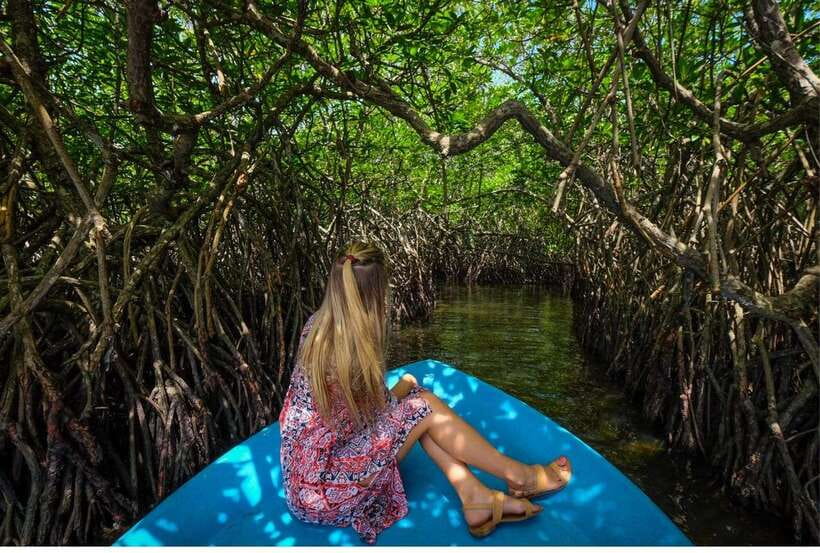
This tour runs on a straightforward flow that makes the drive part of the experience instead of just a necessary chore. You start with hotel pickup around 8:00 AM, heading toward Balapitiya in Sri Lanka’s Southern Province. The goal is simple: reach the wetlands while the water feels peaceful and wildlife spotting is at its best.
I like the fact that your pickup and drop-off options cover multiple areas in Colombo (including Colombo 06, Mount Lavinia, Wattala, and Colombo). It means less guesswork, fewer transfers, and more time focused on the river and the hatchery.
Because it’s a private group with a driver and a live English guide, the experience stays flexible in the moment. You’re not stuck in a huge crowd where you spend more time waiting than learning.
You can also read our reviews of more tours and experiences in Kosgoda.
Madu Ganga River Safari: wetlands, fishermen, and birds you can actually spot
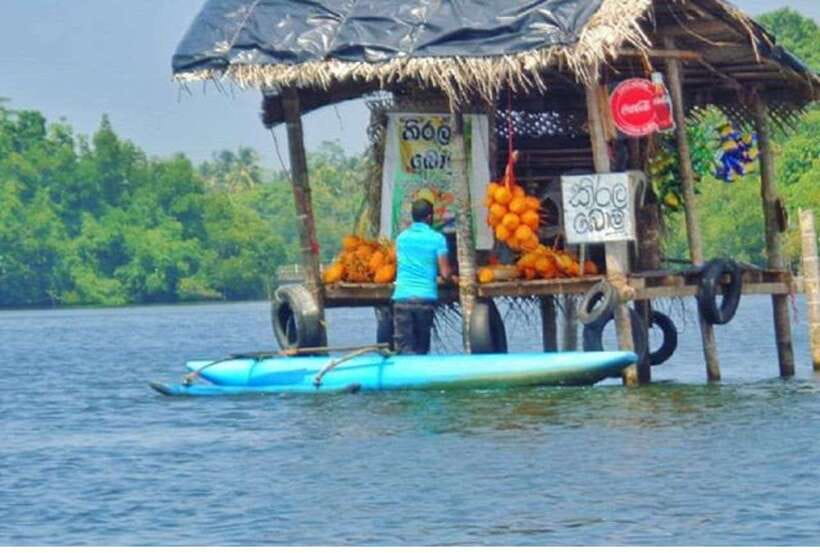
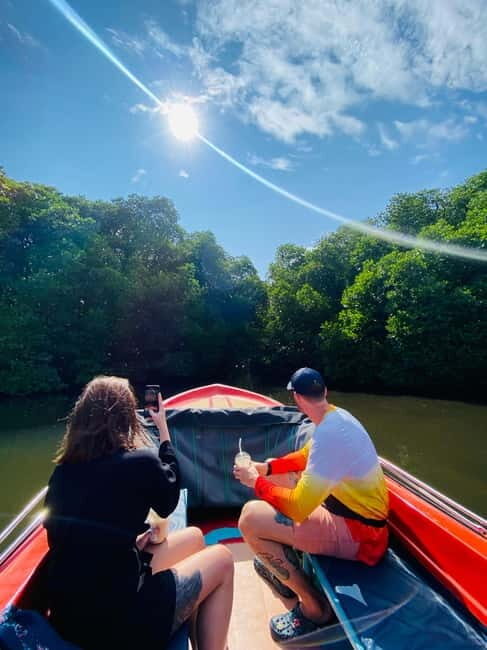
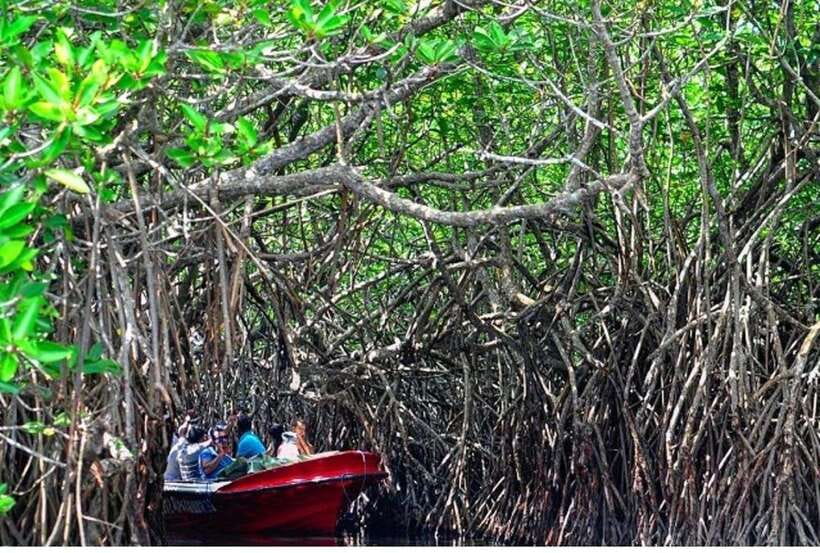
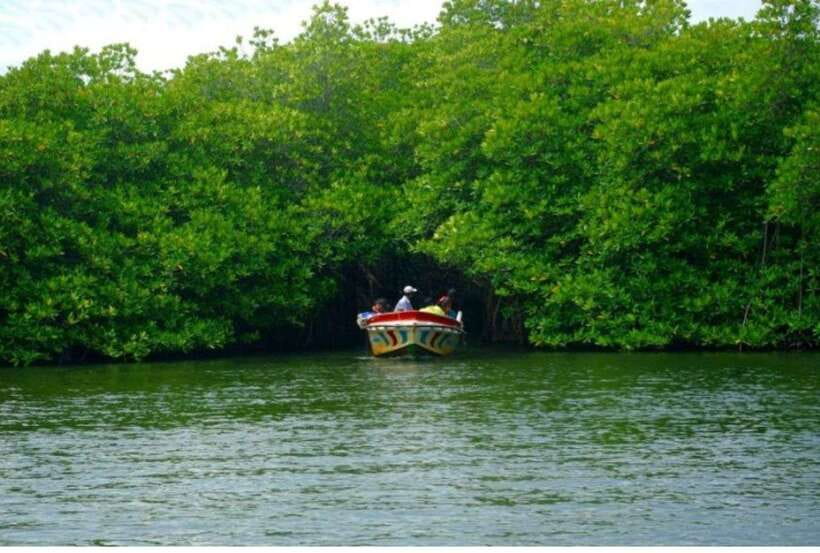
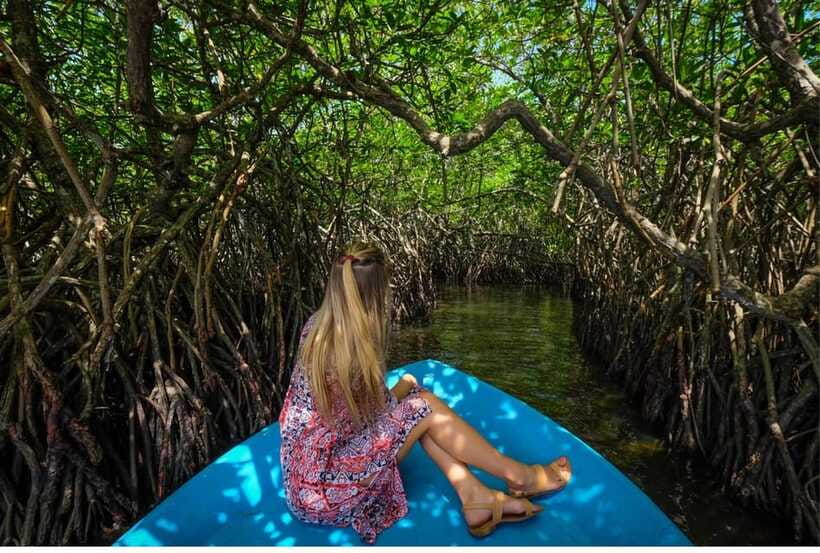
The main event is a guided Madu Ganga river boat safari around late morning, starting close to 10:00 AM. This isn’t a quick “pass-by” cruise. You spend time gliding through the 915-hectare Madu Ganga wetland, where the river meets the Indian Ocean. That wetland-meets-coast geography is part of what makes the scenery feel alive—waterways, islands, and wildlife all show up without you changing locations much.
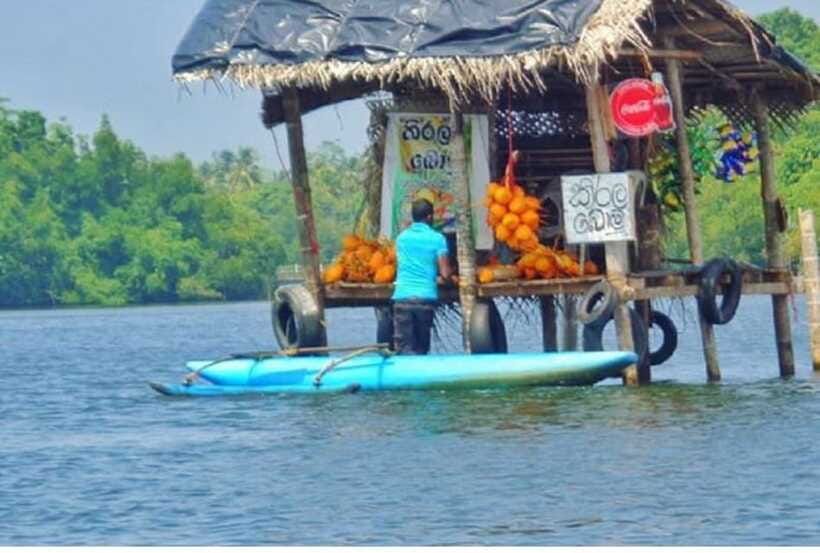
What I like most is how you get to see the area’s working side, not just the scenery. Along the route, you may spot kraal fishing structures and local fishermen in rowboats. Even if you don’t know the first thing about fishing methods in Sri Lanka, watching them operate from the boat gives you a real sense of how people live alongside the wetlands.
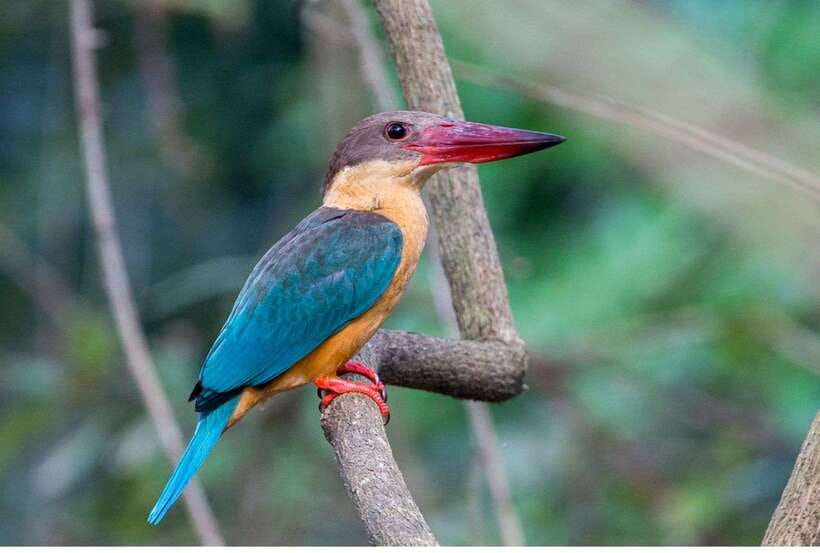
Bird spotting is also a big reason this safari feels satisfying. The cruise is set up so you can look out for pond herons and blue kingfishers. You’ll likely hear birds before you see them, which adds to the “pay attention” feeling—like you’re learning the rhythm of the place.
You’ll also have some built-in pauses: there’s time for photo stops and short free time breaks during the safari window. For most people, that’s the sweet spot: enough flexibility to grab a photo or stand and look around, without losing momentum.
Cinnamon Island: small island, big payoff for culture and craft
After the main cruise stretch, the route typically includes Cinnamon Island, where you get a guided visit tied to cinnamon knowledge. This part works because it’s not just about a plant—it’s about how a local product shapes island life and livelihoods.
I appreciate this stop because it breaks up the water time with a different kind of attention. On the island, you’re moving from “spotting wildlife and birds” to “understanding a crop and local knowledge.” You also get a chance to reset mentally, which matters because the day continues straight on to another major location later.
The tour format here keeps it practical: you’re not forced into a long scripted lecture. Instead, you get the essentials—why cinnamon matters, and what local people do with it—then you get time to look around at a comfortable pace.
Temple Island and local life: a spiritual stop that isn’t just a photo op
Next comes Temple Island, and this is one of those stops where the value is in the atmosphere. You’re there to embrace local culture, not speed through a checklist. The guide’s job is to connect the dots so you can understand what you’re seeing, even if your Sinhala knowledge ends at a few basics.
This is a good moment for you to slow down. Island trips often feel optional, but here the tour structure includes it for a reason: it gives the day emotional variety. You’re not only watching nature; you’re also seeing how community and belief sit alongside it.
If you’re traveling with kids, this segment can work well because it’s visual and easy to follow. One recent family-friendly experience highlighted how the guide stayed kind and patient with two children during the day, which matters on stops like this.
A little fish therapy on the ride: what it means for the experience
The safari doesn’t end at viewpoints and island visits. There’s also a fish therapy experience mentioned as part of the boat ride. I’ll be honest: this isn’t everyone’s favorite activity, but it’s exactly the kind of local “this is what people do here” moment that makes the day feel less generic.
If you’re curious, it’s worth treating it as a quick novelty tied to the local setting. If you’re not into it, you can still enjoy the surrounding parts—the birds, fishermen, and island scenery don’t disappear while you pass on it.
This is also where having a private guide helps. You can ask questions, get advice on what’s coming next, and keep the day comfortable for your group.
Kosgoda Sea Turtle Hatchery: conservation explained, not just displayed
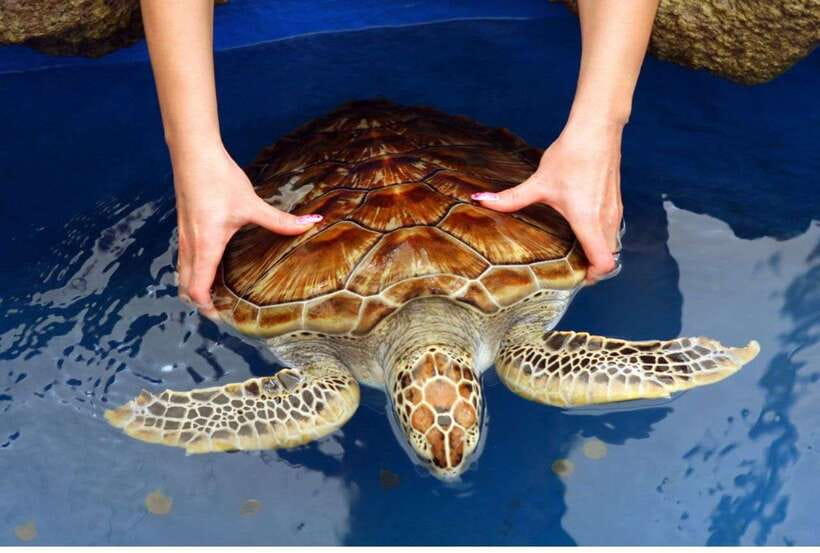
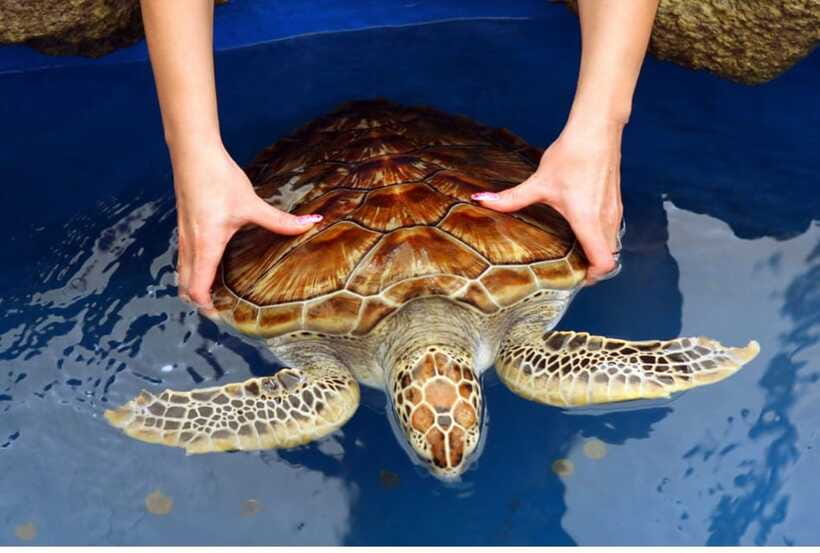
Around 1:00 PM, the tour heads to Kosgoda for sea turtle conservation at the hatchery. This is the stop that turns the day from nature viewing into something more grounded. You’re there to learn about the life cycle of sea turtles and the hatchery’s role in protecting endangered species.
Here’s the part I find most valuable: the guide focuses on the process, including how turtles are released back into the ocean. That “from care to ocean release” storyline is what makes conservation visits feel real. You’re not just seeing animals behind barriers; you’re learning why those barriers exist and what happens next.
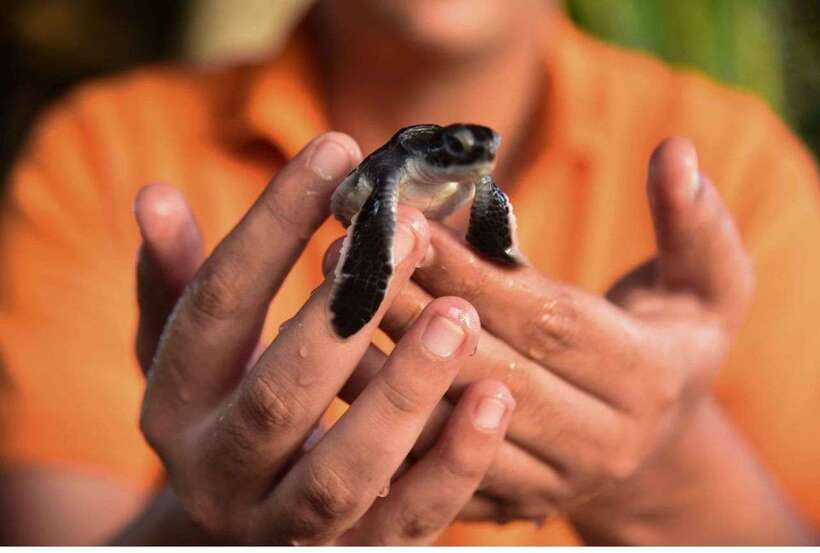
In a highlight from a recent booking, the favorite moment was seeing and even holding baby sea turtles during the visit. That kind of close contact can be memorable, especially if you like animal experiences that go beyond distant observation.
At the same time, it’s good to keep your expectations sensible. Hatchery operations depend on conditions and hatchling schedules, so the most important thing you should look for is the explanation and the conservation focus—not the guarantee of any specific animal interaction.
Food, timing, and why the 6-hour plan works
The tour wraps back around 2:00 PM with return transport to your hotel, finishing around mid-afternoon. In theory, that’s not a lot of hours for two locations and a boat cruise. In practice, it often works because the stops are built for a flow: water first, then hatchery learning.
You also get complimentary refreshments and water, which helps on a day that starts early. That small inclusion matters because it keeps you comfortable during the transitions, especially if you’re coming straight from a morning routine.
The pace is “active but not frantic.” Still, since it’s a full program, I’d plan for some light walking around island areas and hatchery grounds, and bring the mental mindset that this is a guided circuit rather than a slow wander.
Price and value: is $120 per person fair?
At $120 per person for about 6 hours, the price is easier to judge when you look at what’s included. This isn’t just a guide and directions. You get:
- Private hotel pickup and drop-off by vehicle
- Boat charges for the Madu Ganga safari plus entrance fees to the Kosgoda hatchery
- Fuel surcharge and driver charges
- Parking fees covered
- Refreshments and water
- All government taxes included
For me, the value comes from avoiding the usual Sri Lanka day-trip headache: piecing together boat costs, entrance tickets, and transport fees separately. When those are bundled, you spend less time counting money and more time enjoying the day.
The private format also matters. Sharing a ride and boat with a smaller group can make it easier to hear the English guide, ask questions, and keep the kids comfortable. One review even singled out the friendliness of the guide (Supun), which is a good reminder that the human piece is part of what you’re paying for.
Who this tour suits best (and who might want a different plan)
This day works especially well if you want a balanced mix of:
- Wetland wildlife sightseeing (birds, fishermen, and calm river scenery)
- Culture stops (Cinnamon Island and Temple Island)
- A conservation learning experience (Kosgoda hatchery with life cycle and release)
It’s also a good match for families. One of the standout comments from recent guests noted how the guide was kind and sweet to two children. If you’re traveling with kids, that kind of guided attention can make a big difference.
If you’re the type who needs long unstructured time—hours to linger, no schedule pressure—this may feel too full. The upside is that you’ll still get the big moments. The downside is that you won’t have days to repeat them.
Should you book the Madu Ganga River Safari + Kosgoda Turtle Hatchery day?
I’d book it if you’re looking for a single, well-rounded day: river beauty in Balapitiya plus a conservation-focused hatchery visit in Kosgoda, all handled with private pickup and an English-speaking guide.
You might skip it if you want a slower, less scheduled pace, or if you’re mainly interested in one thing (only beaches, only wildlife, or only animal interaction). In that case, another style of day trip might fit better.
If you do book, I’d treat it as an experience with two moods: first, quiet spotting on the water; then, purposeful learning at the hatchery. That contrast is exactly what makes this itinerary memorable.
FAQ
How long is the tour?
The tour lasts 6 hours.
What time does the pickup start?
Pickup starts at around 8:00 AM.
Where does the tour take you?
You visit Madu Ganga near Balapitiya for the river safari and then go to Kosgoda for the sea turtle conservation hatchery.
Is the tour private, and do I get an English guide?
Yes. It is a private group with a live tour guide in English.
What is included in the price?
The price includes hotel pickup/drop-off, boat charges and entrance fees, fuel and driver charges, parking fees, refreshments and water, and all government taxes.
What should I bring?
Bring a charged smartphone and a passport or ID card.
What should I expect at the turtle hatchery?
You’ll get a guided visit to learn about sea turtle life cycle, the hatchery’s turtle protection role, and the process of releasing turtles back into the ocean.