Rock, relics, and sea whales in one route. This 12-day private trip from the Katunayake area is run by Bhathiya, a licensed chauffeur tourist guide lecturer, mixing ancient capitals, tea hills, and national parks. I love how the private chauffeur-guide keeps the long drives smooth and the stories easy to follow, and I also love the Sigiriya village day with tuk-tuk, a boat ride, and a cooking demonstration. The one possible drawback: many major sights and big activities come with extra entrance fees and add-ons you pay separately.
You start near 94 Negombo Rd, Katunayake, then you travel north to Anuradhapura and Polonnaruwa, up to Sigiriya and Kandy, and later down through Adam’s Peak, Ella, Yala, Udawalawe, and the south coast. It’s a very full schedule, so it’s best when you’re happy with early starts, long transfers, and active days like rafting and hiking.
In This Review
- Key things I’d watch before booking
- Starting Point in Negombo and the Real Pace of 12 Days
- Bhathiya Tours: Why a Private Chauffeur-Guide Makes This Easier
- Price and Logistics: What’s Included in $1,100 and What’s Extra
- Anuradhapura and Polonnaruwa: UNESCO Ancient Cities With Strong Spiritual Energy
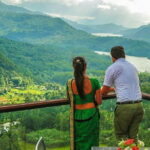
- Sigiriya: Rock Fortress Views and a Village Day That Feels Real
- Dambulla Cave Temple and the Kandy Transition: From Buddha Images to Spice Stops
- Temple of the Sacred Tooth Relic and Kandy’s Cultural Show
- Adam’s Peak, Rafting on the Kelani River, and Ramboda Tea Time
- Tea Country by Factory Tour and the Nanu Oya to Ella Train Ride
- Yala and Udawalawe Safaris, Then Galle Fort and Mirissa Whales
- Who This Trip Suits Best
- Should You Book Bhathiya’s 12-Day Sri Lanka Route?
- FAQ
- How long is the Sri Lanka experience?
- Where does the tour start and end?
- What is included in the price of $1,100 per person?
- What is not included?
- Is the tour private or shared?
- Is pickup from the airport area available?
- Can I get a full refund if I cancel?
Key things I’d watch before booking
- Private door-to-door start from 94 Negombo Rd, Katunayake with air-conditioned transport for the whole run
- Bhathiya’s “chauffeur tourist guide lecturer” approach, backed by 17 years in Sri Lanka tourism and fully insured vehicles
- Sigiriya village tour format: tuk-tuk ride, boat crossing, paddy-field walk, cooking demo, and a Sri Lankan lunch/snack
- Two wildlife parks in different regions: Yala first, then Udawalawe for elephants and water birds
- A big hill-country stretch: Adam’s Peak views plus tea-country train ride from Nanu Oya to Ella
- Classic south-coast finale: Galle Fort area, then Mirissa blue-whale watching, then Unawatuna beach time
Starting Point in Negombo and the Real Pace of 12 Days
This trip is built for people who want a lot of Sri Lanka in one go. You begin close to the airport area, near Negombo/Katunayake (the start point is listed as 94 Negombo Rd), and day one pushes you straight to the ancient heartland with about a 5-hour drive to Anuradhapura.
Expect a mix of long sightseeing days and travel-heavy days. The itinerary has a few “breathing space” moments too, like city tours where time is flexible and some stops are listed as free of charge for entry. Still, between the north-country ruins, the hill-country climbs, and two safaris, your comfort level with a busy schedule matters.
If you hate rushed days, you can still make this work by choosing slower mornings where possible and keeping your evenings low-key. The transport is air-conditioned and private, which helps a lot when roads take time.
You can also read our reviews of more tours and experiences in Negombo.
Bhathiya Tours: Why a Private Chauffeur-Guide Makes This Easier
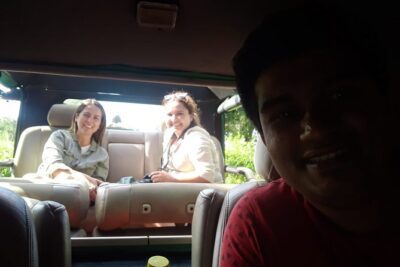
The biggest value here isn’t just the route. It’s the fact that you’re traveling with one team that handles the car, the timing between sites, and the explanations.
Bhathiya is presented as a licensed chauffeur tourist guide lecturer, and the service includes fully insured vehicles plus a group of chauffeur guides. That matters on a trip like this, because you’re not only visiting places—you’re moving between them, often across provinces. With a single guide setup, you avoid the awkward day-to-day puzzle of meeting drivers, re-explaining your plans, and losing time.
The tour also includes the “behind-the-scenes” costs: parking fees, fuel, insurance, highway tolls, and taxes. So you’re not constantly thinking about who pays what when you’re on the road.
From the descriptions of past interactions, there’s also a personal attention to detail that families and couples have appreciated—prompt communication ahead of the trip, plus small welcome gestures (like photos and even a cake mentioned in feedback). If you like your travel to feel looked after, this style fits.
Price and Logistics: What’s Included in $1,100 and What’s Extra
The base price is $1,100 per person, and it includes:
- Air-conditioned vehicle and private transportation
- Parking fees, fuel + insurance + all taxes + highway tolls
- Fully knowledgeable legal chauffeur tourist guide lecturer
- Breakfast (listed as 11 breakfasts)
What’s not included is the part that usually surprises people: lunch and dinner with drinks, plus many entrance fees and several paid activities.
Here’s a helpful way to think about it. If you add up the listed adult fees for the major paid items (and assume you choose to do everything listed as not included), the total extra is about $441 for adult rates:
- Ayurveda & herb massage: $40
- Anuradhapura sacred city entrance: $25
- Polonnaruwa remains: $25
- Sigiriya Lion Rock: $30
- Dambulla Cave Temple: $10
- Royal Botanical Gardens: $10
- Temple of the Sacred Tooth Relic: $10
- Kandy Cultural Show: $10
- White water rafting: $30
- Train ride Nanu Oya to Ella: $10
- Yala National Park: $43 + safari jeep/driver $55
- Udawalawe National Park: $43 + safari jeep/driver $50
- Blue whales watching: $50
Some stops are marked as free of charge (like certain city tour segments), so your final add-on total may be lower if you skip one or two things. But the safe expectation is: you’re paying for the “big ticket” experiences separately on top of the base.
This is still good value when you compare it to the cost of arranging long drives, a guide, and two safaris on your own. Just plan cash for entrance tickets and the paid adventure blocks.
Anuradhapura and Polonnaruwa: UNESCO Ancient Cities With Strong Spiritual Energy
Day one starts at Mahamevnawa Dhammachethiya Buddhist Monastery in Anuradhapura. It’s a World Heritage site (UNESCO listing noted as 1982) and described as the first ancient capital in Sri Lanka, sitting along the Malwathu Oya River. The guide context here is the long timeline: a kingdom lasting centuries, ruled by many kings, stretching from roughly the 4th century BC to the 11th century AD.
What I like about this stop is that it’s not only ruins. It’s framed as a sacred place still used today, with Buddhist monasteries and pilgrimage energy. That makes the visit feel alive rather than like a museum stop.
Then day two shifts to Polonnaruwa, home to the Vatadage area (and included time there). Polonnaruwa is also a UNESCO World Heritage Site. The story ties the Sinhalese kingdom and the Chola dynasty together—Chola after invasion led to the city being renamed Jananathamangalam. That kind of historical linking helps you see why the architecture and layouts evolved instead of just memorizing names.
One practical consideration: these are large archaeological areas. Comfortable shoes help, and if you’re sensitive to heat, go early in the day.
Sigiriya: Rock Fortress Views and a Village Day That Feels Real
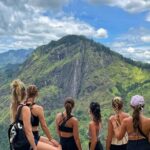
Sigiriya is the anchor stop of the route. You get Sigiriya The Ancient Rock Fortress, a UNESCO-listed World Heritage Site. The description here highlights how it was once a palace crowned on the rock, then later abandoned after the king’s death and used as a Buddhist monastery until the 14th century. You also get the “wow” of the preserved ancient urban planning and the famous fresco paintings.
If you’re the type who likes big viewpoints and iconic photos, this is your day.
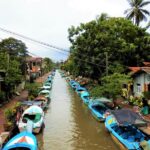
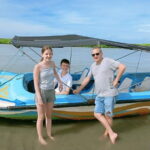
The second highlight is the Sigiriya Craft Village tour, which is structured for more than sightseeing. It starts with a tuk-tuk ride near the village pond, then a boat ride to the next side. After that you walk through paddy fields and vegetable cultivation to reach a village house. A cooking demonstration with village women comes next, followed by a traditional Sri Lankan lunch or snacks, then the tuk-tuk back.
This is the part I think you’ll remember most, because it’s not just about what the guide says—it’s about what you do. It’s also a nice change after heavy historical sites, since your senses shift to food, daily farm life, and the pace of rural Sri Lanka.
Note on logistics: entrance to Lion Rock is a paid add-on, but parts of the Sigiriya city tour are listed as free. So you can manage the spend depending on your priorities.


Dambulla Cave Temple and the Kandy Transition: From Buddha Images to Spice Stops
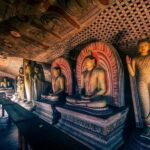
After Sigiriya, day four moves to Dambulla Cave Temple, a large cave-temple complex described as nearly 2,000 years old, built around the 1st century. The guide framing is very specific: it holds more than 150 Buddha images, including a colossal Buddha carved into the rock spanning 14 meters. It’s also described as a major Buddhist pilgrimage center in South Asia.
The cave paintings tend to draw attention fast, but what makes this stop work is the scale—there’s a lot to see, and the visit fits into a 2-hour slot without feeling like you’re being rushed.
Then you travel to Kandy, with a set of stops designed to break up the drive time into meaningful cultural stops. You visit a spice garden and also go through wood carving and batik factory experiences.
What I like about the spice garden part is the practical connection to Sri Lankan food. Herbs and spices are explained as key to local cuisine—leaves for herbs, seeds/bark/root for spices—so the information helps you understand what you’ll likely taste later.
You also get the Royal Botanical Gardens in Kandy. It began as the king’s pleasure garden, later becoming public. The garden is famous for orchids and is described as having more than 4,000 plant species, plus a national herbarium attachment. It’s near the Mahaweli River and sits at about 460 meters above sea level, which helps explain the slightly cooler feel compared to lower regions.
Temple of the Sacred Tooth Relic and Kandy’s Cultural Show
Day five centers on Kandy’s spiritual landmark: the Temple of the Sacred Tooth Relic (Sri Dalada Maligawa). This is described as housing the relic of Buddha’s tooth and being central to local politics historically, since the relic was believed to confer governance. The relic was historically held by Sinhalese kings, and the temple sits in the royal palace complex of the former Kingdom of Kandy. UNESCO recognition is noted as part of the temple’s importance.
Then comes Kandy’s evening culture: a Kandy Cultural Dance Show at Kandy Lake Club. The schedule notes up-country and low-country dancing, and it ends with walking on the fire. The show fee is listed as $10 per person (adult).
This is where I’d match your expectations to the experience. You’re not just watching a show—you’re seeing performance traditions tied to regional identities. If you’re open to it, the fire-walking element makes the evening memorable even if you’re not a dancer yourself.
Shopping time is listed as optional, and you can browse items like wood, copper, silver, hand looms, batiks, gems, jewelry, and reed ware. The key is to treat shopping as optional, not mandatory—your schedule still includes a Kandy city tour afterward.
Adam’s Peak, Rafting on the Kelani River, and Ramboda Tea Time
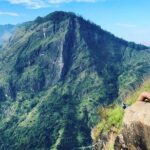
Day six is the “adventure and recovery” day. You head to Adam’s Peak (Sri Pada), described as 2,243 meters tall, with the sacred footprint near the summit. The story is multi-faith: in Buddhist tradition it’s associated with Buddha’s footprint, in Hindu tradition with Shiva, and in Islamic and Christian traditions with Adam or St. Thomas.
The tour notes that if you find hiking difficult, you can still enjoy the views without going all-in. That’s a big deal. It means you can aim for the best effort you feel good about that day, instead of being forced into a harsh summit push.
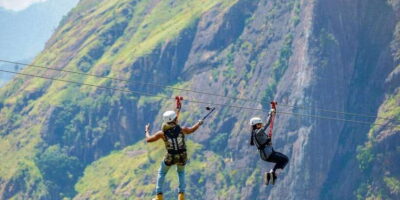
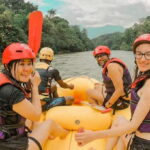
Then you shift to Royal White Water Rafting in Kitulgala on the Kelani River. This is hands-on. The description includes modern rafts, safety gear, a comprehensive safety briefing, and an option for participants age 10 and above. The route covers 5 major rapids and 4 minor rapids over about 5 km. It’s short enough to fit your day, but intense enough to feel like a real highlight.
After that, you travel to Ramboda for a city tour. Ramboda is described as cool, misty, and framed by tea bushes and waterfalls, with tea-time downtime that helps your legs recover.
Pack for layers. Hill-country days can feel different from one hour to the next.
Tea Country by Factory Tour and the Nanu Oya to Ella Train Ride
Days seven and eight are classic hill-country Sri Lanka: tea processing, cool mountain air, and rail views.
You start at Damro Labookellie Tea Centre and Tea Garden, with a tea factory tour and plantation time. The information is also quite concrete: Sri Lanka is described as the world’s fourth-largest tea producer. Tea is presented as a major export and a key job source for over 1 million people. You’ll learn that tea is made in three varieties—white, green, and black—and the tour highlights the processes.
Then you go to Nanu Oya railway station for the train ride to Ella. The train segment is described as about 3 hours, through tea plantations, tunnels, and views of waterfalls. The wording calls it one of the best scenic train rides, and the route style is exactly why the Sri Lanka hill-country train is so famous.
After you reach the Ella side, you get a Nuwara Eliya city tour and then an Ella city tour. Nuwara Eliya is framed as a summer resort with temperate climate, tea plantations, and golf links. Ella is described as a small mountain village at about 1,041 meters above sea level, with a more relaxed feel.
Day eight gives you hiking-light viewpoints and iconic rail architecture:
- Little Adam’s Peak View Point at around 3 hours, timed especially well for sunset views
- Nine Arches Bridge, described as the bridge in the sky and built in 1923 as a colonial-era railway construction using stone bricks and cement due to iron limitations
Even if you’re not a hardcore hiker, this day is built for great photos with manageable effort.
Yala and Udawalawe Safaris, Then Galle Fort and Mirissa Whales
Day nine turns from hill-country into wildlife. You start with Rawana Falls (about 30 minutes). Then you travel to Yala National Park for a safari outing.
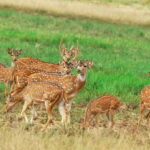
Yala is described as the most visited and second largest national park in Sri Lanka, covering 979 square kilometers. It’s known for a variety of animals and is highlighted for conservation of Sri Lankan elephants and for sightings possibilities including leopards and bears, plus aquatic birds. The itinerary labels this as a safari-camping day, but the key paid add-on you should budget for is the safari jeep and driver.
Day ten switches to Udawalawe National Park. It’s described as being created to protect wildlife, established on 30 June 1972, and it covers 30,821 hectares. It’s framed as important habitat for water birds and Sri Lankan elephants. Like Yala, it’s another day built around the safari jeep experience, with safari time listed as 4 hours.
Then you head to the coast for Galle. Galle is described as the capital of southern Sri Lanka since 1587, when the Portuguese annexed it and built its first fortress called Santacrusz. Today, the UNESCO recognition is noted for the fort heritage, and the area’s architecture and even dress influence are described as reflecting Portuguese, Dutch, and British eras. You get about 3 hours to explore the city.
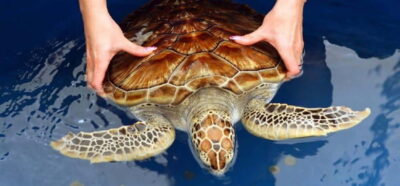
Day eleven brings ocean life. You go to Mirissa for whale watching for 5 hours, with the big target being blue whales. The description emphasizes that blue whales are the largest animals ever to live on Earth and that they feed on tiny marine life called krill.
Then there’s Unawatuna, about 1 hour away, with around 5 hours listed to relax on the banana-shaped beach with golden sand and turquoise water.
Finally, day twelve finishes with the drive back to the airport area (about 3 hours from Galle to Katunayake) or a drop to your ending point.
Who This Trip Suits Best
This tour fits best if you want a well-paced one-team experience across multiple Sri Lanka regions. You’ll likely enjoy it most if you:
- Like historical sites but also want hands-on moments (Sigiriya village tour, cooking demo)
- Can handle active days: Adam’s Peak hiking time and Kelani River rafting
- Want two safari days rather than only one
- Prefer private transport so your day doesn’t fall apart when timing gets tight
If you dislike big driving days, or if your ideal trip is slow and minimal, you might find this schedule too full. The add-ons also matter for budget planning.
Should You Book Bhathiya’s 12-Day Sri Lanka Route?
Yes, consider booking if you want a strong “greatest hits” route with one private chauffeur-guide team, and you’re happy to pay entrance tickets and activity add-ons separately. The value shows up in the included transport and guide coverage, plus the fact you’re not only seeing ruins—you’re also doing a village food experience, taking a scenic train ride, and covering two wildlife parks.
I’d skip or rethink it if you’re on a tight budget for entrance fees, or if you want a lighter itinerary with more downtime between stops.
If you do book, plan your spending for the paid items, wear comfortable shoes for the sacred sites, and treat the hill-country and wildlife days as the core moments of the trip.
FAQ
How long is the Sri Lanka experience?
It’s listed as approximately 12 days.
Where does the tour start and end?
The meeting point is listed as 94 Negombo Rd, Katunayake, Sri Lanka, and it ends back at the meeting point. The final day also notes it can end at the airport or in your destination depending on departure time.
What is included in the price of $1,100 per person?
Included items are an air-conditioned vehicle, private transportation, parking fees, fuel plus insurance plus all taxes plus highway tolls, a legal chauffeur tourist guide lecturer, and breakfast (11 breakfasts).
What is not included?
Lunch and dinner with drinks are not included. Also not included are the Ayurveda and herb massage entrance fees, and many attraction entrance fees plus paid activities like rafting, the Nanu Oya to Ella train ride, park fees and safari jeep/driver costs, and blue whale watching.
Is the tour private or shared?
This is listed as a private tour/activity, so only your group participates.
Is pickup from the airport area available?
Pickup is offered, and the itinerary references airport or pickup point timing for the first major transfer.
Can I get a full refund if I cancel?
Free cancellation is available, and you can cancel up to 24 hours in advance for a full refund. If you cancel less than 24 hours before the experience start time, the amount is not refunded.