Polonnaruwa’s stone carvings hit harder than photos. This day trip packs major Buddhist sites plus Hindu-linked monuments into one historic circuit, and I love that you’re not stuck in a bus all day—you’re walking among the ruins at a good pace. I also like that you get an English-speaking driver/guide support (and in at least some departures, the guide Anush is singled out for being helpful and patient). One thing to plan for: it’s a 14-hour outing with a moderate amount of walking and temple dress rules, so bring sensible shoes and be realistic about your energy.
In This Review
- Key Points You’ll Appreciate
- Polonnaruwa’s Ancient City Feel: Stones, Shrines, and Real Scale
- The Colombo-to-Polonnaruwa Day Plan (and Why 14 Hours Works)
- Shared transfer reality
- Breakfast and Lunch Stops: Practical Energy for Walking Temples
- Polonnaruwa on Foot: How the Guided Circuit Helps You Understand the Ruins
- Lankatilaka Gedige: Brick-and-Stone Power With a Temple Mindset
- Gal Vihara: The Stone Buddha Sculpture Moment
- Demala Maha Seya: When You See More Than One Kind of Sacred Space
- Thuparama and Topa Wewa: The Water Story Behind the Sea of Parakrama
- Why the water stop matters
- What You Need to Bring (and the Temple Rules You Can’t Skip)
- Who This Polonnaruwa Day Trip Fits Best
- Price and Value: Is $111 Worth It?
- Should You Book This Polonnaruwa Day Trip?
- FAQ
- How long is the Polonnaruwa day trip from Colombo?
- What is included in the price?
- Are entrance fees included?
- Do I need a local Sri Lankan guide?
- What stops and sites are part of the visit?
- Is moderate walking involved?
- What should I bring?
- What are the temple dress rules?
Key Points You’ll Appreciate
- A guided walk through Polonnaruwa’s most important shrines focused on Buddhism and Hinduism
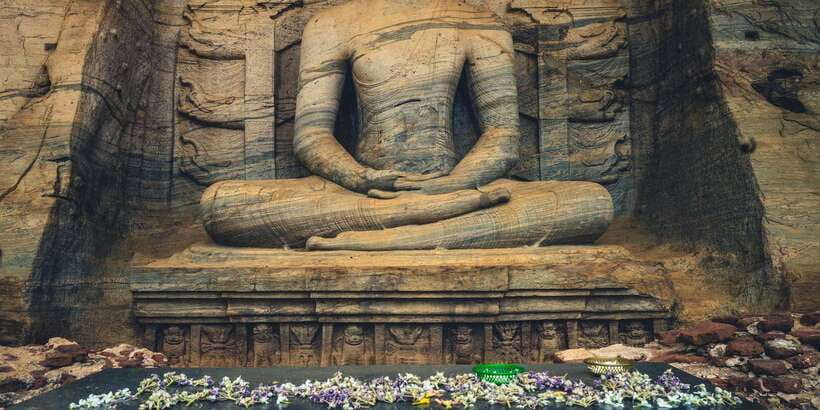
- Gal Vihara’s Buddha statues as a must-see centerpiece for the whole ancient city
- Lankatilaka Gedige, Demala Maha Seya, and Thuparama to understand how the monuments work together
- Topa Wewa and the Sea of Parakrama for the water-and-belief side of Polonnaruwa
- Colombo pickup and drop-off with bottled water, but entrance fees and a local guide aren’t included
- Comfort and care from the driver, including calm attention to timing and safe, comfortable transport in at least some departures
Polonnaruwa’s Ancient City Feel: Stones, Shrines, and Real Scale
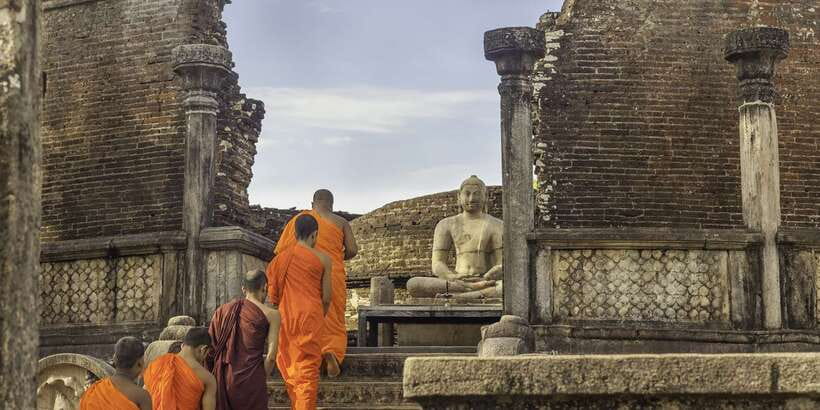
Polonnaruwa isn’t just a pile of old walls. It’s a working example of how an ancient capital shaped daily belief—mostly through Buddhist and Hindu monuments built close enough together that you can mentally map the city. What makes this trip especially satisfying is the mix: you’re not only chasing statues; you’re seeing temple architecture, image shrines, and sacred spaces that connect to the bigger story of Sri Lanka’s Cultural Triangle.
Also, Polonnaruwa tends to reward patience. In one area you’re looking at a temple complex; in another you’re staring at stone Buddhas that feel oddly personal. The scale is what gets you. Even when you know you’re seeing remnants, the remaining forms still show ambition—huge enough to dominate the landscape and engineered enough to last.
One practical note up front: you’ll be visiting Buddhist and Hindu sites, which means you’ll follow temple etiquette. That’s not hard, but it is part of the rhythm of the day.
You can also read our reviews of more tours and experiences in Colombo.


The Colombo-to-Polonnaruwa Day Plan (and Why 14 Hours Works)
This is a 14-hour day trip, designed for visitors who want Polonnaruwa without staying overnight. It starts with pickup from your Colombo accommodation, then you’ll move into the morning routine with a breakfast stop at a local restaurant.
From there, you transition from modern traffic and roadside life to the Cultural Triangle zone where time feels slower. Once you arrive, the core experience is a guided visit and sightseeing on foot, focused on the most important monuments. The total time in the ancient city is long enough to feel like a real walk-through, not a quick drive-by.
Then comes the reset portion: a break at a local restaurant for lunch (plus time to stretch your legs), and after that you return to Colombo. Because the transfer times depend on traffic and timing, plan to stay flexible and not treat the schedule like a stopwatch.
Shared transfer reality
The ride is a shared transfer, so you may be picking up or dropping off other passengers along the way. That’s normal, but it’s why the day is long. If you’re the type who gets anxious when timelines slip, bring a calm mindset—or a backup snack, if you tend to run hungry.
Breakfast and Lunch Stops: Practical Energy for Walking Temples
Before you hit the ruins, you’ll stop for breakfast at a local restaurant. This matters more than it sounds: Polonnaruwa walking plus sun can drain you faster than you expect, and starting with a real meal helps you enjoy the site rather than constantly calculating energy.
Later, you’ll have a restaurant break that includes a lunch stop and free time for things like walking and local snacks. The schedule also suggests drink options like coffee and tea, and there’s even mention of beer at the restaurant break. Food and drinks are not listed as fully included in the overall package, so think of lunch as part of the day plan—then be ready to pay for what you choose.
What I’d do in your shoes: treat the restaurant breaks as a chance to cool off, rehydrate, and go easy on heavy, greasy food. You’ll want your head clear for sculpture details.
Polonnaruwa on Foot: How the Guided Circuit Helps You Understand the Ruins
Once you’re in the ancient city, the experience is built around a guided circuit and sightseeing with walking. This is the right approach for Polonnaruwa because the monuments aren’t all “stand alone.” A good guide helps you spot why an image shrine was placed where it was, and how different religious influences show up across the site.
Even if you’re not a deep-archeology person, a guided walk improves the visit because you’re not just staring at stones. You’re connecting them—temples with their design logic, statues with their spiritual purpose, and sacred water features with what they symbolized in the city’s life.
A bonus from the people leading these trips: some guides are praised for being attentive and patient with questions. If you end up with someone like Anush, you’ll likely get help adjusting the day when you slow down, want extra time at a spot, or need to regroup in the heat.



Lankatilaka Gedige: Brick-and-Stone Power With a Temple Mindset
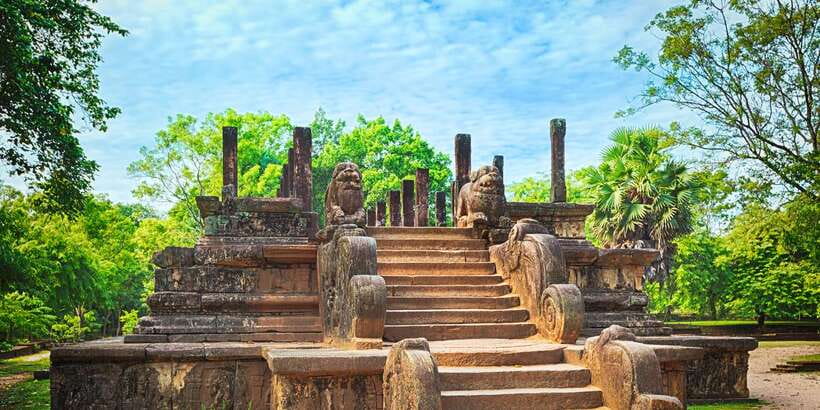
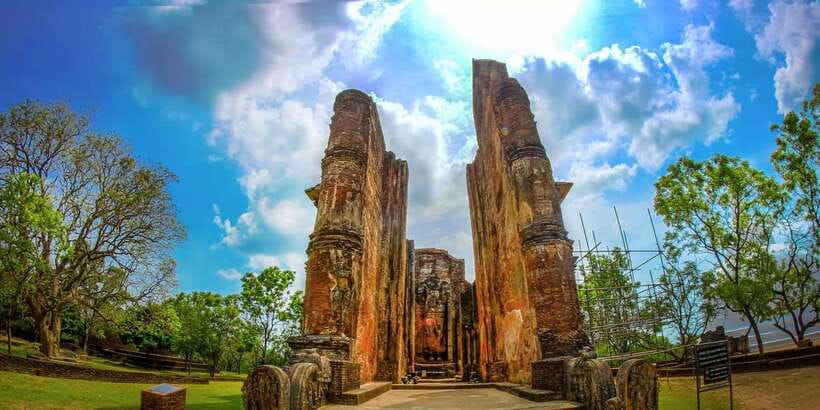
Lankatilaka Gedige is one of those monuments that makes you understand how temple design channels belief. When you see it as part of the broader Polonnaruwa complex, it becomes more than a single building—you start recognizing how different structures supported worship and community life.
What to look for here: the overall presence. The name might be less important than the feeling—how the structure holds attention and how its religious function shapes your view. Even from outside the most intimate angles, you can pick up that this was built to matter.
And since you’ll be walking, consider this your warm-up to the more sculpture-heavy parts of the day. Take a few minutes to slow down, notice the architectural massing, and get your eyes trained before you hit the Buddha statues.
Gal Vihara: The Stone Buddha Sculpture Moment
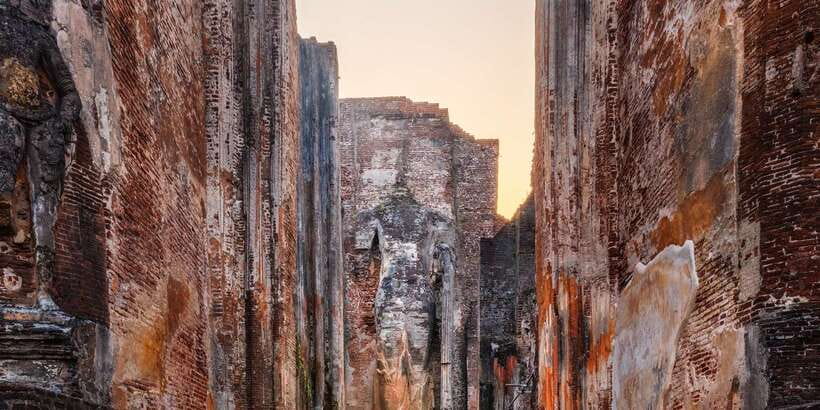
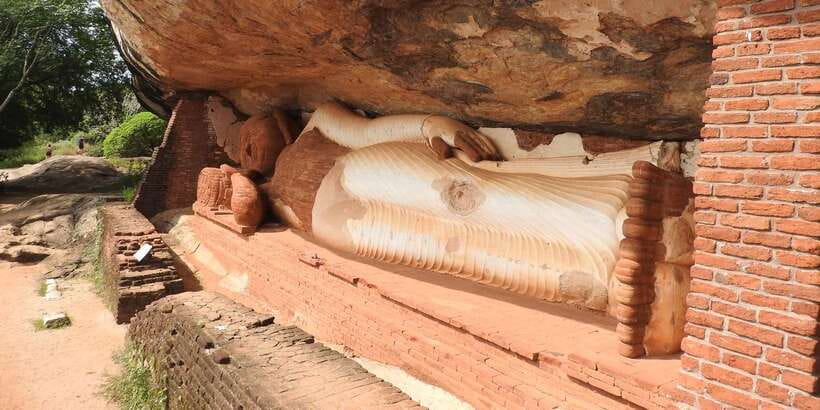
If you only remember one stop, it should be Gal Vihara. This is where Polonnaruwa’s stone-carved Buddha icons do the heavy lifting.
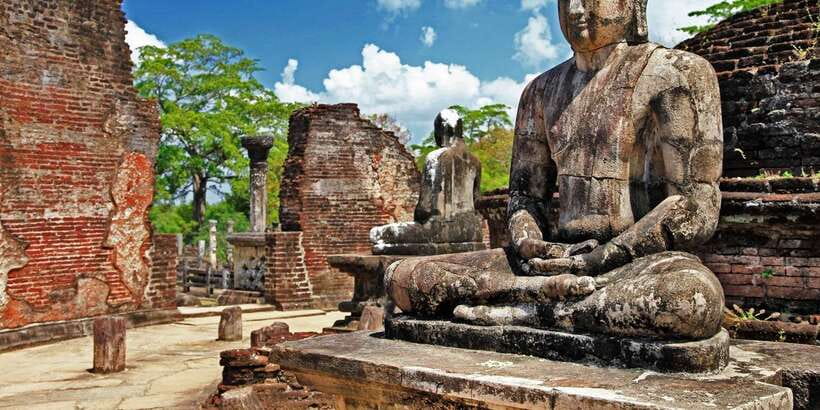
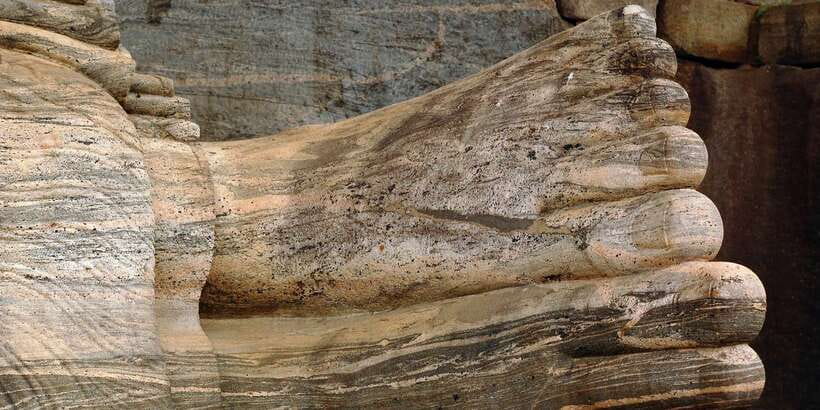
What makes Gal Vihara stand out is the sheer commitment to sculpture. You’re not looking at a decorative detail—you’re looking at the point. The Buddha figures are the main event, and seeing them in person is a different experience than seeing them online, because the stone texture, angles, and scale all affect how you read the scene.
Timing tip: don’t rush past the statues looking for the next photo. Give yourself space to look. A few slow minutes often beats ten quick angles. If you’re traveling with someone who moves fast, you can still enjoy it—just ask your guide to pause longer at this one.
Demala Maha Seya: When You See More Than One Kind of Sacred Space
After Gal Vihara, it’s satisfying to shift from pure image focus to the broader shrine atmosphere. Demala Maha Seya helps you understand Polonnaruwa as a religious city with multiple sacred expressions, not one single altar.
This is the kind of stop that rewards respectful attention. If you keep your shoulders and knees covered and follow the no-footwear rule in temple spaces, you’ll be able to focus on the monuments rather than scrambling with clothing. It’s also a great pause point in the walk—enough to reset your legs while keeping you in the heart of the historical circuit.
Thuparama and Topa Wewa: The Water Story Behind the Sea of Parakrama
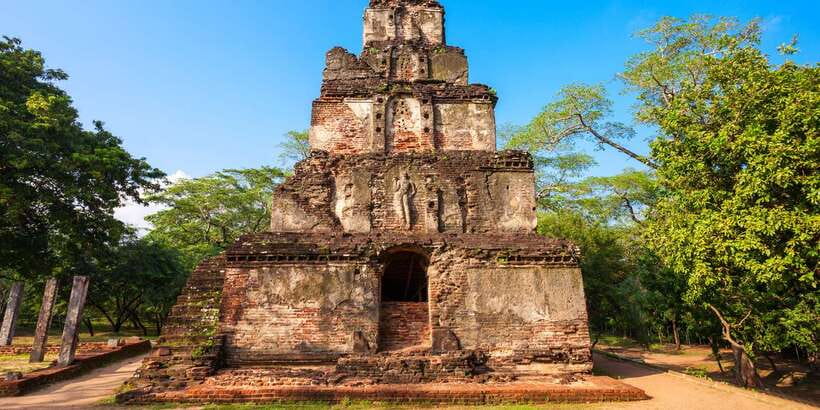
Polonnaruwa isn’t only about religion expressed in stone. It also has water—engineered water that carried symbolic and practical weight. Two important parts of this show up as Thuparama and Topa Wewa Lake, sometimes described as the Sea of Parakrama.
Thuparama gives you another temple perspective. It’s useful because it rounds out your understanding: you see different architectural and shrine arrangements rather than repeating the same design pattern. Then you transition into the water side of the story with Topa Wewa, which helps you read Polonnaruwa as a functioning capital, not only an abandoned set.
Why the water stop matters
When you see Topa Wewa after the temples, your brain starts connecting the city’s spiritual life to its geography. Even if you don’t know every historical detail, you can sense how the city needed water for survival—and how that practical reality could become part of religious meaning.
What You Need to Bring (and the Temple Rules You Can’t Skip)
This is the part people often underestimate, but it’s simple if you prepare.
Bring:
- Comfortable shoes (you’ll walk and you’ll be changing pace)
- Sunglasses
- Sun hat
You’ll also need to follow site rules when visiting temples or Hindu religious spaces:
- Remove your footwear and hat
- Cover your shoulders and knees
Also note the “no nonsense” policies:
- No smoking
- No luggage or large bags
And don’t forget the one paperwork requirement:
- You must bring a current valid passport.
If you’re traveling with anything bulky, keep it minimal. You want your day to feel like sightseeing, not managing bags and clothing.
Who This Polonnaruwa Day Trip Fits Best
This is best for you if:
- You want a guided, structured Polonnaruwa visit from Colombo
- You care about seeing multiple Buddhist and Hindu-related monuments in one day
- You’re comfortable with a full-day schedule and moderate walking
It’s not a fit if:
- You’re pregnant
- You have heart problems or other serious medical conditions (not recommended)
- You need a wheelchair-accessible route (not suitable)
If you’re generally healthy and just want a strong day of history without driving yourself, this hits the sweet spot. The pacing is designed for one-day visitors: enough time to see the big names, with breaks built in.
Price and Value: Is $111 Worth It?
At $111 per person for a 14-hour outing, the value depends on what you personally hate most: driving yourself, finding guides, or paying for logistics.
Here’s what your money covers:
- Pickup and drop-off at your Colombo accommodation
- An English-speaking driver
- Bottled water
Here’s what’s not included:
- Entrance fees
- A local Sri Lankan guide (so you should expect that the included guidance may not replace a paid on-site specialist)
- Food and drink not detailed in the description (though you do get restaurant stops during the day)
So is it good value? For many people, yes—because you’re paying for a full-day transportation solution plus English-speaking support, which removes the stress of coordinating transfers and timing. The biggest “cost surprise” possibility is entrance fees, since those aren’t included.
My practical advice: budget extra for entrance fees and decide what you want at the restaurant break. If you treat the trip as a packaged day of organized sightseeing plus transportation, the $111 number starts to make sense fast.
Should You Book This Polonnaruwa Day Trip?
Book it if you want a one-day Polonnaruwa hit with a guided route, Colombo pickup/drop-off, and a focus on major Buddhist-and-Hindu monuments—especially Gal Vihara. The day is long, but it’s built to keep you moving through key sites while still giving you restaurant breaks to recharge.
Skip it (or think twice) if you know you can’t handle moderate walking, strong sun, or temple dress rules. Also, if you want everything fully covered—entrance fees, food costs, and a separate specialist local guide—you’ll need to plan for extras.
If you’re the type who appreciates clear organization and calm, attentive driving, you’re likely to enjoy the way this day flows—guided attention at the ruins, then a relaxed return to Colombo. And if your guide happens to be someone like Anush, that extra patience and support can make the whole day feel easier.
FAQ
How long is the Polonnaruwa day trip from Colombo?
The total duration is 14 hours.
What is included in the price?
Included are pickup and drop-off at your accommodation, an English-speaking driver, and bottled water.
Are entrance fees included?
No. Entrance fees are not included.
Do I need a local Sri Lankan guide?
A local Sri Lankan guide is not included.
What stops and sites are part of the visit?
You’ll visit Lankatilaka Gedige, Gal Vihara, Demala Maha Seya, Thuparama, and Topa Wewa Lake (described as the Sea of Parakrama), plus the Polonnaruwa Ancient City ruins.
Is moderate walking involved?
Yes. The trip involves a moderate amount of walking.
What should I bring?
Bring comfortable shoes, sunglasses, and a sun hat.
What are the temple dress rules?
When you visit Buddhist or Hindu temples, you must remove your footwear and hat and cover your shoulders and knees.
If you tell me your travel month and whether you prefer early or slower days, I can suggest the best strategy for timing, packing, and how to pace your Polonnaruwa walk.