Sri Lankan cooking tastes best when you make it yourself, and this class is built for exactly that hands-on rhythm. I love the home-style atmosphere and the fact you cook 10 dishes plus traditional desserts rather than just watching. The main consideration: it’s an active class, so if you want a sit-and-sample experience, this one will feel more work than show.
You’ll work at the Colombo Cooking Class location (No 275/1, B231, Angoda 10600), using clay pots, while the chef keeps things practical and explains the authentic Sri Lankan method and the role of the spices. I also like that you’re given a menu, so you can follow along and keep track of what you’re learning. If you’re sensitive to strong aromas or spices, come mentally prepared (the spices are part of the lesson, not background noise).
The payoff is a meal that feels genuinely made with care. You’ll be cooking alongside your group, and the class is private, meaning only your group participates.
In This Review
- Key things that make this cooking class worth your time
- Colombo cooking class in clay pots: what the experience really is
- Where you meet and how the timing works
- What you’ll cook: 10 dishes and traditional desserts (and why that’s a big deal)
- How the chef teaches while you cook
- The clay pots: what to expect and why they’re more than a gimmick
- A home-cooking atmosphere that feels less like a classroom
- Itinerary breakdown: the 3-hour flow, step by step
- Arrival and menu orientation
- Spice and technique briefing
- Hands-on cooking: doing the dishes yourself
- Traditional desserts
- Tasting and wrap-up
- Price and value in plain terms
- Who should book this cooking class
- A few practical tips to get more from the class
- Should you book? My honest take
- FAQ
- How long is the Colombo Sri Lanka cooking class?
- What is the price per person?
- How many dishes and desserts will I make?
- Do I get a ticket on my phone?
- Is this a private experience?
- Where does the class start and end?
- Is the class dependent on weather?
Key things that make this cooking class worth your time
- Clay pots only: traditional equipment that affects how food cooks and tastes
- You cook the whole menu: you’ll make 10 different dishes and traditional desserts
- Chef-led, not hands-off: you cook while the chef explains Sri Lankan cooking style and spices
- Menu provided: helps you track what you’re making as you go
- Private group format: only your group participates, so it feels personal
- Good weather matters: the experience needs decent conditions to run
Colombo cooking class in clay pots: what the experience really is
This is a 3-hour cooking class in Colombo where you cook a full slate of Sri Lankan dishes and traditional desserts. The basic setup is simple: you’re not standing in the corner. You’re in the kitchen, rolling up your sleeves, making the food yourself with the chef guiding you in an authentic Sri Lankan approach.
What makes it feel different from many cooking classes is the combination of traditional tools and active participation. The class uses clay pots, which signals that they’re trying to keep the cooking closer to traditional practice. And because the course is designed around you preparing the dishes, the learning sticks better than if you only observe.
This is also positioned as a private tour/activity. That matters more than it sounds. With only your group participating, you’re less likely to feel rushed, and you’re more likely to get the chef’s attention when questions pop up mid-recipe.
You can also read our reviews of more tours and experiences in Colombo.



Where you meet and how the timing works
You start and finish back at the meeting point: Colombo Cooking Class, No 275/1, B231, Angoda 10600, Sri Lanka. The session runs about 3 hours.
The listing notes the class is near public transportation, which is useful if you’re not planning to book a taxi just for this. Also, you’ll receive a mobile ticket, so you won’t be hunting for printed vouchers right before you go in.
Because it runs for a fixed window, treat it like a key part of your day rather than a filler. Plan to arrive with enough time to settle in before the cooking gets going. Cooking classes move quickly once the first prep starts.
What you’ll cook: 10 dishes and traditional desserts (and why that’s a big deal)
The big promise here is scale: you’ll make 10 different dishes, plus traditional desserts. That’s a lot of cooking for a short 3-hour block, which usually means the class is structured in a way that balances hands-on steps with chef guidance so you’re not stuck waiting for instructions.
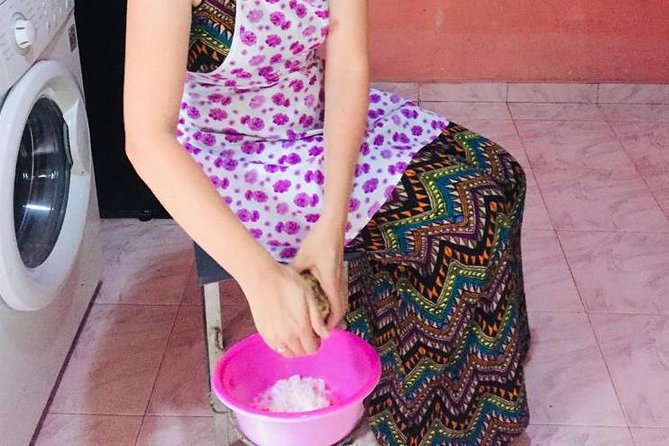
From the reviews summary, the experience is described as genuinely home-style—people mention sharing prep and cooking duties for 10 curries. Even if the exact menu changes day to day, the spirit is clear: you’re not doing one small sample dish. You’re contributing to a full meal.
Why this matters for value: you’re paying for a complete cooking experience, not a “taster class.” You leave with more than one recipe memory. You leave with the feel of the method—how ingredients come together, what spices do, and how a clay-pot approach fits the cooking.
How the chef teaches while you cook
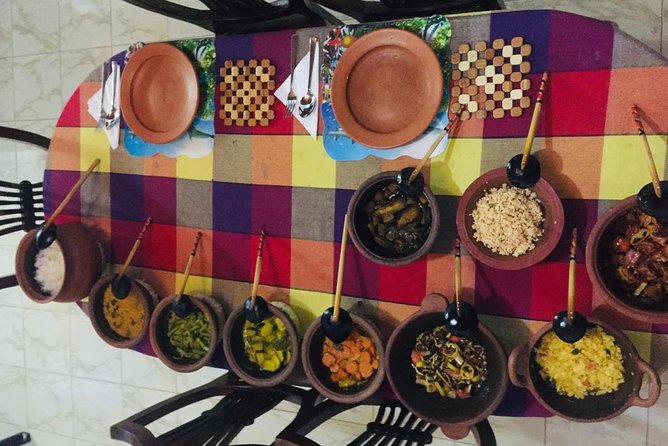
The chef explains everything in an authentic Sri Lankan cooking style, including how to think about spices. The class is designed so you’re cooking by yourself while the chef talks you through what matters.
That teaching style is practical. You’re learning while you’re doing, not after the fact. When the chef explains something, it’s directly tied to the step you’re about to perform—timing, heat, and seasoning cues. That makes it easier to reproduce later, because you remember the moment you adjusted your technique.
Also, a menu is provided. That reduces confusion. When you can glance at what’s next, you’re less likely to feel lost if your group is busy cooking multiple dishes.
The clay pots: what to expect and why they’re more than a gimmick
Using clay pots isn’t just a theme. It changes how the cooking feels and how the food comes together. Even without getting technical, you can expect the cooking process to feel more traditional and a bit more deliberate than fast, modern stove methods.
In a class format like this, clay pots also shape the choreography:
- You’ll likely work in a more coordinated sequence, because one pot’s cooking can overlap with another dish’s prep.
- The chef’s guidance becomes more important as you learn how heat and timing interact with the clay method.
The upside is that you’ll leave with a stronger sense of how Sri Lankan home cooking is built. It’s not just ingredients—it’s the equipment and the approach that helps create the final taste.




A home-cooking atmosphere that feels less like a classroom
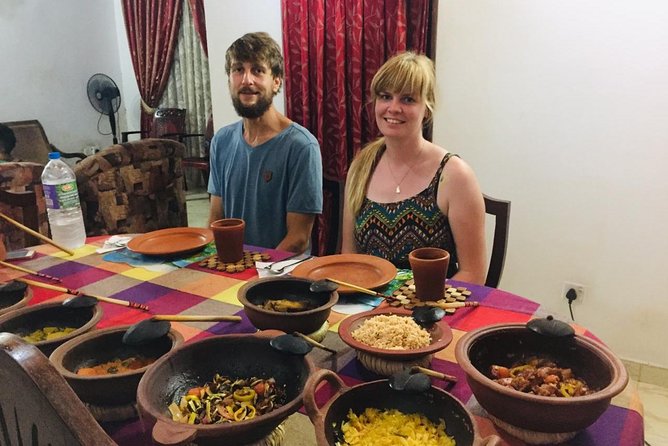
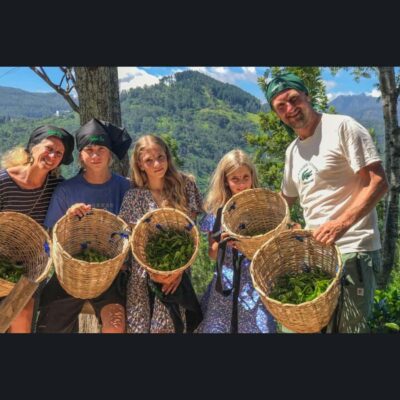
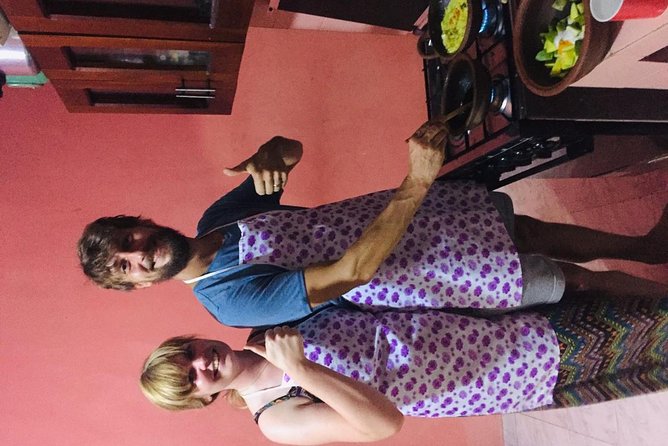
The strongest praise in the reviews points to authenticity and family energy. One review calls it a real home, with a real family, and highlights how participants shared prep and cooking duties for 10 curries. Another review theme is the sense that you meet the people behind the meal, not just a professional instructor.
That matters because cooking classes can sometimes feel staged. Here, the tone is more like joining dinner preparation. The chef teaches, but you’re also part of the teamwork.
I’d also treat the “spice learning” portion as part of this home atmosphere. Spices in Sri Lankan cooking are not a single flourish—they’re foundational. When you cook them into the dishes, you start to understand why each spice shows up and what it contributes.
Itinerary breakdown: the 3-hour flow, step by step
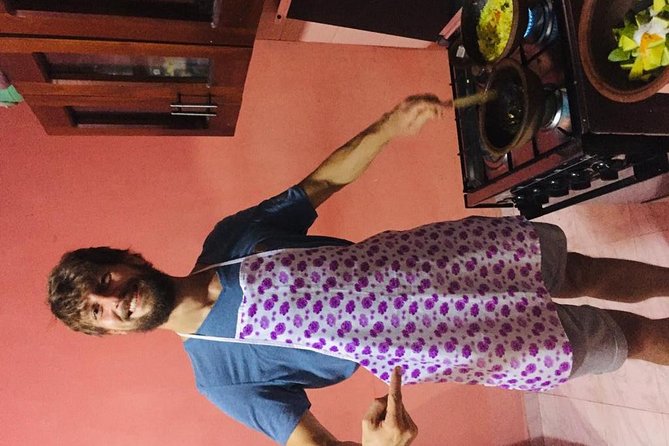
There’s no separate stop list with multiple locations. Instead, the “itinerary” happens in phases within the same cooking space, and that’s normal for this type of class.
Arrival and menu orientation
You’ll arrive at the Colombo Cooking Class meeting point and get oriented with the menu. This helps you understand what you’re making and how the time will be divided across the 10 dishes and desserts.
Practical tip: skim the menu quickly before you start cooking. Even if you forget details, you’ll remember the overall arc of the meal.
Spice and technique briefing
Before the busiest hands-on steps, the chef explains the authentic Sri Lankan cooking style and focuses on spices. Expect your first takeaway to be how to think about seasoning and flavor building.
This is where the class becomes more than instructions. It becomes a framework you can use later when you cook at home.
Hands-on cooking: doing the dishes yourself
Then comes the main work: you cook by yourself, for the full set of dishes. Because there are many dishes, you’ll likely rotate through steps or manage multiple components as guided.
The best part of a format like this is momentum. Once you get your rhythm, it stops feeling like a class and starts feeling like a real cooking job—one where your food is getting made in real time.
Traditional desserts
After savory dishes, you’ll make traditional desserts. The class is designed so you’re not done when the curries are finished. That’s a real plus, because many cooking classes stop after the main dishes.
Dessert in cooking classes also teaches the last mile: balancing sweetness, texture, and aroma.
Tasting and wrap-up
At the end of the session, the activity ends back at the meeting point. You’ll typically taste what you made, which is the moment everything clicks. You also get a chef-driven explanation you can carry home—how the style fits together and why the spices matter.
Price and value in plain terms
At $50 per person for about 3 hours, this is positioned as a hands-on, full-meal class. The value depends on what you want:
- If you want one dish and a fun photo, this might feel like a lot of work for one ticket.
- If you want to learn real Sri Lankan home cooking, you’re paying for 10 dishes plus desserts, guided by the chef while you cook in clay pots.
Also, the private format (only your group participates) is usually a quality-of-experience upgrade. It doesn’t just affect privacy; it often affects how much attention you get during cooking.
Based on the reviews emphasizing authentic home cooking and shared preparation for 10 curries, the class is delivering more than a quick demo.
Who should book this cooking class
This is a great fit if:
- you want a hands-on cooking experience where you do most of the work
- you enjoy spices and want to learn the role they play
- you like home-style meals and family-energy atmospheres
- you’re traveling with a group and want a private class feel
You might want to skip or adjust expectations if:
- you prefer watching over cooking
- you’re looking for a long, slow, leisurely experience rather than an active 3-hour workshop
- you’re planning your day around tight scheduling, because it’s a single fixed-time activity
A few practical tips to get more from the class
You’ll likely do a lot of hands-on cooking in a traditional setting. A couple practical moves help:
- Wear clothes you don’t mind getting spice smells on. Cooking can linger.
- Come ready to taste and adjust—this class teaches through doing.
- If you’re unsure about spicy flavors, tell the chef early. The chef explains the spice approach, so you can aim for your comfort level while still learning the method.
- Keep your phone handy for notes. You’ll get the menu, but your memory matters later.
Should you book? My honest take
If you care about authentic flavor and you’re happy to cook, this is an easy yes. The combination of clay pots, a chef guiding you while you cook, and a full 10 dishes plus desserts lineup is exactly what makes it feel like real Sri Lankan home cooking, not a tourist show.
The only real warning sign is also simple: you will be cooking. If that sounds fun, book it. If you want a sit-down performance, choose something else.
FAQ
How long is the Colombo Sri Lanka cooking class?
The class lasts about 3 hours.
What is the price per person?
It costs $50.00 per person.
How many dishes and desserts will I make?
You will make 10 different dishes and also traditional desserts.
Do I get a ticket on my phone?
Yes, the tour includes a mobile ticket.
Is this a private experience?
Yes, it’s a private tour/activity, and only your group participates.
Where does the class start and end?
It starts at Colombo Cooking Class, No 275/1, B231, Angoda 10600, Sri Lanka, and ends back at the same meeting point.
Is the class dependent on weather?
Yes, it requires good weather. If it’s canceled due to poor weather, you’ll be offered a different date or a full refund.