Four UNESCO stops in three days. This Colombo-to-Cultural-Triangle route moves fast but keeps it practical: pickup, an air-conditioned vehicle, and independent time at the big sights, plus a learning stop at an Ayurvedic garden.
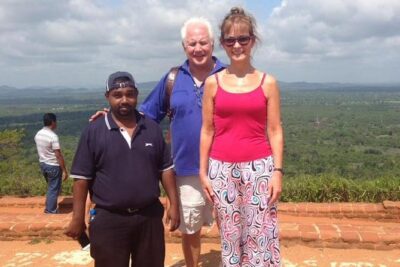
I like that the structure gives you breathing room instead of herding you through ruins. Another strong plus is the care on the ground—one English-support staff member named Terrance helped make the days feel organized without stealing your freedom. The one consideration: entrance fees and meals are not included, so you’ll want to plan that budget in advance.
In This Review
- Key Highlights You’ll Care About
- Colombo to Polonnaruwa, Dambulla, Sigiriya & Kandy: What You’re Really Buying
- Pickup at 6:00 am and How the Day Moves
- Day 1 in Polonnaruwa: Royal Palace and Vatadage
- Royal Palace (Admission Free)
- Polonnaruwa Vatadage (Ticket Not Included)
- Polonnaruwa timing tip
- Day 2: Sigiriya Rock Fortress and Dambulla Cave Temple
- Sigiriya: The Ancient Rock Fortress (Ticket Not Included)
- Dambulla Cave Temple: Five Caves of Buddha and Kings
- Ayurveda Garden Learning: Herbs and Spices Without the Lecture
- Day 3 in Kandy: Sacred Tooth Relic Temple and Royal Botanical Gardens
- Temple of the Sacred Tooth Relic: Sri Dalada Maligawa
- Royal Botanical Gardens: 4,000+ Plant Species
- Price and Logistics: Is $340 Per Person Worth It?
- Pacing and Independence: How Self-Guided Works at UNESCO Sites
- Who This Tour Fits Best (and Who Might Feel the Rush)
- Should You Book This Colombo to Kandy Heritage Tour?
- FAQ
- FAQ
- Which UNESCO World Heritage sites are included?
- What time does the tour start?
- Is pickup and drop-off included?
- Do I need to pay entrance fees separately?
- Are meals included?
- Is accommodation included?
- Do I have a guide with me at the sites?
- Is this tour private?
- Is this tour refundable if I cancel?
- Can children join the tour?
Key Highlights You’ll Care About
- Four UNESCO World Heritage sites across Polonnaruwa, Sigiriya, Dambulla, and Kandy
- Pickup at 6:00 am with air-conditioned transport and an English-speaking driver
- Independent exploring at your own pace once you arrive at each stop
- Ayurveda garden learning focused on herbs and spices (not just temples-on-repeat)
- Strong on-the-ground service, including helpful support like Terrance for smoother visits
- Private setup for your group, so the schedule feels more flexible than big-group tours
Colombo to Polonnaruwa, Dambulla, Sigiriya & Kandy: What You’re Really Buying
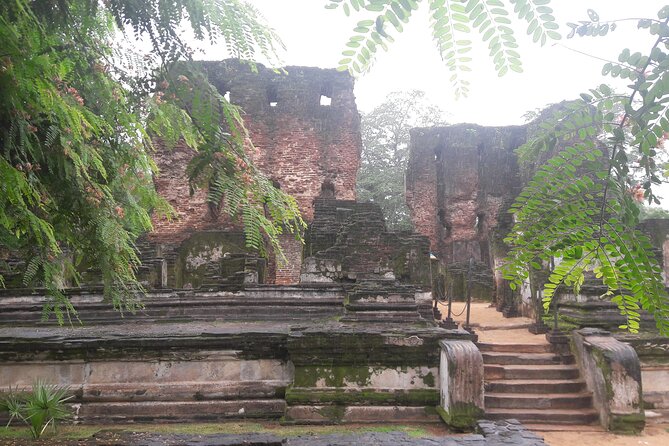
This is a concentrated, culture-forward circuit of Sri Lanka’s central triangle. You’re not just ticking boxes—you’re moving through distinct worlds: ancient city ruins in Polonnaruwa, a dramatic fortress at Sigiriya, Buddhist rock temples in Dambulla, and then a calm, ceremonial stop in Kandy.
The value is in how much ground the transport covers in only about three days. At the same time, the best part for me is that you’re not chained to a tight guided script. You arrive, you look, you walk, you pause when you want. That matters in places like Polonnaruwa and Sigiriya, where you’ll either love the details or want space to absorb the scale.
Also, you get the practical support of pickup, drop-off, and an air-conditioned car. That’s a big deal in Sri Lanka heat and humidity, especially with early starts.
You can also read our reviews of more tours and experiences in Colombo.

Pickup at 6:00 am and How the Day Moves
Your day begins at 6:00 am, with pickup from designated meeting points. Expect a schedule built around getting to each major site while the day is still manageable.
Each stop is allocated around five hours, which is long enough to do real exploring without feeling like you’re sprinting through. Still, it’s a lot of sightseeing across three days. If you’re the type who wants to linger in every shadowy cave or stop for long breaks, you might feel the pace. If you’re okay with a “see it well, move on” rhythm, this plan is a good match.
The included transport is an air-conditioned vehicle, plus fuel surcharge and an English-speaking driver. In practical terms, this means less time negotiating, less time worrying about directions, and more time actually being present at the ruins and temples.
Day 1 in Polonnaruwa: Royal Palace and Vatadage
Polonnaruwa is where Sri Lanka’s ancient power becomes visible without needing imagination. The ruins have a geometry to them—layouts, remnants, and stone details that still feel intentional.
Royal Palace (Admission Free)
Your first stop is the Royal Palace area. The highlight here is how clearly the place reflects court life at the height of the city. Even if you don’t know every historical figure, you can read the space: ceremonial feel, administrative center energy, and the way the complex was designed for status.
A nice practical perk: the Royal Palace ticket is listed as free. That means you can spend more time on-site and spend less on logistics.
Polonnaruwa Vatadage (Ticket Not Included)
Next comes the Vatadage, a well-preserved Buddhist structure in the Dalada Maluwa quadrangle. The key thing to understand is what a Vatadage is: these are typical Buddhist round buildings associated with relic veneration. Even without a long explanation, you can feel why the structure mattered—it’s the kind of site built to focus attention.
This stop’s admission is not included, so keep that in mind for budgeting and planning.

Polonnaruwa timing tip
Polonnaruwa rewards walking. If you want photos, look for open angles where the stonework frames the background. If you want quieter moments, shift your pace slightly—start with the main structures, then slow down for the smaller details nearby.
Day 2: Sigiriya Rock Fortress and Dambulla Cave Temple
Day two is for big wow moments. You get the island’s most iconic rock fortress experience, then pivot into a cave-temple world.
Sigiriya: The Ancient Rock Fortress (Ticket Not Included)
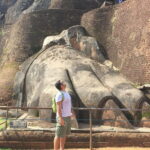
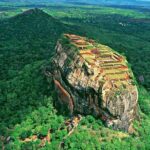
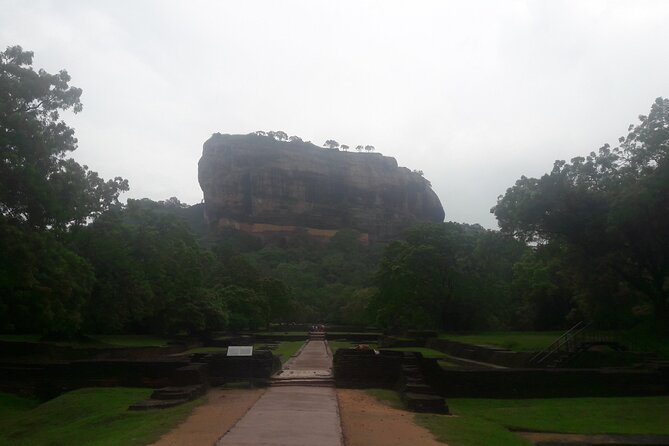
Sigiriya is UNESCO-protected and rightly famous. The main draw is the fortress itself—an ancient urban-planning idea made dramatic by nature. You’re looking at a site that feels engineered, not accidental.
Because Sigiriya’s admission is not included, you should expect to pay on the spot. Plan for weather too: if it’s hot, you’ll want water and a steady pace. Also, if you’re sensitive to stairs or steep climbs, be realistic about how much you want to do—Sigiriya is not a flat stroll.
Dambulla Cave Temple: Five Caves of Buddha and Kings
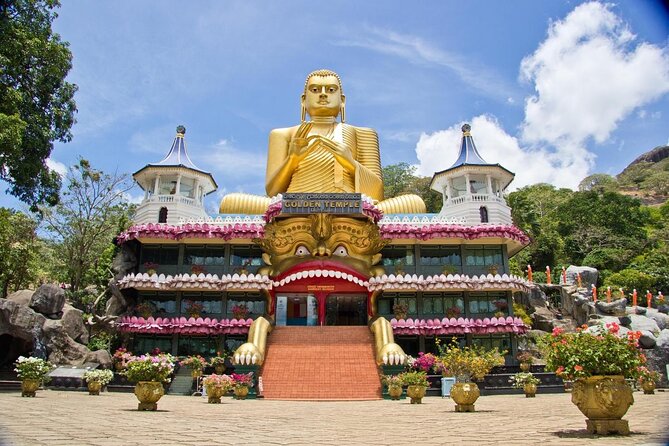
Then you move to the Dambulla Cave Temple, described as the best-preserved and most extensive cave temple complex in Sri Lanka. The scale here is the point. It’s made up of five main caves, packed with statues of Lord Buddha, plus figures of kings and statues of Lord Vishnu.
This is the kind of place where your brain needs a little time to adjust. The first cave you enter can feel overwhelming because there’s so much visual storytelling. The trick is to slow down: pick a couple of statues to focus on, then expand outward.
Admission is not included here too, so factor that into your day. If you run out of energy, don’t force every cave. Choose a few, absorb what’s there, and call it a win.
Ayurveda Garden Learning: Herbs and Spices Without the Lecture
One of the quietly smart parts of this tour is the Ayurvedic garden stop. It’s not always what people expect in a UNESCO-heavy route, but that’s exactly why it works.
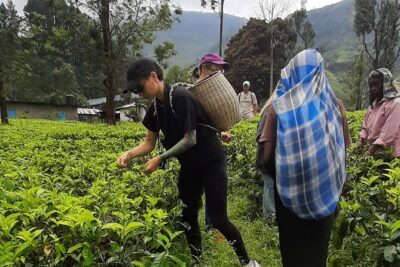
Ayurveda in Sri Lanka isn’t just a theory. You can see the plants linked to traditional uses, and you learn about herbs and spices in a way that feels hands-on. Even if you don’t become an instant tea-and-tincture convert, it helps you connect what you’re eating and smelling around Sri Lanka with the plants that grow locally.
Because this stop is part of the overall schedule, you may fit it between the major temples and fortress time. The best move is to arrive curious, not rushed. Ask questions. If your driver or guide team can help with explanations, lean into it.
Day 3 in Kandy: Sacred Tooth Relic Temple and Royal Botanical Gardens
Day three is more ceremonial and scenic. It shifts from ruins and rock spaces into Kandy’s religious focus and then a garden world that feels like a breather.
Temple of the Sacred Tooth Relic: Sri Dalada Maligawa
The Temple of the Sacred Tooth Relic, also known as Sri Dalada Maligawa, is presented as the most sacred Buddhist temple in the world. What you’ll remember is the tooth relic housed in a golden chamber, inside the larger royal palace complex.
This isn’t about “seeing something old.” It’s about experiencing a living center of devotion. You’ll want to move respectfully, keep your voice low, and give yourself time to absorb the layout of the complex.
Admission is not included, so plan for it.
Royal Botanical Gardens: 4,000+ Plant Species
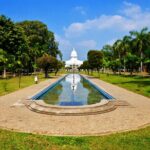
After the sacred tooth stop, you head to the Royal Botanical Gardens, set about 5 km west of Kandy. The gardens are home to more than 4,000 species of plants, including orchids, spices, medicinal plants, and palm trees.
This is where your feet finally get a softer day. You can roam slowly, take your time in shaded areas, and look for plant types you’ve only seen in supermarkets back home. If you liked the Ayurveda garden, you’ll likely enjoy how the botanic gardens connect the dots between plants and everyday life.
Admission is also not included here.
Price and Logistics: Is $340 Per Person Worth It?
At $340 per person, you’re paying for an organized transport-heavy heritage circuit. The included parts that matter most are:
- Pickup and drop-off from designated meeting points
- Air-conditioned vehicle with a fuel surcharge covered
- English-speaking driver
- A mobile ticket option
- A setup described as private for your group, plus group discounts
What’s not included is equally important:
- Entrance fees to the sites
- Lunch or any meals and drinks
- Accommodation
So is it worth it? For me, it’s a strong deal if you’re okay handling the “pay on site” parts and you don’t want to organize transport between distant heritage stops. If you’re already planning to book your own car and drive yourself, the savings might shrink. But if you want the convenience of being driven, picked up, and dropped off across multiple days, this price can feel fair.
Practical money move: set aside extra cash for entrances and plan your meals. Pack light snacks if you’re the kind of person who gets hungry quickly. Don’t plan on buying water at every stop—carry some if you can.
Pacing and Independence: How Self-Guided Works at UNESCO Sites
This tour is built around exploring independently, without input from a guide. That can be a good thing. It means you’re not forced to watch someone race through details you might not care about.
At the same time, independence works best when you’re prepared to ask questions when you have them, and when you’re comfortable using your own pace.
Here’s what I’d do to make it feel smoother:
- Start each day by deciding what you care about most: architecture at Polonnaruwa, fortress views at Sigiriya, cave art at Dambulla, and sacred space in Kandy.
- Build in short breaks. Even five hours per stop can disappear fast in hot weather.
- At sites with many statues or chambers, pick a few things to focus on. You’ll remember them better than trying to absorb everything.
Even with independence, the included English-speaking driver can help you get through the practical stuff quickly. In past experiences, support like Terrance made the day feel well handled without turning it into a scripted lecture.
Who This Tour Fits Best (and Who Might Feel the Rush)
This 3-day circuit is a great fit if you want a fast path through Sri Lanka’s UNESCO highlights while still having time to roam. It’s also a good option for families who prefer organization plus flexibility.
It’s described as suitable for most people, with a key note: children must be accompanied by an adult. If you’re traveling with kids, the independent pacing can help, but the early start and site walking still require a sensible energy level.
Who might not love it:
- If you want a slow, deep cultural experience with lots of guided context at every site.
- If you strongly dislike early starts.
- If your budget already assumes entrance fees and meals—then the “not included” parts won’t surprise you, but if you prefer a fully packaged price, you’ll need to add the missing costs.
Should You Book This Colombo to Kandy Heritage Tour?
I’d book it if you want a practical, UNESCO-packed route with air-conditioned comfort, reliable transport, and time to explore on your own terms. The best reasons are the combination of four major heritage stops plus the Ayurveda garden learning moment, which adds variety beyond temples and ruins.
I’d hold back if you hate paying separate entrance fees or if you want accommodation handled completely end-to-end. Since meals and lodging are not included, you’ll need to plan those pieces yourself.
If your travel style is “get the big sights done well, then choose what to linger on,” this is the kind of tour that makes sense.
FAQ
FAQ
Which UNESCO World Heritage sites are included?
You’ll visit Sigiriya, the Dambulla Cave Temple, Polonnaruwa, and Kandy’s Temple of the Sacred Tooth Relic.
What time does the tour start?
Pickup starts at 6:00 am.
Is pickup and drop-off included?
Yes. The tour includes pickup and drop-off from designated meeting points.
Do I need to pay entrance fees separately?
Yes. Entrance fees are listed as not included, so you’ll pay on-site for the sites where fees apply.
Are meals included?
No. Lunch or any other meals and drinks are not included, and you’ll be able to buy them separately.
Is accommodation included?
No. Accommodation is listed as not included.
Do I have a guide with me at the sites?
The experience is described as exploring independently at your own pace without input from a guide, while transport and an English-speaking driver are included.
Is this tour private?
Yes. It’s described as private for your group, with only your group participating.
Is this tour refundable if I cancel?
No. It’s non-refundable and cannot be changed for any reason.
Can children join the tour?
Children can participate, but they must be accompanied by an adult.