Sri Lanka moves fast, but this trip keeps it friendly. You get a smart mix of major sites—Sigiriya, cave temples, Kandy, tea country—and a real wildlife day in Yala.
I particularly like the fact that it runs as a private experience with an English-speaking chauffeur-guide who handles the driving and the day flow. Still, plan for extra costs you won’t see until you arrive—site entrance fees and the Yala 4×4 jeep are not included.
In This Review
- Key highlights before you go
- Price and logistics: what $1,599 buys you in real life
- Day 1 in Negombo: fishing life, Hindu temples, and a beach night
- Sigiriya Rock Fortress in a long-trip context: UNESCO + evening village vibes
- Polonnaruwa’s Vatadage: a calmer kind of grand
- Dambulla caves and Matale spice gardens: religion first, then flavor
- Kandy’s Temple of the Tooth Relic + Peradeniya gardens
- Nuwara Eliya: sweater weather and the start of tea-country mood
- Horton Plains: trekking without needing to be a super-hero
- Little Adam’s Peak, Ella Gap, and Ravana Ella on the way to Yala
- Yala jeep safari: a full day for the animals
- Galle Fort and Bentota: history by the coast, then sea-food mode
- Bentota days 11–12: the real vacation time
- Colombo day 13: Dutch-era touches, parks, temples, and shopping
- Day 14: airport transfer and a clean ending
- Who this 14-day Sri Lanka trip is best for
- Should you book it? My honest take
- FAQ
- Is pickup included in this tour?
- How long is the Sri Lanka tour?
- What is included in the price?
- Are entrance fees included?
- Is the Yala safari 4×4 jeep included?
- Are lunch and dinner included?
- Can I upgrade the hotels?
- Is there a solo traveler supplement?
- What is the single room supplement?
- What is the cancellation policy?
Key highlights before you go
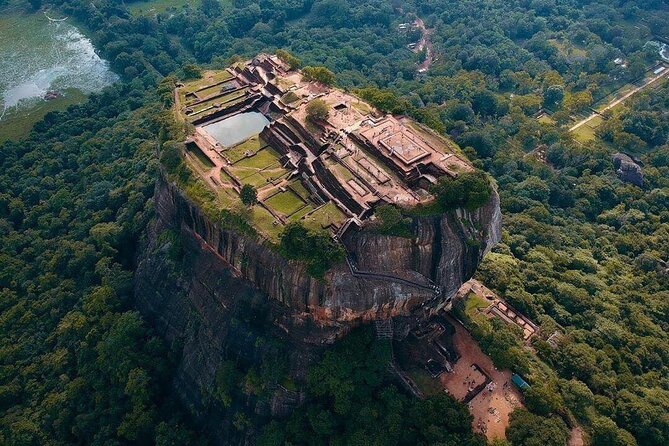
- Sigiriya Rock Fortress (UNESCO): frescoes, ruins, gardens, and that classic view over the plain
- Dambulla cave temples: the big religious stop before you head to Kandy
- Kandy + Peradeniya: Temple of the Sacred Tooth Relic plus a massive botanical garden
- Cool-climate tea-country timing: Nuwara Eliya and Horton Plains without slowing the whole trip
- Yala National Park safari: your best shot at seeing elephants, leopards, sloth bears, and more
- Bentota as a reset: beach and lagoon time after days of temples and ruins
Price and logistics: what $1,599 buys you in real life
At $1,599 per person, this is a mid-to-upper range way to do Sri Lanka with less hassle. The value is in the basics that are hard to arrange on your own: private transportation, airport pickup and drop-off, fuel and taxes, and an air-conditioned vehicle. You also get bottled water daily (1L per person) and breakfast for 13 days, which quietly saves money and time.
One thing to notice: the trip includes 3-star and 4-star double-rooms. The name may say luxury hotels, but your day-to-day comfort will come from good locations, reliable service, and A/C—not from guaranteed ultra-luxury suites. If you want a step up, the package lists paid upgrades to 4-star and 5-star hotels (extra cost).
People are the other part of the value. In past itineraries with this operator, names like Hiruni, Sachini, and drivers such as Shalitha, Lakshan, Wasantha, Mahesh, Eeshan, and Hashan keep showing up in feedback—often tied to careful driving and smooth coordination. That matters because Sri Lanka is a road-trip country, and the driver’s rhythm affects the whole trip.
Main caution: entrance fees and some activity costs are not included, so your final spend depends on how many paid sites you visit and how you handle the Yala jeep.
You can also read our reviews of more tours and experiences in Colombo.
Day 1 in Negombo: fishing life, Hindu temples, and a beach night
Your first day is intentionally light: you land in Colombo area and get transferred to Negombo in about 25 minutes. This matters because the jet lag math is real. You don’t immediately start climbing rock fortresses; you start with coastal Sri Lanka.
Negombo is also a good cultural warm-up. The plan includes a chance to visit a few Hindu temples, which helps you understand the island’s religious mix early on. After that, you’ll see traditional fishing crafts like outrigger canoes and catamarans bringing in fish such as seers, skipjacks, pomfrets, and amber-jacks. The fish market is the standout add-on: a real walk-through where prawns, lobsters, shrimps, crabs, and big fish show up as everyday life.
Practical tip: bring something you can use as a cover for sun and dust. Markets and waterfronts can be bright and breezy, and you’ll probably want your hands free for photos and snacks.
You finish with time at Negombo beach and night, so you can settle in without rushing dinner plans.
Sigiriya Rock Fortress in a long-trip context: UNESCO + evening village vibes
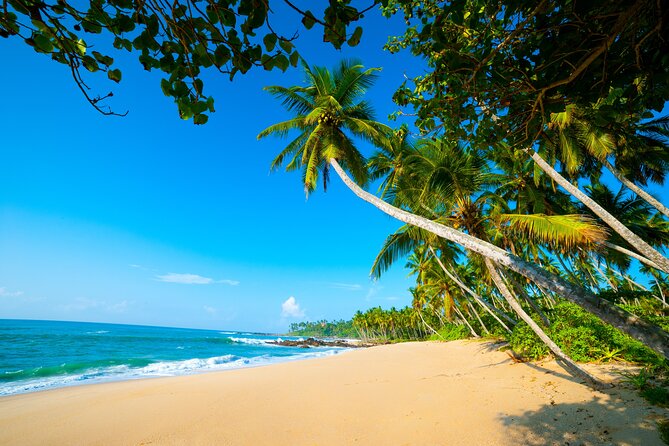
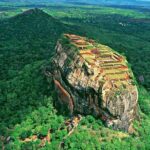
On day 2, the focus turns to Sigiriya, the ancient rock fortress listed by UNESCO. This is one of those places where the views are obvious, but the details are what make it unforgettable: you’re looking at a fortified site tied to King Kassapa, plus surviving frescoes, sculptures, archaeological areas, gardens, and ruins. Even if you’ve seen photos before, being there changes the scale.
I like how this day is built around a single big anchor. You don’t waste the day hopping between five half-stops. You get the main site, then later you have an option for a village tour in Habarana in the evening. That’s valuable because it adds a living, everyday layer after the big historical drama of the rock fortress.
One drawback to plan for: Sigiriya is a climb. It’s not just one steep line; it’s built from sections. If you’re not into stairs, go slow and save energy for the viewpoints. Start your day thoughtfully and keep water handy.
Polonnaruwa’s Vatadage: a calmer kind of grand
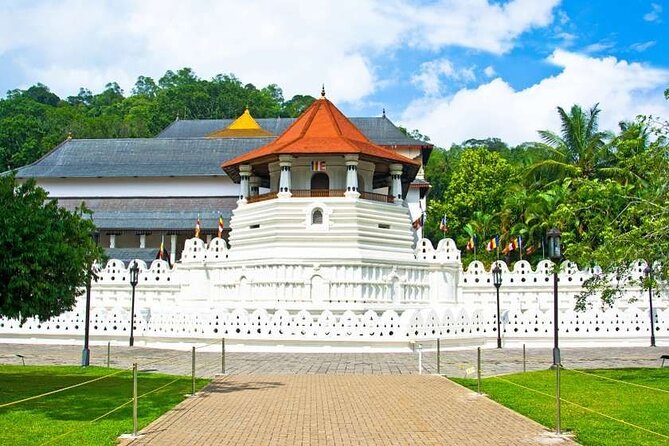
Day 3 shifts away from cliff-top spectacle and into Polonnaruwa, a major historical city that once served as a powerful capital. The plan includes Polonnaruwa Vatadage, and that’s a smart pick because it represents the kind of stone architecture and sacred design Sri Lanka is known for.
What I like about Polonnaruwa is that it feels quieter than the most famous stops. The ruins sit on the east shore of a large artificial lake, so you’re not just staring at stones—you’re in a bigger environment where nature and history overlap.
A key note: admission for sites is not included, so you’ll want to be ready for entry fees as you go. If you enjoy ruins but still want a break, Polonnaruwa hits a good balance: enough grandeur to feel major, without trying to cram in every monument on earth.
Dambulla caves and Matale spice gardens: religion first, then flavor
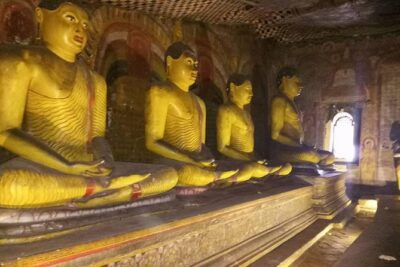
Day 4 brings you to Dambulla, where the main stop is the Golden Temple of Dambulla. The big reason to care is the cave-temple complex: you’ll see rock temple spaces, and the day is structured to include other Dambulla attractions like the cave temples and viewpoints (including monkey watching) plus a museum option.
Then you pivot to Matale Spice Gardens. This is a useful contrast day: caves and sacred art in the morning, then a more hands-on look at how spice cultivation fits into daily life. It’s also a way to break up long travel time with something you can slow down for.
Finally, you transfer to Kandy, the hill capital. After Dambulla to Kandy, you can feel the elevation in the air even if you don’t yet notice cold weather. It’s the start of the itinerary’s temperature shift.

Kandy’s Temple of the Tooth Relic + Peradeniya gardens
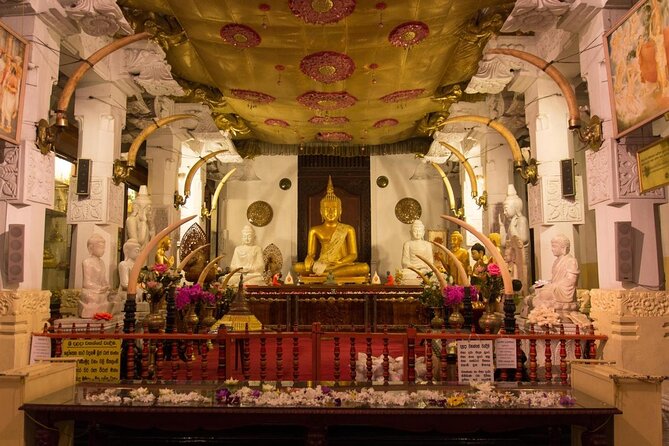
Day 5 is a cultural heavyweight in Kandy. The plan centers on the Temple of the Sacred Tooth Relic, which is the famous Buddha relic temple. Kandy is also known for annual traditions, including the Kandy Procession tribute for the new generation. You don’t need to catch a festival to appreciate the temple’s meaning; the city’s identity is built around this sacred centerpiece.
Next is Royal Botanical Garden in Peradeniya—described as 147 acres and tied to royal garden origins. You’ll get access to a huge range of trees, plants, and creepers, with more than 5,000 species mentioned. Even if you only walk a portion, it’s a great day for pacing: you can choose slower sections and take breaks instead of rushing through monuments.
Tip for comfort: Kandy mornings and afternoons can be warm, but the walking adds up. Wear shoes that grip well and plan for shade breaks when you can.
Nuwara Eliya: sweater weather and the start of tea-country mood
Day 6 goes to Nuwara Eliya, one of Sri Lanka’s best-known cool-climate destinations. The trip frames it as a place where you can swap the heat for a softer breeze, with the chance to pause for views of mountains and waterfalls along the way.
This stop is valuable because it resets the rhythm. After temples and ruins, tea-country atmosphere gives you a different sensory experience—cool air, mistier views, and the feeling that you’re closer to the island’s interior.
Admission is listed as free for the core day activity here, but you’ll still hit entrance fees at certain stops elsewhere. What you should bring matters more than what you pay: a light sweater or layer helps when clouds roll in.
Horton Plains: trekking without needing to be a super-hero
Day 7 takes you to Horton Plains National Park. The itinerary positions it as one of Sri Lanka’s best nature reserves with an eco-focused environment and “mind-blowing landscapes,” plus the chance to spot wildlife and birds.
I like that the plan includes a turn of trekking and nature trails at the hills. You’re not told to conquer a massive multi-day hike. You’re encouraged to get out, walk, and enjoy the environment at a pace that fits a day tour.
The animal list in the plan includes things like deer, squirrels, wild boar, wild hare, porcupines, and even mentions leopards and various birds and flora. Real life note: wildlife sightings aren’t guaranteed, but the park is still worth it for the overall feel and views.
Practical advice: carry a rain layer and expect changing weather. Horton Plains can go from calm to misty fast.
Little Adam’s Peak, Ella Gap, and Ravana Ella on the way to Yala
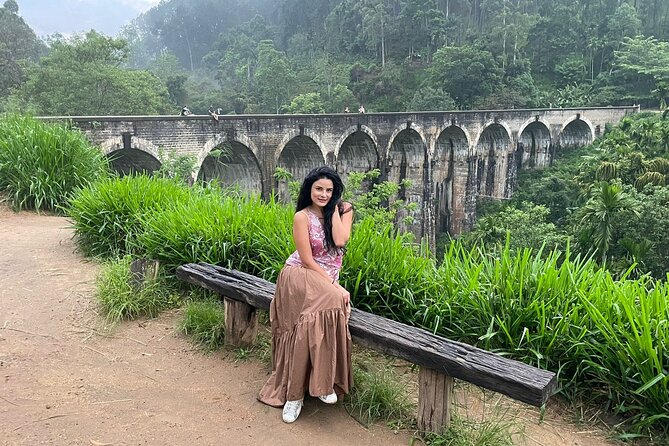
Day 8 starts with Little Adam’s Peak view point, also called the Miracle Island area in the plan. You’ll hear about the Ella Gap that makes the view special. The design here is simple: you get an early scenic stop, then you move toward Ella.
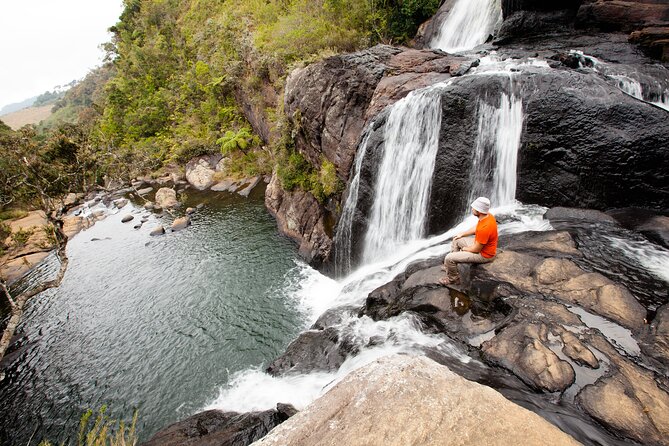
In Ella, the focus is on Ravana Ella waterfall (around 25 m high)—described as the broadest fall in Sri Lanka. It’s a solid pick for a waterfall stop because it’s specifically named and sized rather than just a vague viewpoint.
After that, you proceed onward toward Yala. This matters because it’s the runway to your safari day. You’ll spend the evening side of this transition resting and setting up for the next day’s wildlife hunt.
Yala jeep safari: a full day for the animals
Day 9 is Yala National Park. This is the part of the itinerary most people remember, because it’s the one day that feels like it could be totally different depending on what the animals decide to do.
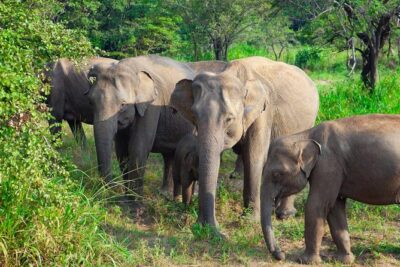
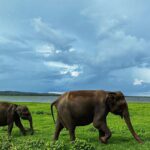
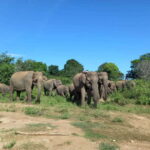
You’ll want binoculars if you have them, because the plan calls out a wide range of animals: elephants, leopard, spotted deer, slender loris, sloth bear, wild water buffalo, reptiles, and birds. That variety is why Yala is a big draw. Even if you only see a few species, the experience of being in the park with the right setup is the whole point.
One crucial cost detail: the plan says the 4×4 jeep for Yala safari is not included. So check your final price and budget for that separate element. The safari is also where timing can feel intense, so be ready for a long day and pack basics.
Day 9 ends with relaxation at your hotel.
Galle Fort and Bentota: history by the coast, then sea-food mode
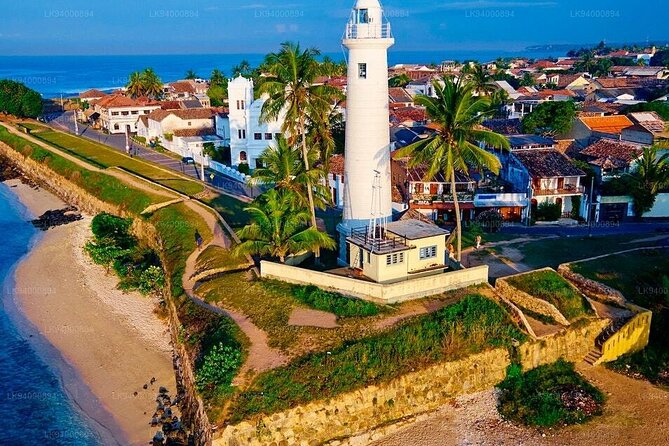
Day 10 begins with a coastal pivot. After breakfast, you stop in Galle to visit Galle Fort, built by Portuguese influence and recognized as a world cultural heritage site in 1988. Even if you only spend part of the time, it’s a clear change from temple and rock-site Sri Lanka. You get walls, viewpoints, and that colonial-era coastal feel.
Then you continue to Bentota, where the plan emphasizes the Bentota River and lagoon facing the Indian Ocean. This is the part of the trip where you finally get that slower pace. Your day includes relaxed time and the option for water activities such as swimming, body surfing, diving, skiing, windsurfing, parasailing, and beach games (the exact availability can vary, but the list is part of the offer).
If you’re a food person, Bentota is where the itinerary hints at mouth-watering sea food. I’d treat this as your reward day: you’ve earned it.
Bentota days 11–12: the real vacation time
Days 11 and 12 are essentially free leisure at Bentota beach. This might sound simple, but it’s a smart move after packed sightseeing. Two full beach days give you time to recover, and it makes the itinerary feel balanced instead of exhausting.
Here’s how I’d use it:
- One day for long beach time and casual walks
- One day for one activity you actually care about (rather than trying everything)
The plan doesn’t specify a single included activity here, so your experience depends on what you choose. That’s good news if you like freedom. If you need structure, you can still ask your guide for ideas once you’re there.
Colombo day 13: Dutch-era touches, parks, temples, and shopping
Day 13 brings you back to Colombo for a city tour. Colombo isn’t portrayed as a rural temple-hopping stop. It’s more like Sri Lanka’s busy command center—with enough landmarks to keep your last sightseeing days from feeling stuck in traffic limbo.
The tour includes major interest points such as the Colombo Dutch Museum, the harbor area, arts gallery, parks, and Galle Face Green. You’ll also see temples, churches, and kovils, plus shopping complexes and the National Zoo (listed as an interest).
I like a last-day city plan because it gives you a chance to buy small gifts and remember the variety you saw across the island. Just don’t expect Colombo to feel like a quiet colonial village. It’s a modern city with lots happening.
Day 14: airport transfer and a clean ending
Day 14 is straightforward: breakfast, then transfer to the airport based on your flight schedule. This is what you want after a long trip—no last-minute detours. If your flight is late, you might still get some time to breathe, but the plan itself is built to end calmly.
Who this 14-day Sri Lanka trip is best for
This tour fits best if you want a big-picture Sri Lanka in two weeks without having to plan every route yourself. It’s especially good for:
- Couples and friends who like a clear itinerary with private transport
- First-time visitors who want the headline cultural sites plus a safari
- Travelers who enjoy moving between experiences: rock fortress, caves, tea country, national parks, then beach
It may not fit as well if:
- You hate long travel days and prefer one region only
- You don’t want to budget extra for entrance fees and the Yala jeep
- You want fully guaranteed wildlife sightings (safari days are always “best effort”)
If you’re the kind of traveler who likes layers—ruins today, nature tomorrow, recovery at the beach next—you’ll probably find this rhythm satisfying.
Should you book it? My honest take
Book this if you want a smooth, private 14-day route that covers Sri Lanka’s main highlights in a way that doesn’t feel chaotic. The strongest reasons are the range—Sigiriya → Dambulla → Kandy → tea country → Yala → Bentota → Colombo—and the practical support of a dedicated chauffeur-guide.
Skip it or rethink the budget if you already know you’ll refuse any extra costs. Entrance fees and the Yala 4×4 jeep are major add-ons, and the trip’s comfort depends on hotel category (you can upgrade if you want). Also, if you’re very slow-paced, the itinerary can feel full.
If you do book, pack layers for Nuwara Eliya and Horton Plains, bring walking shoes, and plan your safari day around patience and early starts. That mindset matches the trip’s style—and that’s when it clicks.
FAQ
Is pickup included in this tour?
Yes. Airport pick-up and drop-off are included, and private transportation is part of the package.
How long is the Sri Lanka tour?
The tour runs for 14 days (approx.).
What is included in the price?
The price includes private transportation, bottled water (1L per person per day), airport pick-up/drop-off, air-conditioned vehicle, fuel surcharge, all fees and taxes, an English-speaking chauffeur-guide, and accommodation in 3-star & 4-star hotels (double room sharing). Breakfast is included for 13 days.
Are entrance fees included?
No. Entrance fees at sites are not included.
Is the Yala safari 4×4 jeep included?
No. The 4×4 jeep for the Yala safari is not included.
Are lunch and dinner included?
No. Lunches, dinners, and drinks are not included.
Can I upgrade the hotels?
Yes. There are listed supplements for upgrades:
- USD 590 per person for 4-star hotels
- USD 998 per person for 5-star hotels
Is there a solo traveler supplement?
Yes. The solo traveler supplement listed is USD 900 per person.
What is the single room supplement?
The single room supplement listed is USD 550.
What is the cancellation policy?
You can cancel up to 6 days in advance for a full refund. For a 50% refund, cancel 2–6 full days before the experience starts. Less than 2 days before start time is not refundable. Cut-off times are based on local time.