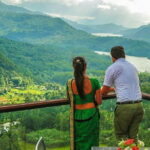
Sri Lanka in 12 days, with real rhythm. This tour strings together Negombo Lagoon calm, Sigiriya Rock Fortress views, and wildlife stops in a way that feels like a journey, not a checklist. I also like the hands-on village-style moments and cultural shows, where you’re watching real people work and celebrate, not just posing for photos. One consideration: the days are full, with long drives and several activities in one stretch, so you’ll want patience and comfy shoes.
In the feedback I’ve read, the strongest praise keeps coming back to the human side: drivers like Buddhika (often called Buddi) and guides such as Chinthaka and Chandana, plus a focus on smooth timing and flexibility. You’re doing a lot, but you’re not doing it alone—this is a private tour for your group, with pickup offered and a mobile ticket for day-to-day ease.
In This Review
- Key things I’d zero in on before booking
- How This 12-Day Sri Lanka Tour Balances Big Sights and Real Daily Life
- Colombo to Negombo: Galle Face Green, Pettah Market, and a Lagoon Boat Ride
- Sigiriya Day: Elephant Conservation, a Village Lunch on Lotus Leaves, and the Rock Fortress Climb
- Polonnaruwa by Bike and Then the Minneriya/Kawdulla Elephant Safari
- Dambulla Caves to Kandy Lake Club: Temple Art by Day and Kandyan Dance by Night
- Kandy’s Gardens, Gem Industry, and Kitulgala Rapids (Class II–III)
- Tea Country by Factory Visit and Scenic Train to Ella
- Ravana Falls to Yala Evening Safari: Your Leopard-Spotting Window
- South Coast Reset: Hummanaya Blow Hole, Dikwella Beaches, and Whale Watching Seasonally
- Galle Fort, Madu River Mangroves, and a Turtle Hatchery on the Same Day
- Ending in Colombo: One More City Walk with the Temples and the Coast
- Price and What’s Included vs What You’ll Pay Extra
- Guides, Pace, and Practical Fitness: What Private Really Means Here
- Should You Book the Grand Discovery of Sri Lanka?
- FAQ
- What is the tour duration?
- Where does the tour start and where does it end?
- What time does the tour start?
- Is this a private tour?
- Is pickup offered?
- What meals are included?
- Are entry fees included for all activities?
- Is white-water rafting included?
- Is the scenic train to Ella included?
- What is the cancellation refund timeline?
Key things I’d zero in on before booking
- Private group travel: only your group participates, so the pace can be adjusted to your comfort.
- Big-ticket highlights packed in: Sigiriya, Polonnaruwa, train ride to Ella, Yala safari, and Galle Fort all make the cut.
- Hands-on culture moments: village tour with traditional lunch on lotus leaves and a Kandyan dance show at night.
- Action when you want it: white-water rafting at Kitulgala with Class II and III rapids.
- Wildlife chances in two regions: Minneriya/Kawdulla elephants and Yala’s leopard-focused safari.
- Value in paid admissions and meals: breakfast on 11 mornings and dinner on 10 evenings, plus many entry fees included.
How This 12-Day Sri Lanka Tour Balances Big Sights and Real Daily Life
This kind of “grand discovery” route works best when it connects contrasting Sri Lanka moods: coastline then caves, tea hills then ancient ruins, big parks then candlelit dance. That’s exactly the pattern here. You start near the coast at Negombo, move inland to the Cultural Triangle area, then head up to the highlands by scenic rail, and finally finish along the south with whales, fort walls, and turtle conservation.
The value angle is also practical. At $1,650 per person, you’re not just buying sightseeing. The tour covers a lot of paid pieces: key visits like Galle Fort, turtle hatchery entrance fees, and major activity admissions such as rafting, plus multiple guided city and cultural stops. Add in meals (breakfast and dinner most days) and it starts to look less like “paying for transportation” and more like “paying for a guided plan that’s hard to assemble yourself.”
Still, be honest about the pace. The schedule is built around cramming multiple stops on most days, and some of the “best moments” come with timing constraints (train ride slots, safari light, whale-watching season). If you like slow travel, you might feel the days are thick.
You can also read our reviews of more tours and experiences in Negombo.

Colombo to Negombo: Galle Face Green, Pettah Market, and a Lagoon Boat Ride
Your first day is a quick setup for how Sri Lanka works in daily life. In Colombo, you’ll do a city walk timed to arrival, with stops like Galle Face Green, Independence Memorial Hall, and Gangaramaya Temple. Then there’s the classic sensory jolt: Pettah Market, where you can get your bearings fast. If you’ve never been to Colombo’s street energy, this is a clean on-ramp.
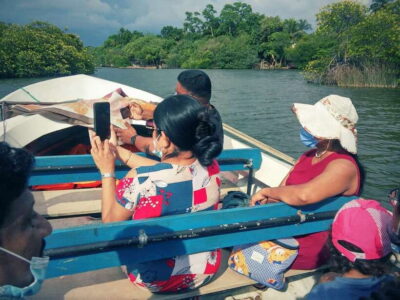
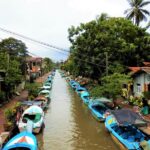
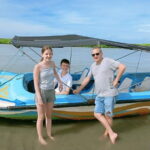
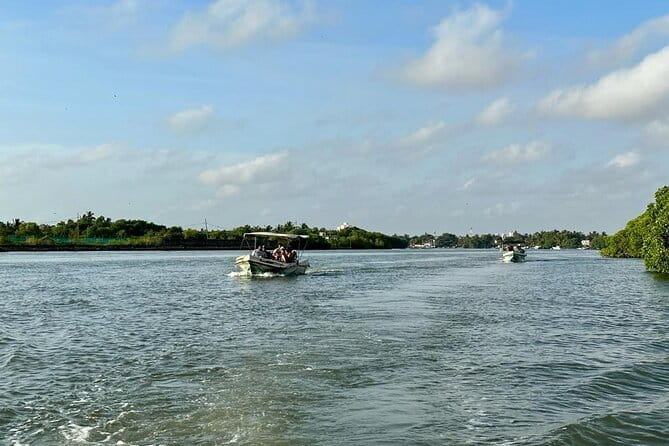
Then you shift to the calmer side with the Negombo Lagoon. Expect a boat ride (about two hours) through mangroves, birdlife, and local fishermen at work. This is the kind of moment that resets your brain after city motion. It also helps you understand Negombo isn’t just a convenient airport area—it’s a working water world.
Note the practical tradeoff: the lagoon tour admission isn’t listed as included, so budget for that on top of the package.
Sigiriya Day: Elephant Conservation, a Village Lunch on Lotus Leaves, and the Rock Fortress Climb
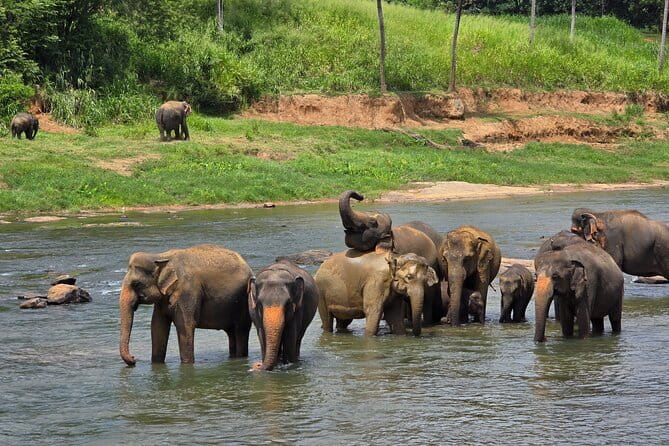
Day 2 is where the tour turns from “getting oriented” into “wow, this is Sri Lanka.” First stop is the Millennium Elephant Foundation, described as conservation-focused. The elephant activity is listed without admission included, so you’ll likely pay the entry/experience portion separately.
Then comes a super hands-on cultural segment: a Sigiriya craft village tour with a mix of experiences. You get a bullock cart ride, a canoe ride on a scenic lake, and a traditional lunch served on lotus leaves. This is the part I like most for value, because it gives you more than photos. You’re moving through rural routines and craft culture instead of watching from behind a ticket counter.
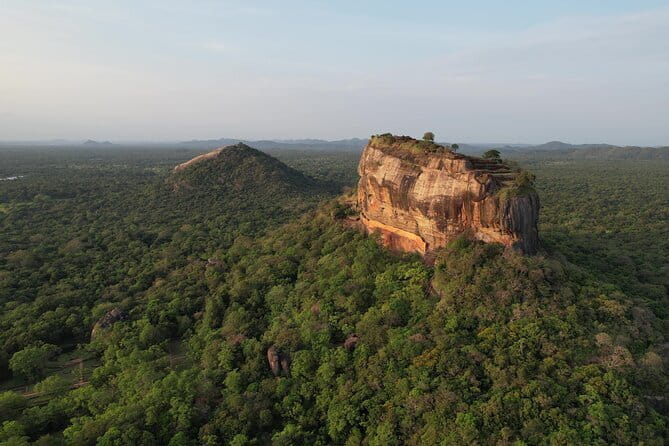
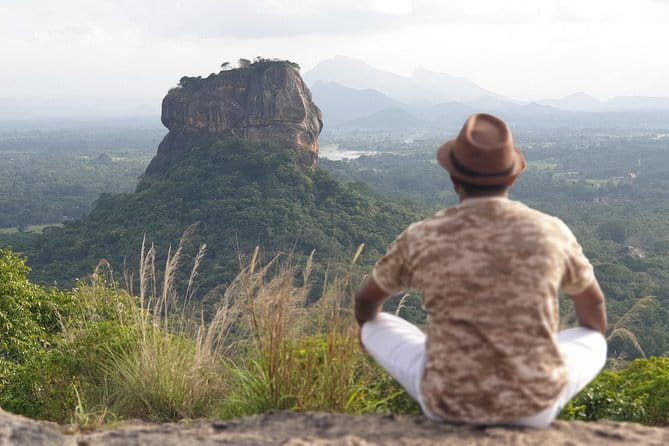
Finally, you tackle the big icon: Sigiriya Rock Fortress. It rises about 200 meters above the forest, and the climb is part of the attraction—ancient frescoes and summit ruins once you’re there. The instruction says admission isn’t included, so you should expect a separate fee for the fortress entry.
If you’re choosing only one “stretch day” moment on this itinerary, Sigiriya is it. Start early, pace yourself, and bring water because the climb is real—even if the views do a lot of the talking.
Polonnaruwa by Bike and Then the Minneriya/Kawdulla Elephant Safari
On day 3, you step into a different kind of ancient Sri Lanka. Polonnaruwa is the setting, with a guided ancient city walk that includes major sights like the Royal Palace, Gal Vihara’s Buddha statues, and the Vatadage. This is a strong pairing after Sigiriya because it moves from one standout rock story to an entire city layout.
The tour also includes bicycle hire for the Polonnaruwa portion, so you’re not only walking. That matters. In a sprawling historic site, biking gives you more “seen” time without turning it into a marathon. You can cover ground, then slow down when something grabs your attention.
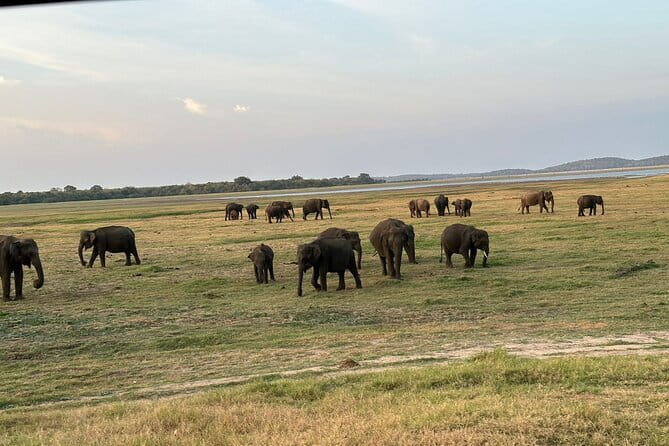
Next comes the safari, with the itinerary pointing you to Minneriya/Kawdulla National Park and the seasonal elephant gathering idea. This is one of the best value parts of the tour if your timing hits well. You’re looking for elephants roaming freely with other wildlife around—deer, monkeys, and various birds. The safari admission isn’t listed as included, so you’ll likely pay for the park entry/jeep portion separately.
Also, plan for heat and waiting. Even when you do everything right, wildlife timing doesn’t run on our clock. The upside is that the elephant focus in these parks tends to make sightings more consistent than random “one-and-done” safari days.
Dambulla Caves to Kandy Lake Club: Temple Art by Day and Kandyan Dance by Night
Day 4 brings two of Sri Lanka’s most emotional forms of heritage: cave temples and living performance.
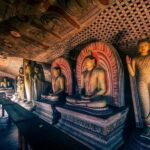
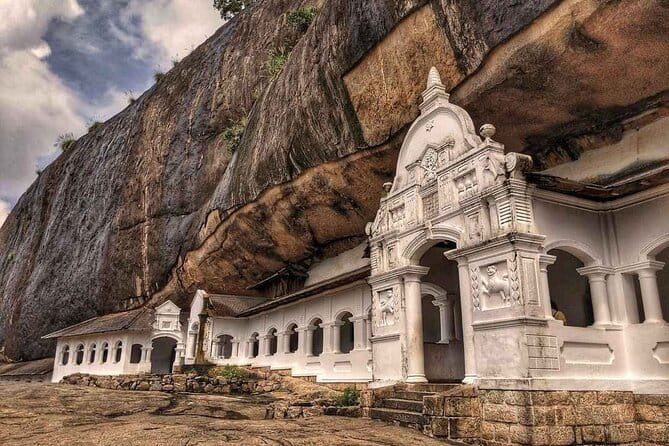
First, the Dambulla Cave Temple. It’s UNESCO-listed and packed with hundreds of Buddha statues and frescoes. This is an art-and-faith stop, and rock-carved details make it feel less like a museum and more like something people still connect to.
Next is the Matale spice garden visit. Expect demonstrations and tasting—Sri Lanka’s spices are famous for a reason. If you like cooking, it also helps you connect what you taste in restaurants to what’s grown locally.
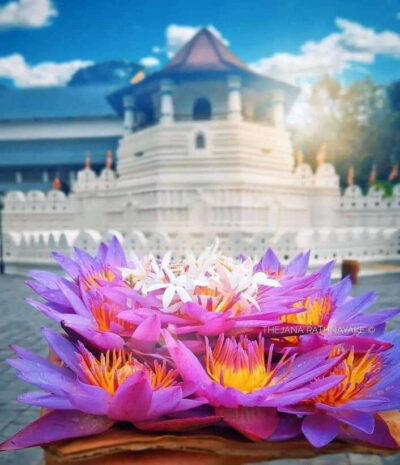
Then you move to the Temple of the Sacred Tooth Relic, a major Buddhist site set in a lakeside complex. The admission isn’t included for this stop, so keep that in mind financially.
In the evening, you switch gears with a cultural dance show at Kandy Lake Club. It includes Kandyan dances, drumming, and fire-walking. Cultural shows can go either way, but when you have drums, costumes, and a set that actually explains the forms, it’s a great night cap after temple time. Also, it’s listed as admission included—so you’re not guessing what you’ll pay at the door.


Kandy’s Gardens, Gem Industry, and Kitulgala Rapids (Class II–III)
Day 5 is a mix of “see it, learn it, do it.” You start at the Kandy Gem Centre, a museum-style look at Sri Lanka’s gemstone industry. If you’ve ever wondered how stones go from mine to jewelry chain, this is the kind of stop that turns curiosity into understanding.
Then the Peradeniya Royal Botanical Gardens. The key idea here is scale: it’s one of Asia’s largest botanical gardens, with thousands of plant species. This is where you breathe. After temple density, gardens give you space to slow down and wander without a strict script.
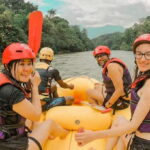
Finally, Kitulgala for white-water rafting on the Kelani River. This is the action switch, with Class II and III rapids listed. Rafting admissions are included, which is a big deal for value because it’s one of the more expensive-sounding activities on most Sri Lanka itineraries.
Practical note: if you’re nervous about water sports, tell your guide early. You’ll still get the scenic river setting, but how you experience the rapids depends on comfort level.
Tea Country by Factory Visit and Scenic Train to Ella
Day 6 takes you into tea-country logic: learn it at a factory, then watch it outside the window. You’ll visit Damro Labookellie Tea Centre and a tea garden, where you can see how Ceylon tea goes from leaf to cup. Sampling teas is part of the deal. Admission is included for this segment.
Then you head to Nuwara Eliya for a city tour: colonial-era buildings, Victoria Park, and Gregory Lake. This part can feel like a Sri Lankan version of a cool-weather retreat—still tropical, just higher up and often mistier.
Day 7 is one of the big ticket highlights: the scenic train journey starting from Nanu Oya station, riding through misty hills, tea plantations, and forested landscapes. Train ride admission is included, and the route is famous for views.
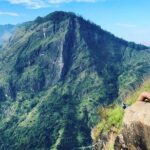
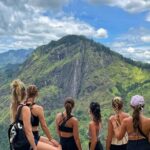
If there’s time, Nine Arches Bridge gets added. Then the highlands continue with a Little Adam’s Peak visit included on the program. That gives you options: either more viewpoints by foot or more time to settle into Ella’s slower pace.
The only “watch-out” here is weather. Mist can make views amazing—or hide them. Either way, the rail ride is a strong way to travel because you’re not stuck in a car the whole day.
Ravana Falls to Yala Evening Safari: Your Leopard-Spotting Window
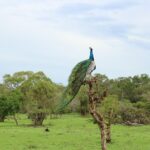
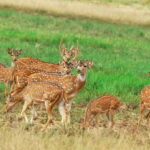
Day 8 is a sequence of iconic nature stops. You visit Ravana Waterfall (Ravana Ella Falls), then head toward Yala National Park for an evening safari. The itinerary highlights Yala for leopard sightings, and it also notes elephants and spotted deer.
Safari admission isn’t listed as included, so you should budget for the park/jeep portion. Also, evening safaris can shift the odds depending on light and animal movement. The upside is that Yala’s reputation is built on wildlife density, not just luck.
If you’re the type who gets impatient waiting, bring a little humor to it. Safari time is safari time. Sometimes the best animal moment is the one you barely expected while scanning for something else.
South Coast Reset: Hummanaya Blow Hole, Dikwella Beaches, and Whale Watching Seasonally
Days 9 and 10 put more breathing room into the schedule, which you’ll appreciate after caves, cliffs, and safari drives.
First, Hummanaya Blow Hole near Dickwella. It’s described as producing dramatic waterspouts during high tide, and admission isn’t listed as included. This one is time-sensitive, so if conditions line up, it can feel cinematic.
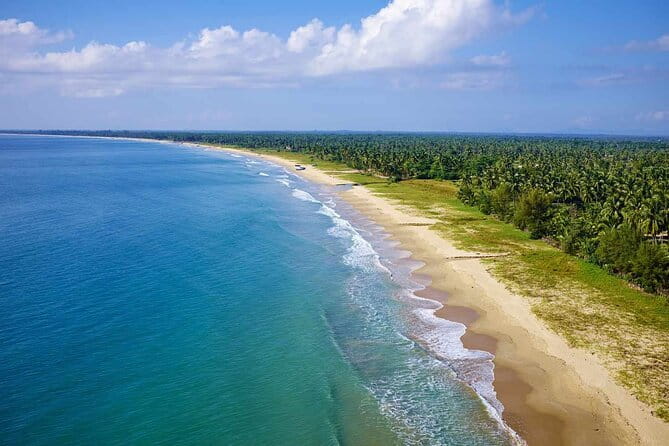
Then you’re given a beach reset: relaxation and scenic views around Mirissa, Weligama, or Dikwella for about five hours. Beach time here isn’t just free time for the sake of it; it’s practical recovery. Your legs and head get a rest, and you still get to enjoy the south coast’s laid-back feel.
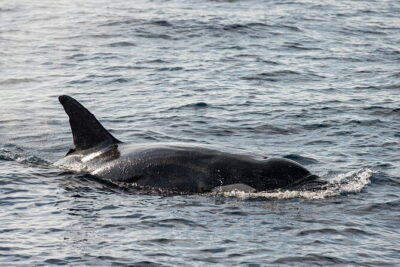
Day 10 adds whale watching in Mirissa, listed as seasonal. It’s not included in the admission notes, so you’ll pay separately if you go. The potential to see blue whales, dolphins, and other marine life is the main reason people want this stop.
If you’re travel-practical, you’ll want to dress for boat time—cooler air, some spray, and the kind of sea breeze that finds every loose part of your clothing.
Galle Fort, Madu River Mangroves, and a Turtle Hatchery on the Same Day
Day 11 is a “Sri Lanka by water and stone” day.
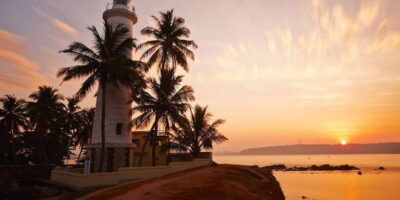
You start with Galle Fort, a UNESCO site with Portuguese, Dutch, and British influences. Expect cobblestone streets and colonial-era architecture, plus the simple pleasure of walking without feeling rushed. Admission is included for the fort visit.
Next is the Madu River Safari by Buddhi. It’s a boat ride through mangroves and small islands, with birds and monitor lizards mentioned as possibilities. Admission is included here too.
Then you end at the Turtle Hatchery in Hikkaduwa, a conservation project where you can see sea turtles at different stages. Admission is included for the hatchery entrance. This is a meaningful stop because it shifts the trip from “watching nature” to “supporting protection.”
This day is packed, but it’s packed with variation: fort stones, mangrove waterways, then conservation-focused learning.
Ending in Colombo: One More City Walk with the Temples and the Coast
Day 12 loops you back to Colombo for a final city walk timed to departure. You’ll revisit key highlights such as Galle Face Green, Independence Memorial Hall, and Gangaramaya Temple. Admission is included.
It’s a good way to close, because you’re seeing the city once more after the countryside and wildlife. By this point, the city doesn’t feel like an arrival blur. It feels like a final chapter.
Price and What’s Included vs What You’ll Pay Extra
Let’s talk money like adults.
You pay $1,650 per person for the 12-day private program. The inclusions list covers a lot of “managed” costs: cultural village tour with local lunch, Polonnaruwa bicycle hire, herbal garden visit, cultural dance show, the gem factory visit, rafting admission, tea plantation and factory visit, Nuwara Eliya city tour, Nine Arches Bridge and Ravana waterfall visit, Little Adam’s Peak visit, Galle Fort visit, and turtle hatchery entrance fees. You also have breakfast on 11 days and dinner on 10 days.
But several big-name attractions are not marked as included in the admission notes. That includes the Millennium Elephant Foundation, the Negombo Lagoon boat ride, Sigiriya Rock Fortress, Polonnaruwa safari admission portions, Dambulla temple admission portion notes, Yala safari, whale watching, and Hummanaya Blow Hole. Some temples also show admission not included.
So the real value is in how much is already arranged and paid for, not that every single ticket is bundled. If you want a smoother budget, ask your operator for a clear rundown of likely extra admissions before you lock it in.
Guides, Pace, and Practical Fitness: What Private Really Means Here
This is a private tour. That matters because Sri Lanka can be fast-moving on the roads, and you don’t want your day swallowed by group logistics. With a private setup, you can ask for small adjustments: pacing, timing, and focus based on what you want to photograph or understand.
The feedback I saw consistently highlights punctual, attentive driving and flexible guiding. People specifically named Buddhika (Buddi) and Chandana, and also noted that guides like Chinthaka were responsive to requests. There’s also a detail that’s useful for picky eaters: one guest mentioned searching for lactose-free milk for several days. The lesson is simple—tell your guide up front about dietary needs, and don’t wait until hunger hits.
On physical comfort: the program says moderate physical fitness is expected. That lines up with Sigiriya’s climb, bicycle time in Polonnaruwa, and rafting. If you can handle walking around temples and doing one solid climb, you’re probably fine.
Should You Book the Grand Discovery of Sri Lanka?
I’d book it if you want a single, well-fed itinerary that covers Sri Lanka’s major themes: ancient sites, wildlife parks, tea-country views, and a strong south-coast finale. It’s especially good if you prefer private pacing and you want someone to handle the “how do we get there” parts.
I would hesitate if you’re the slow-travel type, or if you hate paying for add-on admissions—because several headline activities are listed with admission not included. Also, if you’re sensitive to heat and long driving days, plan to take breaks seriously and pack smart.
If you do book, do two things:
- bring good footwear for climbs and temple floors,
- and share dietary needs early, including lactose issues if that’s relevant for you.
FAQ
What is the tour duration?
The tour runs for 12 days (approx.).
Where does the tour start and where does it end?
It starts in Negombo, Sri Lanka, and ends back at the meeting point.
What time does the tour start?
The start time is 8:00 am.
Is this a private tour?
Yes. Only your group will participate.
Is pickup offered?
Pickup is offered.
What meals are included?
Breakfast is included on 11 days and dinner is included on 10 days.
Are entry fees included for all activities?
No. The itinerary lists some activities with admission ticket included and others with admission ticket not included, so you may pay extras for certain stops.
Is white-water rafting included?
Yes. White-water rafting admission is included, with Class II and III rapids.
Is the scenic train to Ella included?
Yes. The scenic train journey is listed with admission ticket included.
What is the cancellation refund timeline?
You can cancel up to 6 days in advance for a full refund. For a 50% refund, cancel 2–6 days in advance. If you cancel less than 2 days before the start time, the amount paid isn’t refunded.