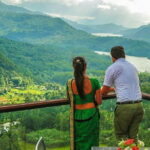
Sigiriya, safari, and tea in one loop. This 12-day Grand Adventure Tour Sri Lanka is built for big sights without you having to plan every turn, with pickup, private air-conditioned driving, and expert guidance. You get a smart mix of culture, wildlife, and down time—start in Negombo, work through the Cultural Triangle, swing into hill-country tea, then finish with southern coast beaches and Colombo.
I especially like the way it packs the island’s top “Sri Lanka moments” into logical days: Dambulla Cave Temple, Sigiriya, the Temple of the Sacred Tooth in Kandy, and a 4×4 jeep safari in Yala aimed at leopards and elephants. I also appreciate the hands-on, not just look-from-a-bus style experiences, like the village tour with a bullock cart and lake canoeing, plus spice gardens and cooking demos.
One possible drawback: the schedule is action-heavy, and some major temple attractions are marked as not included, so you should budget for entrance tickets along the way. If you’re not up for short hikes (including an optional one) and long travel days, you may want a slower, more beach-first plan.
In This Review
- Key highlights at a glance
- Getting started in Negombo: easy arrival, no forced first-day plans
- Dambulla Cave Temple and the Cultural Triangle’s big opener
- Sigiriya rock fortress: the climb-with-your-eyes kind of day
- Kandy: sacred heritage plus an evening performance
- Peradeniya Botanical Gardens and Kitulgala: plants in the morning, adventure in the afternoon
- Nuwara Eliya tea hills: mist, factories, and waterfall breaks
- The Nanu Oya to Ella train ride: the sentimental highlight day
- Yala National Park by 4×4 jeep: your best chance at elephants and leopards
- Mirissa/Weligama: beach time that doesn’t feel like an afterthought
- Galle Fort and the Madu River Safari: old port city plus mangroves
- Colombo on the last day: last shopping, one final port-city feel
- Price and logistics: what your $1,267 buys you (and where costs may pop up)
- Who this tour fits best (and who should look elsewhere)
- Should you book this Grand Adventure Tour Sri Lanka?
Key highlights at a glance
- UNESCO hits across Dambulla, Sigiriya, and Kandy, with a route that keeps backtracking to a minimum
- Yala National Park by jeep (4×4) with a strong focus on spotting leopards, elephants, and crocodiles
- Hill-country train ride from Nanu Oya to Ella, one of the most scenic segments in Sri Lanka
- Tea-country access via a tea factory and plantation visit in Nuwara Eliya’s misty hills
- Real local flavor through village activities, spice gardens, and cookery demos
- South coast recovery time with Mirissa/Weligama beach days and a relaxed final stretch
Getting started in Negombo: easy arrival, no forced first-day plans
Day 1 is about arriving and getting settled. You land at Colombo Airport, meet the tour leader, then transfer to a hotel in Negombo—no mandatory sightseeing, just a smooth start. That matters in Sri Lanka, where your first day can either feel smooth… or chaotic. Here, it stays calm.
Negombo itself is a good base for orientation. It’s known for its golden sandy beach, plus food and everyday coastal life. This first day gives you time to recover from flights, buy a few essentials, and decide what kind of evenings you want—quiet or social.
You can also read our reviews of more tours and experiences in Negombo.
Dambulla Cave Temple and the Cultural Triangle’s big opener
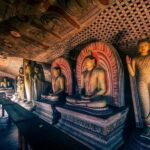
The action really starts on Day 2, with a drive toward Dambulla. En route you stop at Kurunegala Lake and Elephant Rock Temple, quick context stops that help you read the landscape as more than a backdrop. Then you reach Dambulla Cave Temple, a UNESCO site with the Golden Buddha Statue and the Royal Cave Temple complex on a towering rock.
This is one of those places where the architecture does the storytelling for you—five caves, long historical importance, and murals that help you understand why rulers valued this location. It’s also a good “first UNESCO temple” because it’s visually clear right away, even if you’re not a deep history buff.
Important practical note: Dambulla Cave Temple entrance is marked as not included in the plan. So budget for tickets, especially if you’re traveling outside peak seasons when lines may still be unpredictable.
Sigiriya rock fortress: the climb-with-your-eyes kind of day
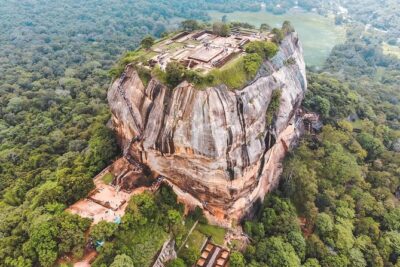
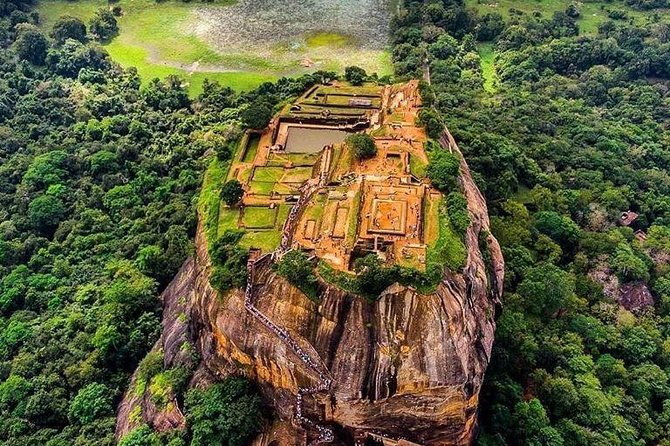
Day 3 is Sigiriya Rock Fortress (UNESCO), and it’s easy to see why it’s famous. King Kasyapa’s palace once sat atop the rock, and the approach rewards you with views that widen as you go. Even if you arrive tired, Sigiriya has a way of snapping your brain into “watch mode.”
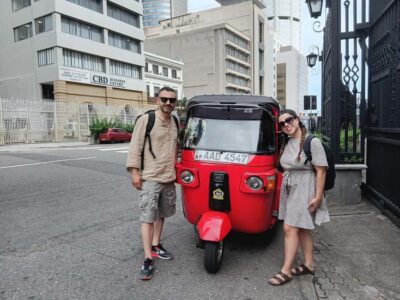
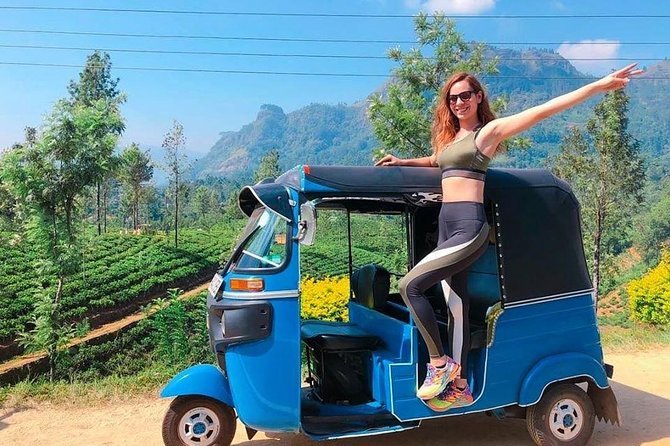
After Sigiriya, you slow down with a rural change of pace: a cultural village tour that includes a bullock cart ride, canoeing across the lake, and a tuk-tuk transfer. This part is valuable because it trades museum language for lived habits—villages here still use older systems, and you get a feel for daily rhythms rather than staged performances.
In the evening, there’s an optional hike to Pidurangala Rock. The appeal is that it can feel less crowded than the main viewpoints. The tradeoff: the route is steep and uneven, and there’s no clear path. If bugs bother you, bring spray—this is specifically called out.
Kandy: sacred heritage plus an evening performance
Day 4 brings you to Kandy, set on a plateau backed by mountains and tea country. You start with the Matale Herbal and Spice Garden—included—and that’s one of the trip’s best “small” experiences. You’re not just hearing names of plants; you’re seeing how spices and herbs are grown and used.
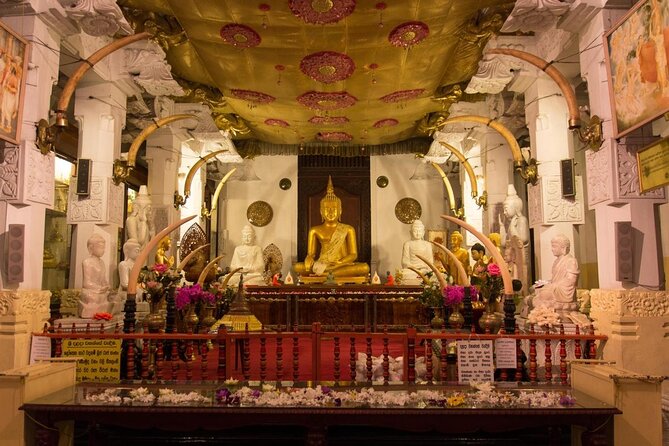
Then it’s on to Temple of the Sacred Tooth Relic (UNESCO). This is the spiritual centerpiece of Kandy, tied to the last Sinhalese kingdom and still a major religious site. It’s a strong contrast to the dramatic stonework of Sigiriya because the mood is more devotional than monumental.
The day ends with a cultural dance show in Kandy, included. It’s the right type of activity here: a structured evening that doesn’t add more daytime walking, so you can recharge.
Like Dambulla and Sigiriya, the Sacred Tooth Temple entrance is marked as not included, so plan for tickets.
Peradeniya Botanical Gardens and Kitulgala: plants in the morning, adventure in the afternoon
Day 5 is an excellent two-part day. First is Peradeniya Royal Botanical Gardens, where the focus is plants, especially orchids and the garden’s large collection of plant varieties. The entrance is marked not included, so again, expect tickets to be part of your budget.
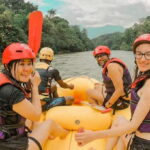
Then you shift to Kitulgala, a major ecotourism stop, and the vibe changes fast. Your included adventure program features river rafting, plus water sliding and a confidence jump. This is the day for people who want their travel to feel physical—nothing like swapping temple silence for wet, loud fun.
You also finish with a BBQ dinner at the end of the activities, and you sleep at a nature-friendly small resort (not presented as luxury, but comfortable and practical). If you like a bit of grit and real effort in your travel days, Kitulgala fits the “Grand Adventure” idea.


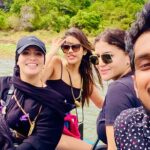
Nuwara Eliya tea hills: mist, factories, and waterfall breaks
Day 6 is tea-country moving into cooler air. You visit the Pedro Tea Factory and get the full tea story: plantation views, then a factory tour where you can watch processing and smell what fresh tea production is about. This is one of the best “value” parts of the trip because tea here isn’t a souvenir topic; it’s the main agricultural engine of the region.
You also stop at St. Clair’s Falls, sometimes called the Little Niagara. It’s a short stop, but it breaks the drive and gives you a reset before you reach Nuwara Eliya, the colonial-era hill town often nicknamed Little England. The tour includes time walking the city center and the fruit and vegetable market, so you get local food energy beyond hotel walls.
Most of all, Nuwara Eliya works because it slows your pace without putting you into a day-long lounge. That makes it easier to handle the next big activity: the train.
The Nanu Oya to Ella train ride: the sentimental highlight day
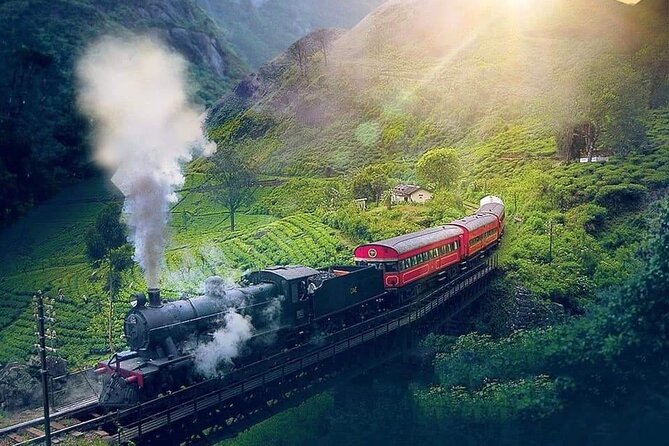
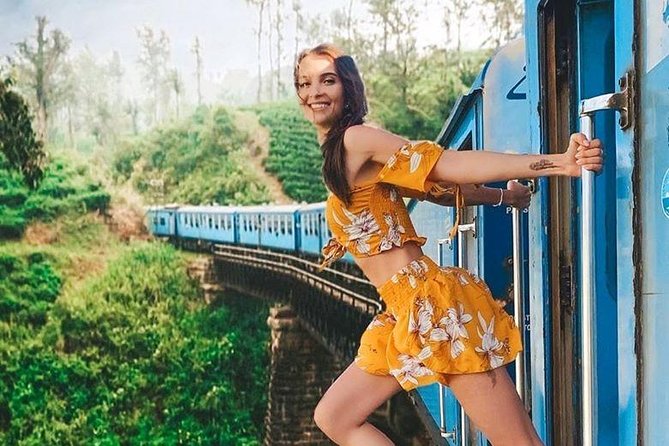
Day 7 is one of the trip’s standout moments for many people, and it’s easy to understand why. You take the train from Nanu Oya to Ella, a famous hill-country ride with scenic views. Train class is subject to availability, but either way, it’s a real travel memory because it changes your sense of distance.
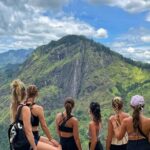
Once you arrive in Ella, you’re not stuck in check-in lines forever. You visit Rawana waterfall, see the Nine Arch Bridge, and then hike Little Adam’s Peak (mini Adam’s Peak), included. The bridge is famous for being built without steel, and it’s one of those structures you want to photograph not once, but from a few angles.
This is also a great day for walking at your own pace. The tour gives structured stops, but your downtime in Ella is real.
Yala National Park by 4×4 jeep: your best chance at elephants and leopards
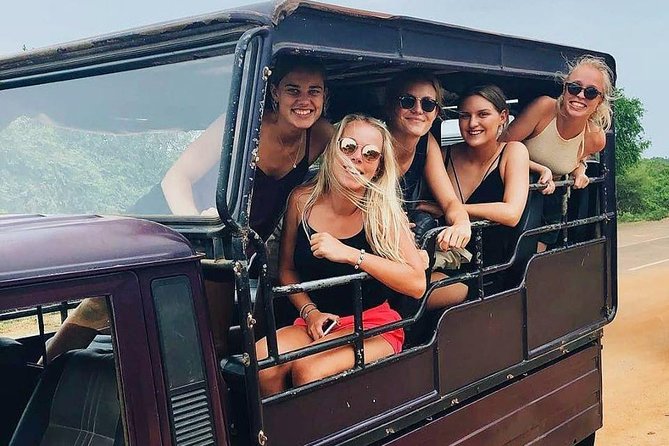
Day 8 shifts from hills to safari country. You go from Ella area toward Yala, with a stop at Ravana Ella Falls along the route. Then the real action: Yala National Park by 4×4 jeep.
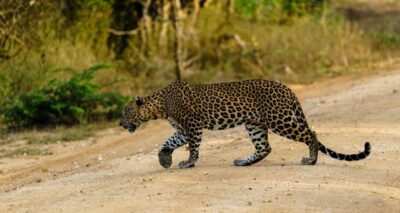
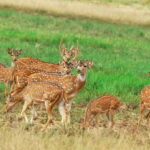
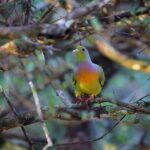
The park is described as Sri Lanka’s largest, and you’ll learn it’s divided into sections by a river, which affects how jeeps move and where wildlife can show up. The safari focus is clear: look for leopards, plus elephants, crocodiles along the river, and sloth bears. Even when sightings don’t land on your personal wish list, Yala’s wildlife density and the jeep format make it feel alive.
And this is another place where the “private tour” format matters. Your guide can adjust timing and positioning based on what the area is giving that day.
Mirissa/Weligama: beach time that doesn’t feel like an afterthought
Day 9 is arrival into the south-coast beach zone at Mirissa/Weligama (Dickwella area). Your schedule keeps it simple: settle in, then enjoy the sandy coastline with palm trees and plenty of options for relaxing or grabbing a drink.
Day 10 adds a different kind of fun: a local cookery demonstration. Cooking is often a “nice extra” on tours, but it’s more memorable here because it ties into the earlier village experiences and helps you connect what you ate with how it’s made. You also get time for sunset and a relaxed evening meal—seafood is the obvious temptation.
If you like your travel to include real recovery time, these two days work. It’s not just “arrive and depart.” It’s a proper break after wildlife and driving.
Galle Fort and the Madu River Safari: old port city plus mangroves
Day 11 brings you up the coast to Galle Fort (UNESCO). This is where Dutch and British architecture meets a tropical shoreline, and the streets feel like a walk through layered history. You’ll also see the Galle Lighthouse, sitting on the southeast tip of the fort.
After the historic walking, you switch to water-and-wetlands with Madu River Safari by Buddhi. This part is described as a relaxing trip with mangrove forest islands, small temples, and locals cultivating cinnamon. It’s the right contrast after stone walls and fort ramps.
One practical note: the Madu River stop is marked with admission not included, so expect additional costs if tickets or guides are required.
You then sleep along the southern coast again in Bentota/Hikkaduwa, with beachfront downtime.
Colombo on the last day: last shopping, one final port-city feel
Day 12 finishes in Colombo City Centre. You get time to visit highlighted city areas and do last-minute shopping, and the plan includes a quick historical framing: Colombo as an important port city in the East-West sea trade. Even if Colombo isn’t “classic postcard” Sri Lanka, it’s the place where you end a trip with something modern and practical.
Then you either fly out or get dropped back to Colombo/Negombo. The tour includes free airport pick-up and drop on the first and last day, and it’s stated as available 24/7, which is a nice safety net if your flight times are awkward.
Price and logistics: what your $1,267 buys you (and where costs may pop up)
At about $1,267 per person for 12 days, the value here comes from the bundle: private vehicle comfort, a full chain of stops, and several included activities that would cost real money if you booked separately. You’re also getting daily lunch and a complimentary bottle of water each day, plus breakfast for 12 days and dinner for 9 days per the included list.
The big “worth it” ingredients are:
- included Kitulgala adventure (rafting and more),
- included tea factory/estate visit,
- included train ride,
- included dance show and spice garden,
- included hike to mini Adam’s Peak,
- included safari jeep time in Yala.
Where you should expect extra spending is entrances that aren’t marked included: some of the major temples and gardens (including Dambulla Cave Temple, Sigiriya, and Temple of the Sacred Tooth) are flagged as not included. That’s not a deal breaker—it’s common on tours—but it affects your final total.
Also, this is a private tour for your group only. Your guide/driver is English-speaking, and multiple reviews praise guide flexibility and calm, careful driving—names that came up include Buddhika, Udara, Chintaka, Heshan, Bhathi/Bhathiya, Camilas, Lalit, Aruna, and Nishantha. The consistent theme: people felt well cared for and could ask for adjustments.
Who this tour fits best (and who should look elsewhere)
This is a good match if you want a balanced Sri Lanka trip with culture, wildlife, and tea, plus real beach time. It also suits people who like structure but still want a human guide to help shape the day, especially since the tour is private and can adapt.
It may not be ideal if you mainly want slow beach lounging with minimal driving. It’s also not a “no effort required” plan. The tour calls for moderate physical fitness, and you might choose to do the optional Pidurangala Rock hike in addition to the included mini Adam’s Peak trek.
Should you book this Grand Adventure Tour Sri Lanka?
Book it if you want the classic Sri Lanka highlights—Sigiriya, Kandy, tea hills, Yala safari, and southern beaches—all in one efficient route, and you’re happy to pay a bit extra for some temple/garden entrances. The mix of big UNESCO stops, a real train day, and at least one physical adventure day (Kitulgala rafting) makes it feel like more than a sightseeing checklist.
Skip or rethink it if you want a mostly relaxed itinerary with lots of unscheduled beach time and minimal hiking. In that case, the “adventure” part can feel like too much. But if you’re the type who likes to trade one amazing viewpoint for the next, this tour is built for your style.