Tea country from a bike feels like cheating—in a good way. This electric e-bike loop threads through central Sri Lanka’s tea hills, with viewpoints, tea villages, and heritage stops along the ride. I like how it blends scenery with real local sights, not just roadside photos.
Two things I’d call out right away: you get a mostly traffic-free feel while still covering about 25 km, and the route lines up classic tea landmarks like tea factories (Norwood, Stockholm, Mahanilu, Brunswick) and plantation settlements. You’ll also glide past Hindu temples and the All Saints Church (built in 1876), which adds a bit of British-colonial-era contrast to the tea landscape.
The main thing to consider is simple: this is weather-dependent and it’s outdoors. If clouds and rain move in, plans may shift or you’ll be offered another date.
In This Review
- Key highlights you should care about
- E-Bikes Through Tea Country: Why This 25 km Loop Works
- Route Mood: Quiet Lanes, Photo Breaks, and Real Village Life
- Tea Factory Sight Lines: Norwood, Stockholm, Mahanilu, Brunswick
- Castlereagh View Point and Valley Stops: Where the Photos Actually Happen
- Town Pass-By Moments: Maskeliya and Maussakelle
- Adams Peak View Area: A Different Kind of Mountain Moment
- Religious and Colonial-Era Contrast: Temples and All Saints Church (1876)
- The Guide Makes the Day: Sri, Lishaa, and Nandhu
- Bike Comfort and the Real Meaning of Electric Assist
- Snacks and Timing: What 2.5 Hours Feels Like
- Who This Tour Fits Best (and Who Might Want Something Else)
- Practical Tips to Get More From the Ride
- Value for $45: What You’re Really Paying For
- Should You Book Tea Loops E-Biking?
- FAQ
- How long is the Tea Loops e-biking experience?
- How far do you ride?
- What does the price include?
- Do I need to arrange my own transport to the start?
- How many people are in a group?
- Do I need good weather?
- When will I get confirmation after booking?
- Is this suitable for most travelers?
Key highlights you should care about
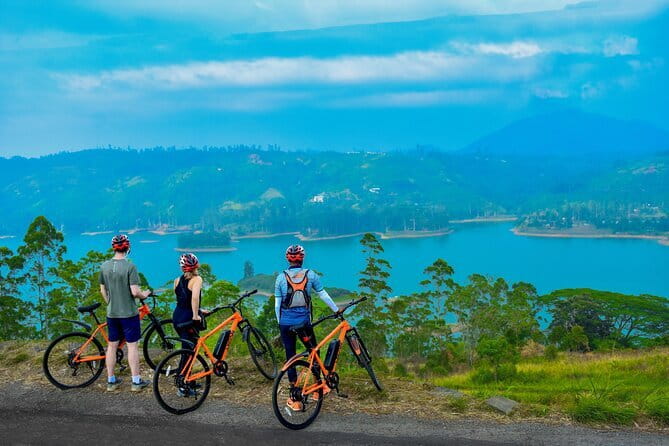
- Electric assist that makes hills manageable, so you spend energy on views and photos instead of slogging
- Tea factory sightings like Norwood, Stockholm, Mahanilu, and Brunswick on the route
- Heritage stops including Hindu temples and the All Saints Church built in 1876
- A viewpoint-focused plan with stops such as Castlereagh View Point and Bogawanthalawa Valley
- Small groups (max 4), which usually means more time to ask questions and take breaks
- Guides who prioritize safety, including friendly, informative leadership from people like Sri, Lishaa, and Nandhu
E-Bikes Through Tea Country: Why This 25 km Loop Works
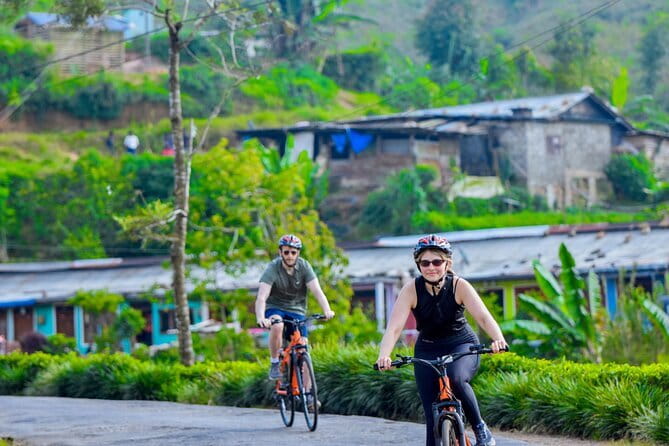
This tour is built around one idea: put you on electric bikes and send you through the heart of Sri Lanka’s tea region at a pace where you can actually enjoy what you’re passing. The ride covers about 25 km and is timed at roughly 2 hours 30 minutes. In other words, it’s long enough to feel like you’ve gone somewhere, but not so long you’re done after one hill.
What makes the electric part matter isn’t just comfort. Electric assist changes the whole rhythm of the day. You can keep moving on the gentle grades, slow down for roadside moments, and still have energy when the route opens up into big valley views.
Also, the group size stays small—up to 4 travelers. That’s a big deal here because tea lanes can be narrow. Fewer people means less bunching, fewer slowdowns, and more flexibility for quick photo stops.
If you’re hoping for a wild adrenaline ride, this isn’t that. Think relaxed effort, quiet lanes, and frequent reasons to stop.
You can also read our reviews of more tours and experiences in Central Sri Lanka.


Route Mood: Quiet Lanes, Photo Breaks, and Real Village Life
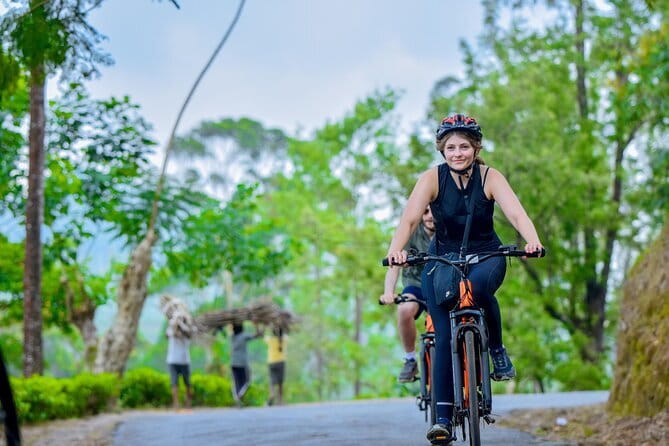
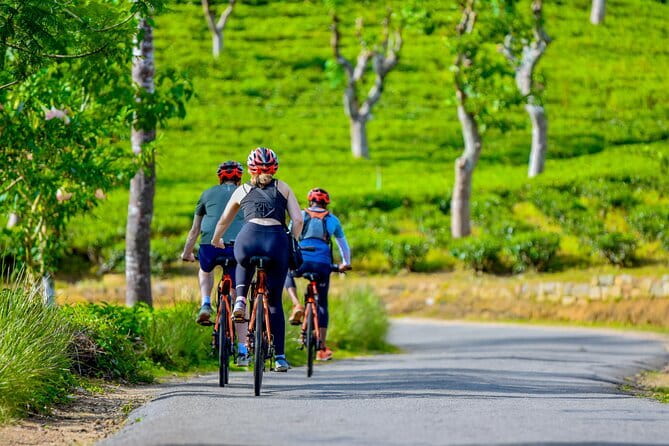
You’ll be cycling along lanes where cars aren’t the star of the show. That quiet is what turns a tea-region drive into something special: you can hear the countryside, see homes and gardens close up, and watch daily life roll by. Expect little pull-offs and stop-and-look moments rather than one long nonstop push.
The route also passes through tea plantation villages, which helps the day feel grounded. You’re not only viewing tea estates from a distance—you’re moving through the areas where people live alongside the factories and fields.
On top of that, you’ll see religious landmarks as you go. The ride takes you past Hindu temples as well as the All Saints Church from the British colonial era (built in 1876). Those stops add context to what you’re looking at, because tea country here isn’t just a scenic background—it’s a lived-in region with layers of history.
Tea Factory Sight Lines: Norwood, Stockholm, Mahanilu, Brunswick
One of the clever parts of the route is that it doesn’t treat tea as a vague backdrop. You ride through areas associated with multiple tea factories—Norwood, Stockholm, Mahanilu, and Brunswick. Even without a formal museum stop, seeing the factory names and the surrounding processing/estate areas helps you understand why this region looks the way it does.
Here’s why that matters for you as a visitor: tea production is seasonal and place-based. The factories are practical “anchors” in the landscape. When the route points you toward them, you start noticing details you’d otherwise miss—buildings, estate boundaries, and the way roads connect fields to processing areas.
This also makes the ride feel more than pretty. You’re collecting small pieces of how the region works, while still enjoying the view.
Castlereagh View Point and Valley Stops: Where the Photos Actually Happen
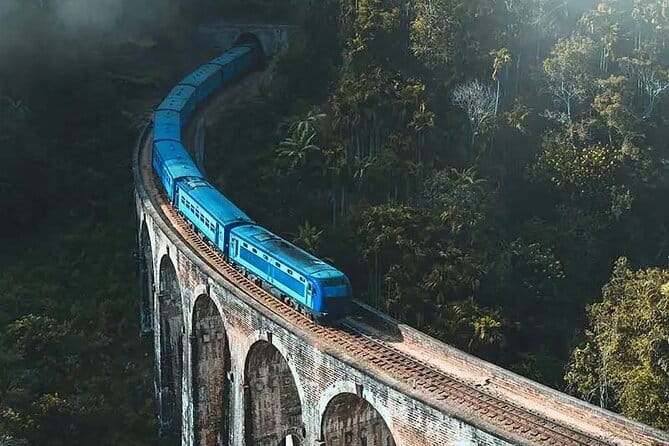
A lot of tours say they have viewpoints. This one builds the day around them. You’ll have planned stops at scenic lookouts, including Castlereagh View Point, plus another highlight in the Bogawanthalawa Valley area.
These breaks are where the electric bike pays off. If you were doing this on a regular bike, you’d arrive at the viewpoints tired and short on patience. With electric assist, you tend to arrive feeling ready—so you can take your time, adjust angles, and enjoy the wider view rather than only snapping one quick picture.
If you like photography, you’ll appreciate that the route isn’t just one big lookout at the end. It offers multiple chances to catch the valleys and tea slopes from different angles. That also helps on hazy days; if one viewpoint is clouded, another stop might still give you a clearer view.
Town Pass-By Moments: Maskeliya and Maussakelle
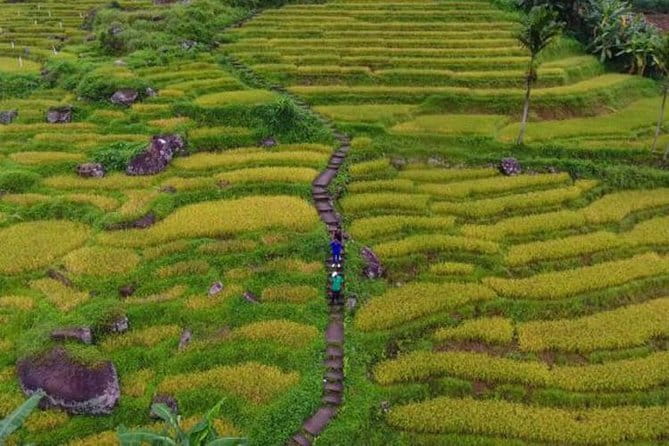
Not every tea tour includes ordinary town textures. This route includes stops or passes that bring you closer to day-to-day life—places like Maskeliya and Maussakelle. The value here is balance. Pure estate scenery can feel repetitive if you only see fields. Adding town elements breaks it up and gives your eyes something different to process.
These town segments can also help you understand the “how” of the area. Tea estates don’t sit alone. Roads, settlements, and services connect them. Even a short time in these areas can make the overall region feel more understandable.
If you’re traveling without much time in central Sri Lanka, these kinds of touchpoints help you feel like you covered more than just one type of scenery.
Adams Peak View Area: A Different Kind of Mountain Moment
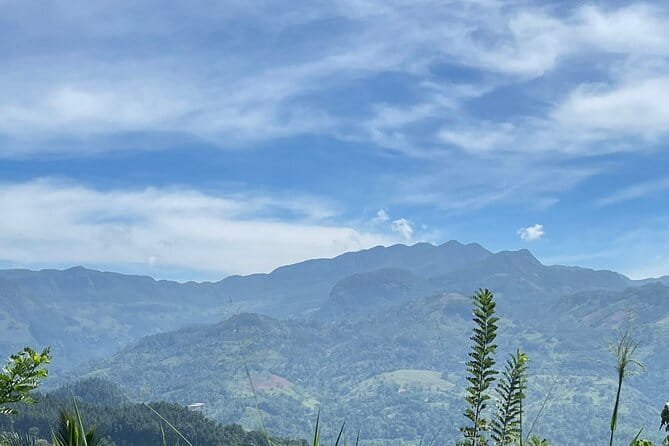
The route includes a stop with views toward Adams Peak. Even if you’ve never planned a pilgrimage to the mountain, seeing it from the tea country side adds a sense of scale. It reminds you this region is mountainous and layered—not just rolling hills.
One practical note: mountain areas can change fast with weather. If you’re sensitive to fog or cold, bring a light layer. Even in seasons that feel mild, upland mist can make a viewpoint stop feel colder than you expected.
Religious and Colonial-Era Contrast: Temples and All Saints Church (1876)
This is one of the most interesting elements of the ride. You’re moving through a place where tea estates dominate the economy, yet you’re also passing Hindu temples and the All Saints Church (built in 1876)—a British colonial-era landmark.
That contrast is worth paying attention to because it keeps the day from turning into a single-theme photo walk. It also gives you something to ask about when your guide points out features along the route.
And it’s not only about history for history’s sake. When you notice a church beside tea lanes, you start understanding how roads and institutions formed during the colonial period, and how that infrastructure shaped access to estates. It helps you read the area instead of only seeing it.
The Guide Makes the Day: Sri, Lishaa, and Nandhu
A big reason this experience gets strong marks is the way guides handle the ride. Safety comes first, which matters a lot on narrow roads and with frequent stops. You’ll also get more out of the scenery when someone explains what you’re seeing instead of only handing you a bike and letting you guess.
Names that came up include Sri, Lishaa, and Nandhu—each described as friendly and informative in different ways. Nandhu, for example, is mentioned as considerate, and guides are praised for making the ride better by keeping things safe and organized.
If you want a more meaningful experience, do this: ask a simple question early in the ride. Something like what the factories are known for or how tea harvesting connects to what you’re passing. Guides who are truly engaged will steer you toward details you might not spot on your own.
Bike Comfort and the Real Meaning of Electric Assist
This tour isn’t about pushing your fitness. It’s about giving you help so you can enjoy the route. Reviews point out that the electric bikes make the effort feel easier—people even describe it as a big help for a 25 km day, and the ride can feel especially relaxed when parts are downhill.
You should also expect a guided setup, not solo biking. The day is structured so you don’t have to manage route decisions. That’s valuable in rural areas where roads may curve through tea estates and where signage can be inconsistent.
Safety structure matters too. One group mentioned being accompanied by a guide and having a tuk-tuk support vehicle following for safety. While that’s not guaranteed in every situation, it’s a sign the operator thinks about backup and rider comfort.
Snacks and Timing: What 2.5 Hours Feels Like
The ride time is listed at 2 hours 30 minutes and includes snacks. Plan on the day feeling like a half-morning outing rather than a full excursion. You’ll have time for stops, photos, and looking at the tea scenery up close, without it swallowing your whole afternoon.
If you’re someone who gets hungry easily during rides, keep in mind snacks are included but the details aren’t spelled out. It’s still smart to carry a small extra water bottle if you’re sensitive to dehydration.
Also, because it’s outdoors, build buffer time around the tour itself. Try not to schedule a hard-to-miss appointment right after. You’ll likely want a moment to settle your photos and let the views sink in.
Who This Tour Fits Best (and Who Might Want Something Else)
This is a strong fit if you:
- Want scenic tea country without committing to a tough day of pedaling
- Prefer small groups and a guided route with photo stops
- Like culture on the way—temples, churches, and everyday tea-region life
- Enjoy biking but don’t want steep-bike stress
It may not be your best match if you:
- Want a full factory tour with indoor tastings (this is more about passing sights than long museum-style stops)
- Are traveling during poor weather windows and hate plan changes
- Want pickup/drop included, because transport to the start point is on you (the experience notes it doesn’t include pickup or drop)
Practical Tips to Get More From the Ride
Here’s how to make the day go smoothly, based on what’s built into the experience:
- Dress for changing light. Mountain viewpoints can shift quickly, so wear layers you can adjust.
- Bring sun protection. Tea slopes mean open stretches, and you’ll likely stop often to look around.
- If you’re not an expert cyclist, use the electric assist early. You’ll stay comfortable for the long stretches and enjoy more viewpoint time.
- Ask your guide about the sights as you pass them. This tour makes it easy to connect tea scenery with named factories and landmarks.
- If you’re serious about photos, treat every stop like it counts. The best shots often come when you pause longer than you expect.
Value for $45: What You’re Really Paying For
At $45 per person, this is priced for a guided outdoor experience that covers roughly 25 km with electric assist. The value isn’t only the bike—it’s the combination of:
- A structured route through tea estates
- Named sights (factories like Norwood, Stockholm, Mahanilu, Brunswick)
- Cultural landmarks (temples and the All Saints Church)
- Multiple viewpoint stops (including Castlereagh View Point and Bogawanthalawa Valley)
- A small group size and safety-focused guidance
Also, snacks are included, and that small comfort helps keep the ride enjoyable.
Could something cheaper exist? Sure, but it’s hard to match this mix of guided cycling, tea-region sights, and viewpoint stops at this price point—especially in a remote central Sri Lanka setting.
If you’ve got limited time, this also gives you a lot of variety without needing multiple separate tickets.
Should You Book Tea Loops E-Biking?
I’d book it if you want a tea-country experience that feels active, scenic, and thoughtfully planned. The electric bikes make it realistic for more people, and the route seems designed to keep you moving between viewpoints, tea estates, and cultural landmarks like Hindu temples and the All Saints Church built in 1876.
Skip it if you’re expecting a long indoor factory tour or if your schedule can’t handle a weather-dependent day. Since good weather matters here, I’d also watch the forecast and keep your flexibility.
If your ideal day is quiet roads, tea hills, and a guide who keeps safety and explanations front and center, Tea Loops E-Biking is a smart way to spend a half-day in central Sri Lanka.
FAQ
How long is the Tea Loops e-biking experience?
It runs about 2 hours 30 minutes (approx.).
How far do you ride?
The loop is described as covering about 25 km.
What does the price include?
Snacks are included. The experience price is listed as $45. Pickup or drop is not included.
Do I need to arrange my own transport to the start?
Yes. Pickup or drop is not included, but the activity is noted as near public transportation.
How many people are in a group?
The maximum group size is 4 travelers.
Do I need good weather?
Yes. The experience requires good weather, and if it’s canceled due to poor weather, you’ll be offered another date or a full refund.
When will I get confirmation after booking?
Confirmation is received within 48 hours of booking, subject to availability.
Is this suitable for most travelers?
It notes that most travelers can participate.