Elephants and ancient ruins in one loop. This day trip puts UNESCO Polonnaruwa stonework right next to a Minneriya safari drive, where your eyes are for more than statues at Gal Vihara. The whole point is a smart combo: history in the morning, wildlife in the afternoon, without you juggling separate tours.
I also like that the safari part isn’t just driving around. When it clicks, you get real sightings of elephants in a proper herd setting, plus an English-speaking driver who can adjust the day so you spend time where the action is. One caution: there’s a real-world risk that the safari stop may shift away from Minneriya if the guide decides another park has better odds, so ask for confirmation before you head out.
In This Review
- Key Highlights Worth Booking For
- Polonnaruwa Ancient City: Royal Palace, Gal Vihara, and the Quadrangle
- The Ruins Guide Effect: Why Stories Matter Here
- Minneriya Elephant Safari: What You’re Really Chasing
- Important Watch-Out: Minneriya Confirmation
- Timing, Transport, and How the Day Feels
- Price and Value: Is $75 Actually a Good Deal?
- Who This Tour Fits Best (and Who Might Struggle)
- Should You Book This Polonnaruwa + Minneriya Day Trip?
Key Highlights Worth Booking For
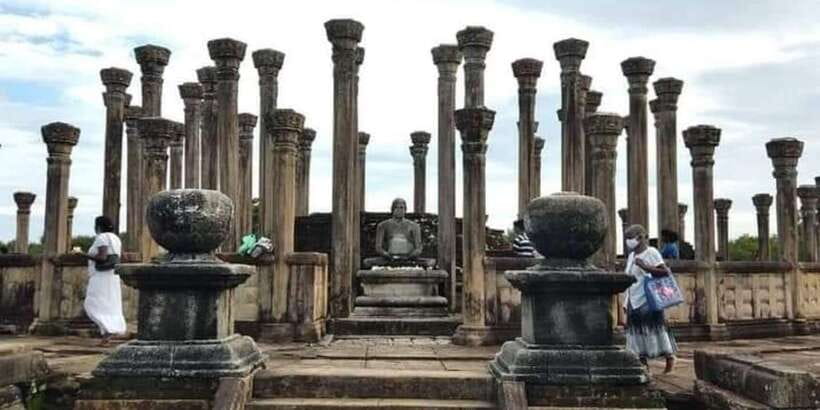
- Polonnaruwa’s big three sites: Royal Palace, Gal Vihara, and the Quadrangle (the “why” behind the stones).
- A real safari setup: Minneriya National Park in a sturdy 4×4 jeep with naturalists on hand.
- Elephant gatherings: You’re aiming for the famous “The Gathering,” when herds come together to graze and socialize.
- English driver support: Helpful communication all day, including during transfers.
- Drinks included on the day: Refreshing beverages and bottled water so you don’t scramble for basics.
- Hotel pickup and drop-off: Makes this one-day plan feel easy, not like a mini expedition.
Polonnaruwa Ancient City: Royal Palace, Gal Vihara, and the Quadrangle
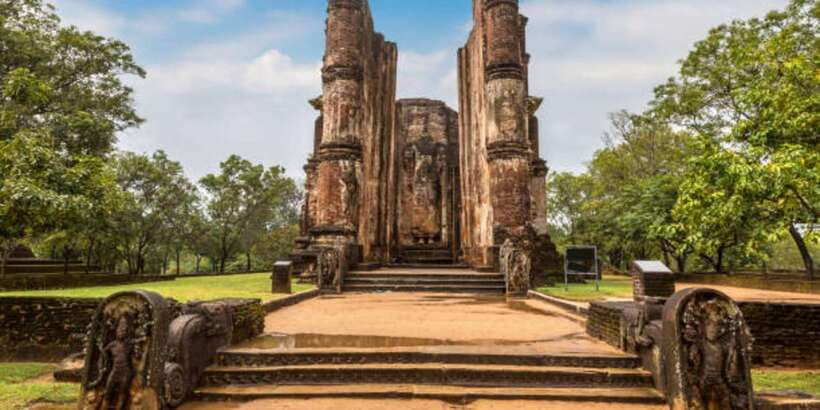
Polonnaruwa is the kind of place where the ruins aren’t random. They’re laid out like a city that still has a pulse if you know what you’re looking at. On this tour, you start by entering one of Sri Lanka’s best ancient kingdoms zones, then you move through stops that help you understand the layout and purpose of the royal and sacred areas.
The Royal Palace area is where you start to get your bearings. Even if you’re not a history obsessive, you can feel the planning: power was displayed in stone, and daily life for rulers and court life left physical traces you can still track. This is a good warm-up stop, because it sets the mindset for the more dramatic sculptural pieces later.
Then comes Gal Vihara, and it’s hard to miss. The big Buddha statues at Gal Vihara are the visual payoff, the moment where you stop thinking about ruins as “old rocks” and start thinking about them as design. I like how this stop helps you see craftsmanship as communication. The carvings aren’t just pretty; they’re meant to guide attention and belief.
Finally, you finish the core circuit at the Quadrangle, the spiritual center area. This is the place that gives Polonnaruwa its devotional gravity. You’re not just looking at architecture; you’re stepping into a zone that explains how sacred space worked in the ancient city.
Practical note: Polonnaruwa sites can involve uneven ground and lots of walking. Bring comfortable shoes, and don’t assume you can do it in sneakers that you wear only in malls. You’ll want foot protection that handles stone steps and dirt paths.
You can also read our reviews of more tours and experiences in Polonnaruwa.
The Ruins Guide Effect: Why Stories Matter Here
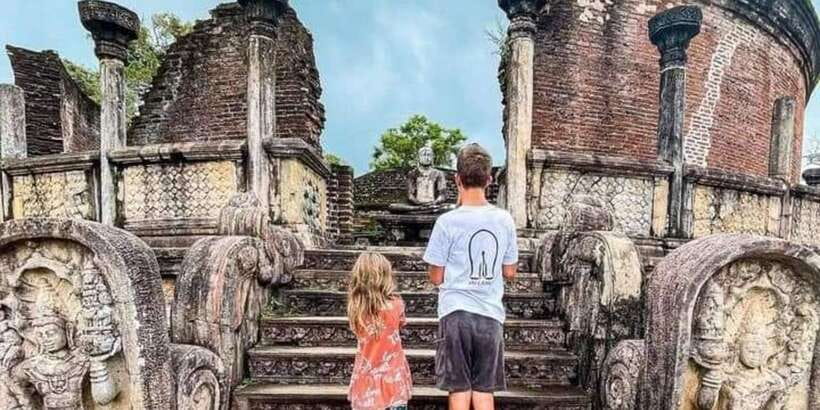
I’ll be honest: Polonnaruwa can be overwhelming if you treat it like a self-guided stroll with no context. What makes this experience work for most people is the guiding element, including a Polonnaruwa ruins guide that’s listed as part of the included experience (and the details show a possible +20£ note, so double-check that part when you book).
A good ruins guide changes everything in three ways.
First, they help you read the layout. When you understand why one area is royal, another is sacred, and how the city functioned, the walking starts to feel logical instead of like sightseeing roulette.
Second, you get the “what you’re seeing” layer. Things like carved details, placement of statues, and architecture choices make more sense when someone connects them to the stories of kings and the cultural logic behind the design.
Third, the guide helps you avoid the common mistake: spending 20 minutes at the loudest photo spot and missing the quieter significance nearby. With the right pacing, you come away feeling like you actually learned something.
One small practical detail from the experience pattern: some days can run a bit longer than the listed duration. In one example, the full outing stretched closer to about 10 hours. That’s not necessarily bad, but it matters if you’re trying to coordinate dinner plans back in town.
Minneriya Elephant Safari: What You’re Really Chasing
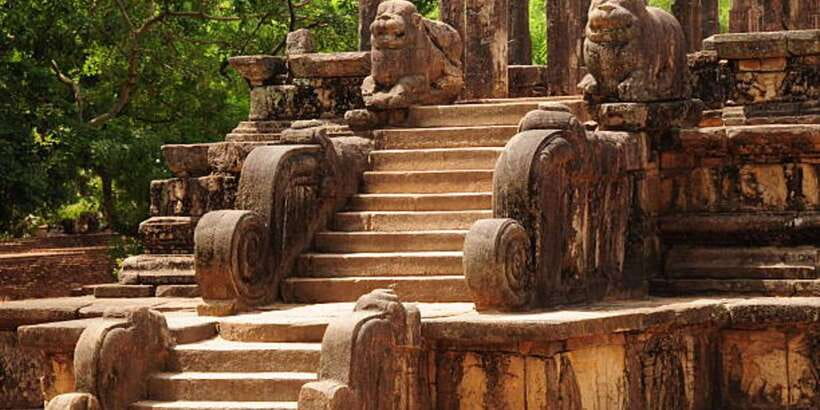
After the Polonnaruwa portion, you shift gears to the wild side with a Minneriya Elephant Safari from Minneriya National Park. The highlight here is the potential for “The Gathering,” when herds of elephants come together to graze, socialize, and play.
This is one of those places where being in the right environment matters more than being there early for the sake of early. The tour uses a sturdy 4×4 safari jeep, and the safari segment includes naturalists who can explain what you’re seeing. That’s a big deal because elephant watching isn’t only about spotting animals—it’s also about understanding movement, grouping, and behavior.
When things go well, you’re not dealing with one lonely elephant. One account from a past trip described seeing around 40 elephants, including babies, and that kind of herd density makes the whole safari feel like a real event instead of a long search. That’s what you hope for with Minneriya: a moment where you can watch interactions rather than just catch a few distant sightings.
A small reality check: elephants are not scheduled. Even with strong odds, you might not see the same numbers every day. That’s also why the next section matters—because the tour experience can depend on local conditions.
Important Watch-Out: Minneriya Confirmation
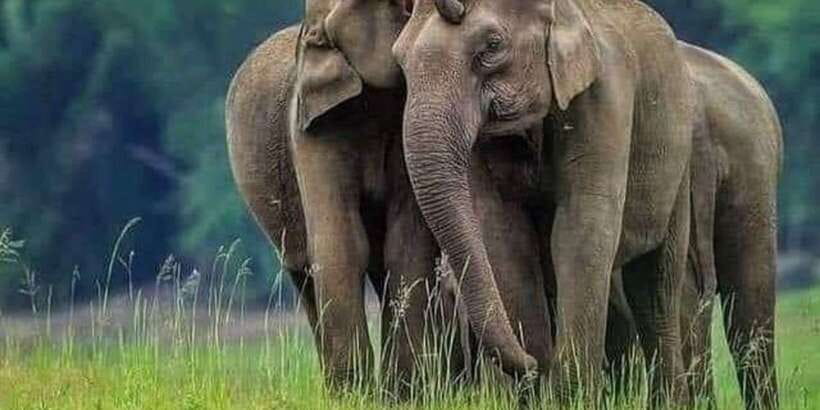
There’s one caution that you should take seriously before you relax: there’s at least one reported situation where the safari ended up at a neighboring park rather than Minneriya. The result felt confusing, especially since Minneriya looked like it was running safaris again during the return drive.
Here’s how I’d handle this as a traveler: before pickup time, ask the operator or your driver directly to confirm that your safari stop will be Minneriya National Park for your scheduled safari portion. If they say conditions might change, ask what triggers the change and whether they’ll notify you during the day.
That one question can save you from the frustrating version of this trip—the one where you end up watching a different park than what you planned for. You booked for the elephant-gathering reputation of Minneriya, so make sure you’re aiming at the right target.
Timing, Transport, and How the Day Feels
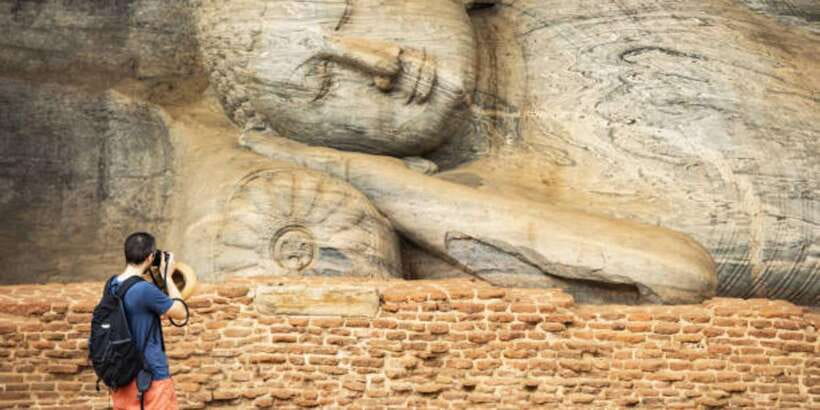
This is listed as an 8-hour experience, with hotel pickup and drop-off included. Pickup is straightforward: you wait in the hotel lobby about 10 minutes before your scheduled pickup time. That’s useful because in practice, you don’t want a rushed start where you’re hunting for your shoes while the jeep is rolling out.
Transport is by private jeep, which is a big quality-of-life factor. You’re not trying to cram your day around multiple hotel stops, and you’re not bouncing between different pickup points. The driver experience also matters. In one account, the driver named Tharu was described as super nice and flexible, and that sort of attitude makes the day feel smoother if timing shifts.
Also remember what’s included versus not included. The tour includes refreshing beverages and bottled water during the tour, but lunch isn’t included. In one example, a lunch stop was arranged and paired with an excellent ancient city guide. Still, since lunch isn’t guaranteed as part of the package price, plan for it.
Finally, be ready for a “morning ruins, afternoon safari” rhythm. You’ll want water, sun protection, and shoes that can handle walking between archaeological areas. A hat is specifically suggested, and it’s one of those items you’ll be glad you packed when the sun hits the open-air ruins.
Price and Value: Is $75 Actually a Good Deal?
At $75 per person, this tour prices itself as a one-day sampler with two major anchors: Polonnaruwa and Minneriya. The value comes from what’s bundled.
You get:
- Hotel pickup and drop-off
- Transport by private jeep
- A guided setup tied to the day’s segments (with the listing stating guided only within the National Park, plus a Polonnaruwa ruins guide noted in the included list)
- Bottled water and refreshing beverages
What you don’t get:
- National park entrance fees
- Polonnaruwa city entrance fees
- Lunch
So is it worth it? For many travelers, yes—if you’re landing in the North Central Province without wanting to arrange two separate bookings. Private transport alone often costs more than the difference between “cheap” and “reasonable” package prices, and combining ruins plus safari saves time.
The only reason the value math changes is if safari timing drifts or if you end up needing to pay for additional guidance (the listing includes a Polonnaruwa ruins guide with a +20£ note). If you’re watching your budget, confirm what you’re paying for upfront so there are no surprises later.
Who This Tour Fits Best (and Who Might Struggle)
This tour makes a lot of sense if you want one full day that hits two Sri Lanka experiences people talk about constantly: ancient sites and big-game wildlife.
You’ll likely enjoy it if:
- You like structure. The Polonnaruwa sites are easier when someone helps you connect the dots.
- You’re comfortable with a long day. Ruins + safari + drive time isn’t a quick in-and-out.
- You want the chance of a herd moment in Minneriya.
You should think twice if:
- You’re sensitive to timing changes. One reported experience suggests safari plans can shift to a neighboring park.
- You have mobility limitations that make uneven ruins walking hard.
One clear note from the provided details: this tour is not suitable for pregnant women.
Should You Book This Polonnaruwa + Minneriya Day Trip?
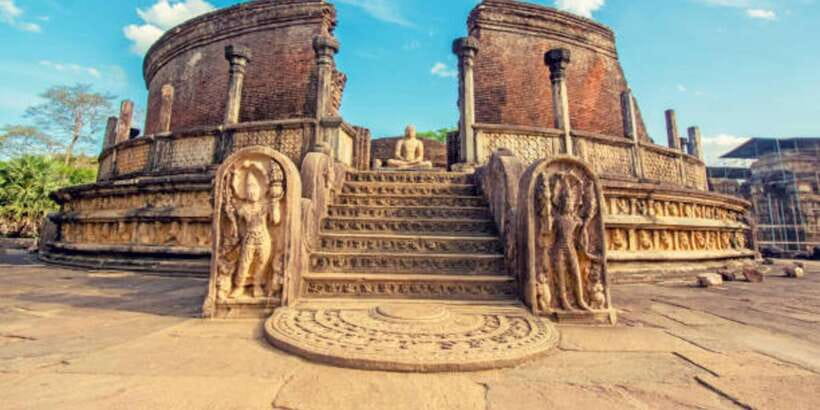
I’d book it if your priority is a practical, full-day plan that pairs Polonnaruwa’s standout sites with a real Minneriya elephant safari setup—especially if you’re staying relatively close and want the day handled for you with hotel pickup.
But book with one smart step: confirm Minneriya National Park as the safari destination before you go. That one check protects you from the most annoying outcome, where you expected one park and ended up somewhere else.
If you get Minneriya and your driver plays it well, this tour can be one of those “you remembered it for the right reasons” days: the statues and stories in the morning, then the scale of elephant life later—complete with herd behavior, not just a couple of distant sightings.