A tuk-tuk circuit through Trincomalee’s sacred places. In four hours, you’ll move between the Golden Temple, swami rock rituals, holy hot-spring water, local markets, and a Uppuveli beach breather.
I really like how this tour packs hands-on cultural moments into short stops, especially the coconut-breaking ritual at Thirukoneswaram Kovil and the chance to touch the holy water at Kinniya hot springs. I also like the everyday mix: you’re not stuck only in places of worship, you’re also in the market area tasting and watching daily life, with a palmyra juice thirst buster along the way.
One thing to keep in mind: the experience depends a lot on the guide and timing, and some hot-spring access can come with an extra local fee on-site. Also, there are religious dress rules to follow, including the fact that gents visit Sri Lakshmi Narayana Perumal Kovil topless.
In This Review
- Key highlights worth planning around
- Why this 4-hour Trincomalee tuk-tuk day makes sense
- Sri Lakshmi Narayana Perumal Kovil (Golden Temple) and the Vaishnavite rules
- Deer Park Trincomalee: feeding free-roaming deer like locals
- Thirukoneswaram Kovil (Swami Rock Temple): coconut breaking and Nandi’s ear
- Markets and the small boat fish scene: see Trinco beyond temples
- Shri Badrakali Amman Hindu Kovil: dramatic iconography you can photograph
- Kinniya Hot Water Springs: touching holy water (and a possible extra fee)
- Uppuveli Beach: give your day a reset
- The guide matters: from Wella and Ramalnathan to the basics of communication
- Price and value: $30 for a tuk-tuk culture circuit
- So, should you book this Nilaveli–Trincomalee tour?
- FAQ
- How long is the Nilaveli to Trincomalee city tour by tuk tuk?
- Is this tour private or shared?
- What’s included in the price?
- Will the guide be in English?
- Where do they pick you up from?
- Can I get a refund if I cancel?
Key highlights worth planning around
- Coconut breaking at Thirukoneswaram Kovil (Swami Rock Temple) with ritual guidance
- Kinniya hot springs holy water where you can touch the water for a blessed feel
- Feeding free-roaming deer at the Trincomalee deer park with a provided veg plate
- Vaishnavite customs at Sri Lakshmi Narayana Perumal Kovil (Golden Temple) including specific gender-specific expectations
- Photo permission at Shri Badrakali Amman Hindu Kovil with its dramatic iconography
- Local market time plus Uppuveli beach break so it’s not only temples
Why this 4-hour Trincomalee tuk-tuk day makes sense
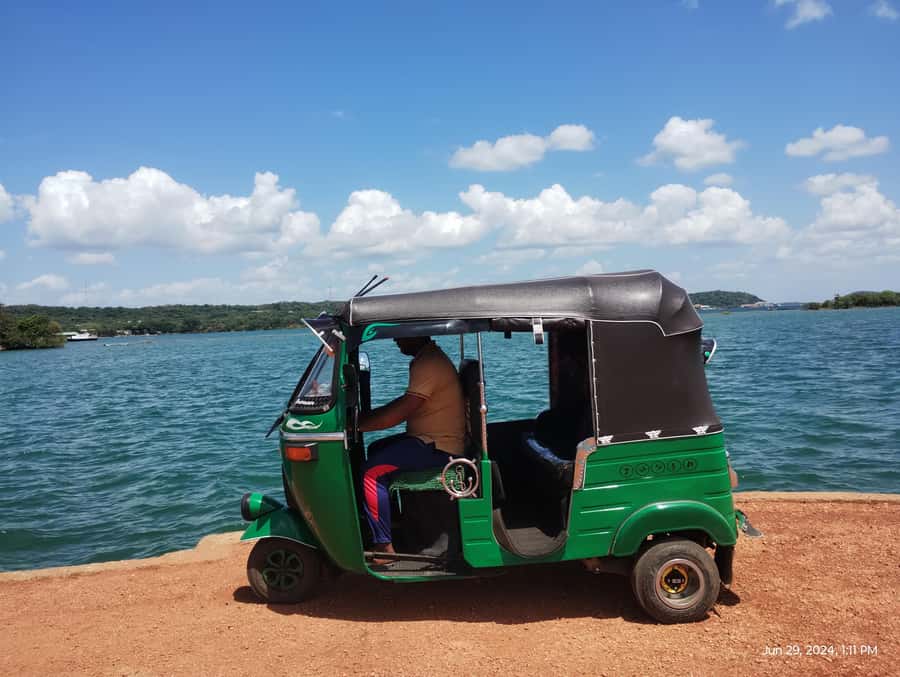
This is the kind of day trip that works when you want more than a quick glance but you don’t want to lose your whole afternoon to logistics. You get a private group setup, plus pickup from your area (Nilaveli or Trincomalee), then everything is handled by tuk-tuk—so you’re not hunting transport between scattered sacred sites.
In practice, the schedule is built around short, focused windows: temples, then a nature stop (the deer park), then markets, then hot springs, then beach time. That rhythm matters because you’re moving through different parts of Trincomalee’s culture—religious practice, local daily life, and coastal downtime—without burning the day.
The main variable is pacing. One guide may slow down to explain, while another may keep things moving. The tour is sold as four hours, but timing can compress depending on conditions (like temple access) and the flow between stops.
Sri Lakshmi Narayana Perumal Kovil (Golden Temple) and the Vaishnavite rules
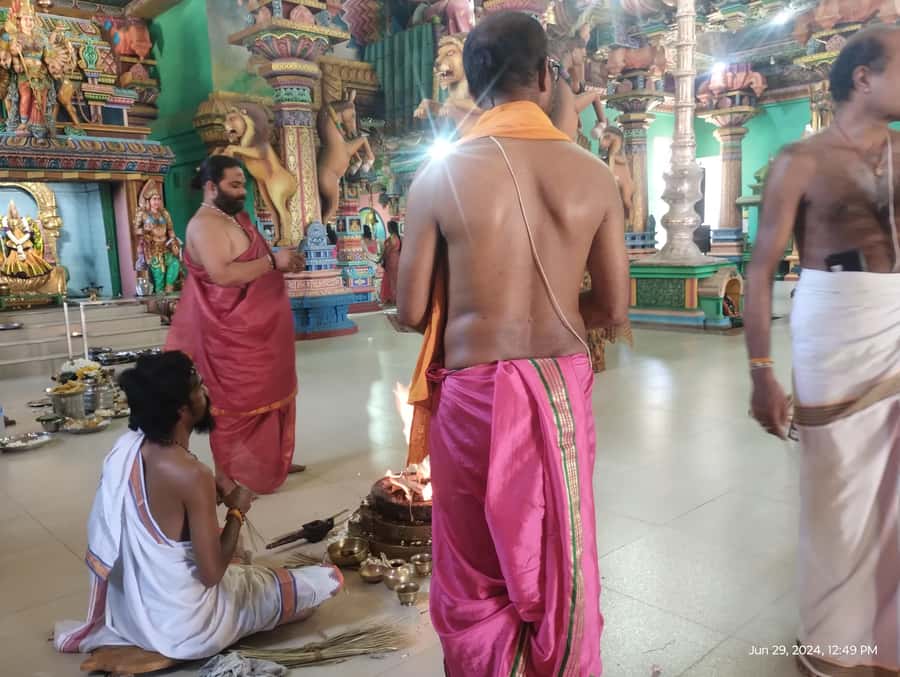
Sri Lakshmi Narayana Perumal Kovil—often called the Golden Temple—is your first big cultural anchor. It’s a Vaishnavite site, and that shows in the way the visit is guided: you’re expected to follow customs rather than just walk around like a museum.
Two practical points to know before you go:
- You should plan for formal respect inside the temple areas. Your guide will show you what’s appropriate.
- For gents, the tour notes that you’ll visit the kovil topless. It’s not a “guess and improvise” situation, so ask your guide early if you’re unsure about what to do.
If you like your travel grounded in real local practice, this is a strong start. The Golden Temple sets the tone for the rest of the day: you’ll keep seeing Hindu devotion in different forms, from ceremonial gestures to ritual objects.
Deer Park Trincomalee: feeding free-roaming deer like locals
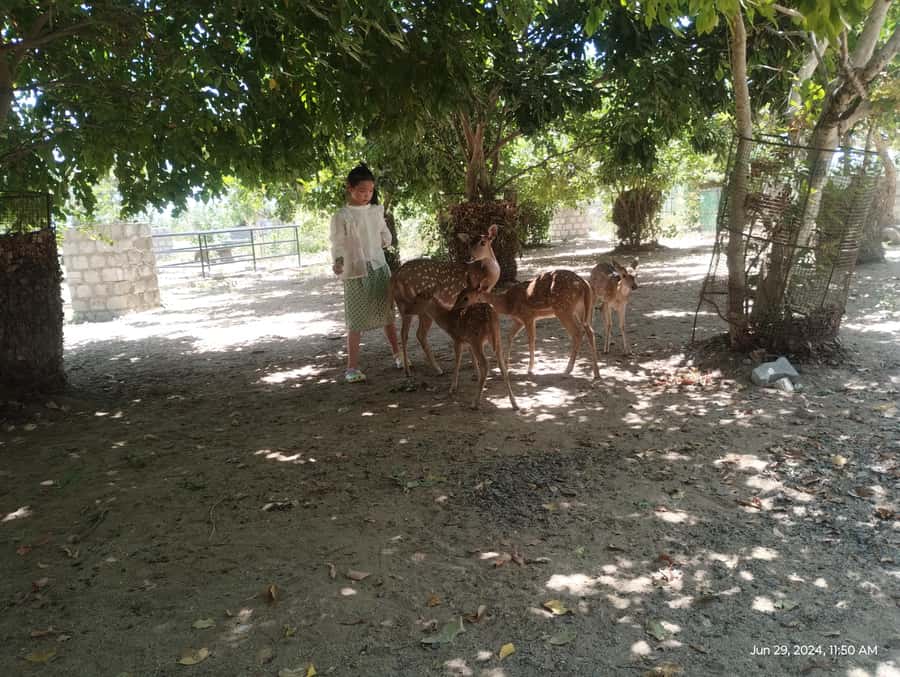
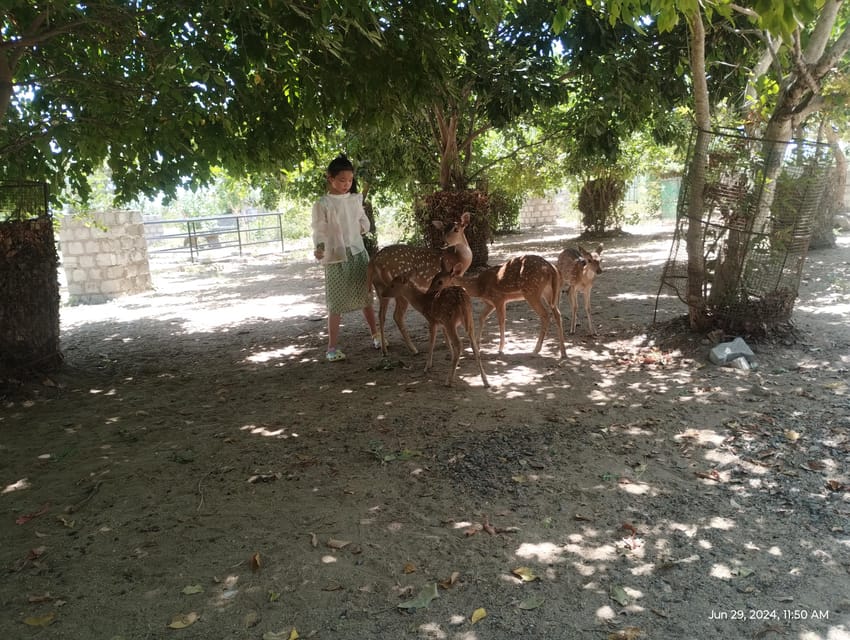
Next comes Trincomalee’s deer park, where free-roaming deer hang around in a space locals use too. You’re not just watching from a distance. You’ll get a plate of vegetables to feed them, and a guided moment that helps you understand what’s expected.
Why this stop works (when it’s done right):
- It’s quick and visual. You’ll see the deer up close without having to search for them.
- It’s a local routine, not a staged performance. That difference is subtle, but you feel it in the way the space is used.
That said, deer parks can be hit-or-miss depending on what you personally want. Deer are common across Sri Lanka, so if you’re expecting something unique beyond animal-feeding, you might find this portion less compelling than the temples and ritual spots.
Also, use common sense: don’t rush the animals, and follow your guide’s instructions on how to feed them.
Thirukoneswaram Kovil (Swami Rock Temple): coconut breaking and Nandi’s ear
This is the stop most people remember. Thirukoneswaram Kovil, also called Swami Rock Temple, is where the tour becomes truly interactive.
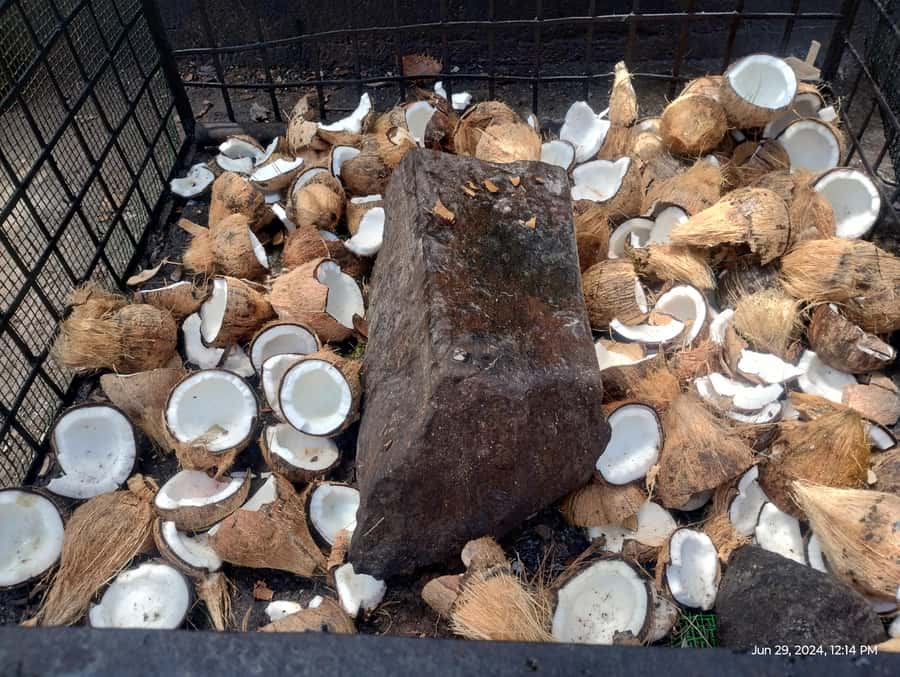
You’ll go inside the temple and get guided through a ritual moment: you’ll have a coconut to break. Your guide’s role matters here because temple etiquette isn’t just about where to stand. It’s about doing the right actions at the right time.
A detail I like in the way this experience is described: you’re also offered a chance to whisper secrets at Nandi’s ear, the sacred bull. It’s not about gimmicks. It’s a traditional devotion act that turns the visit from sightseeing into something personal and symbolic.
One caution: not every guide uses the ritual items exactly the same way in practice. The tour includes 1 coconut, but if you want this moment to land smoothly, confirm with your guide before you reach the ritual spot that you’ll be given your coconut and that you understand what to do.
Markets and the small boat fish scene: see Trinco beyond temples
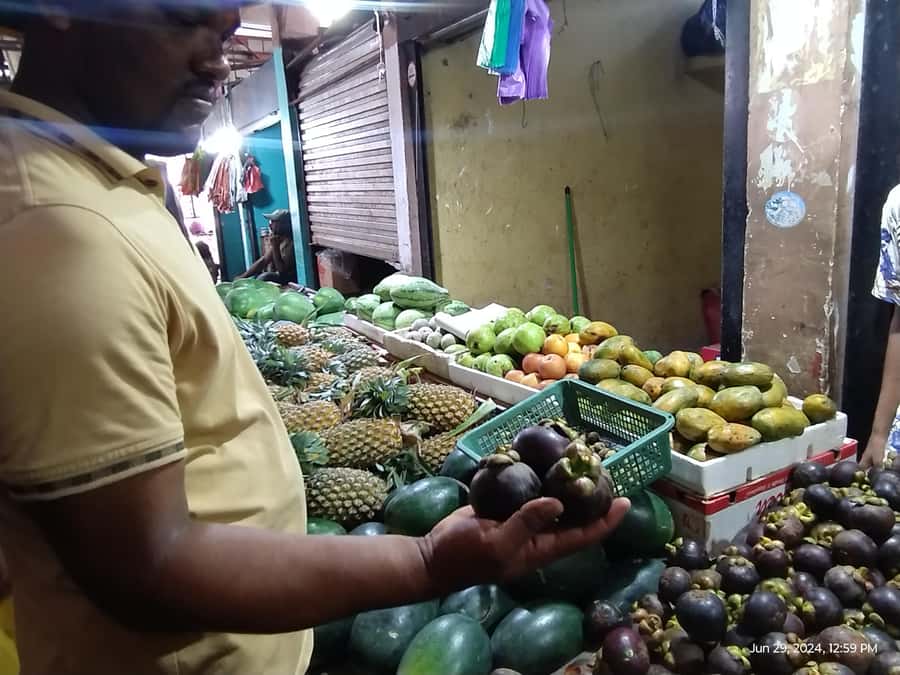
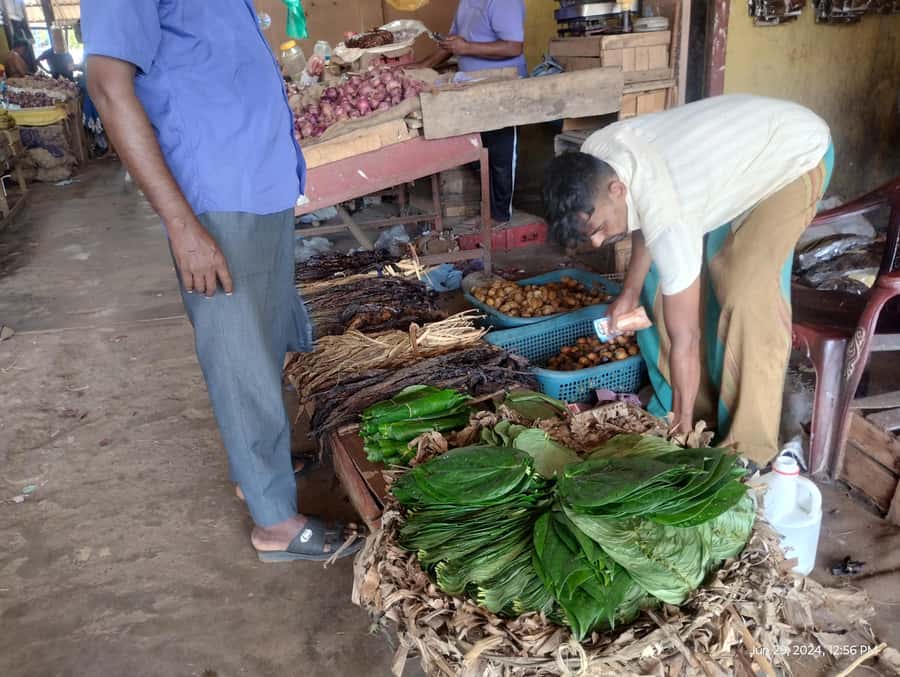
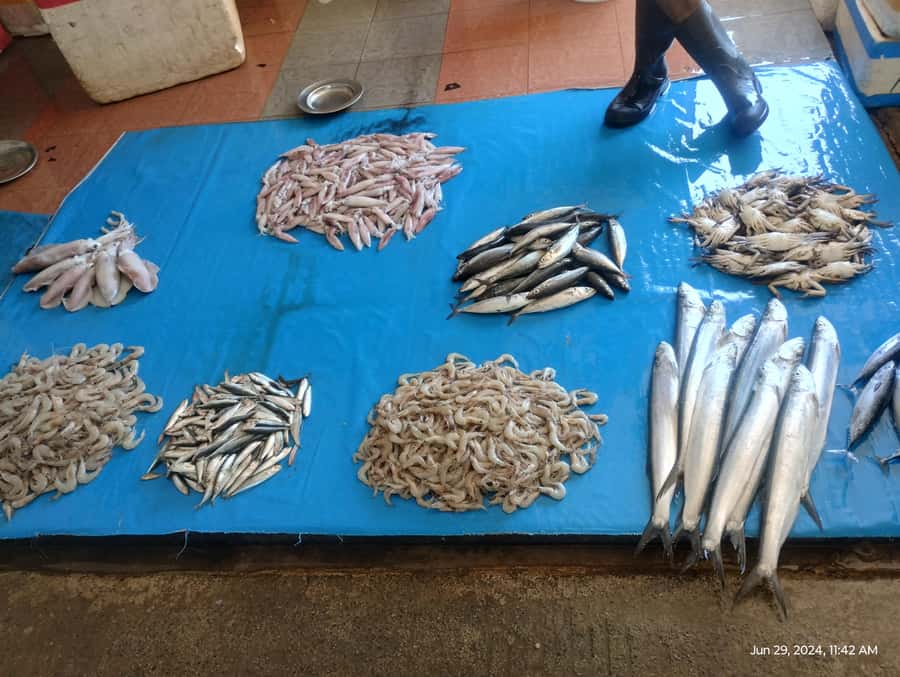
After temples and ritual, you’ll shift to public market areas. The tour includes market time and specifically references a small boat fish market stop.
This is your chance to pick up the real sensory side of Trincomalee:
- You’ll see how people shop and move day to day.
- You’ll understand food culture more quickly than you would from a list of sights.
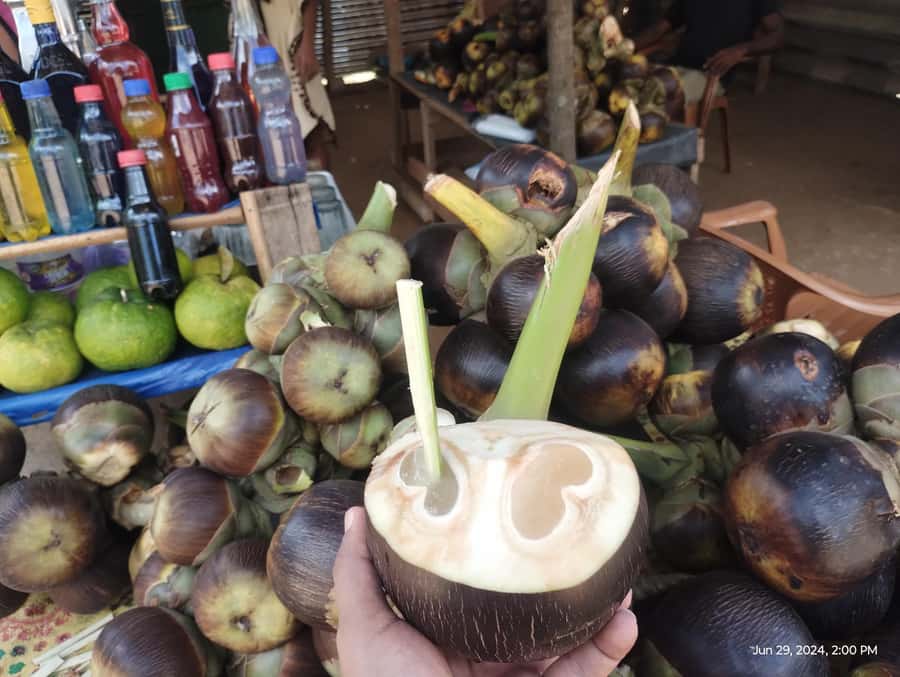
- And you’ll get a local thirst buster, palmyra juice, as part of the day’s breaks.
This portion is valuable because it balances the spiritual stops with normal life. Temples can make a day feel heavy. Markets reset that feeling with noise, color, and everyday needs.
One thing to watch: the market time may not feel like a long browsing session. It’s more like a guided introduction than a shopping spree. If you want time to buy snacks, fruits, or small gifts, ask your guide when you have the best window to do it.
Shri Badrakali Amman Hindu Kovil: dramatic iconography you can photograph
Next you visit Shri Badrakali Amman Hindu Kovil. The description flags it as a kovil with scary-looking Hindu iconography—and the important practical part is that you’re allowed to take photos there.
That combination matters. Some sacred places either restrict photography or make it awkward to decide in the moment. Here, the tour clearly gives you permission to photograph, so you can focus on framing and details instead of worrying about rules mid-visit.
When you go, treat it like religious art, not a Halloween costume. Take photos if your guide says it’s ok (and the tour indicates it is), but don’t interrupt rituals or block movement inside the temple compound.
Kinniya Hot Water Springs: touching holy water (and a possible extra fee)
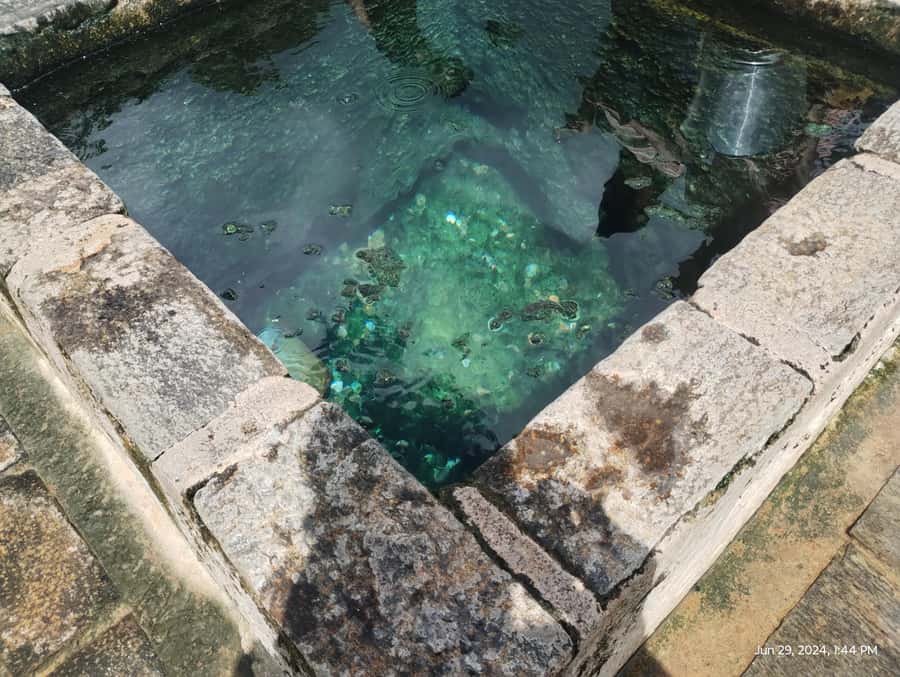
Then comes Kinniya hot springs, where you can touch holy water and feel blessed. This is described as a guided stop, and it’s a great contrast after temple time: warm water, a slower pace, and something bodily rather than purely visual.
Practical reality check: one of the most common “watch-outs” from real experiences is that using the hot spring pools can involve a separate local payment on-site (for example, a fee of 500 LKR was mentioned). If you’re budget-tight, don’t assume the entire hot-spring experience is automatically included in your tour price.
If you want this stop to feel good, think about basics like:
- Wear footwear you can manage around wet areas.
- Bring a way to keep yourself comfortable before you walk again.
Even if the pools themselves cost extra, the “touch the holy water” part is still the spiritual focus of this visit, and that tends to be the memory people carry forward.
Uppuveli Beach: give your day a reset
After the hot springs, you’ll get a 1-hour break at Uppuveli Beach. This is not filler. It’s the release valve that keeps the day from feeling like back-to-back ceremonies.
Use the time to cool down, hydrate, and let your feet recover. If you’ve been moving through temple interiors and hot water areas, a beach break helps you come back to your hotel feeling human again.
Also, this is a good moment to check what you want next—do you want a snack, a short walk, or simply quiet time with the sea breeze?
The guide matters: from Wella and Ramalnathan to the basics of communication
This tour lives and dies by the guide’s ability to connect what you’re seeing with what it means. The good news: some guides are excellent at it.
One highly praised guide name is Wella, described as knowledgeable, patient, and willing to tailor the day to people’s needs, even helping with communication and practical logistics near the end. Another guide name that stood out is Ramalnathan, noted for being patient and adjusting the tour pace for someone with a bad leg.
That said, the tour also notes that your guide may have very minimal English and rely on gestures. That doesn’t automatically make the tour worse. It just means you should be ready for a more hands-on, point-and-explain style of guiding.
If you’re the type who wants lots of historical narration, ask your guide early how detailed they can be. If your goal is respectful participation and seeing key places without stress, the communication barrier usually feels manageable—especially in a private group.
Price and value: $30 for a tuk-tuk culture circuit
At about $30 per person for a four-hour private tuk-tuk tour, the value is mostly in what’s included: transport, pickup/drop-off (conditions apply), a local guide, vegetables for feeding the deer, palmyra juice, and a coconut for breaking.
For couples or small groups, it often feels fair because you’re paying for the convenience of a full local route plus guided rituals you might otherwise struggle to organize yourself. For solo travelers, a person can feel like it’s a little pricey because you’re paying the same basic tour cost even though there’s no shared overhead.
Then there’s the main value question: hot springs. If a separate local fee applies for the pools, that’s money you’ll want to have on hand. Also, in some experiences, items like coconut or juice didn’t show up as expected, and sometimes market time felt shorter than promised.
My practical take: this is good value when you get a guide who actually facilitates the key ritual moments and protects the schedule. If you want certainty, confirm with your guide early that the included coconut, palmyra juice, and market stop are all on your plan that day.
So, should you book this Nilaveli–Trincomalee tour?
Book it if you want:
- A fast, organized way to see multiple major Hindu sites in one day
- Real participation, like coconut breaking and feeding deer
- A balanced rhythm that includes markets and a beach reset at Uppuveli
Be cautious if:
- You hate any chance of schedule compression. Some days depend on access and timing.
- You’re strict about fees. The hot springs may involve extra on-site payment for pool access.
- You need lots of fluent English narration. Some guides communicate with limited English and gestures.
If you’re a respectful, flexible traveler who likes learning by doing, this tour is a strong way to experience Trincomalee’s spiritual side without turning your day into a complicated project.
FAQ
How long is the Nilaveli to Trincomalee city tour by tuk tuk?
The tour lasts about 4 hours.
Is this tour private or shared?
It’s a private group tour.
What’s included in the price?
The tour includes a tuk tuk with a local guide, pickup and drop-off (conditions apply), vegetables to feed free-roaming deer, palmyra juice, and 1 coconut for breaking.
Will the guide be in English?
Yes, the tour includes a live guide in English.
Where do they pick you up from?
Pickup is available from Nilaveli or Trincolamee/Trincomalee. You’ll need to specify your pickup location clearly, including your hotel name and contact number (WhatsApp).
Can I get a refund if I cancel?
Yes. Free cancellation is offered up to 24 hours in advance for a full refund.