Minneriya is about elephant sightings, not lectures. On this 3-hour 4×4 jeep safari, you’ll drive from Habarana into Minneriya National Park’s grasslands and dry forest with wildlife spotting along the way. You get hotel pickup and drop-off, plus a guide to help you watch what’s actually moving around.
I like two things right away: the chance to see wild Sri Lankan elephants in a large gathering, and the way the route is planned for wildlife viewing around the reservoir and open grasslands. You also get golden-hour light for photos, which matters a lot when you’re trying to capture animals at a distance.
One watch-out: park entry tickets are not included, and in practice you should expect extra gate costs and to have cash ready. Also, the jeep ride can be bumpy and you’ll be sitting in open sun at times—so pack for heat and glare.
In This Review
- Key things to know before you go
- Minneriya’s elephant gathering: why this safari is worth your time
- 3 hours in a jeep: what the ride feels like
- The Habarana pickup flow: easy start, clear expectations
- Entering the dry forest: where you’ll start seeing movement
- The grassland and reservoir views: where elephants show up
- Wildlife beyond elephants: what you can realistically watch for
- Photo and timing advice for golden hours
- Price and value: what $29 covers, and what else to budget
- What the guide actually changes for you
- Comfort and practical tips (heat, sun, and timing)
- Who should book this Minneriya jeep safari
- Should you book? A clear yes-with-smart-choices decision
- FAQ
- Is park entry included in the $29 price?
- Where does the safari start?
- How long is the safari?
- What vehicle do you use?
- Is there an English guide?
- What wildlife might I see?
Key things to know before you go
- Minneriya’s elephant focus: This is built around seeing herds during the park’s big gathering season.
- Dry-forest scouting: You’ll drive through tropical dry forest where monkeys are often active overhead.
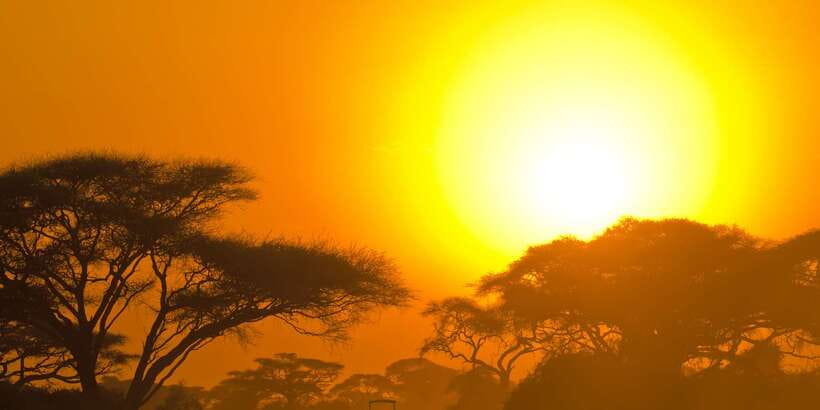
- Golden light for photos: The safari timing aims to give you better visibility for wildlife shots.
- Jeep ride, not a comfy bus: Expect bumpy sections once you’re in the park.
- Bring cash for gate entry: Entry was reported as cash-only at the entrance.
- English varies by guide: You’ll have a live guide, but English depth can be uneven.
Minneriya’s elephant gathering: why this safari is worth your time
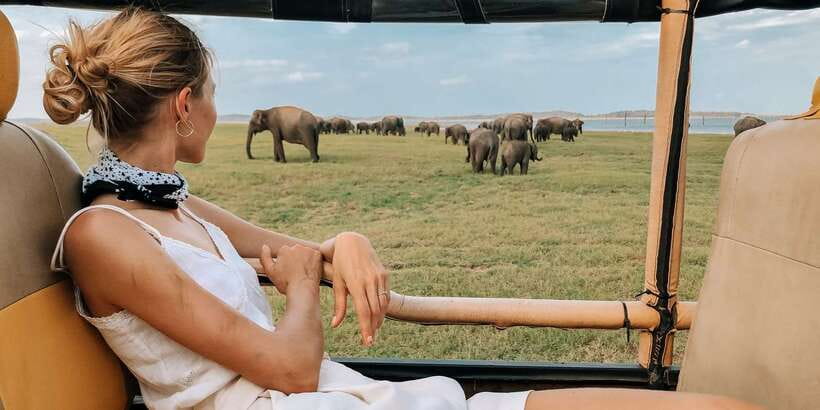
If you’re deciding where to go for wildlife in Sri Lanka’s north central area, Minneriya has a simple pitch: elephants. The park is known for Asia’s largest gathering of elephants, and that’s not a small claim. When conditions are right, herds concentrate here as they move in search of food and water.
What makes this safari practical is that you’re not doing this as a long-distance road trip with guesswork. You’re starting from Habarana, getting picked up, then heading directly into the park by 4×4 jeep. That setup matters because animal sightings depend on time on the ground. The faster you’re in the right habitat, the better your odds.
Also, the scenery isn’t just a backdrop. You’ll drive through grasslands and forest edges, then stop for a view over the Minneriya reservoir. That viewpoint break is more useful than it sounds. It helps you connect what you’re seeing—elephants, birds, and the movement of animals—with the landscape that draws them in.
You can also read our reviews of more tours and experiences in Habarana.
3 hours in a jeep: what the ride feels like
This is a short safari, so you’ll want to mentally switch from sightseeing pace to wildlife pace. In about three hours, the goal is to cover ground and spend enough time in the right patches to spot animals when they appear.
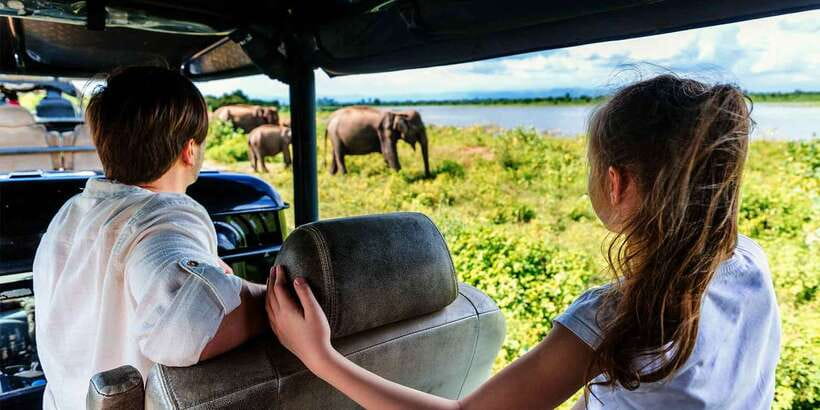
The jeep ride is part of the deal. You’re on a 4×4, which is exactly what you want for rougher park tracks. Do be ready for bumps. One practical note from real-world experience: sitting in open sun happens during the safari, so heat and glare can sneak up on you fast. Bring sunscreen and something to protect your eyes—sunglasses help more than you think when you’re scanning for movement.
If you’re sensitive to bumpy vehicles, you can still enjoy the experience. Just plan to stay flexible. Wildlife drives aren’t like a smooth city tour. They’re a moving platform for spotting animals, and the road conditions are part of how you get to the best angles.
The Habarana pickup flow: easy start, clear expectations
The tour includes pickup and drop-off at Habarana. You meet your driver at your hotel and should wait in the lobby about 10 minutes before pickup. This is one of those small instructions that keeps your morning (or afternoon) from turning into a scavenger hunt.
Your driver/guide handles the transfer to the park, so you don’t need to organize your own transport or routing. That’s a real value point in Sri Lanka—especially when you’re trying to fit a safari into a busy itinerary without adding extra logistics.
One thing to keep in mind: the safari depends on what’s happening in the region at that moment. In one case, the driver explained a different timing/location plan (involving an option toward Kaudulla National Park) and asked for extra transport costs. That doesn’t mean it will happen to you, but it’s a good reminder to expect that the operator may adjust plans based on animal activity and travel distance.
Entering the dry forest: where you’ll start seeing movement
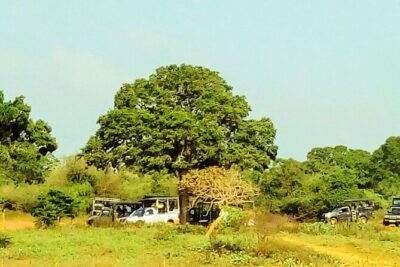
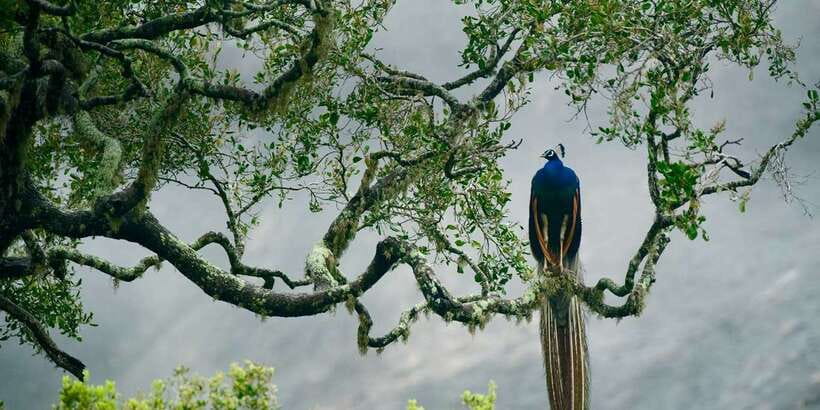
Once you’re in the park, the safari starts with the kind of habitat that rewards careful looking. You drive through pristine tropical dry forest, and that’s usually where you first notice small wildlife activity—especially monkeys.
Monkeys swinging through branches are a common sight during these drives, and it’s more than cute entertainment. It’s your cue that you’re in the right zone: animals are active, sound and movement are around you, and predators may be nearby too.
You may also spot birds, which often act like a living indicator system. If bird activity spikes, that can mean fruiting trees, water sources, or animals moving through nearby cover. You don’t need to become a wildlife expert to benefit. Just let your guide’s scanning help you connect what you see with where it’s likely coming from.
The grassland and reservoir views: where elephants show up
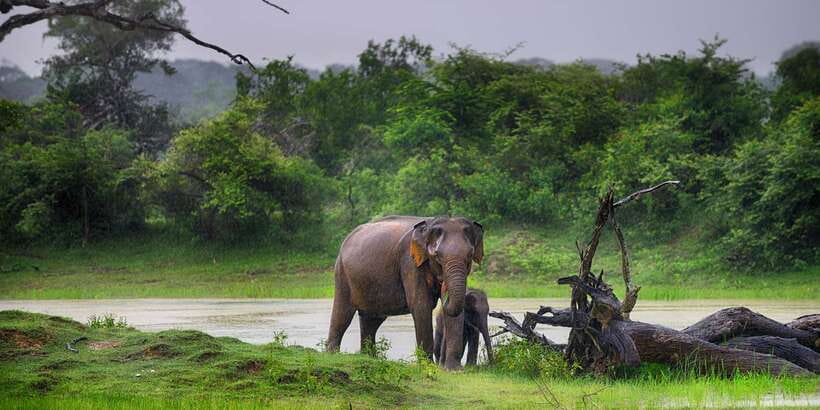
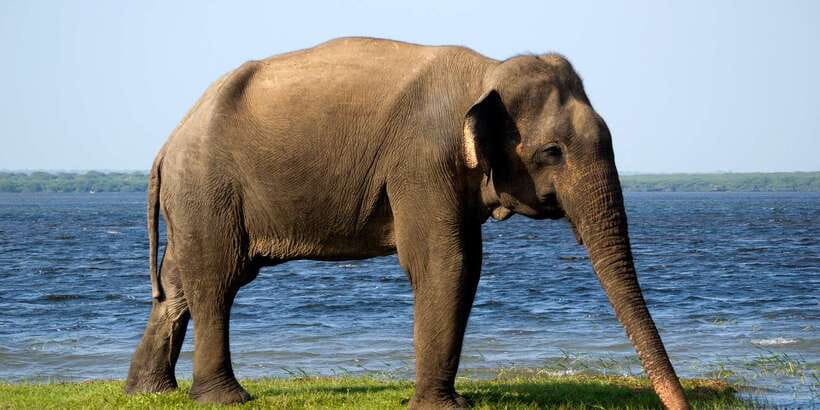
This is where Minneriya earns its reputation. As you drive through grassland with views toward the Minneriya reservoir, you’re in the area elephants use when they’re feeding and traveling between zones.
Elephants don’t always walk straight toward your jeep. Sometimes they’re visible at a distance, sometimes they cross and disappear behind a tree line. That’s why open grassland matters: it creates sight lines. It also explains why golden-hour timing is mentioned. During softer light, animals stand out more against the background, and photos turn from blurry hope to real chances.
Expect the herds to look calm at times and busy at others. You might see animals grouped together, moving in small clusters, or working their way through feeding areas. When an elephant comes closer, you’re going to feel the scale instantly. It’s an animal that fills your attention in a way that videos can’t.
Wildlife beyond elephants: what you can realistically watch for
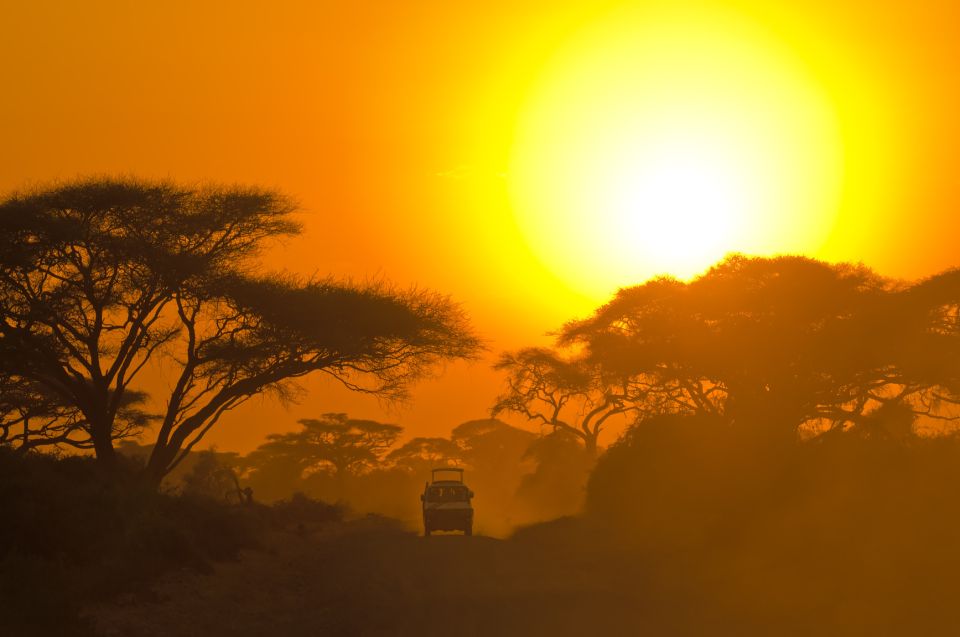
Minneriya isn’t only elephants. The experience is built for spotting a whole mix of wildlife, especially species that live in the dry-country ecosystems.
Based on what the safari highlights and what’s been seen in practice, you’ll be on the lookout for:
- Leopards (not guaranteed, but a reason to keep scanning)
- Spotted deer and sambar deer
- Wild buffalo
- Mongooses
- Sloth bears (again, not guaranteed—more about the chance)
- Porcupines and Indian pangolins
- Plus monkeys in the dry forest areas
The key here is realistic expectations. A leopard or sloth bear is not a nightly show. But the benefit of a guided jeep safari is that your driver/guide is watching the landscape and reacting when something appears. Even if you don’t see a rarer predator, seeing deer, birds, monkeys, and elephant activity still gives you the full Minneriya feel.
If you’re the type who gets impatient waiting, don’t. This kind of wildlife viewing rewards patience. Animals emerge, pause, feed, and move. Your job is to keep eyes open and let the jeep stop when your guide thinks something is worth checking.
Photo and timing advice for golden hours
Golden hour isn’t just marketing here. When the light shifts, elephants and other animals show texture—skin, dust, and the outline of ears become clearer. Birds and monkeys also look better in softer light, especially if you’re shooting through a bit of distance.
To make your photos work in real life:
- Bring a lens or phone setup that can handle zoom, since animals are often spotted from the jeep.
- Wear a hat and sunglasses. Sun glare can ruin both your eyes and your shots.
- Stay ready to shoot quickly. Sometimes the best sightings are brief before animals move again.
Also, remember the photo truth: you’ll never get every shot. What you can get is a set of clear sightings—especially elephants—if you keep scanning and are ready when the view opens.
Price and value: what $29 covers, and what else to budget
The advertised price is about $29 per person, and the included part is straightforward: jeep transport, pickup/drop-off at Habarana, and a driver/guide. That’s a good structure because it’s basically paying for access and time inside the park.
The big catch is that entry tickets are not included. And in at least one real-world experience, the gate process was cash-only, with costs around $26 per person plus extra numbered fees. I can’t predict your exact total, but it’s wise to budget more than the base safari price so you don’t feel stuck when you arrive.
So is this good value? Yes, if you treat it like a wildlife access ticket rather than a guaranteed animal show. You’re paying for the vehicle and expert spotting help, not for a promise that every predator will appear. When the elephant herds are active, Minneriya can feel like money well spent fast.
What the guide actually changes for you
A guide doesn’t just point. A good guide changes how you interpret the park. Even if you’re not getting a long lecture, watching with a person who knows where to look is the difference between seeing animals by accident and seeing them because you’re positioned well.
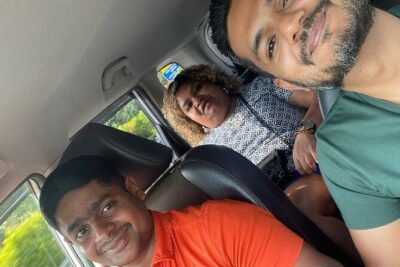
That said, guide quality can vary. In one case, the driver’s English was limited, so explanations were more “spot and show” than “teach and interpret.” In another case, the driver was polite and attentive and offered good information.
My advice: go in expecting practical help more than deep species lessons. If you want more knowledge, bring a phone guide in your pocket and use what your driver points out as the main thread.
The more important skill is situational awareness—handling close elephant encounters calmly and knowing when to keep the jeep steady or adjust position. That kind of judgment matters for both safety and viewing quality.
Comfort and practical tips (heat, sun, and timing)
This safari is outdoors in a tropical setting. The biggest comfort issues are predictable:
- Open sun exposure while riding and waiting
- Heat and glare when scanning
- The bumpy jeep ride once you’re on rougher tracks
Pack like you’re going to be outside a while:
- Sun protection (sunscreen, hat)
- Sunglasses
- Water (not provided in the info you gave, so plan accordingly)
- Cash for park entry, since cash-only gate payment has been reported
If you get motion sickness easily, consider taking it seriously. Jeep rides on dirt tracks can feel rough even if everything is handled carefully.
Who should book this Minneriya jeep safari
This safari fits best if you:
- Want a short, focused wildlife outing with a real chance at elephants
- Prefer guided spotting over self-drive guessing
- Are staying around Habarana and want a day-friendly plan without major extra travel
- Like photography and want help getting animals in view during better light
It’s also a good option for families and couples who want an active experience without committing to a full-day circuit. If you’re someone who needs continuous narration or very detailed English explanations, you may or may not be fully satisfied, since guide English can vary.
Should you book? A clear yes-with-smart-choices decision
I’d recommend booking if your top goal is seeing elephant herds and you’re ready for the real safari rhythm: stop, scan, wait, move. The included 4×4 jeep plus Habarana pickup keeps it simple, and Minneriya’s elephant reputation gives you a strong chance of a memorable outing.
But book with eyes open:
- Expect extra costs for park entry tickets and bring cash
- Plan for sun and a bumpy ride
- Treat wildlife sightings as nature’s schedule, not yours
If you want a big wildlife payoff in a short window, this is a solid way to do it in Sri Lanka’s north central region.
FAQ
Is park entry included in the $29 price?
No. Entry tickets are not included, so you should expect to pay additional fees at the park gate. Cash-only entry was reported in one experience.
Where does the safari start?
You’re picked up from your hotel in Habarana and returned there after the safari.
How long is the safari?
The safari duration is 3 hours.
What vehicle do you use?
You travel by 4×4 jeep.
Is there an English guide?
Yes, there is a live tour guide, and English is listed as the language.
What wildlife might I see?
You may see elephants, monkeys, and a range of animals such as deer and mongooses. The experience also mentions possible sightings like leopards, sloth bears, wild buffalo, porcupines, and Indian pangolins.
—
If you tell me your travel month and whether you care more about elephants or photography, I can help you choose the best time window and what to prioritize for your setup.