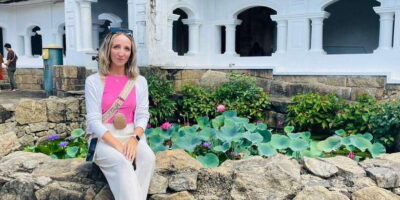
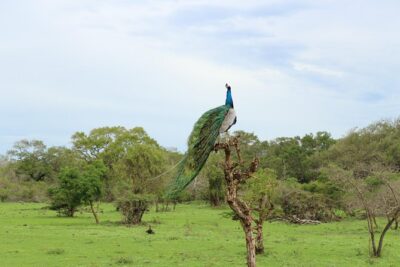
Elephants and crocs, handled with solid safety. This 2-hour lagoon boat safari in Arugam Bay keeps wildlife spotting fun while the operator emphasizes safety, starting with a life jacket and a well-maintained boat before you even get moving.
I also like the way the trained guide keeps a safe distance from animals, so you can look for elephants at the water’s edge and birds without the trip turning tense. One note: there’s no food or drinks included, so come prepared with your own water for comfort.
In This Review
- Key Points to Know Before You Go
- Two Hours on the Arugam Bay Lagoon: What the Tour Feels Like
- Safety First: Life Jackets, Wildlife-Distance Guidance, and On-Boat Support
- Wildlife Spotting Rules for Elephants, Crocodiles, and Birds
- How the Lagoon Ecosystem Gets Explained (So You Don’t Just Watch)
- What Happens During the 2-Hour Ride (A Simple, Understandable Flow)
- 1) Meet up, life jacket, and safety check
- 2) Cruise along the lagoon with wildlife spotting
- 3) Guided explanation while you watch
- 4) Keep the rules on board
- 5) Return and finish close to where you started
- Price and Value: Why $28 for 2 Hours Can Make Sense
- Languages and Group Size: A Tour That Actually Explains What You’re Seeing
- What to Bring for Comfort (Not Just Camera Gear)
- Who This Tour Fits Best (And Who Should Skip It)
- Quick Checklist: Rules You Must Follow on the Boat
- Should You Book This Arugam Bay Lagoon Boat Safari?
- FAQ
- How long is the Arugam Bay lagoon boat safari?
- What is the price per person?
- Is pickup and drop included?
- What safety gear is provided?
- Is food and drinks included?
- What languages will the live guide speak?
- Can I get a full refund if plans change?
Key Points to Know Before You Go
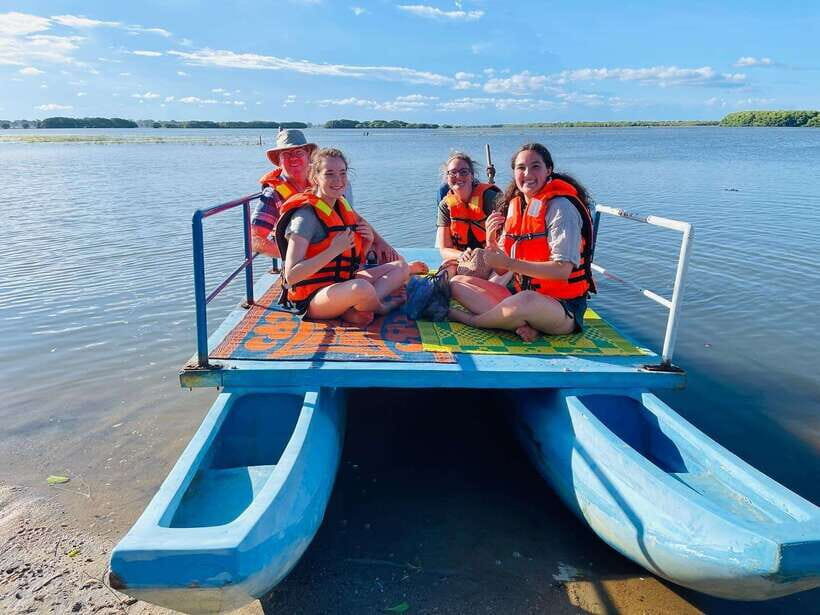
- Life jackets are mandatory, and children get smaller ones for a better fit.
- Wildlife-distance guidance is part of the job, not an afterthought.
- You get safety backup: a first-aid kit and mobile communication for emergencies.
- Small group size (max 10) means easier interaction with the guide while you’re out on the lagoon.
- Rules matter on the water: keep hands and arms inside the boat and don’t feed animals.
- Multilingual live guide (English, Sinhala, Tamil) helps you understand what you’re seeing.
Two Hours on the Arugam Bay Lagoon: What the Tour Feels Like
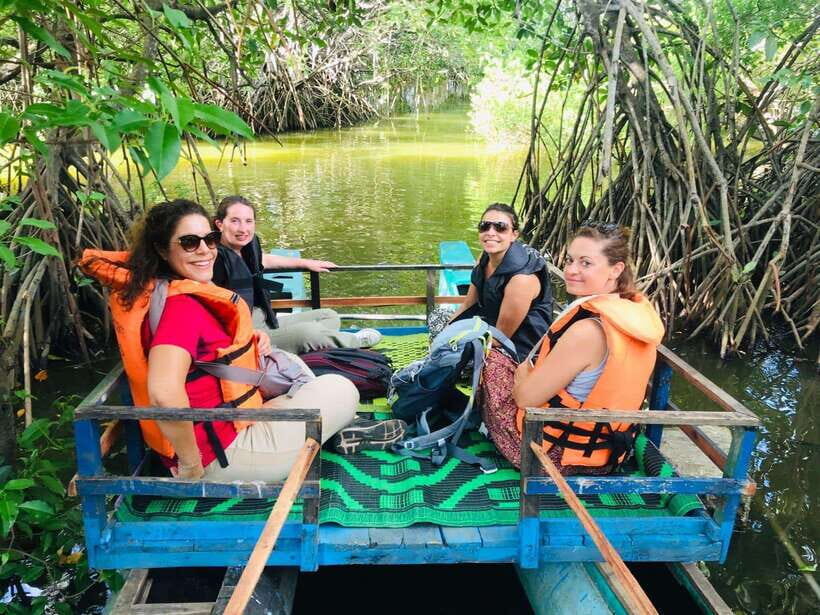
This tour is built around a simple idea: enjoy Arugam Bay’s lagoon life while following clear safety rules. You’re out for 2 hours, cruising through the lagoon at a pace that lets you watch the edges of the water for wildlife.
The vibe is easy-going and family-friendly. You’ll meet your guide, get your life jacket, and then head out with a small group limited to 10 participants. That cap matters because it makes the tour feel organized, not chaotic, especially when you’re trying to hear the guide’s explanations.
And yes, you’re there for wildlife. The lagoon is where elephants may come to drink or bathe, where crocodiles are part of the ecosystem, and where birds and reptiles show up in the scenery. You won’t just be staring straight ahead either—you’ll be guided to look in the right spots, from the water’s edge to likely bird zones.
You can also read our reviews of more tours and experiences in Arugam Bay.

Safety First: Life Jackets, Wildlife-Distance Guidance, and On-Boat Support
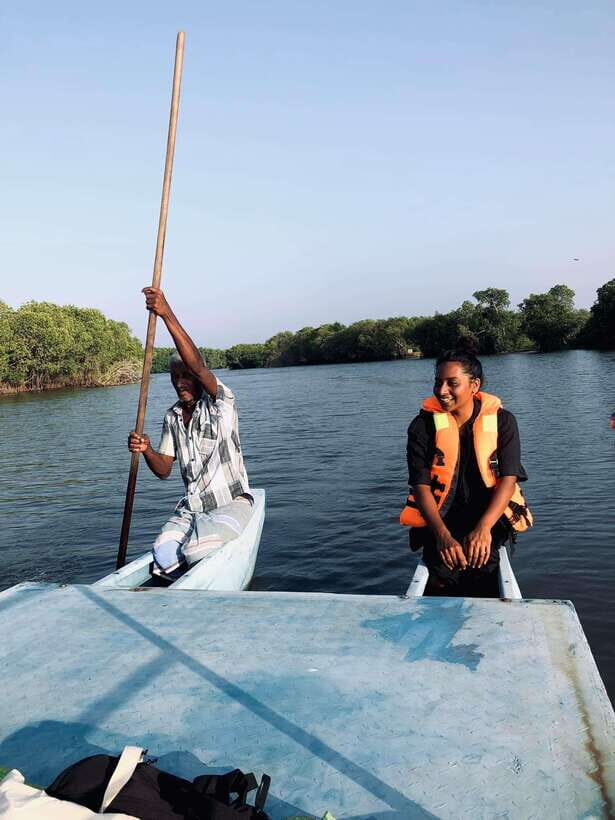
I appreciate tours that treat safety as the main event, not a checklist at the start. Here, you get a life jacket for every guest, and you must wear it throughout the entire tour. That’s a big deal on a lagoon cruise where you’re close to natural water conditions and you’re moving in and out of viewpoints.
The boat is described as well-maintained, and the tour includes a first-aid kit plus mobile communication for emergencies. It’s not flashy, but it’s exactly what you want to see when the setting includes crocodiles and elephants in the area.
What really changes your experience is the guide’s role. Your guide is trained to keep a safe distance from wildlife. That translates into practical behavior: you should expect the guide to manage how close the boat gets, how long you pause, and when you shift your position.
Also: the rules are specific. You’ll want to keep your hands and arms inside the boat at all times. It’s an easy rule, but it prevents accidental contact and reduces stress for the animals. It also keeps the trip from feeling like a risky photo-op.
Wildlife Spotting Rules for Elephants, Crocodiles, and Birds
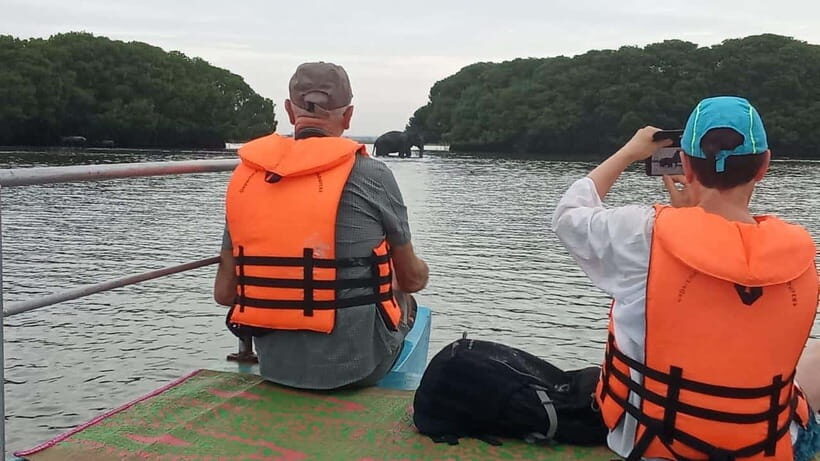
This is the part you’ll think about on the way there. The lagoon setting gives you a chance to spot:
- elephants near the water’s edge (bathing or drinking)
- crocodiles as part of the lagoon ecosystem
- birds and other wildlife along the way
But here’s the practical truth: wildlife spotting is never a guarantee. The value of this tour is not that you’ll definitely see everything. The value is that you’ll see the area with the right safety mindset and learn what you’re actually looking at.
The crocodile element is handled in a “natural part of the ecosystem” way. You’re not there to chase it or bait a sighting. Instead, you learn what makes the lagoon work as a habitat—and you follow the safety measures designed to keep both you and the animals safe.
For elephants, the key is the water’s edge. When elephants come to drink or bathe, the viewing is best when you’re patient and when the boat position follows the guide’s instructions. Your job is simple: look where the guide tells you to look and respect the distance.
Birds and reptiles add texture. Even if elephants are quiet that day, birds often help fill the scene with movement and color. The guide’s explanations help you move from random guessing to actual understanding.
How the Lagoon Ecosystem Gets Explained (So You Don’t Just Watch)
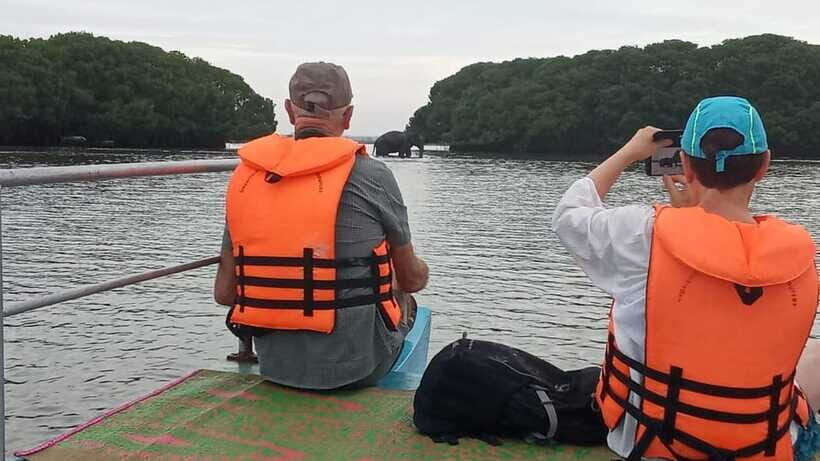
One of the best parts of this tour is that it’s not just sightseeing. You’re given context about the lagoon’s delicate ecosystem and the local wildlife.
That matters because a lagoon isn’t just “water with animals.” It’s a system where wildlife interacts with the water, the edges, and the overall environment. When the guide talks about what you’re seeing, you start noticing details you would otherwise miss—like why certain areas are likely viewing zones, and how wildlife uses the lagoon.
You’ll also get a reminder that this is a shared space. The tour includes clear behavior rules:
- No littering
- No feeding animals
These aren’t moral lectures. They’re practical wildlife protection. Feeding animals changes natural behavior and can make both people and animals more dangerous later.
If you like nature tours where you leave knowing a bit more than before, this one delivers. The guide translates what’s happening into clear, understandable observations, and you can use that knowledge later when you’re exploring Arugam Bay on your own.
What Happens During the 2-Hour Ride (A Simple, Understandable Flow)
Even without a long, multi-stop schedule, the tour has a clear rhythm. Here’s what you can expect in order:
1) Meet up, life jacket, and safety check
You’ll meet the guide and receive a life jacket before boarding. This is where the tone is set. The fact that life jackets are mandatory throughout helps you relax and focus on the scenery.
2) Cruise along the lagoon with wildlife spotting
Once you’re on the boat, the main activity starts: cruising through the lagoon while keeping an eye out for elephants, birds, and reptiles, and being aware that crocodiles exist in the ecosystem.
3) Guided explanation while you watch
As you move, the guide shares local wildlife information and how the lagoon ecosystem works. This is your chance to ask questions and get clarification in the moment.
4) Keep the rules on board
During the whole ride, you’ll follow the instructions: keep hands and arms inside the boat, and stay aware of where wildlife is relative to your position.
5) Return and finish close to where you started
The tour includes pick up and drop within a 3 km range. That makes the whole day easier—less guesswork about transport, and fewer moving parts after you get off the water.
Price and Value: Why $28 for 2 Hours Can Make Sense
At $28 per person for a 2-hour lagoon boat tour, the value depends on what you’re getting beyond the ride itself. Here, you’re not just paying for time on water. You’re paying for:
- life jackets for all guests (including smaller kids’ life jackets)
- experienced guides
- first-aid kit and mobile communication
- live guidance in English, Sinhala, and Tamil
- small-group handling (up to 10 participants)
- entrance ticket
- pick up and drop within 3 km
Two things affect value in real life. First, the boat safety setup. Second, the guide’s wildlife-distance training. Those are the elements that turn this from a casual outing into a controlled wildlife experience.
What pushes the price in the right direction is also what’s not included. There’s no food or drinks, so you’ll want to factor that into your budget. If you’re doing this as part of a bigger day, you’ll likely be fine. If you planned to buy only one thing, plan ahead so you’re not stuck thirsty.
Languages and Group Size: A Tour That Actually Explains What You’re Seeing
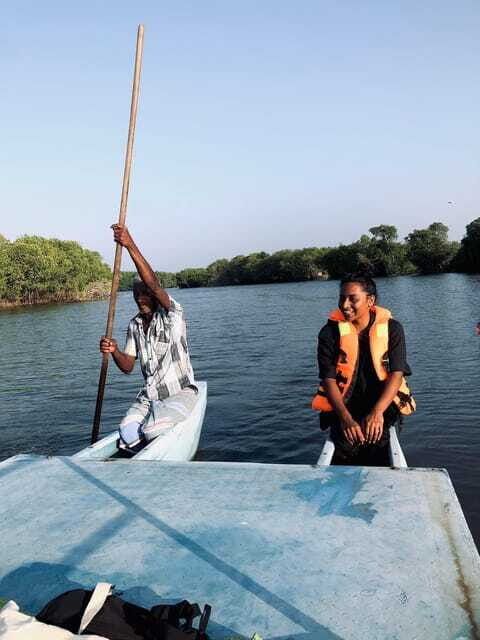
The guide is available in English, Sinhala, and Tamil, which helps a lot if you’re traveling as a mixed-language group. Even if you don’t speak Sinhala or Tamil, having English available means you can still get the information clearly.
And because the group is small (max 10), the guide can respond to the group’s attention. You’re less likely to feel like you’re part of a moving crowd where you can’t hear what matters.
This is also why the tour stays family-friendly. Smaller groups help you manage safety rules like life jacket wear, keeping hands inside, and staying calm when animals appear.
What to Bring for Comfort (Not Just Camera Gear)
This experience runs in open air, in sun, around water, and in a natural habitat. That’s why your packing list is straightforward and practical.
Bring:
- hat
- camera
- sunscreen
- water
- comfortable clothes
- insect repellent
- binoculars (if you have them)
You’ll use sunscreen and insect repellent immediately. You’ll use your camera and binoculars whenever the guide points out wildlife along the lagoon edge. And water matters because there’s no food or drinks included.
One small piece of advice: plan your day so you’re not rushing straight from the hottest part of the day. You’ll enjoy the ride more if you’re not baked by the time you board.
Who This Tour Fits Best (And Who Should Skip It)
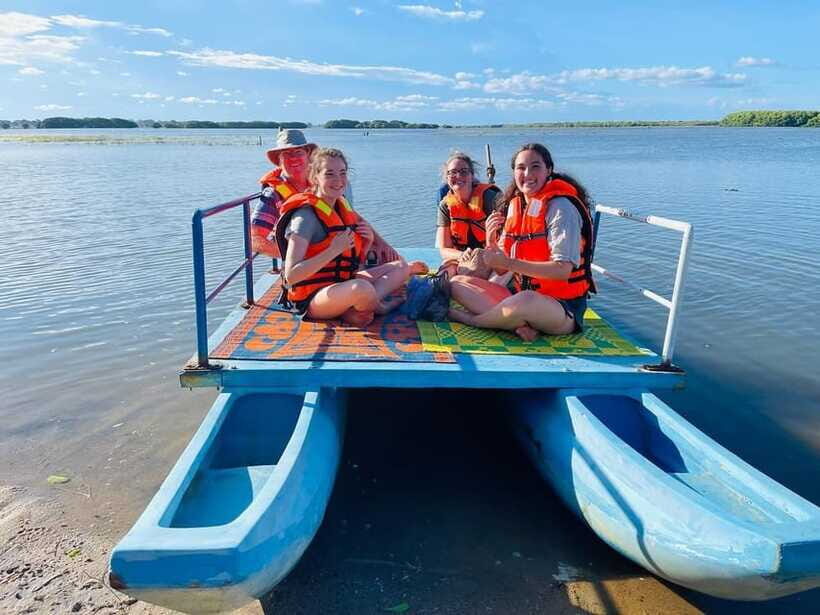
This tour is family-friendly in the sense that children can go, but it has clear boundaries.
Not suitable for:
- children under 5 years
- pregnant women
- people with back problems
If you fall into one of these categories, it’s worth choosing a different activity. With a boat, even gentle movement can be uncomfortable, and the tour’s rules are built around staying secure and still (life jacket mandatory, hands and arms inside).
Who will likely enjoy it most:
- families with kids over 5 who want a guided wildlife experience
- couples or solo travelers who enjoy nature, birds, and wildlife spotting with safety rules
- people who like learning something specific about a habitat, not just taking photos
If you want an adrenaline-style wildlife encounter, this isn’t that. If you want a safer, educational way to see Arugam Bay’s lagoon life from the water, it’s a strong match.
Quick Checklist: Rules You Must Follow on the Boat
To keep things smooth and safe, stick to these rules:
- wear the life jacket throughout
- keep hands and arms inside the boat at all times
- follow your guide’s instructions for staying at a safe wildlife distance
- don’t litter
- don’t feed animals
This is the kind of tour where good behavior protects the animals and also keeps your trip enjoyable. It’s not about being strict. It’s about preventing accidents and lowering stress for wildlife that’s doing its own business.
Should You Book This Arugam Bay Lagoon Boat Safari?
Book it if you want a wildlife-focused boat tour that takes safety measures seriously, especially with a trained guide and life jackets for everyone. The small-group size is a practical plus, and the fact that you’ll learn about the lagoon ecosystem means you’ll come away with more than just a few photos.
Skip it (or choose something else) if none of the rules fit your situation—for example, if your child is under 5, if you’re pregnant, or if you have back problems. Also, plan for the fact that there’s no food or drinks included, so build your day around it.
If your goal is a calm, guided lagoon experience with clear safety boundaries in Arugam Bay, this is the right kind of tour to add to your itinerary.
FAQ
How long is the Arugam Bay lagoon boat safari?
The tour duration is 2 hours.
What is the price per person?
The price is $28 per person.
Is pickup and drop included?
Yes. Pickup and drop are included within a 3 km range.
What safety gear is provided?
You receive life jackets for all guests, and there is a first-aid kit plus mobile communication for emergencies. Wearing the life jacket is mandatory throughout the tour.
Is food and drinks included?
No. Food and drinks are not included.
What languages will the live guide speak?
The live guide speaks English, Singhalese, and Tamil.
Can I get a full refund if plans change?
Yes. There’s free cancellation up to 24 hours in advance for a full refund.