At a village workshop, you shape your own silver ring. In Kotapola, this traditional jewellery making day pairs a local artisan’s guidance with hands-on bench time, plus the cultural context behind Sri Lankan jewelry. I especially liked how much you do yourself and the calm, unhurried way the process is explained by the artisan (like Tharindu, who takes time with each step). One thing to consider: the workshop is at the artisan’s home, so it can be a little tricky to find without clear directions.
You’ll also leave with a meaningful souvenir, since the experience includes your handmade piece and a complimentary silver ring. The day feels practical rather than performative: you learn techniques step-by-step, then get to work on the metal. The main drawback is logistics—transport isn’t included, and you’ll need to coordinate getting there (WhatsApp directions help).
In This Review
- Key Points to Know Before You Go
- Traditional Jewellery Making in Kotapola: Why This Is More Than a Souvenir Photo
- The Real Value of $71: What’s Included and What You Might Pay Extra
- Your Jewelry-Making Day: What the Workshop Feels Like Step by Step
- Learning the Meaning Behind Sri Lankan Traditional Jewelry
- The Artisan Experience: Why Tharindu’s Style Gets Strong Feedback
- Logistics Made Simple: Meeting Point, Directions, and Timing
- Comfort and Accessibility: Who Should Consider This and Who Should Skip It
- Who This Workshop Is Best For (and When It Might Not Fit)
- Should You Book Ahangama Traditional Jewellery Making Workshop?
- FAQ
- How long is the Traditional Jewellery Making Workshop?
- Where does the workshop take place?
- What is the price, and what’s included?
- Are meals included?
- Are gem stones included?
- Do I need prior jewelry-making experience?
- Is it suitable for children or people with mobility concerns?
Key Points to Know Before You Go
- Kotapola artisan-home setting: intimate and local, not a showroom.
- You actually make parts of the ring: shaping, melting, flattening, and filing with guidance.
- Stone work may be partly handled by the master: you may do most steps, while the artisan sets the stone.
- Complimentary silver ring: your take-home keepsake is built into the experience.
- Price covers tools/materials, not gemstones: plan for extra if you want stones.
- Small private group, English instruction: suited for beginners and anyone wanting personal attention.
Traditional Jewellery Making in Kotapola: Why This Is More Than a Souvenir Photo
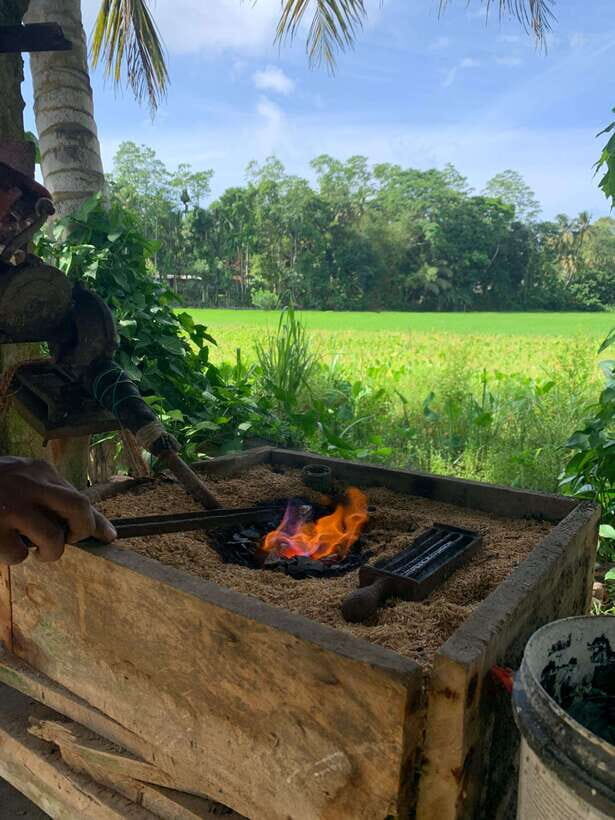
If you like travel that leaves something tangible behind, this workshop is a great pick. It’s held in the artisan’s home in Kotapola, so the experience feels grounded in real daily craft life, not a generic tourist set-up. You’re not just watching someone work—you’re using the tools and learning the steps as you go.
I like that it’s centered on process. You start with the meaning and design side of traditional Sri Lankan jewelry, then you move to the physical work: shaping silver, refining it, and learning how pieces come together. This is the kind of activity that turns knowledge into muscle memory. Even if you’ve never handled metalwork before, you’ll still get that sense of I made this.
One more bonus: it’s a private group, which typically means the artisan can slow down for your questions. That matters in craft work, where small adjustments change the final look.
You can also read our reviews of more tours and experiences in Ahangama.
The Real Value of $71: What’s Included and What You Might Pay Extra
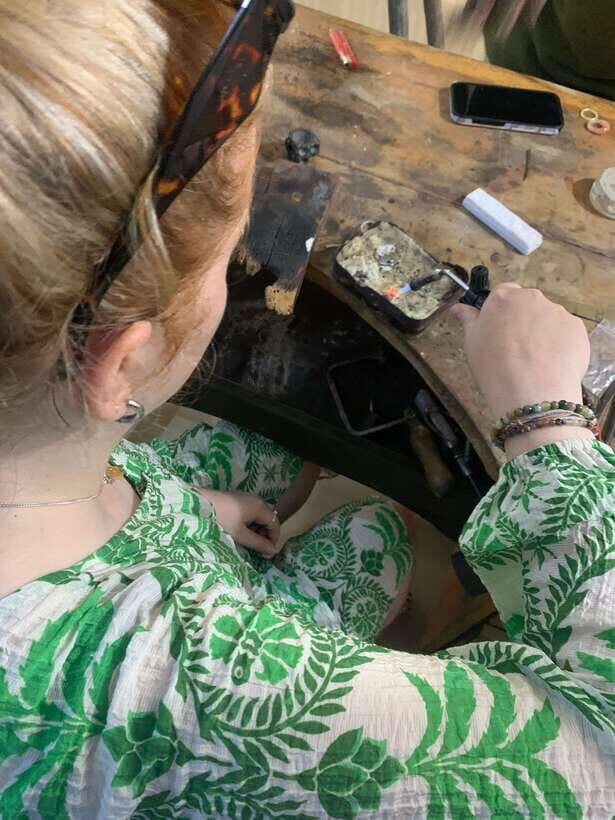
The price is $71 per person for a 1-day experience. On the value side, the key thing is what’s covered: welcome drink, all materials and tools, guidance from the artisan, and your handmade jewelry to take home. That’s a lot of cost that often gets tacked on elsewhere in craft experiences.
Here’s the catch: gem stones are not included. The workshop includes learning about design and stones, and the artisan may help with stone setting, but if you want gemstones in your piece, you should expect an added cost. If you’re happy with a clean silver ring (and the included complimentary ring is part of the plan), you can keep spending tightly controlled.
Transport and meals are also not included. That’s not a deal-breaker, but it affects your total day budget and planning. I’d treat this as a focused morning/half-day craft block you build your day around, rather than something you tack onto a full day of sightseeing without thinking through how you’ll get there and what you’ll eat afterward.
Your Jewelry-Making Day: What the Workshop Feels Like Step by Step
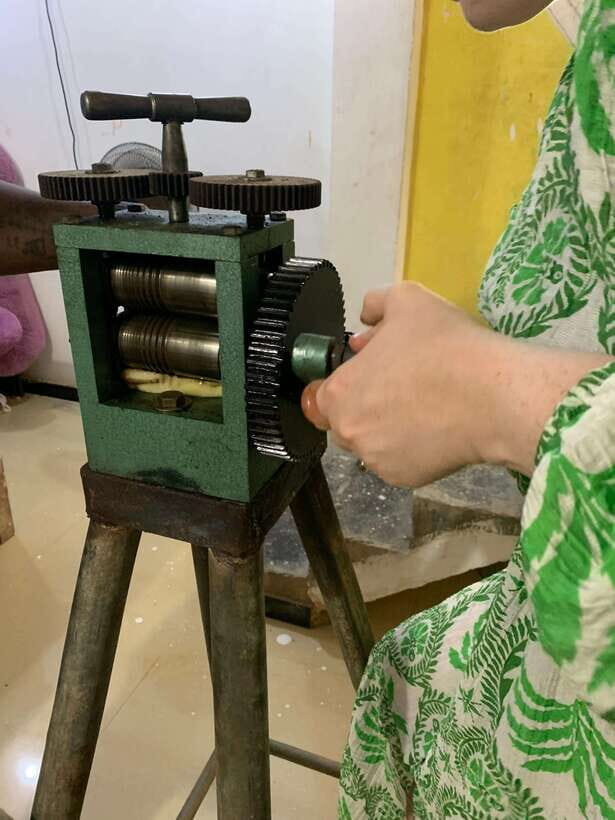
This is the kind of activity where arriving on time helps your whole day. Plan to reach the artisan’s home about 15 minutes early to settle in. Once you’re there, expect a welcome drink and time to get oriented in the workspace.
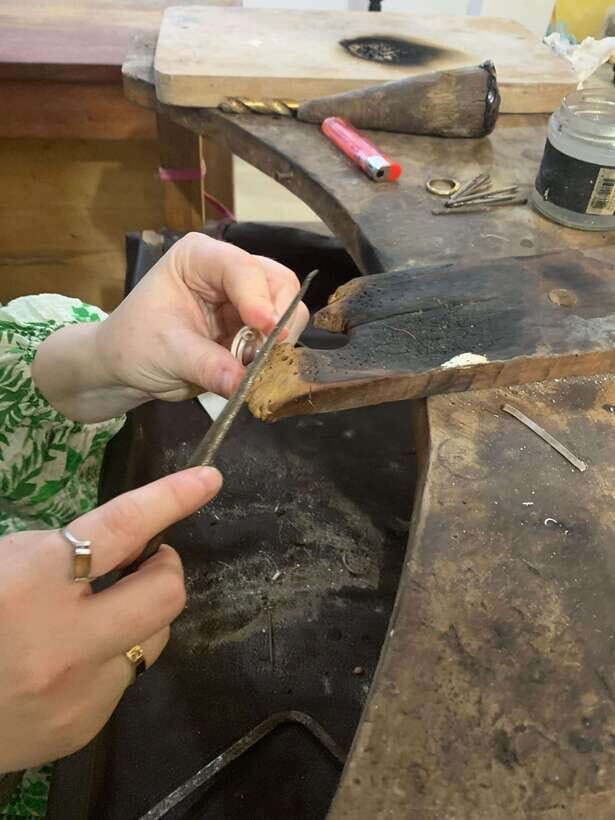
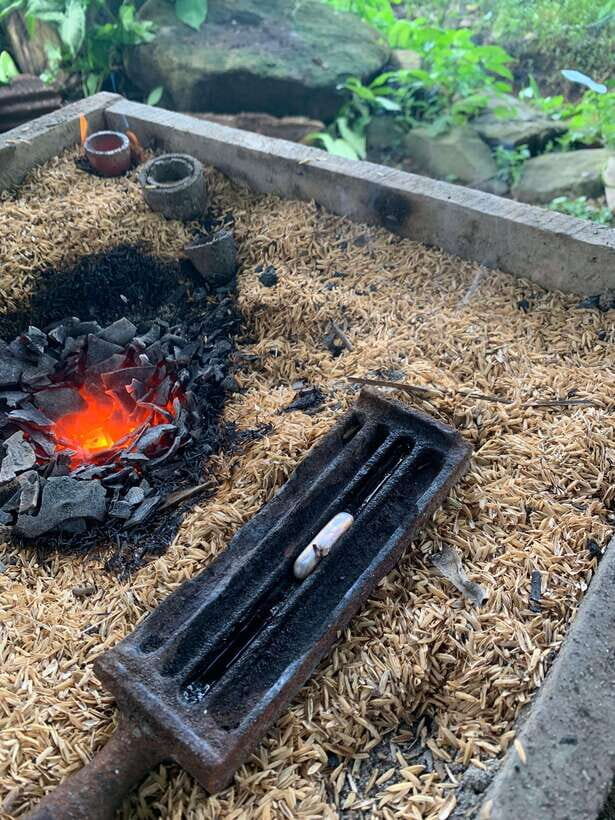
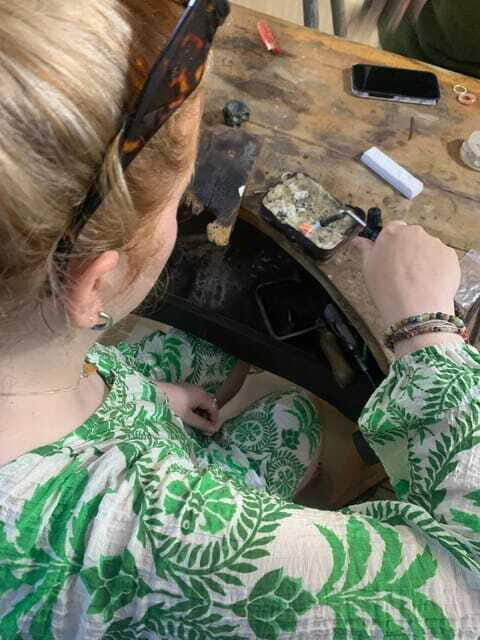
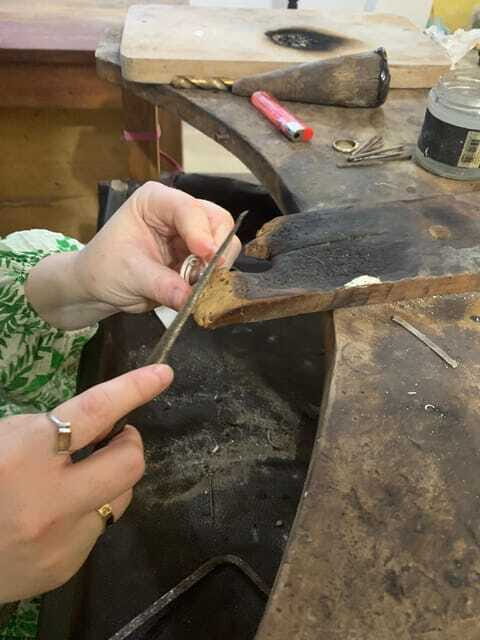
The artisan’s teaching style stands out in how the work is paced. Guests describe the workshop as tool-rich and structured, with clear explanations and brief demos before you take your turn. At one point, the process includes tasks like melting and working the metal, flattening, changing the shape, and filing your ring into the final form. You’ll see how the work moves from raw material to something wearable.
A detail I found useful to know in advance: you’re not necessarily doing absolutely every micro-step alone. In at least one described case, the master handled the stone insertion while the guest did the metalwork parts. That’s normal in good craft teaching. The goal isn’t to throw you into the deepest end of the skill pool. It’s to let you do meaningful work, then apply expert help where precision really counts.
Also, be aware of possible timing around the finish. One ring was set and then delivered the next day to a guest’s hotel. So if you’re traveling with fixed checkout times or tight plans, you may want to ask how your finished piece will be handed over after the workshop.
Learning the Meaning Behind Sri Lankan Traditional Jewelry
This isn’t just technique for technique’s sake. The workshop includes learning about the history and significance of traditional jewelry in Sri Lanka. That context matters because jewelry here is often more than decoration—it can reflect design traditions, cultural symbolism, and local craft methods.
You may also get into design choices, including stone-related considerations. Even though gemstones aren’t included, learning how artisans think about stones and how they fit with the metalwork gives you a better eye for what you’re buying later. You’ll understand why certain settings and shapes are done a certain way, rather than treating jewelry as a random pretty object.
If you care about authenticity, this is where the experience does real work. The craft isn’t presented like an isolated hobby. It’s taught as part of a living local tradition.
The Artisan Experience: Why Tharindu’s Style Gets Strong Feedback
The workshops are hosted by a skilled local artisan, and names that show up in feedback include Tharindu (sometimes spelled Thiradu). What guests consistently highlight is the mix of patience and clarity—explaining each step, demonstrating it briefly, then guiding you as you try.
I like this approach because it reduces the intimidation factor. Jewelry work can look complex from the outside, but when the instruction is broken into manageable actions—melting, shaping, refining—you can actually follow the logic of the craft.
Guests also point to the impressive variety of tools in use. That tool setup isn’t just for show. Different tools help you reach different finishing stages, and you get to see why the sequence matters. If you’ve ever wondered why handmade pieces often look more intentional, tool variety is one reason: it allows finer control over details like shape and surface.
Logistics Made Simple: Meeting Point, Directions, and Timing
The meeting point is the artisan’s home. After you contact through WhatsApp, you’ll be guided (and your driver, if you’re using one) on how to reach the workshop. This is exactly the kind of detail that can make or break small local experiences, so don’t leave it to chance—message early.
Since transportation is not included, plan how you’ll get there and back. Also plan your food. Meals aren’t included, so schedule your lunch or have a plan for it after the workshop.
About the timing: it’s valid for 1 day, and starting times depend on availability. That means you should pick your day based on your overall schedule, then build the rest of your day around a craft session.
One small but helpful note: smoking is not allowed. That’s worth knowing if you’re traveling with smokers in your group.
Comfort and Accessibility: Who Should Consider This and Who Should Skip It
This experience lists both wheelchair accessibility and a note that it’s not suitable for wheelchair users. If you use a wheelchair, I strongly recommend contacting Ceylon Eco Love Tours directly to confirm what’s workable in practice for your situation.
It’s also not suitable for:
- children under 12 years
- people with back problems
Those are practical constraints, since jewelry-making workshops often involve standing or leaning at a workbench for parts of the session.
If you don’t have those constraints and you’re okay with a workshop at a local home, this is a very beginner-friendly activity. No prior experience is required, and the artisan’s guidance is the point.
Who This Workshop Is Best For (and When It Might Not Fit)
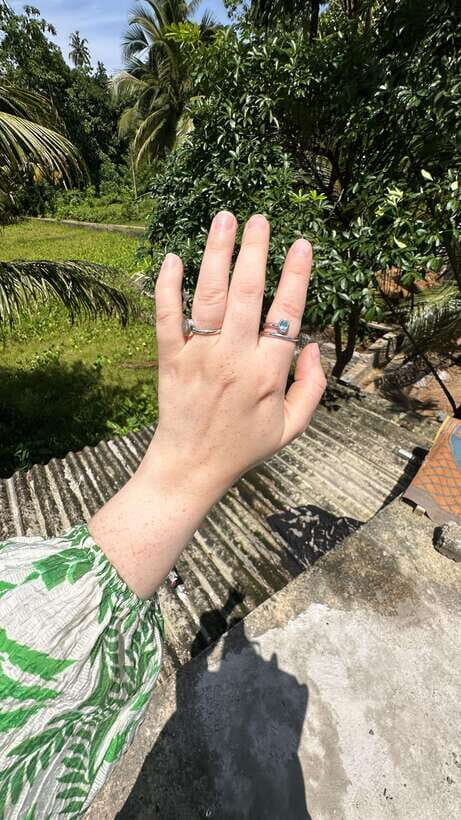
This workshop is a strong match if you want:
- a hands-on craft activity in Sri Lanka
- a take-home keepsake made by you
- English instruction in a small private setting
- a morning/one-day plan that’s culturally grounded, not just a ticketed stop
It’s also great if you enjoy asking questions and watching how a working craftsperson thinks. The setting makes you part of the process, not a spectator.
It might be less ideal if:
- you’re mainly looking for a big, multi-stop sightseeing day
- you need an included meal or hotel pickup
- you don’t want to deal with gemstone costs (since stones aren’t included)
If you’re the type of traveler who likes learning by doing, this is exactly your lane.
Should You Book Ahangama Traditional Jewellery Making Workshop?
I’d book it if you’re drawn to practical craft and want a real Sri Lanka souvenir you can explain later: the steps you learned, the work you did, and the ring you shaped. The included tools/materials and complimentary silver ring make the price feel fair, and the private, English-led format helps beginners keep up.
Before you commit, do two things: message for clear directions to the artisan’s home via WhatsApp, and decide whether you want gemstones. If you do, budget extra since stones aren’t included. If you don’t, you’ll still leave with a solid, meaningful handmade piece.
If you’re traveling through Sri Lanka and you want one day that feels local and personal, this workshop is an easy yes.
FAQ
How long is the Traditional Jewellery Making Workshop?
It’s a 1-day experience. You’ll check availability for the starting time on the booking page.
Where does the workshop take place?
The meeting point is the artisan’s home in Kotapola, Sri Lanka. After you contact via WhatsApp, you’ll receive guidance on how to reach the workshop (including help for your driver).
What is the price, and what’s included?
The price is $71 per person. Included are a welcome drink, all materials and tools needed for jewelry making, guidance from a local artisan, and your own handmade jewelry to take home (including a complimentary silver ring).
Are meals included?
No. Meals are not included.
Are gem stones included?
No. Gem stones are not included.
Do I need prior jewelry-making experience?
No prior experience is required.
Is it suitable for children or people with mobility concerns?
It’s not suitable for children under 12 years and not suitable for people with back problems. For wheelchair users, the details are mixed (listed as wheelchair accessible, but also marked not suitable for wheelchair users), so it’s best to confirm with the provider.
If you want, tell me your travel dates and where you’re staying (nearby town), and I’ll help you think through the best timing and day plan around the workshop.